mirror of
https://github.com/dbt-labs/dbt-core
synced 2025-12-17 19:31:34 +00:00
 97df9278c0
* initial hatch implmentation

* cleanup docs

* replacing makefile

* cleanup hatch commands to match adapters

reorganize more to match adapters setup

script comment

dont pip install

fix test commands

* changelog

improve changelog

* CI fix

* fix for env

* use a standard version file

* remove odd license logic

* fix bumpversion

* remove sha input

* more cleanup

* fix legacy build path

* define version for pyproject.toml

* use hatch hook for license

* remove tox

* ensure tests are split

* remove temp file for testing

* explicitly match old verion in pyproject.toml

* fix up testing

* get rid of bumpversion

* put dev_dependencies.txtin hatch

* setup.py is now dead

* set python version for local dev

* local dev fixes

* temp script to compare wheels

* parity with existing wheel builds

* Revert "temp script to compare wheels"

This reverts commit c31417a092.

* fix docker test file


dbt enables data analysts and engineers to transform their data using the same practices that software engineers use to build applications.

Understanding dbt
Analysts using dbt can transform their data by simply writing select statements, while dbt handles turning these statements into tables and views in a data warehouse.
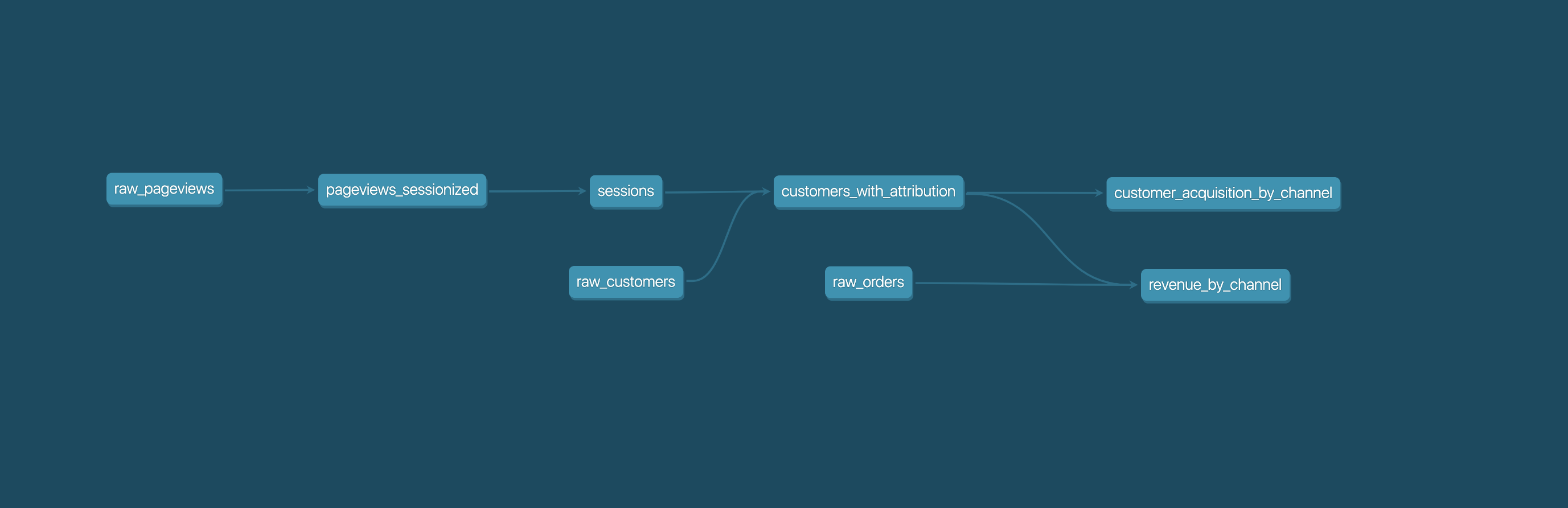
These select statements, or "models", form a dbt project. Models frequently build on top of one another – dbt makes it easy to manage relationships between models, and visualize these relationships, as well as assure the quality of your transformations through testing.
Getting started
- Install dbt Core or explore the dbt Cloud CLI, a command-line interface powered by dbt Cloud that enhances collaboration.
- Read the introduction and viewpoint
Join the dbt Community
- Be part of the conversation in the dbt Community Slack
- Read more on the dbt Community Discourse
Reporting bugs and contributing code
- Want to report a bug or request a feature? Let us know and open an issue
- Want to help us build dbt? Check out the Contributing Guide
Code of Conduct
Everyone interacting in the dbt project's codebases, issue trackers, chat rooms, and mailing lists is expected to follow the dbt Code of Conduct.