mirror of
https://github.com/dbt-labs/dbt-core
synced 2025-12-22 18:51:28 +00:00
Compare commits
22 Commits
readme_doc
...
structlog
| Author | SHA1 | Date | |
|---|---|---|---|

|
1e2bcef0ac | ||
|
|
a546e79d06 | ||
|
|
b8c9555347 | ||
|
|
2c8f1c9a78 | ||
|
|
b1db4d7978 | ||
|
|
d1b9fbb7a3 | ||
|
|
29f34769df | ||
|
|
6ca5fa8f4a | ||
|
|
9febe38781 | ||
|
|
a517375c6c | ||
|
|
a9758297d5 | ||
|
|
c087d3b2dc | ||
|
|
55b33031fc | ||
|
|
593b562611 | ||
|
|
57d364212d | ||
|
|
415cc9c702 | ||
|
|
d2f0e2d1e1 | ||
|
|
e29db5897f | ||
|
|
87b8ca9615 | ||

|
a3dc5efda7 | ||
|
|
1015b89dbf | ||
|
|
5c9fd07050 |
@@ -1,5 +1,5 @@
|
||||
[bumpversion]
|
||||
current_version = 1.0.1
|
||||
current_version = 1.0.0b2
|
||||
parse = (?P<major>\d+)
|
||||
\.(?P<minor>\d+)
|
||||
\.(?P<patch>\d+)
|
||||
|
||||
43
.github/CODEOWNERS
vendored
43
.github/CODEOWNERS
vendored
@@ -1,43 +0,0 @@
|
||||
# This file contains the code owners for the dbt-core repo.
|
||||
# PRs will be automatically assigned for review to the associated
|
||||
# team(s) or person(s) that touches any files that are mapped to them.
|
||||
#
|
||||
# A statement takes precedence over the statements above it so more general
|
||||
# assignments are found at the top with specific assignments being lower in
|
||||
# the ordering (i.e. catch all assignment should be the first item)
|
||||
#
|
||||
# Consult GitHub documentation for formatting guidelines:
|
||||
# https://docs.github.com/en/repositories/managing-your-repositorys-settings-and-features/customizing-your-repository/about-code-owners#example-of-a-codeowners-file
|
||||
|
||||
# As a default for areas with no assignment,
|
||||
# the core team as a whole will be assigned
|
||||
* @dbt-labs/core
|
||||
|
||||
# Changes to GitHub configurations including Actions
|
||||
/.github/ @leahwicz
|
||||
|
||||
# Language core modules
|
||||
/core/dbt/config/ @dbt-labs/core-language
|
||||
/core/dbt/context/ @dbt-labs/core-language
|
||||
/core/dbt/contracts/ @dbt-labs/core-language
|
||||
/core/dbt/deps/ @dbt-labs/core-language
|
||||
/core/dbt/parser/ @dbt-labs/core-language
|
||||
|
||||
# Execution core modules
|
||||
/core/dbt/events/ @dbt-labs/core-execution @dbt-labs/core-language # eventually remove language but they have knowledge here now
|
||||
/core/dbt/graph/ @dbt-labs/core-execution
|
||||
/core/dbt/task/ @dbt-labs/core-execution
|
||||
|
||||
# Adapter interface, scaffold, Postgres plugin
|
||||
/core/dbt/adapters @dbt-labs/core-adapters
|
||||
/core/scripts/create_adapter_plugin.py @dbt-labs/core-adapters
|
||||
/plugins/ @dbt-labs/core-adapters
|
||||
|
||||
# Global project: default macros, including generic tests + materializations
|
||||
/core/dbt/include/global_project @dbt-labs/core-execution @dbt-labs/core-adapters
|
||||
|
||||
# Perf regression testing framework
|
||||
# This excludes the test project files itself since those aren't specific
|
||||
# framework changes (excluded by not setting an owner next to it- no owner)
|
||||
/performance @nathaniel-may
|
||||
/performance/projects
|
||||
2
.github/scripts/integration-test-matrix.js
vendored
2
.github/scripts/integration-test-matrix.js
vendored
@@ -1,6 +1,6 @@
|
||||
module.exports = ({ context }) => {
|
||||
const defaultPythonVersion = "3.8";
|
||||
const supportedPythonVersions = ["3.7", "3.8", "3.9"];
|
||||
const supportedPythonVersions = ["3.6", "3.7", "3.8", "3.9"];
|
||||
const supportedAdapters = ["postgres"];
|
||||
|
||||
// if PR, generate matrix based on files changed and PR labels
|
||||
|
||||
34
.github/workflows/backport.yml
vendored
34
.github/workflows/backport.yml
vendored
@@ -1,34 +0,0 @@
|
||||
# **what?**
|
||||
# When a PR is merged, if it has the backport label, it will create
|
||||
# a new PR to backport those changes to the given branch. If it can't
|
||||
# cleanly do a backport, it will comment on the merged PR of the failure.
|
||||
#
|
||||
# Label naming convention: "backport <branch name to backport to>"
|
||||
# Example: backport 1.0.latest
|
||||
#
|
||||
# You MUST "Squash and merge" the original PR or this won't work.
|
||||
|
||||
# **why?**
|
||||
# Changes sometimes need to be backported to release branches.
|
||||
# This automates the backporting process
|
||||
|
||||
# **when?**
|
||||
# Once a PR is "Squash and merge"'d and it has been correctly labeled
|
||||
# according to the naming convention.
|
||||
|
||||
name: Backport
|
||||
on:
|
||||
pull_request:
|
||||
types:
|
||||
- closed
|
||||
- labeled
|
||||
|
||||
jobs:
|
||||
backport:
|
||||
runs-on: ubuntu-18.04
|
||||
name: Backport
|
||||
steps:
|
||||
- name: Backport
|
||||
uses: tibdex/backport@v1.1.1
|
||||
with:
|
||||
github_token: ${{ secrets.GITHUB_TOKEN }}
|
||||
26
.github/workflows/jira-creation.yml
vendored
26
.github/workflows/jira-creation.yml
vendored
@@ -1,26 +0,0 @@
|
||||
# **what?**
|
||||
# Mirrors issues into Jira. Includes the information: title,
|
||||
# GitHub Issue ID and URL
|
||||
|
||||
# **why?**
|
||||
# Jira is our tool for tracking and we need to see these issues in there
|
||||
|
||||
# **when?**
|
||||
# On issue creation or when an issue is labeled `Jira`
|
||||
|
||||
name: Jira Issue Creation
|
||||
|
||||
on:
|
||||
issues:
|
||||
types: [opened, labeled]
|
||||
|
||||
permissions:
|
||||
issues: write
|
||||
|
||||
jobs:
|
||||
call-label-action:
|
||||
uses: dbt-labs/jira-actions/.github/workflows/jira-creation.yml@main
|
||||
secrets:
|
||||
JIRA_BASE_URL: ${{ secrets.JIRA_BASE_URL }}
|
||||
JIRA_USER_EMAIL: ${{ secrets.JIRA_USER_EMAIL }}
|
||||
JIRA_API_TOKEN: ${{ secrets.JIRA_API_TOKEN }}
|
||||
27
.github/workflows/jira-label.yml
vendored
27
.github/workflows/jira-label.yml
vendored
@@ -1,27 +0,0 @@
|
||||
# **what?**
|
||||
# Calls mirroring Jira label Action. Includes adding a new label
|
||||
# to an existing issue or removing a label as well
|
||||
|
||||
# **why?**
|
||||
# Jira is our tool for tracking and we need to see these labels in there
|
||||
|
||||
# **when?**
|
||||
# On labels being added or removed from issues
|
||||
|
||||
name: Jira Label Mirroring
|
||||
|
||||
on:
|
||||
issues:
|
||||
types: [labeled, unlabeled]
|
||||
|
||||
permissions:
|
||||
issues: read
|
||||
|
||||
jobs:
|
||||
call-label-action:
|
||||
uses: dbt-labs/jira-actions/.github/workflows/jira-label.yml@main
|
||||
secrets:
|
||||
JIRA_BASE_URL: ${{ secrets.JIRA_BASE_URL }}
|
||||
JIRA_USER_EMAIL: ${{ secrets.JIRA_USER_EMAIL }}
|
||||
JIRA_API_TOKEN: ${{ secrets.JIRA_API_TOKEN }}
|
||||
|
||||
24
.github/workflows/jira-transition.yml
vendored
24
.github/workflows/jira-transition.yml
vendored
@@ -1,24 +0,0 @@
|
||||
# **what?**
|
||||
# Transition a Jira issue to a new state
|
||||
# Only supports these GitHub Issue transitions:
|
||||
# closed, deleted, reopened
|
||||
|
||||
# **why?**
|
||||
# Jira needs to be kept up-to-date
|
||||
|
||||
# **when?**
|
||||
# On issue closing, deletion, reopened
|
||||
|
||||
name: Jira Issue Transition
|
||||
|
||||
on:
|
||||
issues:
|
||||
types: [closed, deleted, reopened]
|
||||
|
||||
jobs:
|
||||
call-label-action:
|
||||
uses: dbt-labs/jira-actions/.github/workflows/jira-transition.yml@main
|
||||
secrets:
|
||||
JIRA_BASE_URL: ${{ secrets.JIRA_BASE_URL }}
|
||||
JIRA_USER_EMAIL: ${{ secrets.JIRA_USER_EMAIL }}
|
||||
JIRA_API_TOKEN: ${{ secrets.JIRA_API_TOKEN }}
|
||||
7
.github/workflows/main.yml
vendored
7
.github/workflows/main.yml
vendored
@@ -77,7 +77,7 @@ jobs:
|
||||
strategy:
|
||||
fail-fast: false
|
||||
matrix:
|
||||
python-version: [3.7, 3.8, 3.9]
|
||||
python-version: [3.6, 3.7, 3.8] # TODO: support unit testing for python 3.9 (https://github.com/dbt-labs/dbt/issues/3689)
|
||||
|
||||
env:
|
||||
TOXENV: "unit"
|
||||
@@ -167,7 +167,7 @@ jobs:
|
||||
fail-fast: false
|
||||
matrix:
|
||||
os: [ubuntu-latest, macos-latest, windows-latest]
|
||||
python-version: [3.7, 3.8, 3.9]
|
||||
python-version: [3.6, 3.7, 3.8, 3.9]
|
||||
|
||||
steps:
|
||||
- name: Set up Python ${{ matrix.python-version }}
|
||||
@@ -198,9 +198,8 @@ jobs:
|
||||
dbt --version
|
||||
|
||||
- name: Install source distributions
|
||||
# ignore dbt-1.0.0, which intentionally raises an error when installed from source
|
||||
run: |
|
||||
find ./dist/dbt-[a-z]*.gz -maxdepth 1 -type f | xargs pip install --force-reinstall --find-links=dist/
|
||||
find ./dist/*.gz -maxdepth 1 -type f | xargs pip install --force-reinstall --find-links=dist/
|
||||
|
||||
- name: Check source distributions
|
||||
run: |
|
||||
|
||||
200
.github/workflows/release.yml
vendored
200
.github/workflows/release.yml
vendored
@@ -1,200 +0,0 @@
|
||||
# **what?**
|
||||
# Take the given commit, run unit tests specifically on that sha, build and
|
||||
# package it, and then release to GitHub and PyPi with that specific build
|
||||
|
||||
# **why?**
|
||||
# Ensure an automated and tested release process
|
||||
|
||||
# **when?**
|
||||
# This will only run manually with a given sha and version
|
||||
|
||||
name: Release to GitHub and PyPi
|
||||
|
||||
on:
|
||||
workflow_dispatch:
|
||||
inputs:
|
||||
sha:
|
||||
description: 'The last commit sha in the release'
|
||||
required: true
|
||||
version_number:
|
||||
description: 'The release version number (i.e. 1.0.0b1)'
|
||||
required: true
|
||||
|
||||
defaults:
|
||||
run:
|
||||
shell: bash
|
||||
|
||||
jobs:
|
||||
unit:
|
||||
name: Unit test
|
||||
|
||||
runs-on: ubuntu-latest
|
||||
|
||||
env:
|
||||
TOXENV: "unit"
|
||||
|
||||
steps:
|
||||
- name: Check out the repository
|
||||
uses: actions/checkout@v2
|
||||
with:
|
||||
persist-credentials: false
|
||||
ref: ${{ github.event.inputs.sha }}
|
||||
|
||||
- name: Set up Python
|
||||
uses: actions/setup-python@v2
|
||||
with:
|
||||
python-version: 3.8
|
||||
|
||||
- name: Install python dependencies
|
||||
run: |
|
||||
pip install --user --upgrade pip
|
||||
pip install tox
|
||||
pip --version
|
||||
tox --version
|
||||
|
||||
- name: Run tox
|
||||
run: tox
|
||||
|
||||
build:
|
||||
name: build packages
|
||||
|
||||
runs-on: ubuntu-latest
|
||||
|
||||
steps:
|
||||
- name: Check out the repository
|
||||
uses: actions/checkout@v2
|
||||
with:
|
||||
persist-credentials: false
|
||||
ref: ${{ github.event.inputs.sha }}
|
||||
|
||||
- name: Set up Python
|
||||
uses: actions/setup-python@v2
|
||||
with:
|
||||
python-version: 3.8
|
||||
|
||||
- name: Install python dependencies
|
||||
run: |
|
||||
pip install --user --upgrade pip
|
||||
pip install --upgrade setuptools wheel twine check-wheel-contents
|
||||
pip --version
|
||||
|
||||
- name: Build distributions
|
||||
run: ./scripts/build-dist.sh
|
||||
|
||||
- name: Show distributions
|
||||
run: ls -lh dist/
|
||||
|
||||
- name: Check distribution descriptions
|
||||
run: |
|
||||
twine check dist/*
|
||||
|
||||
- name: Check wheel contents
|
||||
run: |
|
||||
check-wheel-contents dist/*.whl --ignore W007,W008
|
||||
|
||||
- uses: actions/upload-artifact@v2
|
||||
with:
|
||||
name: dist
|
||||
path: |
|
||||
dist/
|
||||
!dist/dbt-${{github.event.inputs.version_number}}.tar.gz
|
||||
|
||||
test-build:
|
||||
name: verify packages
|
||||
|
||||
needs: [build, unit]
|
||||
|
||||
runs-on: ubuntu-latest
|
||||
|
||||
steps:
|
||||
- name: Set up Python
|
||||
uses: actions/setup-python@v2
|
||||
with:
|
||||
python-version: 3.8
|
||||
|
||||
- name: Install python dependencies
|
||||
run: |
|
||||
pip install --user --upgrade pip
|
||||
pip install --upgrade wheel
|
||||
pip --version
|
||||
|
||||
- uses: actions/download-artifact@v2
|
||||
with:
|
||||
name: dist
|
||||
path: dist/
|
||||
|
||||
- name: Show distributions
|
||||
run: ls -lh dist/
|
||||
|
||||
- name: Install wheel distributions
|
||||
run: |
|
||||
find ./dist/*.whl -maxdepth 1 -type f | xargs pip install --force-reinstall --find-links=dist/
|
||||
|
||||
- name: Check wheel distributions
|
||||
run: |
|
||||
dbt --version
|
||||
|
||||
- name: Install source distributions
|
||||
run: |
|
||||
find ./dist/*.gz -maxdepth 1 -type f | xargs pip install --force-reinstall --find-links=dist/
|
||||
|
||||
- name: Check source distributions
|
||||
run: |
|
||||
dbt --version
|
||||
|
||||
|
||||
github-release:
|
||||
name: GitHub Release
|
||||
|
||||
needs: test-build
|
||||
|
||||
runs-on: ubuntu-latest
|
||||
|
||||
steps:
|
||||
- uses: actions/download-artifact@v2
|
||||
with:
|
||||
name: dist
|
||||
path: '.'
|
||||
|
||||
# Need to set an output variable because env variables can't be taken as input
|
||||
# This is needed for the next step with releasing to GitHub
|
||||
- name: Find release type
|
||||
id: release_type
|
||||
env:
|
||||
IS_PRERELEASE: ${{ contains(github.event.inputs.version_number, 'rc') || contains(github.event.inputs.version_number, 'b') }}
|
||||
run: |
|
||||
echo ::set-output name=isPrerelease::$IS_PRERELEASE
|
||||
|
||||
- name: Creating GitHub Release
|
||||
uses: softprops/action-gh-release@v1
|
||||
with:
|
||||
name: dbt-core v${{github.event.inputs.version_number}}
|
||||
tag_name: v${{github.event.inputs.version_number}}
|
||||
prerelease: ${{ steps.release_type.outputs.isPrerelease }}
|
||||
target_commitish: ${{github.event.inputs.sha}}
|
||||
body: |
|
||||
[Release notes](https://github.com/dbt-labs/dbt-core/blob/main/CHANGELOG.md)
|
||||
files: |
|
||||
dbt_postgres-${{github.event.inputs.version_number}}-py3-none-any.whl
|
||||
dbt_core-${{github.event.inputs.version_number}}-py3-none-any.whl
|
||||
dbt-postgres-${{github.event.inputs.version_number}}.tar.gz
|
||||
dbt-core-${{github.event.inputs.version_number}}.tar.gz
|
||||
|
||||
pypi-release:
|
||||
name: Pypi release
|
||||
|
||||
runs-on: ubuntu-latest
|
||||
|
||||
needs: github-release
|
||||
|
||||
environment: PypiProd
|
||||
steps:
|
||||
- uses: actions/download-artifact@v2
|
||||
with:
|
||||
name: dist
|
||||
path: 'dist'
|
||||
|
||||
- name: Publish distribution to PyPI
|
||||
uses: pypa/gh-action-pypi-publish@v1.4.2
|
||||
with:
|
||||
password: ${{ secrets.PYPI_API_TOKEN }}
|
||||
@@ -1,71 +0,0 @@
|
||||
# This Action checks makes a dbt run to sample json structured logs
|
||||
# and checks that they conform to the currently documented schema.
|
||||
#
|
||||
# If this action fails it either means we have unintentionally deviated
|
||||
# from our documented structured logging schema, or we need to bump the
|
||||
# version of our structured logging and add new documentation to
|
||||
# communicate these changes.
|
||||
|
||||
|
||||
name: Structured Logging Schema Check
|
||||
on:
|
||||
push:
|
||||
branches:
|
||||
- "main"
|
||||
- "*.latest"
|
||||
- "releases/*"
|
||||
pull_request:
|
||||
workflow_dispatch:
|
||||
|
||||
permissions: read-all
|
||||
|
||||
jobs:
|
||||
# run the performance measurements on the current or default branch
|
||||
test-schema:
|
||||
name: Test Log Schema
|
||||
runs-on: ubuntu-latest
|
||||
env:
|
||||
# turns warnings into errors
|
||||
RUSTFLAGS: "-D warnings"
|
||||
# points tests to the log file
|
||||
LOG_DIR: "/home/runner/work/dbt-core/dbt-core/logs"
|
||||
# tells integration tests to output into json format
|
||||
DBT_LOG_FORMAT: 'json'
|
||||
steps:
|
||||
|
||||
- name: checkout dev
|
||||
uses: actions/checkout@v2
|
||||
with:
|
||||
persist-credentials: false
|
||||
|
||||
- name: Setup Python
|
||||
uses: actions/setup-python@v2.2.2
|
||||
with:
|
||||
python-version: "3.8"
|
||||
|
||||
- uses: actions-rs/toolchain@v1
|
||||
with:
|
||||
profile: minimal
|
||||
toolchain: stable
|
||||
override: true
|
||||
|
||||
- name: install dbt
|
||||
run: pip install -r dev-requirements.txt -r editable-requirements.txt
|
||||
|
||||
- name: Set up postgres
|
||||
uses: ./.github/actions/setup-postgres-linux
|
||||
|
||||
- name: ls
|
||||
run: ls
|
||||
|
||||
# integration tests generate a ton of logs in different files. the next step will find them all.
|
||||
# we actually care if these pass, because the normal test run doesn't usually include many json log outputs
|
||||
- name: Run integration tests
|
||||
run: tox -e py38-postgres -- -nauto
|
||||
|
||||
# apply our schema tests to every log event from the previous step
|
||||
# skips any output that isn't valid json
|
||||
- uses: actions-rs/cargo@v1
|
||||
with:
|
||||
command: run
|
||||
args: --manifest-path test/interop/log_parsing/Cargo.toml
|
||||
12
.github/workflows/version-bump.yml
vendored
12
.github/workflows/version-bump.yml
vendored
@@ -66,12 +66,12 @@ jobs:
|
||||
git push origin bumping-version/${{steps.variables.outputs.VERSION_NUMBER}}_$GITHUB_RUN_ID
|
||||
git branch --set-upstream-to=origin/bumping-version/${{steps.variables.outputs.VERSION_NUMBER}}_$GITHUB_RUN_ID bumping-version/${{steps.variables.outputs.VERSION_NUMBER}}_$GITHUB_RUN_ID
|
||||
|
||||
# - name: Generate Docker requirements
|
||||
# run: |
|
||||
# source env/bin/activate
|
||||
# pip install -r requirements.txt
|
||||
# pip freeze -l > docker/requirements/requirements.txt
|
||||
# git status
|
||||
- name: Generate Docker requirements
|
||||
run: |
|
||||
source env/bin/activate
|
||||
pip install -r requirements.txt
|
||||
pip freeze -l > docker/requirements/requirements.txt
|
||||
git status
|
||||
|
||||
- name: Bump version
|
||||
run: |
|
||||
|
||||
@@ -4,17 +4,16 @@ The core function of dbt is SQL compilation and execution. Users create projects
|
||||
|
||||
Most of the python code in the repository is within the `core/dbt` directory. Currently the main subdirectories are:
|
||||
|
||||
- [`adapters`](core/dbt/adapters/README.md): Define base classes for behavior that is likely to differ across databases
|
||||
- [`clients`](core/dbt/clients/README.md): Interface with dependencies (agate, jinja) or across operating systems
|
||||
- [`config`](core/dbt/config/README.md): Reconcile user-supplied configuration from connection profiles, project files, and Jinja macros
|
||||
- [`context`](core/dbt/context/README.md): Build and expose dbt-specific Jinja functionality
|
||||
- [`contracts`](core/dbt/contracts/README.md): Define Python objects (dataclasses) that dbt expects to create and validate
|
||||
- [`deps`](core/dbt/deps/README.md): Package installation and dependency resolution
|
||||
- [`events`](core/dbt/events/README.md): Logging events
|
||||
- [`graph`](core/dbt/graph/README.md): Produce a `networkx` DAG of project resources, and selecting those resources given user-supplied criteria
|
||||
- [`include`](core/dbt/include/README.md): The dbt "global project," which defines default implementations of Jinja2 macros
|
||||
- [`parser`](core/dbt/parser/README.md): Read project files, validate, construct python objects
|
||||
- [`task`](core/dbt/task/README.md): Set forth the actions that dbt can perform when invoked
|
||||
- [`adapters`](core/dbt/adapters): Define base classes for behavior that is likely to differ across databases
|
||||
- [`clients`](core/dbt/clients): Interface with dependencies (agate, jinja) or across operating systems
|
||||
- [`config`](core/dbt/config): Reconcile user-supplied configuration from connection profiles, project files, and Jinja macros
|
||||
- [`context`](core/dbt/context): Build and expose dbt-specific Jinja functionality
|
||||
- [`contracts`](core/dbt/contracts): Define Python objects (dataclasses) that dbt expects to create and validate
|
||||
- [`deps`](core/dbt/deps): Package installation and dependency resolution
|
||||
- [`graph`](core/dbt/graph): Produce a `networkx` DAG of project resources, and selecting those resources given user-supplied criteria
|
||||
- [`include`](core/dbt/include): The dbt "global project," which defines default implementations of Jinja2 macros
|
||||
- [`parser`](core/dbt/parser): Read project files, validate, construct python objects
|
||||
- [`task`](core/dbt/task): Set forth the actions that dbt can perform when invoked
|
||||
|
||||
### Invoking dbt
|
||||
|
||||
@@ -45,4 +44,4 @@ The [`test/`](test/) subdirectory includes unit and integration tests that run a
|
||||
|
||||
- [docker](docker/): All dbt versions are published as Docker images on DockerHub. This subfolder contains the `Dockerfile` (constant) and `requirements.txt` (one for each version).
|
||||
- [etc](etc/): Images for README
|
||||
- [scripts](scripts/): Helper scripts for testing, releasing, and producing JSON schemas. These are not included in distributions of dbt, nor are they rigorously tested—they're just handy tools for the dbt maintainers :)
|
||||
- [scripts](scripts/): Helper scripts for testing, releasing, and producing JSON schemas. These are not included in distributions of dbt, not are they rigorously tested—they're just handy tools for the dbt maintainers :)
|
||||
|
||||
195
CHANGELOG.md
195
CHANGELOG.md
@@ -1,174 +1,4 @@
|
||||
## dbt-core 1.1.0 (TBD)
|
||||
|
||||
### Features
|
||||
- New Dockerfile to support specific db adapters and platforms. See docker/README.md for details ([#4495](https://github.com/dbt-labs/dbt-core/issues/4495), [#4487](https://github.com/dbt-labs/dbt-core/pull/4487))
|
||||
|
||||
### Fixes
|
||||
- User wasn't asked for permission to overwite a profile entry when running init inside an existing project ([#4375](https://github.com/dbt-labs/dbt-core/issues/4375), [#4447](https://github.com/dbt-labs/dbt-core/pull/4447))
|
||||
- Add project name validation to `dbt init` ([#4490](https://github.com/dbt-labs/dbt-core/issues/4490),[#4536](https://github.com/dbt-labs/dbt-core/pull/4536))
|
||||
|
||||
### Under the hood
|
||||
- Testing cleanup ([#4496](https://github.com/dbt-labs/dbt-core/pull/4496), [#4509](https://github.com/dbt-labs/dbt-core/pull/4509))
|
||||
- Clean up test deprecation warnings ([#3988](https://github.com/dbt-labs/dbt-core/issue/3988), [#4556](https://github.com/dbt-labs/dbt-core/pull/4556))
|
||||
- Use mashumaro for serialization in event logging ([#4504](https://github.com/dbt-labs/dbt-core/issues/4504), [#4505](https://github.com/dbt-labs/dbt-core/pull/4505))
|
||||
- Drop support for Python 3.7.0 + 3.7.1 ([#4584](https://github.com/dbt-labs/dbt-core/issues/4584), [#4585](https://github.com/dbt-labs/dbt-core/pull/4585), [#4643](https://github.com/dbt-labs/dbt-core/pull/4643))
|
||||
|
||||
Contributors:
|
||||
- [@NiallRees](https://github.com/NiallRees) ([#4447](https://github.com/dbt-labs/dbt-core/pull/4447))
|
||||
|
||||
## dbt-core 1.0.2 (TBD)
|
||||
|
||||
### Fixes
|
||||
- Projects created using `dbt init` now have the correct `seeds` directory created (instead of `data`) ([#4588](https://github.com/dbt-labs/dbt-core/issues/4588), [#4599](https://github.com/dbt-labs/dbt-core/pull/4589))
|
||||
- Don't require a profile for dbt deps and clean commands ([#4554](https://github.com/dbt-labs/dbt-core/issues/4554), [#4610](https://github.com/dbt-labs/dbt-core/pull/4610))
|
||||
- Select modified.body works correctly when new model added([#4570](https://github.com/dbt-labs/dbt-core/issues/4570), [#4631](https://github.com/dbt-labs/dbt-core/pull/4631))
|
||||
- Fix bug in retry logic for bad response from hub and when there is a bad git tarball download. ([#4577](https://github.com/dbt-labs/dbt-core/issues/4577), [#4579](https://github.com/dbt-labs/dbt-core/issues/4579), [#4609](https://github.com/dbt-labs/dbt-core/pull/4609))
|
||||
- Restore previous log level (DEBUG) when a test depends on a disabled resource. Still WARN if the resource is missing ([#4594](https://github.com/dbt-labs/dbt-core/issues/4594), [#4647](https://github.com/dbt-labs/dbt-core/pull/4647))
|
||||
|
||||
## dbt-core 1.0.1 (January 03, 2022)
|
||||
|
||||
* [@amirkdv](https://github.com/amirkdv) ([#4536](https://github.com/dbt-labs/dbt-core/pull/4536))
|
||||
|
||||
|
||||
## dbt-core 1.0.1rc1 (December 20, 2021)
|
||||
|
||||
### Fixes
|
||||
- Fix wrong url in the dbt docs overview homepage ([#4442](https://github.com/dbt-labs/dbt-core/pull/4442))
|
||||
- Fix redefined status param of SQLQueryStatus to typecheck the string which passes on `._message` value of `AdapterResponse` or the `str` value sent by adapter plugin. ([#4463](https://github.com/dbt-labs/dbt-core/pull/4463#issuecomment-990174166))
|
||||
- Fix `DepsStartPackageInstall` event to use package name instead of version number. ([#4482](https://github.com/dbt-labs/dbt-core/pull/4482))
|
||||
- Reimplement log message to use adapter name instead of the object method. ([#4501](https://github.com/dbt-labs/dbt-core/pull/4501))
|
||||
- Issue better error message for incompatible schemas ([#4470](https://github.com/dbt-labs/dbt-core/pull/4442), [#4497](https://github.com/dbt-labs/dbt-core/pull/4497))
|
||||
- Remove secrets from error related to packages. ([#4507](https://github.com/dbt-labs/dbt-core/pull/4507))
|
||||
- Prevent coercion of boolean values (`True`, `False`) to numeric values (`0`, `1`) in query results ([#4511](https://github.com/dbt-labs/dbt-core/issues/4511), [#4512](https://github.com/dbt-labs/dbt-core/pull/4512))
|
||||
- Fix error with an env_var in a project hook ([#4523](https://github.com/dbt-labs/dbt-core/issues/4523), [#4524](https://github.com/dbt-labs/dbt-core/pull/4524))
|
||||
- Add additional windows compat logic for colored log output. ([#4443](https://github.com/dbt-labs/dbt-core/issues/4443))
|
||||
|
||||
### Docs
|
||||
- Fix missing data on exposures in docs ([#4467](https://github.com/dbt-labs/dbt-core/issues/4467))
|
||||
|
||||
Contributors:
|
||||
- [remoyson](https://github.com/remoyson) ([#4442](https://github.com/dbt-labs/dbt-core/pull/4442))
|
||||
|
||||
## dbt-core 1.0.0 (December 3, 2021)
|
||||
|
||||
### Fixes
|
||||
- Configure the CLI logger destination to use stdout instead of stderr ([#4368](https://github.com/dbt-labs/dbt-core/pull/4368))
|
||||
- Make the size of `EVENT_HISTORY` configurable, via `EVENT_BUFFER_SIZE` global config ([#4411](https://github.com/dbt-labs/dbt-core/pull/4411), [#4416](https://github.com/dbt-labs/dbt-core/pull/4416))
|
||||
- Change type of `log_format` in `profiles.yml` user config to be string, not boolean ([#4394](https://github.com/dbt-labs/dbt-core/pull/4394))
|
||||
|
||||
### Under the hood
|
||||
- Only log cache events if `LOG_CACHE_EVENTS` is enabled, and disable by default. This restores previous behavior ([#4369](https://github.com/dbt-labs/dbt-core/pull/4369))
|
||||
- Move event codes to be a top-level attribute of JSON-formatted logs, rather than nested in `data` ([#4381](https://github.com/dbt-labs/dbt-core/pull/4381))
|
||||
- Fix failing integration test on Windows ([#4380](https://github.com/dbt-labs/dbt-core/pull/4380))
|
||||
- Clean up warning messages for `clean` + `deps` ([#4366](https://github.com/dbt-labs/dbt-core/pull/4366))
|
||||
- Use RFC3339 timestamps for log messages ([#4384](https://github.com/dbt-labs/dbt-core/pull/4384))
|
||||
- Different text output for console (info) and file (debug) logs ([#4379](https://github.com/dbt-labs/dbt-core/pull/4379), [#4418](https://github.com/dbt-labs/dbt-core/pull/4418))
|
||||
- Remove unused events. More structured `ConcurrencyLine`. Replace `\n` message starts/ends with `EmptyLine` events, and exclude `EmptyLine` from JSON-formatted output ([#4388](https://github.com/dbt-labs/dbt-core/pull/4388))
|
||||
- Update `events` module README ([#4395](https://github.com/dbt-labs/dbt-core/pull/4395))
|
||||
- Rework approach to JSON serialization for events with non-standard properties ([#4396](https://github.com/dbt-labs/dbt-core/pull/4396))
|
||||
- Update legacy logger file name to `dbt.log.legacy` ([#4402](https://github.com/dbt-labs/dbt-core/pull/4402))
|
||||
- Rollover `dbt.log` at 10 MB, and keep up to 5 backups, restoring previous behavior ([#4405](https://github.com/dbt-labs/dbt-core/pull/4405))
|
||||
- Use reference keys instead of full relation objects in cache events ([#4410](https://github.com/dbt-labs/dbt-core/pull/4410))
|
||||
- Add `node_type` contextual info to more events ([#4378](https://github.com/dbt-labs/dbt-core/pull/4378))
|
||||
- Make `materialized` config optional in `node_type` ([#4417](https://github.com/dbt-labs/dbt-core/pull/4417))
|
||||
- Stringify exception in `GenericExceptionOnRun` to support JSON serialization ([#4424](https://github.com/dbt-labs/dbt-core/pull/4424))
|
||||
- Add "interop" tests for machine consumption of structured log output ([#4327](https://github.com/dbt-labs/dbt-core/pull/4327))
|
||||
- Relax version specifier for `dbt-extractor` to `~=0.4.0`, to support compiled wheels for additional architectures when available ([#4427](https://github.com/dbt-labs/dbt-core/pull/4427))
|
||||
|
||||
## dbt-core 1.0.0rc3 (November 30, 2021)
|
||||
|
||||
### Fixes
|
||||
- Support partial parsing of env_vars in metrics ([#4253](https://github.com/dbt-labs/dbt-core/issues/4293), [#4322](https://github.com/dbt-labs/dbt-core/pull/4322))
|
||||
- Fix typo in `UnparsedSourceDefinition.__post_serialize__` ([#3545](https://github.com/dbt-labs/dbt-core/issues/3545), [#4349](https://github.com/dbt-labs/dbt-core/pull/4349))
|
||||
|
||||
### Under the hood
|
||||
- Change some CompilationExceptions to ParsingExceptions ([#4254](http://github.com/dbt-labs/dbt-core/issues/4254), [#4328](https://github.com/dbt-core/pull/4328))
|
||||
- Reorder logic for static parser sampling to speed up model parsing ([#4332](https://github.com/dbt-labs/dbt-core/pull/4332))
|
||||
- Use more augmented assignment statements ([#4315](https://github.com/dbt-labs/dbt-core/issues/4315)), ([#4311](https://github.com/dbt-labs/dbt-core/pull/4331))
|
||||
- Adjust logic when finding approximate matches for models and tests ([#3835](https://github.com/dbt-labs/dbt-core/issues/3835)), [#4076](https://github.com/dbt-labs/dbt-core/pull/4076))
|
||||
- Restore small previous behaviors for logging: JSON formatting for first few events; `WARN`-level stdout for `list` task; include tracking events in `dbt.log` ([#4341](https://github.com/dbt-labs/dbt-core/pull/4341))
|
||||
|
||||
Contributors:
|
||||
- [@sarah-weatherbee](https://github.com/sarah-weatherbee) ([#4331](https://github.com/dbt-labs/dbt-core/pull/4331))
|
||||
- [@emilieschario](https://github.com/emilieschario) ([#4076](https://github.com/dbt-labs/dbt-core/pull/4076))
|
||||
- [@sneznaj](https://github.com/sneznaj) ([#4349](https://github.com/dbt-labs/dbt-core/pull/4349))
|
||||
|
||||
## dbt-core 1.0.0rc2 (November 22, 2021)
|
||||
|
||||
### Breaking changes
|
||||
- Restrict secret env vars (prefixed `DBT_ENV_SECRET_`) to `profiles.yml` + `packages.yml` _only_. Raise an exception if a secret env var is used elsewhere ([#4310](https://github.com/dbt-labs/dbt-core/issues/4310), [#4311](https://github.com/dbt-labs/dbt-core/pull/4311))
|
||||
- Reorder arguments to `config.get()` so that `default` is second ([#4273](https://github.com/dbt-labs/dbt-core/issues/4273), [#4297](https://github.com/dbt-labs/dbt-core/pull/4297))
|
||||
|
||||
### Features
|
||||
- Avoid error when missing column in YAML description ([#4151](https://github.com/dbt-labs/dbt-core/issues/4151), [#4285](https://github.com/dbt-labs/dbt-core/pull/4285))
|
||||
- Allow `--defer` flag to `dbt snapshot` ([#4110](https://github.com/dbt-labs/dbt-core/issues/4110), [#4296](https://github.com/dbt-labs/dbt-core/pull/4296))
|
||||
- Install prerelease packages when `version` explicitly references a prerelease version, regardless of `install-prerelease` status ([#4243](https://github.com/dbt-labs/dbt-core/issues/4243), [#4295](https://github.com/dbt-labs/dbt-core/pull/4295))
|
||||
- Add data attributes to json log messages ([#4301](https://github.com/dbt-labs/dbt-core/pull/4301))
|
||||
- Add event codes to all log events ([#4319](https://github.com/dbt-labs/dbt-core/pull/4319))
|
||||
|
||||
### Fixes
|
||||
- Fix serialization error with missing quotes in metrics model ref ([#4252](https://github.com/dbt-labs/dbt-core/issues/4252), [#4287](https://github.com/dbt-labs/dbt-core/pull/4289))
|
||||
- Correct definition of 'created_at' in ParsedMetric nodes ([#4298](http://github.com/dbt-labs/dbt-core/issues/4298), [#4299](https://github.com/dbt-labs/dbt-core/pull/4299))
|
||||
|
||||
### Fixes
|
||||
- Allow specifying default in Jinja config.get with default keyword ([#4273](https://github.com/dbt-labs/dbt-core/issues/4273), [#4297](https://github.com/dbt-labs/dbt-core/pull/4297))
|
||||
- Fix serialization error with missing quotes in metrics model ref ([#4252](https://github.com/dbt-labs/dbt-core/issues/4252), [#4287](https://github.com/dbt-labs/dbt-core/pull/4289))
|
||||
- Correct definition of 'created_at' in ParsedMetric nodes ([#4298](https://github.com/dbt-labs/dbt-core/issues/4298), [#4299](https://github.com/dbt-labs/dbt-core/pull/4299))
|
||||
|
||||
### Under the hood
|
||||
- Add --indirect-selection parameter to profiles.yml and builtin DBT_ env vars; stringified parameter to enable multi-modal use ([#3997](https://github.com/dbt-labs/dbt-core/issues/3997), [#4270](https://github.com/dbt-labs/dbt-core/pull/4270))
|
||||
- Fix filesystem searcher test failure on Python 3.9 ([#3689](https://github.com/dbt-labs/dbt-core/issues/3689), [#4271](https://github.com/dbt-labs/dbt-core/pull/4271))
|
||||
- Clean up deprecation warnings shown for `dbt_project.yml` config renames ([#4276](https://github.com/dbt-labs/dbt-core/issues/4276), [#4291](https://github.com/dbt-labs/dbt-core/pull/4291))
|
||||
- Fix metrics count in compiled project stats ([#4290](https://github.com/dbt-labs/dbt-core/issues/4290), [#4292](https://github.com/dbt-labs/dbt-core/pull/4292))
|
||||
- First pass at supporting more dbt tasks via python lib ([#4200](https://github.com/dbt-labs/dbt-core/pull/4200))
|
||||
|
||||
Contributors:
|
||||
- [@kadero](https://github.com/kadero) ([#4285](https://github.com/dbt-labs/dbt-core/pull/4285), [#4296](https://github.com/dbt-labs/dbt-core/pull/4296))
|
||||
- [@joellabes](https://github.com/joellabes) ([#4295](https://github.com/dbt-labs/dbt-core/pull/4295))
|
||||
|
||||
## dbt-core 1.0.0rc1 (November 10, 2021)
|
||||
|
||||
### Breaking changes
|
||||
- Replace `greedy` flag/property for test selection with `indirect_selection: eager/cautious` flag/property. Set to `eager` by default. **Note:** This reverts test selection to its pre-v0.20 behavior by default. `dbt test -s my_model` _will_ select multi-parent tests, such as `relationships`, that depend on unselected resources. To achieve the behavior change in v0.20 + v0.21, set `--indirect-selection=cautious` on the CLI or `indirect_selection: cautious` in yaml selectors. ([#4082](https://github.com/dbt-labs/dbt-core/issues/4082), [#4104](https://github.com/dbt-labs/dbt-core/pull/4104))
|
||||
- In v1.0.0, **`pip install dbt` will raise an explicit error.** Instead, please use `pip install dbt-<adapter>` (to use dbt with that database adapter), or `pip install dbt-core` (for core functionality). For parity with the previous behavior of `pip install dbt`, you can use: `pip install dbt-core dbt-postgres dbt-redshift dbt-snowflake dbt-bigquery` ([#4100](https://github.com/dbt-labs/dbt-core/issues/4100), [#4133](https://github.com/dbt-labs/dbt-core/pull/4133))
|
||||
- Reorganize the `global_project` (macros) into smaller files with clearer names. Remove unused global macros: `column_list`, `column_list_for_create_table`, `incremental_upsert` ([#4154](https://github.com/dbt-labs/dbt-core/pull/4154))
|
||||
- Introduce structured event interface, and begin conversion of all legacy logging ([#3359](https://github.com/dbt-labs/dbt-core/issues/3359), [#4055](https://github.com/dbt-labs/dbt-core/pull/4055))
|
||||
- **This is a breaking change for adapter plugins, requiring a very simple migration.** See [`events` module README](core/dbt/events/README.md#adapter-maintainers) for details.
|
||||
- If you maintain another kind of dbt-core plugin that makes heavy use of legacy logging, and you need time to cut over to the new event interface, you can re-enable the legacy logger via an environment variable shim, `DBT_ENABLE_LEGACY_LOGGER=True`. Be advised that we will remove this capability in a future version of dbt-core.
|
||||
|
||||
### Features
|
||||
- Allow nullable `error_after` in source freshness ([#3874](https://github.com/dbt-labs/dbt-core/issues/3874), [#3955](https://github.com/dbt-labs/dbt-core/pull/3955))
|
||||
- Add `metrics` nodes ([#4071](https://github.com/dbt-labs/dbt-core/issues/4071), [#4235](https://github.com/dbt-labs/dbt-core/pull/4235))
|
||||
- Add support for `dbt init <project_name>`, and support for `skip_profile_setup` argument (`dbt init -s`) ([#4156](https://github.com/dbt-labs/dbt-core/issues/4156), [#4249](https://github.com/dbt-labs/dbt-core/pull/4249))
|
||||
|
||||
### Fixes
|
||||
- Changes unit tests using `assertRaisesRegexp` to `assertRaisesRegex` ([#4136](https://github.com/dbt-labs/dbt-core/issues/4132), [#4136](https://github.com/dbt-labs/dbt-core/pull/4136))
|
||||
- Allow retries when the answer from a `dbt deps` is `None` ([#4178](https://github.com/dbt-labs/dbt-core/issues/4178), [#4225](https://github.com/dbt-labs/dbt-core/pull/4225))
|
||||
|
||||
### Docs
|
||||
|
||||
- Fix non-alphabetical sort of Source Tables in source overview page ([docs#81](https://github.com/dbt-labs/dbt-docs/issues/81), [docs#218](https://github.com/dbt-labs/dbt-docs/pull/218))
|
||||
- Add title tag to node elements in tree ([docs#202](https://github.com/dbt-labs/dbt-docs/issues/202), [docs#203](https://github.com/dbt-labs/dbt-docs/pull/203))
|
||||
- Account for test rename: `schema` → `generic`, `data` →` singular`. Use `test_metadata` instead of `schema`/`data` tags to differentiate ([docs#216](https://github.com/dbt-labs/dbt-docs/issues/216), [docs#222](https://github.com/dbt-labs/dbt-docs/pull/222))
|
||||
- Add `metrics` ([core#216](https://github.com/dbt-labs/dbt-core/issues/4235), [docs#223](https://github.com/dbt-labs/dbt-docs/pull/223))
|
||||
|
||||
### Under the hood
|
||||
- Bump artifact schema versions for 1.0.0: manifest v4, run results v4, sources v3. Notable changes: added `metrics` nodes; schema test + data test nodes are renamed to generic test + singular test nodes; freshness threshold default values ([#4191](https://github.com/dbt-labs/dbt-core/pull/4191))
|
||||
- Speed up node selection by skipping `incorporate_indirect_nodes` if not needed ([#4213](https://github.com/dbt-labs/dbt-core/issues/4213), [#4214](https://github.com/dbt-labs/dbt-core/issues/4214))
|
||||
- When `on_schema_change` is set, pass common columns as `dest_columns` in incremental merge macros ([#4144](https://github.com/dbt-labs/dbt-core/issues/4144), [#4170](https://github.com/dbt-labs/dbt-core/pull/4170))
|
||||
- Clear adapters before registering in `lib` module config generation ([#4218](https://github.com/dbt-labs/dbt-core/pull/4218))
|
||||
- Remove official support for python 3.6, which is reaching end of life on December 23, 2021 ([#4134](https://github.com/dbt-labs/dbt-core/issues/4134), [#4223](https://github.com/dbt-labs/dbt-core/pull/4223))
|
||||
|
||||
Contributors:
|
||||
- [@kadero](https://github.com/kadero) ([#3955](https://github.com/dbt-labs/dbt-core/pull/3955), [#4249](https://github.com/dbt-labs/dbt-core/pull/4249))
|
||||
- [@frankcash](https://github.com/frankcash) ([#4136](https://github.com/dbt-labs/dbt-core/pull/4136))
|
||||
- [@Kayrnt](https://github.com/Kayrnt) ([#4136](https://github.com/dbt-labs/dbt-core/pull/4170))
|
||||
- [@VersusFacit](https://github.com/VersusFacit) ([#4104](https://github.com/dbt-labs/dbt-core/pull/4104))
|
||||
- [@joellabes](https://github.com/joellabes) ([#4104](https://github.com/dbt-labs/dbt-core/pull/4104))
|
||||
- [@b-per](https://github.com/b-per) ([#4225](https://github.com/dbt-labs/dbt-core/pull/4225))
|
||||
- [@salmonsd](https://github.com/salmonsd) ([docs#218](https://github.com/dbt-labs/dbt-docs/pull/218))
|
||||
- [@miike](https://github.com/miike) ([docs#203](https://github.com/dbt-labs/dbt-docs/pull/203))
|
||||
|
||||
## dbt-core 1.0.0 (Release TBD)
|
||||
|
||||
## dbt-core 1.0.0b2 (October 25, 2021)
|
||||
|
||||
@@ -185,16 +15,12 @@ Contributors:
|
||||
- `dbt init` is now interactive, generating profiles.yml when run inside existing project ([#3625](https://github.com/dbt-labs/dbt/pull/3625))
|
||||
|
||||
### Under the hood
|
||||
|
||||
- Fix intermittent errors in partial parsing tests ([#4060](https://github.com/dbt-labs/dbt-core/issues/4060), [#4068](https://github.com/dbt-labs/dbt-core/pull/4068))
|
||||
- Make finding disabled nodes more consistent ([#4069](https://github.com/dbt-labs/dbt-core/issues/4069), [#4073](https://github.com/dbt-labas/dbt-core/pull/4073))
|
||||
- Remove connection from `render_with_context` during parsing, thereby removing misleading log message ([#3137](https://github.com/dbt-labs/dbt-core/issues/3137), [#4062](https://github.com/dbt-labas/dbt-core/pull/4062))
|
||||
- Wait for postgres docker container to be ready in `setup_db.sh`. ([#3876](https://github.com/dbt-labs/dbt-core/issues/3876), [#3908](https://github.com/dbt-labs/dbt-core/pull/3908))
|
||||
- Prefer macros defined in the project over the ones in a package by default ([#4106](https://github.com/dbt-labs/dbt-core/issues/4106), [#4114](https://github.com/dbt-labs/dbt-core/pull/4114))
|
||||
- Prefer macros defined in the project over the ones in a package by default ([#4106](https://github.com/dbt-labs/dbt-core/issues/4106), [#4114](https://github.com/dbt-labs/dbt-core/pull/4114))
|
||||
- Dependency updates ([#4079](https://github.com/dbt-labs/dbt-core/pull/4079)), ([#3532](https://github.com/dbt-labs/dbt-core/pull/3532)
|
||||
- Schedule partial parsing for SQL files with env_var changes ([#3885](https://github.com/dbt-labs/dbt-core/issues/3885), [#4101](https://github.com/dbt-labs/dbt-core/pull/4101))
|
||||
- Schedule partial parsing for schema files with env_var changes ([#3885](https://github.com/dbt-labs/dbt-core/issues/3885), [#4162](https://github.com/dbt-labs/dbt-core/pull/4162))
|
||||
- Skip partial parsing when env_vars change in dbt_project or profile ([#3885](https://github.com/dbt-labs/dbt-core/issues/3885), [#4212](https://github.com/dbt-labs/dbt-core/pull/4212))
|
||||
|
||||
Contributors:
|
||||
- [@sungchun12](https://github.com/sungchun12) ([#4017](https://github.com/dbt-labs/dbt/pull/4017))
|
||||
@@ -228,6 +54,7 @@ Contributors:
|
||||
- Fixed bug with `error_if` test option ([#4070](https://github.com/dbt-labs/dbt-core/pull/4070))
|
||||
|
||||
### Under the hood
|
||||
|
||||
- Enact deprecation for `materialization-return` and replace deprecation warning with an exception. ([#3896](https://github.com/dbt-labs/dbt-core/issues/3896))
|
||||
- Build catalog for only relational, non-ephemeral nodes in the graph ([#3920](https://github.com/dbt-labs/dbt-core/issues/3920))
|
||||
- Enact deprecation to remove the `release` arg from the `execute_macro` method. ([#3900](https://github.com/dbt-labs/dbt-core/issues/3900))
|
||||
@@ -240,7 +67,6 @@ Contributors:
|
||||
- Update the default project paths to be `analysis-paths = ['analyses']` and `test-paths = ['tests]`. Also have starter project set `analysis-paths: ['analyses']` from now on. ([#2659](https://github.com/dbt-labs/dbt-core/issues/2659))
|
||||
- Define the data type of `sources` as an array of arrays of string in the manifest artifacts. ([#3966](https://github.com/dbt-labs/dbt-core/issues/3966), [#3967](https://github.com/dbt-labs/dbt-core/pull/3967))
|
||||
- Marked `source-paths` and `data-paths` as deprecated keys in `dbt_project.yml` in favor of `model-paths` and `seed-paths` respectively.([#1607](https://github.com/dbt-labs/dbt-core/issues/1607))
|
||||
- Surface git errors to `stdout` when cloning dbt packages from Github. ([#3167](https://github.com/dbt-labs/dbt-core/issues/3167))
|
||||
|
||||
Contributors:
|
||||
|
||||
@@ -249,25 +75,14 @@ Contributors:
|
||||
- [@samlader](https://github.com/samlader) ([#3993](https://github.com/dbt-labs/dbt-core/pull/3993))
|
||||
- [@yu-iskw](https://github.com/yu-iskw) ([#3967](https://github.com/dbt-labs/dbt-core/pull/3967))
|
||||
- [@laxjesse](https://github.com/laxjesse) ([#4019](https://github.com/dbt-labs/dbt-core/pull/4019))
|
||||
- [@gitznik](https://github.com/Gitznik) ([#4124](https://github.com/dbt-labs/dbt-core/pull/4124))
|
||||
|
||||
## dbt 0.21.1 (November 29, 2021)
|
||||
|
||||
### Fixes
|
||||
- Add `get_where_subquery` to test macro namespace, fixing custom generic tests that rely on introspecting the `model` arg at parse time ([#4195](https://github.com/dbt-labs/dbt/issues/4195), [#4197](https://github.com/dbt-labs/dbt/pull/4197))
|
||||
|
||||
## dbt 0.21.1rc1 (November 03, 2021)
|
||||
## dbt 0.21.1 (Release TBD)
|
||||
|
||||
### Fixes
|
||||
- Performance: Use child_map to find tests for nodes in resolve_graph ([#4012](https://github.com/dbt-labs/dbt/issues/4012), [#4022](https://github.com/dbt-labs/dbt/pull/4022))
|
||||
- Switch `unique_field` from abstractproperty to optional property. Add docstring ([#4025](https://github.com/dbt-labs/dbt/issues/4025), [#4028](https://github.com/dbt-labs/dbt/pull/4028))
|
||||
- Include only relational nodes in `database_schema_set` ([#4063](https://github.com/dbt-labs/dbt-core/issues/4063), [#4077](https://github.com/dbt-labs/dbt-core/pull/4077))
|
||||
- Added support for tests on databases that lack real boolean types. ([#4084](https://github.com/dbt-labs/dbt-core/issues/4084))
|
||||
- Scrub secrets coming from `CommandError`s so they don't get exposed in logs. ([#4138](https://github.com/dbt-labs/dbt-core/pull/4138))
|
||||
- Syntax fix in `alter_relation_add_remove_columns` if only removing columns in `on_schema_change: sync_all_columns` ([#4147](https://github.com/dbt-labs/dbt-core/issues/4147))
|
||||
- Increase performance of graph subset selection ([#4135](https://github.com/dbt-labs/dbt-core/issues/4135),[#4155](https://github.com/dbt-labs/dbt-core/pull/4155))
|
||||
- Add downstream test edges for `build` task _only_. Restore previous graph construction, compilation performance, and node selection behavior (`test+`) for all other tasks ([#4135](https://github.com/dbt-labs/dbt-core/issues/4135), [#4143](https://github.com/dbt-labs/dbt-core/pull/4143))
|
||||
- Don't require a strict/proper subset when adding testing edges to specialized graph for `build` ([#4158](https://github.com/dbt-labs/dbt-core/issues/4135), [#4158](https://github.com/dbt-labs/dbt-core/pull/4160))
|
||||
|
||||
Contributors:
|
||||
- [@ljhopkins2](https://github.com/ljhopkins2) ([#4077](https://github.com/dbt-labs/dbt-core/pull/4077))
|
||||
@@ -395,7 +210,7 @@ Contributors:
|
||||
- [@jmriego](https://github.com/jmriego) ([#3526](https://github.com/dbt-labs/dbt-core/pull/3526))
|
||||
- [@danielefrigo](https://github.com/danielefrigo) ([#3547](https://github.com/dbt-labs/dbt-core/pull/3547))
|
||||
|
||||
## dbt 0.20.2 (September 07, 2021)
|
||||
## dbt 0.20.2 (Release TBD)
|
||||
|
||||
### Under the hood
|
||||
|
||||
|
||||
102
CONTRIBUTING.md
102
CONTRIBUTING.md
@@ -10,7 +10,7 @@
|
||||
|
||||
## About this document
|
||||
|
||||
This document is a guide intended for folks interested in contributing to `dbt-core`. Below, we document the process by which members of the community should create issues and submit pull requests (PRs) in this repository. It is not intended as a guide for using `dbt-core`, and it assumes a certain level of familiarity with Python concepts such as virtualenvs, `pip`, python modules, filesystems, and so on. This guide assumes you are using macOS or Linux and are comfortable with the command line.
|
||||
This document is a guide intended for folks interested in contributing to `dbt`. Below, we document the process by which members of the community should create issues and submit pull requests (PRs) in this repository. It is not intended as a guide for using `dbt`, and it assumes a certain level of familiarity with Python concepts such as virtualenvs, `pip`, python modules, filesystems, and so on. This guide assumes you are using macOS or Linux and are comfortable with the command line.
|
||||
|
||||
If you're new to python development or contributing to open-source software, we encourage you to read this document from start to finish. If you get stuck, drop us a line in the `#dbt-core-development` channel on [slack](https://community.getdbt.com).
|
||||
|
||||
@@ -20,101 +20,101 @@ If you have an issue or code change suggestion related to a specific database [a
|
||||
|
||||
### Signing the CLA
|
||||
|
||||
Please note that all contributors to `dbt-core` must sign the [Contributor License Agreement](https://docs.getdbt.com/docs/contributor-license-agreements) to have their Pull Request merged into the `dbt-core` codebase. If you are unable to sign the CLA, then the `dbt-core` maintainers will unfortunately be unable to merge your Pull Request. You are, however, welcome to open issues and comment on existing ones.
|
||||
Please note that all contributors to `dbt` must sign the [Contributor License Agreement](https://docs.getdbt.com/docs/contributor-license-agreements) to have their Pull Request merged into the `dbt` codebase. If you are unable to sign the CLA, then the `dbt` maintainers will unfortunately be unable to merge your Pull Request. You are, however, welcome to open issues and comment on existing ones.
|
||||
|
||||
## Proposing a change
|
||||
|
||||
`dbt-core` is Apache 2.0-licensed open source software. `dbt-core` is what it is today because community members like you have opened issues, provided feedback, and contributed to the knowledge loop for the entire communtiy. Whether you are a seasoned open source contributor or a first-time committer, we welcome and encourage you to contribute code, documentation, ideas, or problem statements to this project.
|
||||
`dbt` is Apache 2.0-licensed open source software. `dbt` is what it is today because community members like you have opened issues, provided feedback, and contributed to the knowledge loop for the entire communtiy. Whether you are a seasoned open source contributor or a first-time committer, we welcome and encourage you to contribute code, documentation, ideas, or problem statements to this project.
|
||||
|
||||
### Defining the problem
|
||||
|
||||
If you have an idea for a new feature or if you've discovered a bug in `dbt-core`, the first step is to open an issue. Please check the list of [open issues](https://github.com/dbt-labs/dbt-core/issues) before creating a new one. If you find a relevant issue, please add a comment to the open issue instead of creating a new one. There are hundreds of open issues in this repository and it can be hard to know where to look for a relevant open issue. **The `dbt-core` maintainers are always happy to point contributors in the right direction**, so please err on the side of documenting your idea in a new issue if you are unsure where a problem statement belongs.
|
||||
If you have an idea for a new feature or if you've discovered a bug in `dbt`, the first step is to open an issue. Please check the list of [open issues](https://github.com/dbt-labs/dbt-core/issues) before creating a new one. If you find a relevant issue, please add a comment to the open issue instead of creating a new one. There are hundreds of open issues in this repository and it can be hard to know where to look for a relevant open issue. **The `dbt` maintainers are always happy to point contributors in the right direction**, so please err on the side of documenting your idea in a new issue if you are unsure where a problem statement belongs.
|
||||
|
||||
> **Note:** All community-contributed Pull Requests _must_ be associated with an open issue. If you submit a Pull Request that does not pertain to an open issue, you will be asked to create an issue describing the problem before the Pull Request can be reviewed.
|
||||
|
||||
### Discussing the idea
|
||||
|
||||
After you open an issue, a `dbt-core` maintainer will follow up by commenting on your issue (usually within 1-3 days) to explore your idea further and advise on how to implement the suggested changes. In many cases, community members will chime in with their own thoughts on the problem statement. If you as the issue creator are interested in submitting a Pull Request to address the issue, you should indicate this in the body of the issue. The `dbt-core` maintainers are _always_ happy to help contributors with the implementation of fixes and features, so please also indicate if there's anything you're unsure about or could use guidance around in the issue.
|
||||
After you open an issue, a `dbt` maintainer will follow up by commenting on your issue (usually within 1-3 days) to explore your idea further and advise on how to implement the suggested changes. In many cases, community members will chime in with their own thoughts on the problem statement. If you as the issue creator are interested in submitting a Pull Request to address the issue, you should indicate this in the body of the issue. The `dbt` maintainers are _always_ happy to help contributors with the implementation of fixes and features, so please also indicate if there's anything you're unsure about or could use guidance around in the issue.
|
||||
|
||||
### Submitting a change
|
||||
|
||||
If an issue is appropriately well scoped and describes a beneficial change to the `dbt-core` codebase, then anyone may submit a Pull Request to implement the functionality described in the issue. See the sections below on how to do this.
|
||||
If an issue is appropriately well scoped and describes a beneficial change to the `dbt` codebase, then anyone may submit a Pull Request to implement the functionality described in the issue. See the sections below on how to do this.
|
||||
|
||||
The `dbt-core` maintainers will add a `good first issue` label if an issue is suitable for a first-time contributor. This label often means that the required code change is small, limited to one database adapter, or a net-new addition that does not impact existing functionality. You can see the list of currently open issues on the [Contribute](https://github.com/dbt-labs/dbt-core/contribute) page.
|
||||
The `dbt` maintainers will add a `good first issue` label if an issue is suitable for a first-time contributor. This label often means that the required code change is small, limited to one database adapter, or a net-new addition that does not impact existing functionality. You can see the list of currently open issues on the [Contribute](https://github.com/dbt-labs/dbt-core/contribute) page.
|
||||
|
||||
Here's a good workflow:
|
||||
- Comment on the open issue, expressing your interest in contributing the required code change
|
||||
- Outline your planned implementation. If you want help getting started, ask!
|
||||
- Follow the steps outlined below to develop locally. Once you have opened a PR, one of the `dbt-core` maintainers will work with you to review your code.
|
||||
- Add a test! Tests are crucial for both fixes and new features alike. We want to make sure that code works as intended, and that it avoids any bugs previously encountered. Currently, the best resource for understanding `dbt-core`'s [unit](test/unit) and [integration](test/integration) tests is the tests themselves. One of the maintainers can help by pointing out relevant examples.
|
||||
- Follow the steps outlined below to develop locally. Once you have opened a PR, one of the `dbt` maintainers will work with you to review your code.
|
||||
- Add a test! Tests are crucial for both fixes and new features alike. We want to make sure that code works as intended, and that it avoids any bugs previously encountered. Currently, the best resource for understanding `dbt`'s [unit](test/unit) and [integration](test/integration) tests is the tests themselves. One of the maintainers can help by pointing out relevant examples.
|
||||
|
||||
In some cases, the right resolution to an open issue might be tangential to the `dbt-core` codebase. The right path forward might be a documentation update or a change that can be made in user-space. In other cases, the issue might describe functionality that the `dbt-core` maintainers are unwilling or unable to incorporate into the `dbt-core` codebase. When it is determined that an open issue describes functionality that will not translate to a code change in the `dbt-core` repository, the issue will be tagged with the `wontfix` label (see below) and closed.
|
||||
In some cases, the right resolution to an open issue might be tangential to the `dbt` codebase. The right path forward might be a documentation update or a change that can be made in user-space. In other cases, the issue might describe functionality that the `dbt` maintainers are unwilling or unable to incorporate into the `dbt` codebase. When it is determined that an open issue describes functionality that will not translate to a code change in the `dbt` repository, the issue will be tagged with the `wontfix` label (see below) and closed.
|
||||
|
||||
### Using issue labels
|
||||
|
||||
The `dbt-core` maintainers use labels to categorize open issues. Most labels describe the domain in the `dbt-core` codebase germane to the discussion.
|
||||
The `dbt` maintainers use labels to categorize open issues. Some labels indicate the databases impacted by the issue, while others describe the domain in the `dbt` codebase germane to the discussion. While most of these labels are self-explanatory (eg. `snowflake` or `bigquery`), there are others that are worth describing.
|
||||
|
||||
| tag | description |
|
||||
| --- | ----------- |
|
||||
| [triage](https://github.com/dbt-labs/dbt-core/labels/triage) | This is a new issue which has not yet been reviewed by a `dbt-core` maintainer. This label is removed when a maintainer reviews and responds to the issue. |
|
||||
| [bug](https://github.com/dbt-labs/dbt-core/labels/bug) | This issue represents a defect or regression in `dbt-core` |
|
||||
| [enhancement](https://github.com/dbt-labs/dbt-core/labels/enhancement) | This issue represents net-new functionality in `dbt-core` |
|
||||
| [good first issue](https://github.com/dbt-labs/dbt-core/labels/good%20first%20issue) | This issue does not require deep knowledge of the `dbt-core` codebase to implement. This issue is appropriate for a first-time contributor. |
|
||||
| [triage](https://github.com/dbt-labs/dbt-core/labels/triage) | This is a new issue which has not yet been reviewed by a `dbt` maintainer. This label is removed when a maintainer reviews and responds to the issue. |
|
||||
| [bug](https://github.com/dbt-labs/dbt-core/labels/bug) | This issue represents a defect or regression in `dbt` |
|
||||
| [enhancement](https://github.com/dbt-labs/dbt-core/labels/enhancement) | This issue represents net-new functionality in `dbt` |
|
||||
| [good first issue](https://github.com/dbt-labs/dbt-core/labels/good%20first%20issue) | This issue does not require deep knowledge of the `dbt` codebase to implement. This issue is appropriate for a first-time contributor. |
|
||||
| [help wanted](https://github.com/dbt-labs/dbt-core/labels/help%20wanted) / [discussion](https://github.com/dbt-labs/dbt-core/labels/discussion) | Conversation around this issue in ongoing, and there isn't yet a clear path forward. Input from community members is most welcome. |
|
||||
| [duplicate](https://github.com/dbt-labs/dbt-core/issues/duplicate) | This issue is functionally identical to another open issue. The `dbt-core` maintainers will close this issue and encourage community members to focus conversation on the other one. |
|
||||
| [snoozed](https://github.com/dbt-labs/dbt-core/labels/snoozed) | This issue describes a good idea, but one which will probably not be addressed in a six-month time horizon. The `dbt-core` maintainers will revist these issues periodically and re-prioritize them accordingly. |
|
||||
| [stale](https://github.com/dbt-labs/dbt-core/labels/stale) | This is an old issue which has not recently been updated. Stale issues will periodically be closed by `dbt-core` maintainers, but they can be re-opened if the discussion is restarted. |
|
||||
| [wontfix](https://github.com/dbt-labs/dbt-core/labels/wontfix) | This issue does not require a code change in the `dbt-core` repository, or the maintainers are unwilling/unable to merge a Pull Request which implements the behavior described in the issue. |
|
||||
| [duplicate](https://github.com/dbt-labs/dbt-core/issues/duplicate) | This issue is functionally identical to another open issue. The `dbt` maintainers will close this issue and encourage community members to focus conversation on the other one. |
|
||||
| [snoozed](https://github.com/dbt-labs/dbt-core/labels/snoozed) | This issue describes a good idea, but one which will probably not be addressed in a six-month time horizon. The `dbt` maintainers will revist these issues periodically and re-prioritize them accordingly. |
|
||||
| [stale](https://github.com/dbt-labs/dbt-core/labels/stale) | This is an old issue which has not recently been updated. Stale issues will periodically be closed by `dbt` maintainers, but they can be re-opened if the discussion is restarted. |
|
||||
| [wontfix](https://github.com/dbt-labs/dbt-core/labels/wontfix) | This issue does not require a code change in the `dbt` repository, or the maintainers are unwilling/unable to merge a Pull Request which implements the behavior described in the issue. |
|
||||
|
||||
#### Branching Strategy
|
||||
|
||||
`dbt-core` has three types of branches:
|
||||
`dbt` has three types of branches:
|
||||
|
||||
- **Trunks** are where active development of the next release takes place. There is one trunk named `main` at the time of writing this, and will be the default branch of the repository.
|
||||
- **Release Branches** track a specific, not yet complete release of `dbt-core`. Each minor version release has a corresponding release branch. For example, the `0.11.x` series of releases has a branch called `0.11.latest`. This allows us to release new patch versions under `0.11` without necessarily needing to pull them into the latest version of `dbt-core`.
|
||||
- **Trunks** are where active development of the next release takes place. There is one trunk named `develop` at the time of writing this, and will be the default branch of the repository.
|
||||
- **Release Branches** track a specific, not yet complete release of `dbt`. Each minor version release has a corresponding release branch. For example, the `0.11.x` series of releases has a branch called `0.11.latest`. This allows us to release new patch versions under `0.11` without necessarily needing to pull them into the latest version of `dbt`.
|
||||
- **Feature Branches** track individual features and fixes. On completion they should be merged into the trunk branch or a specific release branch.
|
||||
|
||||
## Getting the code
|
||||
|
||||
### Installing git
|
||||
|
||||
You will need `git` in order to download and modify the `dbt-core` source code. On macOS, the best way to download git is to just install [Xcode](https://developer.apple.com/support/xcode/).
|
||||
You will need `git` in order to download and modify the `dbt` source code. On macOS, the best way to download git is to just install [Xcode](https://developer.apple.com/support/xcode/).
|
||||
|
||||
### External contributors
|
||||
|
||||
If you are not a member of the `dbt-labs` GitHub organization, you can contribute to `dbt-core` by forking the `dbt-core` repository. For a detailed overview on forking, check out the [GitHub docs on forking](https://help.github.com/en/articles/fork-a-repo). In short, you will need to:
|
||||
If you are not a member of the `dbt-labs` GitHub organization, you can contribute to `dbt` by forking the `dbt` repository. For a detailed overview on forking, check out the [GitHub docs on forking](https://help.github.com/en/articles/fork-a-repo). In short, you will need to:
|
||||
|
||||
1. fork the `dbt-core` repository
|
||||
1. fork the `dbt` repository
|
||||
2. clone your fork locally
|
||||
3. check out a new branch for your proposed changes
|
||||
4. push changes to your fork
|
||||
5. open a pull request against `dbt-labs/dbt` from your forked repository
|
||||
|
||||
### dbt Labs contributors
|
||||
### Core contributors
|
||||
|
||||
If you are a member of the `dbt-labs` GitHub organization, you will have push access to the `dbt-core` repo. Rather than forking `dbt-core` to make your changes, just clone the repository, check out a new branch, and push directly to that branch.
|
||||
If you are a member of the `dbt-labs` GitHub organization, you will have push access to the `dbt` repo. Rather than forking `dbt` to make your changes, just clone the repository, check out a new branch, and push directly to that branch.
|
||||
|
||||
## Setting up an environment
|
||||
|
||||
There are some tools that will be helpful to you in developing locally. While this is the list relevant for `dbt-core` development, many of these tools are used commonly across open-source python projects.
|
||||
There are some tools that will be helpful to you in developing locally. While this is the list relevant for `dbt` development, many of these tools are used commonly across open-source python projects.
|
||||
|
||||
### Tools
|
||||
|
||||
A short list of tools used in `dbt-core` testing that will be helpful to your understanding:
|
||||
A short list of tools used in `dbt` testing that will be helpful to your understanding:
|
||||
|
||||
- [`tox`](https://tox.readthedocs.io/en/latest/) to manage virtualenvs across python versions. We currently target the latest patch releases for Python 3.7, Python 3.8, and Python 3.9
|
||||
- [`tox`](https://tox.readthedocs.io/en/latest/) to manage virtualenvs across python versions. We currently target the latest patch releases for Python 3.6, Python 3.7, Python 3.8, and Python 3.9
|
||||
- [`pytest`](https://docs.pytest.org/en/latest/) to discover/run tests
|
||||
- [`make`](https://users.cs.duke.edu/~ola/courses/programming/Makefiles/Makefiles.html) - but don't worry too much, nobody _really_ understands how make works and our Makefile is super simple
|
||||
- [`flake8`](https://flake8.pycqa.org/en/latest/) for code linting
|
||||
- [`mypy`](https://mypy.readthedocs.io/en/stable/) for static type checking
|
||||
- [Github Actions](https://github.com/features/actions)
|
||||
|
||||
A deep understanding of these tools in not required to effectively contribute to `dbt-core`, but we recommend checking out the attached documentation if you're interested in learning more about them.
|
||||
A deep understanding of these tools in not required to effectively contribute to `dbt`, but we recommend checking out the attached documentation if you're interested in learning more about them.
|
||||
|
||||
#### virtual environments
|
||||
|
||||
We strongly recommend using virtual environments when developing code in `dbt-core`. We recommend creating this virtualenv
|
||||
in the root of the `dbt-core` repository. To create a new virtualenv, run:
|
||||
We strongly recommend using virtual environments when developing code in `dbt`. We recommend creating this virtualenv
|
||||
in the root of the `dbt` repository. To create a new virtualenv, run:
|
||||
```sh
|
||||
python3 -m venv env
|
||||
source env/bin/activate
|
||||
@@ -135,11 +135,11 @@ For testing, and later in the examples in this document, you may want to have `p
|
||||
brew install postgresql
|
||||
```
|
||||
|
||||
## Running `dbt-core` in development
|
||||
## Running `dbt` in development
|
||||
|
||||
### Installation
|
||||
|
||||
First make sure that you set up your `virtualenv` as described in [Setting up an environment](#setting-up-an-environment). Also ensure you have the latest version of pip installed with `pip install --upgrade pip`. Next, install `dbt-core` (and its dependencies) with:
|
||||
First make sure that you set up your `virtualenv` as described in [Setting up an environment](#setting-up-an-environment). Also ensure you have the latest version of pip installed with `pip install --upgrade pip`. Next, install `dbt` (and its dependencies) with:
|
||||
|
||||
```sh
|
||||
make dev
|
||||
@@ -147,24 +147,23 @@ make dev
|
||||
pip install -r dev-requirements.txt -r editable-requirements.txt
|
||||
```
|
||||
|
||||
When `dbt-core` is installed this way, any changes you make to the `dbt-core` source code will be reflected immediately in your next `dbt-core` run.
|
||||
When `dbt` is installed this way, any changes you make to the `dbt` source code will be reflected immediately in your next `dbt` run.
|
||||
|
||||
### Running `dbt`
|
||||
|
||||
### Running `dbt-core`
|
||||
|
||||
With your virtualenv activated, the `dbt-core` script should point back to the source code you've cloned on your machine. You can verify this by running `which dbt`. This command should show you a path to an executable in your virtualenv.
|
||||
With your virtualenv activated, the `dbt` script should point back to the source code you've cloned on your machine. You can verify this by running `which dbt`. This command should show you a path to an executable in your virtualenv.
|
||||
|
||||
Configure your [profile](https://docs.getdbt.com/docs/configure-your-profile) as necessary to connect to your target databases. It may be a good idea to add a new profile pointing to a local postgres instance, or a specific test sandbox within your data warehouse if appropriate.
|
||||
|
||||
## Testing
|
||||
|
||||
Getting the `dbt-core` integration tests set up in your local environment will be very helpful as you start to make changes to your local version of `dbt-core`. The section that follows outlines some helpful tips for setting up the test environment.
|
||||
Getting the `dbt` integration tests set up in your local environment will be very helpful as you start to make changes to your local version of `dbt`. The section that follows outlines some helpful tips for setting up the test environment.
|
||||
|
||||
Although `dbt-core` works with a number of different databases, you won't need to supply credentials for every one of these databases in your test environment. Instead you can test all dbt-core code changes with Python and Postgres.
|
||||
Although `dbt` works with a number of different databases, you won't need to supply credentials for every one of these databases in your test environment. Instead you can test all dbt-core code changes with Python and Postgres.
|
||||
|
||||
### Initial setup
|
||||
|
||||
We recommend starting with `dbt-core`'s Postgres tests. These tests cover most of the functionality in `dbt-core`, are the fastest to run, and are the easiest to set up. To run the Postgres integration tests, you'll have to do one extra step of setting up the test database:
|
||||
We recommend starting with `dbt`'s Postgres tests. These tests cover most of the functionality in `dbt`, are the fastest to run, and are the easiest to set up. To run the Postgres integration tests, you'll have to do one extra step of setting up the test database:
|
||||
|
||||
```sh
|
||||
make setup-db
|
||||
@@ -175,6 +174,15 @@ docker-compose up -d database
|
||||
PGHOST=localhost PGUSER=root PGPASSWORD=password PGDATABASE=postgres bash test/setup_db.sh
|
||||
```
|
||||
|
||||
`dbt` uses test credentials specified in a `test.env` file in the root of the repository for non-Postgres databases. This `test.env` file is git-ignored, but please be _extra_ careful to never check in credentials or other sensitive information when developing against `dbt`. To create your `test.env` file, copy the provided sample file, then supply your relevant credentials. This step is only required to use non-Postgres databases.
|
||||
|
||||
```
|
||||
cp test.env.sample test.env
|
||||
$EDITOR test.env
|
||||
```
|
||||
|
||||
> In general, it's most important to have successful unit and Postgres tests. Once you open a PR, `dbt` will automatically run integration tests for the other three core database adapters. Of course, if you are a BigQuery user, contributing a BigQuery-only feature, it's important to run BigQuery tests as well.
|
||||
|
||||
### Test commands
|
||||
|
||||
There are a few methods for running tests locally.
|
||||
@@ -200,9 +208,9 @@ suites.
|
||||
|
||||
[`tox`](https://tox.readthedocs.io/en/latest/) takes care of managing virtualenvs and install dependencies in order to run
|
||||
tests. You can also run tests in parallel, for example, you can run unit tests
|
||||
for Python 3.7, Python 3.8, Python 3.9, `flake8` checks, and `mypy` checks in
|
||||
for Python 3.6, Python 3.7, Python 3.8, `flake8` checks, and `mypy` checks in
|
||||
parallel with `tox -p`. Also, you can run unit tests for specific python versions
|
||||
with `tox -e py37`. The configuration for these tests in located in `tox.ini`.
|
||||
with `tox -e py36`. The configuration for these tests in located in `tox.ini`.
|
||||
|
||||
#### `pytest`
|
||||
|
||||
@@ -222,8 +230,6 @@ python -m pytest test/unit/test_graph.py::GraphTest::test__dependency_list
|
||||
|
||||
dbt Labs provides a CI environment to test changes to specific adapters, and periodic maintenance checks of `dbt-core` through Github Actions. For example, if you submit a pull request to the `dbt-redshift` repo, GitHub will trigger automated code checks and tests against Redshift.
|
||||
|
||||
A `dbt-core` maintainer will review your PR. They may suggest code revision for style or clarity, or request that you add unit or integration test(s). These are good things! We believe that, with a little bit of help, anyone can contribute high-quality code.
|
||||
- First time contributors should note code checks + unit tests require a maintainer to approve.
|
||||
A `dbt` maintainer will review your PR. They may suggest code revision for style or clarity, or request that you add unit or integration test(s). These are good things! We believe that, with a little bit of help, anyone can contribute high-quality code.
|
||||
|
||||
|
||||
Once all tests are passing and your PR has been approved, a `dbt-core` maintainer will merge your changes into the active development branch. And that's it! Happy developing :tada:
|
||||
Once all tests are passing and your PR has been approved, a `dbt` maintainer will merge your changes into the active development branch. And that's it! Happy developing :tada:
|
||||
|
||||
@@ -1,8 +1,3 @@
|
||||
##
|
||||
# This dockerfile is used for local development and adapter testing only.
|
||||
# See `/docker` for a generic and production-ready docker file
|
||||
##
|
||||
|
||||
FROM ubuntu:20.04
|
||||
|
||||
ENV DEBIAN_FRONTEND noninteractive
|
||||
|
||||
@@ -1,42 +0,0 @@
|
||||
<p align="center">
|
||||
<img src="https://raw.githubusercontent.com/dbt-labs/dbt-core/fa1ea14ddfb1d5ae319d5141844910dd53ab2834/etc/dbt-core.svg" alt="dbt logo" width="750"/>
|
||||
</p>
|
||||
<p align="center">
|
||||
<a href="https://github.com/dbt-labs/dbt-core/actions/workflows/main.yml">
|
||||
<img src="https://github.com/dbt-labs/dbt-core/actions/workflows/main.yml/badge.svg?event=push" alt="Unit Tests Badge"/>
|
||||
</a>
|
||||
<a href="https://github.com/dbt-labs/dbt-core/actions/workflows/integration.yml">
|
||||
<img src="https://github.com/dbt-labs/dbt-core/actions/workflows/integration.yml/badge.svg?event=push" alt="Integration Tests Badge"/>
|
||||
</a>
|
||||
</p>
|
||||
|
||||
**[dbt](https://www.getdbt.com/)** enables data analysts and engineers to transform their data using the same practices that software engineers use to build applications.
|
||||
|
||||
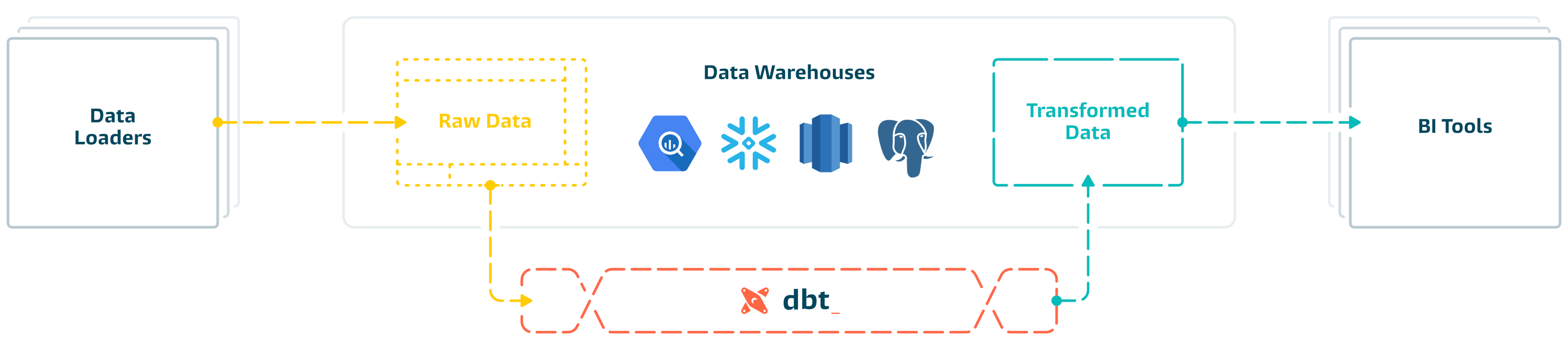
|
||||
|
||||
## Understanding dbt
|
||||
|
||||
Analysts using dbt can transform their data by simply writing select statements, while dbt handles turning these statements into tables and views in a data warehouse.
|
||||
|
||||
These select statements, or "models", form a dbt project. Models frequently build on top of one another – dbt makes it easy to [manage relationships](https://docs.getdbt.com/docs/ref) between models, and [visualize these relationships](https://docs.getdbt.com/docs/documentation), as well as assure the quality of your transformations through [testing](https://docs.getdbt.com/docs/testing).
|
||||
|
||||
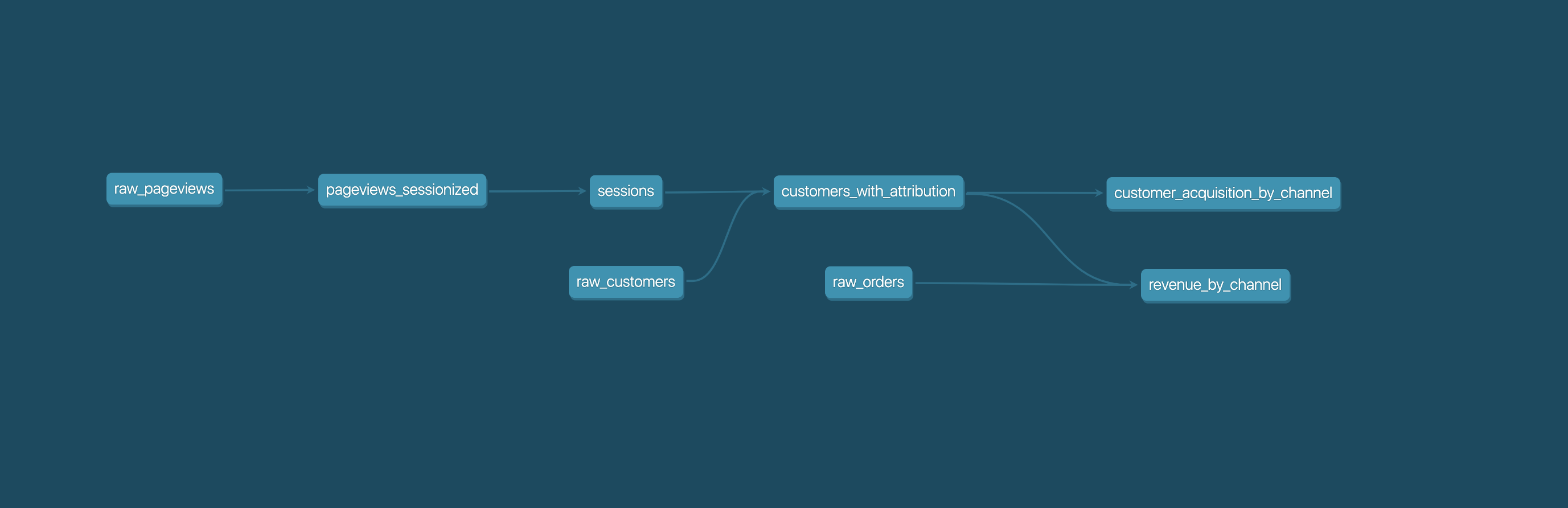
|
||||
|
||||
## Getting started
|
||||
|
||||
- [Install dbt](https://docs.getdbt.com/docs/installation)
|
||||
- Read the [introduction](https://docs.getdbt.com/docs/introduction/) and [viewpoint](https://docs.getdbt.com/docs/about/viewpoint/)
|
||||
|
||||
## Join the dbt Community
|
||||
|
||||
- Be part of the conversation in the [dbt Community Slack](http://community.getdbt.com/)
|
||||
- Read more on the [dbt Community Discourse](https://discourse.getdbt.com)
|
||||
|
||||
## Reporting bugs and contributing code
|
||||
|
||||
- Want to report a bug or request a feature? Let us know on [Slack](http://community.getdbt.com/), or open [an issue](https://github.com/dbt-labs/dbt-core/issues/new)
|
||||
- Want to help us build dbt? Check out the [Contributing Guide](https://github.com/dbt-labs/dbt-core/blob/HEAD/CONTRIBUTING.md)
|
||||
|
||||
## Code of Conduct
|
||||
|
||||
Everyone interacting in the dbt project's codebases, issue trackers, chat rooms, and mailing lists is expected to follow the [dbt Code of Conduct](https://community.getdbt.com/code-of-conduct).
|
||||
@@ -1,52 +0,0 @@
|
||||
# core/dbt directory README
|
||||
|
||||
## The following are individual files in this directory.
|
||||
|
||||
### deprecations.py
|
||||
|
||||
### flags.py
|
||||
|
||||
### main.py
|
||||
|
||||
### tracking.py
|
||||
|
||||
### version.py
|
||||
|
||||
### lib.py
|
||||
|
||||
### node_types.py
|
||||
|
||||
### helper_types.py
|
||||
|
||||
### links.py
|
||||
|
||||
### semver.py
|
||||
|
||||
### ui.py
|
||||
|
||||
### compilation.py
|
||||
|
||||
### dataclass_schema.py
|
||||
|
||||
### exceptions.py
|
||||
|
||||
### hooks.py
|
||||
|
||||
### logger.py
|
||||
|
||||
### profiler.py
|
||||
|
||||
### utils.py
|
||||
|
||||
|
||||
## The subdirectories will be documented in a README in the subdirectory
|
||||
* config
|
||||
* include
|
||||
* adapters
|
||||
* context
|
||||
* deps
|
||||
* graph
|
||||
* task
|
||||
* clients
|
||||
* events
|
||||
|
||||
@@ -1 +0,0 @@
|
||||
# Adapters README
|
||||
@@ -18,17 +18,7 @@ from dbt.contracts.graph.manifest import Manifest
|
||||
from dbt.adapters.base.query_headers import (
|
||||
MacroQueryStringSetter,
|
||||
)
|
||||
from dbt.events.functions import fire_event
|
||||
from dbt.events.types import (
|
||||
NewConnection,
|
||||
ConnectionReused,
|
||||
ConnectionLeftOpen,
|
||||
ConnectionLeftOpen2,
|
||||
ConnectionClosed,
|
||||
ConnectionClosed2,
|
||||
Rollback,
|
||||
RollbackFailed
|
||||
)
|
||||
from dbt.logger import GLOBAL_LOGGER as logger
|
||||
from dbt import flags
|
||||
|
||||
|
||||
@@ -146,10 +136,14 @@ class BaseConnectionManager(metaclass=abc.ABCMeta):
|
||||
if conn.name == conn_name and conn.state == 'open':
|
||||
return conn
|
||||
|
||||
fire_event(NewConnection(conn_name=conn_name, conn_type=self.TYPE))
|
||||
logger.debug(
|
||||
'Acquiring new {} connection "{}".'.format(self.TYPE, conn_name))
|
||||
|
||||
if conn.state == 'open':
|
||||
fire_event(ConnectionReused(conn_name=conn_name))
|
||||
logger.debug(
|
||||
'Re-using an available connection from the pool (formerly {}).'
|
||||
.format(conn.name)
|
||||
)
|
||||
else:
|
||||
conn.handle = LazyHandle(self.open)
|
||||
|
||||
@@ -196,9 +190,11 @@ class BaseConnectionManager(metaclass=abc.ABCMeta):
|
||||
with self.lock:
|
||||
for connection in self.thread_connections.values():
|
||||
if connection.state not in {'closed', 'init'}:
|
||||
fire_event(ConnectionLeftOpen(conn_name=connection.name))
|
||||
logger.debug("Connection '{}' was left open."
|
||||
.format(connection.name))
|
||||
else:
|
||||
fire_event(ConnectionClosed(conn_name=connection.name))
|
||||
logger.debug("Connection '{}' was properly closed."
|
||||
.format(connection.name))
|
||||
self.close(connection)
|
||||
|
||||
# garbage collect these connections
|
||||
@@ -224,17 +220,20 @@ class BaseConnectionManager(metaclass=abc.ABCMeta):
|
||||
try:
|
||||
connection.handle.rollback()
|
||||
except Exception:
|
||||
fire_event(RollbackFailed(conn_name=connection.name))
|
||||
logger.debug(
|
||||
'Failed to rollback {}'.format(connection.name),
|
||||
exc_info=True
|
||||
)
|
||||
|
||||
@classmethod
|
||||
def _close_handle(cls, connection: Connection) -> None:
|
||||
"""Perform the actual close operation."""
|
||||
# On windows, sometimes connection handles don't have a close() attr.
|
||||
if hasattr(connection.handle, 'close'):
|
||||
fire_event(ConnectionClosed2(conn_name=connection.name))
|
||||
logger.debug(f'On {connection.name}: Close')
|
||||
connection.handle.close()
|
||||
else:
|
||||
fire_event(ConnectionLeftOpen2(conn_name=connection.name))
|
||||
logger.debug(f'On {connection.name}: No close available on handle')
|
||||
|
||||
@classmethod
|
||||
def _rollback(cls, connection: Connection) -> None:
|
||||
@@ -245,7 +244,7 @@ class BaseConnectionManager(metaclass=abc.ABCMeta):
|
||||
f'"{connection.name}", but it does not have one open!'
|
||||
)
|
||||
|
||||
fire_event(Rollback(conn_name=connection.name))
|
||||
logger.debug(f'On {connection.name}: ROLLBACK')
|
||||
cls._rollback_handle(connection)
|
||||
|
||||
connection.transaction_open = False
|
||||
@@ -257,7 +256,7 @@ class BaseConnectionManager(metaclass=abc.ABCMeta):
|
||||
return connection
|
||||
|
||||
if connection.transaction_open and connection.handle:
|
||||
fire_event(Rollback(conn_name=connection.name))
|
||||
logger.debug('On {}: ROLLBACK'.format(connection.name))
|
||||
cls._rollback_handle(connection)
|
||||
connection.transaction_open = False
|
||||
|
||||
|
||||
@@ -29,8 +29,7 @@ from dbt.contracts.graph.compiled import (
|
||||
from dbt.contracts.graph.manifest import Manifest, MacroManifest
|
||||
from dbt.contracts.graph.parsed import ParsedSeedNode
|
||||
from dbt.exceptions import warn_or_error
|
||||
from dbt.events.functions import fire_event
|
||||
from dbt.events.types import CacheMiss, ListRelations
|
||||
from dbt.logger import GLOBAL_LOGGER as logger
|
||||
from dbt.utils import filter_null_values, executor
|
||||
|
||||
from dbt.adapters.base.connections import Connection, AdapterResponse
|
||||
@@ -39,7 +38,7 @@ from dbt.adapters.base.relation import (
|
||||
ComponentName, BaseRelation, InformationSchema, SchemaSearchMap
|
||||
)
|
||||
from dbt.adapters.base import Column as BaseColumn
|
||||
from dbt.adapters.cache import RelationsCache, _make_key
|
||||
from dbt.adapters.cache import RelationsCache
|
||||
|
||||
|
||||
SeedModel = Union[ParsedSeedNode, CompiledSeedNode]
|
||||
@@ -289,12 +288,9 @@ class BaseAdapter(metaclass=AdapterMeta):
|
||||
"""Check if the schema is cached, and by default logs if it is not."""
|
||||
|
||||
if (database, schema) not in self.cache:
|
||||
fire_event(
|
||||
CacheMiss(
|
||||
conn_name=self.nice_connection_name(),
|
||||
database=database,
|
||||
schema=schema
|
||||
)
|
||||
logger.debug(
|
||||
'On "{}": cache miss for schema "{}.{}", this is inefficient'
|
||||
.format(self.nice_connection_name(), database, schema)
|
||||
)
|
||||
return False
|
||||
else:
|
||||
@@ -676,12 +672,9 @@ class BaseAdapter(metaclass=AdapterMeta):
|
||||
relations = self.list_relations_without_caching(
|
||||
schema_relation
|
||||
)
|
||||
fire_event(ListRelations(
|
||||
database=database,
|
||||
schema=schema,
|
||||
relations=[_make_key(x) for x in relations]
|
||||
))
|
||||
|
||||
logger.debug('with database={}, schema={}, relations={}'
|
||||
.format(database, schema, relations))
|
||||
return relations
|
||||
|
||||
def _make_match_kwargs(
|
||||
@@ -975,10 +968,10 @@ class BaseAdapter(metaclass=AdapterMeta):
|
||||
'dbt could not find a macro with the name "{}" in {}'
|
||||
.format(macro_name, package_name)
|
||||
)
|
||||
# This causes a reference cycle, as generate_runtime_macro_context()
|
||||
# This causes a reference cycle, as generate_runtime_macro()
|
||||
# ends up calling get_adapter, so the import has to be here.
|
||||
from dbt.context.providers import generate_runtime_macro_context
|
||||
macro_context = generate_runtime_macro_context(
|
||||
from dbt.context.providers import generate_runtime_macro
|
||||
macro_context = generate_runtime_macro(
|
||||
macro=macro,
|
||||
config=self.config,
|
||||
manifest=manifest,
|
||||
|
||||
@@ -89,10 +89,7 @@ class BaseRelation(FakeAPIObject, Hashable):
|
||||
if not self._is_exactish_match(k, v):
|
||||
exact_match = False
|
||||
|
||||
if (
|
||||
self.path.get_lowered_part(k).strip(self.quote_character) !=
|
||||
v.lower().strip(self.quote_character)
|
||||
):
|
||||
if self.path.get_lowered_part(k) != v.lower():
|
||||
approximate_match = False
|
||||
|
||||
if approximate_match and not exact_match:
|
||||
|
||||
@@ -1,27 +1,23 @@
|
||||
import threading
|
||||
from collections import namedtuple
|
||||
from copy import deepcopy
|
||||
from typing import Any, Dict, Iterable, List, Optional, Set, Tuple
|
||||
from typing import List, Iterable, Optional, Dict, Set, Tuple, Any
|
||||
import threading
|
||||
|
||||
from dbt.adapters.reference_keys import _make_key, _ReferenceKey
|
||||
import dbt.exceptions
|
||||
from dbt.events.functions import fire_event
|
||||
from dbt.events.types import (
|
||||
AddLink,
|
||||
AddRelation,
|
||||
DropCascade,
|
||||
DropMissingRelation,
|
||||
DropRelation,
|
||||
DumpAfterAddGraph,
|
||||
DumpAfterRenameSchema,
|
||||
DumpBeforeAddGraph,
|
||||
DumpBeforeRenameSchema,
|
||||
RenameSchema,
|
||||
TemporaryRelation,
|
||||
UncachedRelation,
|
||||
UpdateReference
|
||||
)
|
||||
from dbt.logger import CACHE_LOGGER as logger
|
||||
from dbt.utils import lowercase
|
||||
from dbt.helper_types import Lazy
|
||||
import dbt.exceptions
|
||||
|
||||
_ReferenceKey = namedtuple('_ReferenceKey', 'database schema identifier')
|
||||
|
||||
|
||||
def _make_key(relation) -> _ReferenceKey:
|
||||
"""Make _ReferenceKeys with lowercase values for the cache so we don't have
|
||||
to keep track of quoting
|
||||
"""
|
||||
# databases and schemas can both be None
|
||||
return _ReferenceKey(lowercase(relation.database),
|
||||
lowercase(relation.schema),
|
||||
lowercase(relation.identifier))
|
||||
|
||||
|
||||
def dot_separated(key: _ReferenceKey) -> str:
|
||||
@@ -161,6 +157,12 @@ class _CachedRelation:
|
||||
return [dot_separated(r) for r in self.referenced_by]
|
||||
|
||||
|
||||
def lazy_log(msg, func):
|
||||
if logger.disabled:
|
||||
return
|
||||
logger.debug(msg.format(func()))
|
||||
|
||||
|
||||
class RelationsCache:
|
||||
"""A cache of the relations known to dbt. Keeps track of relationships
|
||||
declared between tables and handles renames/drops as a real database would.
|
||||
@@ -276,7 +278,6 @@ class RelationsCache:
|
||||
|
||||
referenced.add_reference(dependent)
|
||||
|
||||
# TODO: Is this dead code? I can't seem to find it grepping the codebase.
|
||||
def add_link(self, referenced, dependent):
|
||||
"""Add a link between two relations to the database. If either relation
|
||||
does not exist, it will be added as an "external" relation.
|
||||
@@ -292,12 +293,15 @@ class RelationsCache:
|
||||
:raises InternalError: If either entry does not exist.
|
||||
"""
|
||||
ref_key = _make_key(referenced)
|
||||
dep_key = _make_key(dependent)
|
||||
if (ref_key.database, ref_key.schema) not in self:
|
||||
# if we have not cached the referenced schema at all, we must be
|
||||
# referring to a table outside our control. There's no need to make
|
||||
# a link - we will never drop the referenced relation during a run.
|
||||
fire_event(UncachedRelation(dep_key=dep_key, ref_key=ref_key))
|
||||
logger.debug(
|
||||
'{dep!s} references {ref!s} but {ref.database}.{ref.schema} '
|
||||
'is not in the cache, skipping assumed external relation'
|
||||
.format(dep=dependent, ref=ref_key)
|
||||
)
|
||||
return
|
||||
if ref_key not in self.relations:
|
||||
# Insert a dummy "external" relation.
|
||||
@@ -305,13 +309,17 @@ class RelationsCache:
|
||||
type=referenced.External
|
||||
)
|
||||
self.add(referenced)
|
||||
|
||||
dep_key = _make_key(dependent)
|
||||
if dep_key not in self.relations:
|
||||
# Insert a dummy "external" relation.
|
||||
dependent = dependent.replace(
|
||||
type=referenced.External
|
||||
)
|
||||
self.add(dependent)
|
||||
fire_event(AddLink(dep_key=dep_key, ref_key=ref_key))
|
||||
logger.debug(
|
||||
'adding link, {!s} references {!s}'.format(dep_key, ref_key)
|
||||
)
|
||||
with self.lock:
|
||||
self._add_link(ref_key, dep_key)
|
||||
|
||||
@@ -322,12 +330,14 @@ class RelationsCache:
|
||||
:param BaseRelation relation: The underlying relation.
|
||||
"""
|
||||
cached = _CachedRelation(relation)
|
||||
fire_event(AddRelation(relation=_make_key(cached)))
|
||||
fire_event(DumpBeforeAddGraph(dump=Lazy.defer(lambda: self.dump_graph())))
|
||||
logger.debug('Adding relation: {!s}'.format(cached))
|
||||
|
||||
lazy_log('before adding: {!s}', self.dump_graph)
|
||||
|
||||
with self.lock:
|
||||
self._setdefault(cached)
|
||||
fire_event(DumpAfterAddGraph(dump=Lazy.defer(lambda: self.dump_graph())))
|
||||
|
||||
lazy_log('after adding: {!s}', self.dump_graph)
|
||||
|
||||
def _remove_refs(self, keys):
|
||||
"""Removes all references to all entries in keys. This does not
|
||||
@@ -342,17 +352,20 @@ class RelationsCache:
|
||||
for cached in self.relations.values():
|
||||
cached.release_references(keys)
|
||||
|
||||
def _drop_cascade_relation(self, dropped_key):
|
||||
def _drop_cascade_relation(self, dropped):
|
||||
"""Drop the given relation and cascade it appropriately to all
|
||||
dependent relations.
|
||||
|
||||
:param _CachedRelation dropped: An existing _CachedRelation to drop.
|
||||
"""
|
||||
if dropped_key not in self.relations:
|
||||
fire_event(DropMissingRelation(relation=dropped_key))
|
||||
if dropped not in self.relations:
|
||||
logger.debug('dropped a nonexistent relationship: {!s}'
|
||||
.format(dropped))
|
||||
return
|
||||
consequences = self.relations[dropped_key].collect_consequences()
|
||||
fire_event(DropCascade(dropped=dropped_key, consequences=consequences))
|
||||
consequences = self.relations[dropped].collect_consequences()
|
||||
logger.debug(
|
||||
'drop {} is cascading to {}'.format(dropped, consequences)
|
||||
)
|
||||
self._remove_refs(consequences)
|
||||
|
||||
def drop(self, relation):
|
||||
@@ -366,10 +379,10 @@ class RelationsCache:
|
||||
:param str schema: The schema of the relation to drop.
|
||||
:param str identifier: The identifier of the relation to drop.
|
||||
"""
|
||||
dropped_key = _make_key(relation)
|
||||
fire_event(DropRelation(dropped=dropped_key))
|
||||
dropped = _make_key(relation)
|
||||
logger.debug('Dropping relation: {!s}'.format(dropped))
|
||||
with self.lock:
|
||||
self._drop_cascade_relation(dropped_key)
|
||||
self._drop_cascade_relation(dropped)
|
||||
|
||||
def _rename_relation(self, old_key, new_relation):
|
||||
"""Rename a relation named old_key to new_key, updating references.
|
||||
@@ -390,8 +403,9 @@ class RelationsCache:
|
||||
# update all the relations that refer to it
|
||||
for cached in self.relations.values():
|
||||
if cached.is_referenced_by(old_key):
|
||||
fire_event(
|
||||
UpdateReference(old_key=old_key, new_key=new_key, cached_key=cached.key())
|
||||
logger.debug(
|
||||
'updated reference from {0} -> {2} to {1} -> {2}'
|
||||
.format(old_key, new_key, cached.key())
|
||||
)
|
||||
cached.rename_key(old_key, new_key)
|
||||
|
||||
@@ -421,7 +435,10 @@ class RelationsCache:
|
||||
)
|
||||
|
||||
if old_key not in self.relations:
|
||||
fire_event(TemporaryRelation(key=old_key))
|
||||
logger.debug(
|
||||
'old key {} not found in self.relations, assuming temporary'
|
||||
.format(old_key)
|
||||
)
|
||||
return False
|
||||
return True
|
||||
|
||||
@@ -439,9 +456,11 @@ class RelationsCache:
|
||||
"""
|
||||
old_key = _make_key(old)
|
||||
new_key = _make_key(new)
|
||||
fire_event(RenameSchema(old_key=old_key, new_key=new_key))
|
||||
logger.debug('Renaming relation {!s} to {!s}'.format(
|
||||
old_key, new_key
|
||||
))
|
||||
|
||||
fire_event(DumpBeforeRenameSchema(dump=Lazy.defer(lambda: self.dump_graph())))
|
||||
lazy_log('before rename: {!s}', self.dump_graph)
|
||||
|
||||
with self.lock:
|
||||
if self._check_rename_constraints(old_key, new_key):
|
||||
@@ -449,7 +468,7 @@ class RelationsCache:
|
||||
else:
|
||||
self._setdefault(_CachedRelation(new))
|
||||
|
||||
fire_event(DumpAfterRenameSchema(dump=Lazy.defer(lambda: self.dump_graph())))
|
||||
lazy_log('after rename: {!s}', self.dump_graph)
|
||||
|
||||
def get_relations(
|
||||
self, database: Optional[str], schema: Optional[str]
|
||||
|
||||
@@ -8,9 +8,10 @@ from dbt.include.global_project import (
|
||||
PACKAGE_PATH as GLOBAL_PROJECT_PATH,
|
||||
PROJECT_NAME as GLOBAL_PROJECT_NAME,
|
||||
)
|
||||
from dbt.events.functions import fire_event
|
||||
from dbt.events.types import AdapterImportError, PluginLoadError
|
||||
from dbt.logger import GLOBAL_LOGGER as logger
|
||||
from dbt.contracts.connection import Credentials, AdapterRequiredConfig
|
||||
|
||||
|
||||
from dbt.adapters.protocol import (
|
||||
AdapterProtocol,
|
||||
AdapterConfig,
|
||||
@@ -66,12 +67,11 @@ class AdapterContainer:
|
||||
# if we failed to import the target module in particular, inform
|
||||
# the user about it via a runtime error
|
||||
if exc.name == 'dbt.adapters.' + name:
|
||||
fire_event(AdapterImportError(exc=exc))
|
||||
raise RuntimeException(f'Could not find adapter type {name}!')
|
||||
logger.info(f'Error importing adapter: {exc}')
|
||||
# otherwise, the error had to have come from some underlying
|
||||
# library. Log the stack trace.
|
||||
|
||||
fire_event(PluginLoadError())
|
||||
logger.debug('', exc_info=True)
|
||||
raise
|
||||
plugin: AdapterPlugin = mod.Plugin
|
||||
plugin_type = plugin.adapter.type()
|
||||
|
||||
@@ -1,24 +0,0 @@
|
||||
# this module exists to resolve circular imports with the events module
|
||||
|
||||
from collections import namedtuple
|
||||
from typing import Optional
|
||||
|
||||
|
||||
_ReferenceKey = namedtuple('_ReferenceKey', 'database schema identifier')
|
||||
|
||||
|
||||
def lowercase(value: Optional[str]) -> Optional[str]:
|
||||
if value is None:
|
||||
return None
|
||||
else:
|
||||
return value.lower()
|
||||
|
||||
|
||||
def _make_key(relation) -> _ReferenceKey:
|
||||
"""Make _ReferenceKeys with lowercase values for the cache so we don't have
|
||||
to keep track of quoting
|
||||
"""
|
||||
# databases and schemas can both be None
|
||||
return _ReferenceKey(lowercase(relation.database),
|
||||
lowercase(relation.schema),
|
||||
lowercase(relation.identifier))
|
||||
@@ -10,8 +10,7 @@ from dbt.adapters.base import BaseConnectionManager
|
||||
from dbt.contracts.connection import (
|
||||
Connection, ConnectionState, AdapterResponse
|
||||
)
|
||||
from dbt.events.functions import fire_event
|
||||
from dbt.events.types import ConnectionUsed, SQLQuery, SQLCommit, SQLQueryStatus
|
||||
from dbt.logger import GLOBAL_LOGGER as logger
|
||||
|
||||
|
||||
class SQLConnectionManager(BaseConnectionManager):
|
||||
@@ -59,7 +58,9 @@ class SQLConnectionManager(BaseConnectionManager):
|
||||
connection = self.get_thread_connection()
|
||||
if auto_begin and connection.transaction_open is False:
|
||||
self.begin()
|
||||
fire_event(ConnectionUsed(conn_type=self.TYPE, conn_name=connection.name))
|
||||
|
||||
logger.debug('Using {} connection "{}".'
|
||||
.format(self.TYPE, connection.name))
|
||||
|
||||
with self.exception_handler(sql):
|
||||
if abridge_sql_log:
|
||||
@@ -67,17 +68,19 @@ class SQLConnectionManager(BaseConnectionManager):
|
||||
else:
|
||||
log_sql = sql
|
||||
|
||||
fire_event(SQLQuery(conn_name=connection.name, sql=log_sql))
|
||||
logger.debug(
|
||||
'On {connection_name}: {sql}',
|
||||
connection_name=connection.name,
|
||||
sql=log_sql,
|
||||
)
|
||||
pre = time.time()
|
||||
|
||||
cursor = connection.handle.cursor()
|
||||
cursor.execute(sql, bindings)
|
||||
|
||||
fire_event(
|
||||
SQLQueryStatus(
|
||||
status=str(self.get_response(cursor)),
|
||||
elapsed=round((time.time() - pre), 2)
|
||||
)
|
||||
logger.debug(
|
||||
"SQL status: {status} in {elapsed:0.2f} seconds",
|
||||
status=self.get_response(cursor),
|
||||
elapsed=(time.time() - pre)
|
||||
)
|
||||
|
||||
return connection, cursor
|
||||
@@ -157,7 +160,7 @@ class SQLConnectionManager(BaseConnectionManager):
|
||||
'Tried to commit transaction on connection "{}", but '
|
||||
'it does not have one open!'.format(connection.name))
|
||||
|
||||
fire_event(SQLCommit(conn_name=connection.name))
|
||||
logger.debug('On {}: COMMIT'.format(connection.name))
|
||||
self.add_commit_query()
|
||||
|
||||
connection.transaction_open = False
|
||||
|
||||
@@ -5,11 +5,8 @@ import dbt.clients.agate_helper
|
||||
from dbt.contracts.connection import Connection
|
||||
import dbt.exceptions
|
||||
from dbt.adapters.base import BaseAdapter, available
|
||||
from dbt.adapters.cache import _make_key
|
||||
from dbt.adapters.sql import SQLConnectionManager
|
||||
from dbt.events.functions import fire_event
|
||||
from dbt.events.types import ColTypeChange, SchemaCreation, SchemaDrop
|
||||
|
||||
from dbt.logger import GLOBAL_LOGGER as logger
|
||||
|
||||
from dbt.adapters.base.relation import BaseRelation
|
||||
|
||||
@@ -119,13 +116,8 @@ class SQLAdapter(BaseAdapter):
|
||||
target_column.can_expand_to(reference_column):
|
||||
col_string_size = reference_column.string_size()
|
||||
new_type = self.Column.string_type(col_string_size)
|
||||
fire_event(
|
||||
ColTypeChange(
|
||||
orig_type=target_column.data_type,
|
||||
new_type=new_type,
|
||||
table=_make_key(current),
|
||||
)
|
||||
)
|
||||
logger.debug("Changing col type from {} to {} in table {}",
|
||||
target_column.data_type, new_type, current)
|
||||
|
||||
self.alter_column_type(current, column_name, new_type)
|
||||
|
||||
@@ -183,7 +175,7 @@ class SQLAdapter(BaseAdapter):
|
||||
|
||||
def create_schema(self, relation: BaseRelation) -> None:
|
||||
relation = relation.without_identifier()
|
||||
fire_event(SchemaCreation(relation=_make_key(relation)))
|
||||
logger.debug('Creating schema "{}"', relation)
|
||||
kwargs = {
|
||||
'relation': relation,
|
||||
}
|
||||
@@ -194,7 +186,7 @@ class SQLAdapter(BaseAdapter):
|
||||
|
||||
def drop_schema(self, relation: BaseRelation) -> None:
|
||||
relation = relation.without_identifier()
|
||||
fire_event(SchemaDrop(relation=_make_key(relation)))
|
||||
logger.debug('Dropping schema "{}".', relation)
|
||||
kwargs = {
|
||||
'relation': relation,
|
||||
}
|
||||
|
||||
@@ -1 +0,0 @@
|
||||
# Clients README
|
||||
@@ -13,18 +13,6 @@ from dbt.exceptions import RuntimeException
|
||||
BOM = BOM_UTF8.decode('utf-8') # '\ufeff'
|
||||
|
||||
|
||||
class Number(agate.data_types.Number):
|
||||
# undo the change in https://github.com/wireservice/agate/pull/733
|
||||
# i.e. do not cast True and False to numeric 1 and 0
|
||||
def cast(self, d):
|
||||
if type(d) == bool:
|
||||
raise agate.exceptions.CastError(
|
||||
'Do not cast True to 1 or False to 0.'
|
||||
)
|
||||
else:
|
||||
return super().cast(d)
|
||||
|
||||
|
||||
class ISODateTime(agate.data_types.DateTime):
|
||||
def cast(self, d):
|
||||
# this is agate.data_types.DateTime.cast with the "clever" bits removed
|
||||
@@ -53,7 +41,7 @@ def build_type_tester(
|
||||
) -> agate.TypeTester:
|
||||
|
||||
types = [
|
||||
Number(null_values=('null', '')),
|
||||
agate.data_types.Number(null_values=('null', '')),
|
||||
agate.data_types.Date(null_values=('null', ''),
|
||||
date_format='%Y-%m-%d'),
|
||||
agate.data_types.DateTime(null_values=('null', ''),
|
||||
|
||||
@@ -8,10 +8,7 @@ from dbt.events.types import (
|
||||
GitProgressUpdatingExistingDependency, GitProgressPullingNewDependency,
|
||||
GitNothingToDo, GitProgressUpdatedCheckoutRange, GitProgressCheckedOutAt
|
||||
)
|
||||
from dbt.exceptions import (
|
||||
CommandResultError, RuntimeException, bad_package_spec, raise_git_cloning_error,
|
||||
raise_git_cloning_problem
|
||||
)
|
||||
import dbt.exceptions
|
||||
from packaging import version
|
||||
|
||||
|
||||
@@ -20,16 +17,6 @@ def _is_commit(revision: str) -> bool:
|
||||
return bool(re.match(r"\b[0-9a-f]{40}\b", revision))
|
||||
|
||||
|
||||
def _raise_git_cloning_error(repo, revision, error):
|
||||
stderr = error.stderr.decode('utf-8').strip()
|
||||
if 'usage: git' in stderr:
|
||||
stderr = stderr.split('\nusage: git')[0]
|
||||
if re.match("fatal: destination path '(.+)' already exists", stderr):
|
||||
raise_git_cloning_error(error)
|
||||
|
||||
bad_package_spec(repo, revision, stderr)
|
||||
|
||||
|
||||
def clone(repo, cwd, dirname=None, remove_git_dir=False, revision=None, subdirectory=None):
|
||||
has_revision = revision is not None
|
||||
is_commit = _is_commit(revision or "")
|
||||
@@ -54,18 +41,10 @@ def clone(repo, cwd, dirname=None, remove_git_dir=False, revision=None, subdirec
|
||||
|
||||
if dirname is not None:
|
||||
clone_cmd.append(dirname)
|
||||
try:
|
||||
result = run_cmd(cwd, clone_cmd, env={'LC_ALL': 'C'})
|
||||
except CommandResultError as exc:
|
||||
_raise_git_cloning_error(repo, revision, exc)
|
||||
result = run_cmd(cwd, clone_cmd, env={'LC_ALL': 'C'})
|
||||
|
||||
if subdirectory:
|
||||
cwd_subdir = os.path.join(cwd, dirname or '')
|
||||
clone_cmd_subdir = ['git', 'sparse-checkout', 'set', subdirectory]
|
||||
try:
|
||||
run_cmd(cwd_subdir, clone_cmd_subdir)
|
||||
except CommandResultError as exc:
|
||||
_raise_git_cloning_error(repo, revision, exc)
|
||||
run_cmd(os.path.join(cwd, dirname or ''), ['git', 'sparse-checkout', 'set', subdirectory])
|
||||
|
||||
if remove_git_dir:
|
||||
rmdir(os.path.join(dirname, '.git'))
|
||||
@@ -108,9 +87,9 @@ def checkout(cwd, repo, revision=None):
|
||||
revision = 'HEAD'
|
||||
try:
|
||||
return _checkout(cwd, repo, revision)
|
||||
except CommandResultError as exc:
|
||||
except dbt.exceptions.CommandResultError as exc:
|
||||
stderr = exc.stderr.decode('utf-8').strip()
|
||||
bad_package_spec(repo, revision, stderr)
|
||||
dbt.exceptions.bad_package_spec(repo, revision, stderr)
|
||||
|
||||
|
||||
def get_current_sha(cwd):
|
||||
@@ -134,11 +113,11 @@ def clone_and_checkout(repo, cwd, dirname=None, remove_git_dir=False,
|
||||
remove_git_dir=remove_git_dir,
|
||||
subdirectory=subdirectory,
|
||||
)
|
||||
except CommandResultError as exc:
|
||||
except dbt.exceptions.CommandResultError as exc:
|
||||
err = exc.stderr.decode('utf-8')
|
||||
exists = re.match("fatal: destination path '(.+)' already exists", err)
|
||||
if not exists:
|
||||
raise_git_cloning_problem(repo)
|
||||
if not exists: # something else is wrong, raise it
|
||||
raise
|
||||
|
||||
directory = None
|
||||
start_sha = None
|
||||
@@ -148,7 +127,7 @@ def clone_and_checkout(repo, cwd, dirname=None, remove_git_dir=False,
|
||||
else:
|
||||
matches = re.match("Cloning into '(.+)'", err.decode('utf-8'))
|
||||
if matches is None:
|
||||
raise RuntimeException(
|
||||
raise dbt.exceptions.RuntimeException(
|
||||
f'Error cloning {repo} - never saw "Cloning into ..." from git'
|
||||
)
|
||||
directory = matches.group(1)
|
||||
|
||||
@@ -21,7 +21,7 @@ import jinja2.sandbox
|
||||
|
||||
from dbt.utils import (
|
||||
get_dbt_macro_name, get_docs_macro_name, get_materialization_macro_name,
|
||||
get_test_macro_name, deep_map_render
|
||||
get_test_macro_name, deep_map
|
||||
)
|
||||
|
||||
from dbt.clients._jinja_blocks import BlockIterator, BlockData, BlockTag
|
||||
@@ -660,7 +660,5 @@ def add_rendered_test_kwargs(
|
||||
|
||||
return value
|
||||
|
||||
# The test_metadata.kwargs come from the test builder, and were set
|
||||
# when the test node was created in _parse_generic_test.
|
||||
kwargs = deep_map_render(_convert_function, node.test_metadata.kwargs)
|
||||
kwargs = deep_map(_convert_function, node.test_metadata.kwargs)
|
||||
context[GENERIC_TEST_KWARGS_NAME] = kwargs
|
||||
|
||||
@@ -33,15 +33,6 @@ def _get(path, registry_base_url=None):
|
||||
resp = requests.get(url, timeout=30)
|
||||
fire_event(RegistryProgressGETResponse(url=url, resp_code=resp.status_code))
|
||||
resp.raise_for_status()
|
||||
|
||||
# It is unexpected for the content of the response to be None so if it is, raising this error
|
||||
# will cause this function to retry (if called within _get_with_retries) and hopefully get
|
||||
# a response. This seems to happen when there's an issue with the Hub.
|
||||
# See https://github.com/dbt-labs/dbt-core/issues/4577
|
||||
if resp.json() is None:
|
||||
raise requests.exceptions.ContentDecodingError(
|
||||
'Request error: The response is None', response=resp
|
||||
)
|
||||
return resp.json()
|
||||
|
||||
|
||||
|
||||
@@ -441,7 +441,7 @@ def run_cmd(
|
||||
fire_event(SystemStdErrMsg(bmsg=err))
|
||||
|
||||
if proc.returncode != 0:
|
||||
fire_event(SystemReportReturnCode(returncode=proc.returncode))
|
||||
fire_event(SystemReportReturnCode(code=proc.returncode))
|
||||
raise dbt.exceptions.CommandResultError(cwd, cmd, proc.returncode,
|
||||
out, err)
|
||||
|
||||
@@ -485,7 +485,7 @@ def untar_package(
|
||||
) -> None:
|
||||
tar_path = convert_path(tar_path)
|
||||
tar_dir_name = None
|
||||
with tarfile.open(tar_path, 'r:gz') as tarball:
|
||||
with tarfile.open(tar_path, 'r') as tarball:
|
||||
tarball.extractall(dest_dir)
|
||||
tar_dir_name = os.path.commonprefix(tarball.getnames())
|
||||
if rename_to:
|
||||
|
||||
@@ -3,14 +3,13 @@ from collections import defaultdict
|
||||
from typing import List, Dict, Any, Tuple, cast, Optional
|
||||
|
||||
import networkx as nx # type: ignore
|
||||
import pickle
|
||||
import sqlparse
|
||||
|
||||
from dbt import flags
|
||||
from dbt.adapters.factory import get_adapter
|
||||
from dbt.clients import jinja
|
||||
from dbt.clients.system import make_directory
|
||||
from dbt.context.providers import generate_runtime_model_context
|
||||
from dbt.context.providers import generate_runtime_model
|
||||
from dbt.contracts.graph.manifest import Manifest, UniqueID
|
||||
from dbt.contracts.graph.compiled import (
|
||||
COMPILED_TYPES,
|
||||
@@ -27,10 +26,9 @@ from dbt.exceptions import (
|
||||
RuntimeException,
|
||||
)
|
||||
from dbt.graph import Graph
|
||||
from dbt.events.functions import fire_event
|
||||
from dbt.events.types import FoundStats, CompilingNode, WritingInjectedSQLForNode
|
||||
from dbt.logger import GLOBAL_LOGGER as logger
|
||||
from dbt.node_types import NodeType
|
||||
from dbt.events.format import pluralize
|
||||
from dbt.utils import pluralize
|
||||
import dbt.tracking
|
||||
|
||||
graph_file_name = 'graph.gpickle'
|
||||
@@ -55,7 +53,6 @@ def print_compile_stats(stats):
|
||||
NodeType.Seed: 'seed file',
|
||||
NodeType.Source: 'source',
|
||||
NodeType.Exposure: 'exposure',
|
||||
NodeType.Metric: 'metric'
|
||||
}
|
||||
|
||||
results = {k: 0 for k in names.keys()}
|
||||
@@ -71,7 +68,7 @@ def print_compile_stats(stats):
|
||||
if t in names
|
||||
])
|
||||
|
||||
fire_event(FoundStats(stat_line=stat_line))
|
||||
logger.info("Found {}".format(stat_line))
|
||||
|
||||
|
||||
def _node_enabled(node: ManifestNode):
|
||||
@@ -92,8 +89,6 @@ def _generate_stats(manifest: Manifest):
|
||||
stats[source.resource_type] += 1
|
||||
for exposure in manifest.exposures.values():
|
||||
stats[exposure.resource_type] += 1
|
||||
for metric in manifest.metrics.values():
|
||||
stats[metric.resource_type] += 1
|
||||
for macro in manifest.macros.values():
|
||||
stats[macro.resource_type] += 1
|
||||
return stats
|
||||
@@ -163,8 +158,7 @@ class Linker:
|
||||
for node_id in self.graph:
|
||||
data = manifest.expect(node_id).to_dict(omit_none=True)
|
||||
out_graph.add_node(node_id, **data)
|
||||
with open(outfile, 'wb') as outfh:
|
||||
pickle.dump(out_graph, outfh, protocol=pickle.HIGHEST_PROTOCOL)
|
||||
nx.write_gpickle(out_graph, outfile)
|
||||
|
||||
|
||||
class Compiler:
|
||||
@@ -184,7 +178,7 @@ class Compiler:
|
||||
extra_context: Dict[str, Any],
|
||||
) -> Dict[str, Any]:
|
||||
|
||||
context = generate_runtime_model_context(
|
||||
context = generate_runtime_model(
|
||||
node, self.config, manifest
|
||||
)
|
||||
context.update(extra_context)
|
||||
@@ -372,7 +366,7 @@ class Compiler:
|
||||
if extra_context is None:
|
||||
extra_context = {}
|
||||
|
||||
fire_event(CompilingNode(unique_id=node.unique_id))
|
||||
logger.debug("Compiling {}".format(node.unique_id))
|
||||
|
||||
data = node.to_dict(omit_none=True)
|
||||
data.update({
|
||||
@@ -424,44 +418,42 @@ class Compiler:
|
||||
else:
|
||||
dependency_not_found(node, dependency)
|
||||
|
||||
def link_graph(self, linker: Linker, manifest: Manifest, add_test_edges: bool = False):
|
||||
def link_graph(self, linker: Linker, manifest: Manifest):
|
||||
for source in manifest.sources.values():
|
||||
linker.add_node(source.unique_id)
|
||||
for node in manifest.nodes.values():
|
||||
self.link_node(linker, node, manifest)
|
||||
for exposure in manifest.exposures.values():
|
||||
self.link_node(linker, exposure, manifest)
|
||||
for metric in manifest.metrics.values():
|
||||
self.link_node(linker, metric, manifest)
|
||||
|
||||
cycle = linker.find_cycles()
|
||||
|
||||
if cycle:
|
||||
raise RuntimeError("Found a cycle: {}".format(cycle))
|
||||
|
||||
if add_test_edges:
|
||||
manifest.build_parent_and_child_maps()
|
||||
self.add_test_edges(linker, manifest)
|
||||
manifest.build_parent_and_child_maps()
|
||||
|
||||
def add_test_edges(self, linker: Linker, manifest: Manifest) -> None:
|
||||
self.resolve_graph(linker, manifest)
|
||||
|
||||
def resolve_graph(self, linker: Linker, manifest: Manifest) -> None:
|
||||
""" This method adds additional edges to the DAG. For a given non-test
|
||||
executable node, add an edge from an upstream test to the given node if
|
||||
the set of nodes the test depends on is a subset of the upstream nodes
|
||||
for the given node. """
|
||||
the set of nodes the test depends on is a proper/strict subset of the
|
||||
upstream nodes for the given node. """
|
||||
|
||||
# Given a graph:
|
||||
# model1 --> model2 --> model3
|
||||
# | |
|
||||
# | \/
|
||||
# \/ test 2
|
||||
# | |
|
||||
# | \/
|
||||
# \/ test 2
|
||||
# test1
|
||||
#
|
||||
# Produce the following graph:
|
||||
# model1 --> model2 --> model3
|
||||
# | /\ | /\ /\
|
||||
# | | \/ | |
|
||||
# \/ | test2 ----| |
|
||||
# test1 ----|---------------|
|
||||
# | | /\ /\
|
||||
# | \/ | |
|
||||
# \/ test2 ------- |
|
||||
# test1 -------------------
|
||||
|
||||
for node_id in linker.graph:
|
||||
# If node is executable (in manifest.nodes) and does _not_
|
||||
@@ -499,19 +491,21 @@ class Compiler:
|
||||
)
|
||||
|
||||
# If the set of nodes that an upstream test depends on
|
||||
# is a subset of all upstream nodes of the current node,
|
||||
# add an edge from the upstream test to the current node.
|
||||
if (test_depends_on.issubset(upstream_nodes)):
|
||||
# is a proper (or strict) subset of all upstream nodes of
|
||||
# the current node, add an edge from the upstream test
|
||||
# to the current node. Must be a proper/strict subset to
|
||||
# avoid adding a circular dependency to the graph.
|
||||
if (test_depends_on < upstream_nodes):
|
||||
linker.graph.add_edge(
|
||||
upstream_test,
|
||||
node_id
|
||||
)
|
||||
|
||||
def compile(self, manifest: Manifest, write=True, add_test_edges=False) -> Graph:
|
||||
def compile(self, manifest: Manifest, write=True) -> Graph:
|
||||
self.initialize()
|
||||
linker = Linker()
|
||||
|
||||
self.link_graph(linker, manifest, add_test_edges)
|
||||
self.link_graph(linker, manifest)
|
||||
|
||||
stats = _generate_stats(manifest)
|
||||
|
||||
@@ -526,7 +520,7 @@ class Compiler:
|
||||
if (not node.extra_ctes_injected or
|
||||
node.resource_type == NodeType.Snapshot):
|
||||
return node
|
||||
fire_event(WritingInjectedSQLForNode(unique_id=node.unique_id))
|
||||
logger.debug(f'Writing injected SQL for node "{node.unique_id}"')
|
||||
|
||||
if node.compiled_sql:
|
||||
node.compiled_path = node.write_node(
|
||||
|
||||
@@ -1 +0,0 @@
|
||||
# Config README
|
||||
@@ -15,8 +15,7 @@ from dbt.exceptions import DbtProjectError
|
||||
from dbt.exceptions import ValidationException
|
||||
from dbt.exceptions import RuntimeException
|
||||
from dbt.exceptions import validator_error_message
|
||||
from dbt.events.types import MissingProfileTarget
|
||||
from dbt.events.functions import fire_event
|
||||
from dbt.logger import GLOBAL_LOGGER as logger
|
||||
from dbt.utils import coerce_dict_str
|
||||
|
||||
from .renderer import ProfileRenderer
|
||||
@@ -92,7 +91,6 @@ class Profile(HasCredentials):
|
||||
user_config: UserConfig
|
||||
threads: int
|
||||
credentials: Credentials
|
||||
profile_env_vars: Dict[str, Any]
|
||||
|
||||
def __init__(
|
||||
self,
|
||||
@@ -110,7 +108,6 @@ class Profile(HasCredentials):
|
||||
self.user_config = user_config
|
||||
self.threads = threads
|
||||
self.credentials = credentials
|
||||
self.profile_env_vars = {} # never available on init
|
||||
|
||||
def to_profile_info(
|
||||
self, serialize_credentials: bool = False
|
||||
@@ -294,7 +291,10 @@ class Profile(HasCredentials):
|
||||
target_name = renderer.render_value(raw_profile['target'])
|
||||
else:
|
||||
target_name = 'default'
|
||||
fire_event(MissingProfileTarget(profile_name=profile_name, target_name=target_name))
|
||||
logger.debug(
|
||||
"target not specified in profile '{}', using '{}'"
|
||||
.format(profile_name, target_name)
|
||||
)
|
||||
|
||||
raw_profile_data = cls._get_profile_data(
|
||||
raw_profile, profile_name, target_name
|
||||
|
||||
@@ -45,7 +45,7 @@ INVALID_VERSION_ERROR = """\
|
||||
This version of dbt is not supported with the '{package}' package.
|
||||
Installed version of dbt: {installed}
|
||||
Required version of dbt for '{package}': {version_spec}
|
||||
Check for a different version of the '{package}' package, or run dbt again with \
|
||||
Check the requirements for the '{package}' package, or run dbt again with \
|
||||
--no-version-check
|
||||
"""
|
||||
|
||||
@@ -54,7 +54,7 @@ IMPOSSIBLE_VERSION_ERROR = """\
|
||||
The package version requirement can never be satisfied for the '{package}
|
||||
package.
|
||||
Required versions of dbt for '{package}': {version_spec}
|
||||
Check for a different version of the '{package}' package, or run dbt again with \
|
||||
Check the requirements for the '{package}' package, or run dbt again with \
|
||||
--no-version-check
|
||||
"""
|
||||
|
||||
@@ -284,7 +284,6 @@ class PartialProject(RenderComponents):
|
||||
selectors_dict=rendered_selectors,
|
||||
)
|
||||
|
||||
# Called by 'collect_parts' in RuntimeConfig
|
||||
def render(self, renderer: DbtProjectYamlRenderer) -> 'Project':
|
||||
try:
|
||||
rendered = self.get_rendered(renderer)
|
||||
@@ -305,7 +304,7 @@ class PartialProject(RenderComponents):
|
||||
)
|
||||
raise DbtProjectError(msg.format(deprecated_path=deprecated_path,
|
||||
exp_path=exp_path))
|
||||
deprecations.warn(f'project-config-{deprecated_path}',
|
||||
deprecations.warn('project_config_path',
|
||||
deprecated_path=deprecated_path,
|
||||
exp_path=exp_path)
|
||||
|
||||
@@ -398,8 +397,6 @@ class PartialProject(RenderComponents):
|
||||
vars_dict = cfg.vars
|
||||
|
||||
vars_value = VarProvider(vars_dict)
|
||||
# There will never be any project_env_vars when it's first created
|
||||
project_env_vars: Dict[str, Any] = {}
|
||||
on_run_start: List[str] = value_or(cfg.on_run_start, [])
|
||||
on_run_end: List[str] = value_or(cfg.on_run_end, [])
|
||||
|
||||
@@ -447,7 +444,6 @@ class PartialProject(RenderComponents):
|
||||
vars=vars_value,
|
||||
config_version=cfg.config_version,
|
||||
unrendered=unrendered,
|
||||
project_env_vars=project_env_vars,
|
||||
)
|
||||
# sanity check - this means an internal issue
|
||||
project.validate()
|
||||
@@ -560,7 +556,6 @@ class Project:
|
||||
query_comment: QueryComment
|
||||
config_version: int
|
||||
unrendered: RenderComponents
|
||||
project_env_vars: Dict[str, Any]
|
||||
|
||||
@property
|
||||
def all_source_paths(self) -> List[str]:
|
||||
@@ -569,13 +564,6 @@ class Project:
|
||||
self.analysis_paths, self.macro_paths
|
||||
)
|
||||
|
||||
@property
|
||||
def generic_test_paths(self):
|
||||
generic_test_paths = []
|
||||
for test_path in self.test_paths:
|
||||
generic_test_paths.append(os.path.join(test_path, 'generic'))
|
||||
return generic_test_paths
|
||||
|
||||
def __str__(self):
|
||||
cfg = self.to_project_config(with_packages=True)
|
||||
return str(cfg)
|
||||
@@ -650,6 +638,26 @@ class Project:
|
||||
verify_version=verify_version,
|
||||
)
|
||||
|
||||
@classmethod
|
||||
def render_from_dict(
|
||||
cls,
|
||||
project_root: str,
|
||||
project_dict: Dict[str, Any],
|
||||
packages_dict: Dict[str, Any],
|
||||
selectors_dict: Dict[str, Any],
|
||||
renderer: DbtProjectYamlRenderer,
|
||||
*,
|
||||
verify_version: bool = False
|
||||
) -> 'Project':
|
||||
partial = PartialProject.from_dicts(
|
||||
project_root=project_root,
|
||||
project_dict=project_dict,
|
||||
packages_dict=packages_dict,
|
||||
selectors_dict=selectors_dict,
|
||||
verify_version=verify_version,
|
||||
)
|
||||
return partial.render(renderer)
|
||||
|
||||
@classmethod
|
||||
def from_project_root(
|
||||
cls,
|
||||
|
||||
@@ -1,14 +1,12 @@
|
||||
from typing import Dict, Any, Tuple, Optional, Union, Callable
|
||||
|
||||
from dbt.clients.jinja import get_rendered, catch_jinja
|
||||
from dbt.context.target import TargetContext
|
||||
from dbt.context.secret import SecretContext
|
||||
from dbt.context.base import BaseContext
|
||||
from dbt.contracts.connection import HasCredentials
|
||||
|
||||
from dbt.exceptions import (
|
||||
DbtProjectError, CompilationException, RecursionException
|
||||
)
|
||||
from dbt.utils import deep_map_render
|
||||
from dbt.node_types import NodeType
|
||||
from dbt.utils import deep_map
|
||||
|
||||
|
||||
Keypath = Tuple[Union[str, int], ...]
|
||||
@@ -49,7 +47,7 @@ class BaseRenderer:
|
||||
self, data: Dict[str, Any]
|
||||
) -> Dict[str, Any]:
|
||||
try:
|
||||
return deep_map_render(self.render_entry, data)
|
||||
return deep_map(self.render_entry, data)
|
||||
except RecursionException:
|
||||
raise DbtProjectError(
|
||||
f'Cycle detected: {self.name} input has a reference to itself',
|
||||
@@ -101,23 +99,6 @@ class ProjectPostprocessor(Dict[Keypath, Callable[[Any], Any]]):
|
||||
class DbtProjectYamlRenderer(BaseRenderer):
|
||||
_KEYPATH_HANDLERS = ProjectPostprocessor()
|
||||
|
||||
def __init__(
|
||||
self, profile: Optional[HasCredentials] = None,
|
||||
cli_vars: Optional[Dict[str, Any]] = None
|
||||
) -> None:
|
||||
# Generate contexts here because we want to save the context
|
||||
# object in order to retrieve the env_vars. This is almost always
|
||||
# a TargetContext, but in the debug task we want a project
|
||||
# even when we don't have a profile.
|
||||
if cli_vars is None:
|
||||
cli_vars = {}
|
||||
if profile:
|
||||
self.ctx_obj = TargetContext(profile, cli_vars)
|
||||
else:
|
||||
self.ctx_obj = BaseContext(cli_vars) # type:ignore
|
||||
context = self.ctx_obj.to_dict()
|
||||
super().__init__(context)
|
||||
|
||||
@property
|
||||
def name(self):
|
||||
'Project config'
|
||||
@@ -176,36 +157,82 @@ class DbtProjectYamlRenderer(BaseRenderer):
|
||||
return True
|
||||
|
||||
|
||||
class ProfileRenderer(BaseRenderer):
|
||||
@property
|
||||
def name(self):
|
||||
'Profile'
|
||||
|
||||
|
||||
class SchemaYamlRenderer(BaseRenderer):
|
||||
DOCUMENTABLE_NODES = frozenset(
|
||||
n.pluralize() for n in NodeType.documentable()
|
||||
)
|
||||
|
||||
@property
|
||||
def name(self):
|
||||
return 'Rendering yaml'
|
||||
|
||||
def _is_norender_key(self, keypath: Keypath) -> bool:
|
||||
"""
|
||||
models:
|
||||
- name: blah
|
||||
- description: blah
|
||||
tests: ...
|
||||
- columns:
|
||||
- name:
|
||||
- description: blah
|
||||
tests: ...
|
||||
|
||||
Return True if it's tests or description - those aren't rendered
|
||||
"""
|
||||
if len(keypath) >= 2 and keypath[1] in ('tests', 'description'):
|
||||
return True
|
||||
|
||||
if (
|
||||
len(keypath) >= 4 and
|
||||
keypath[1] == 'columns' and
|
||||
keypath[3] in ('tests', 'description')
|
||||
):
|
||||
return True
|
||||
|
||||
return False
|
||||
|
||||
# don't render descriptions or test keyword arguments
|
||||
def should_render_keypath(self, keypath: Keypath) -> bool:
|
||||
if len(keypath) < 2:
|
||||
return True
|
||||
|
||||
if keypath[0] not in self.DOCUMENTABLE_NODES:
|
||||
return True
|
||||
|
||||
if len(keypath) < 3:
|
||||
return True
|
||||
|
||||
if keypath[0] == NodeType.Source.pluralize():
|
||||
if keypath[2] == 'description':
|
||||
return False
|
||||
if keypath[2] == 'tables':
|
||||
if self._is_norender_key(keypath[3:]):
|
||||
return False
|
||||
elif keypath[0] == NodeType.Macro.pluralize():
|
||||
if keypath[2] == 'arguments':
|
||||
if self._is_norender_key(keypath[3:]):
|
||||
return False
|
||||
elif self._is_norender_key(keypath[1:]):
|
||||
return False
|
||||
else: # keypath[0] in self.DOCUMENTABLE_NODES:
|
||||
if self._is_norender_key(keypath[1:]):
|
||||
return False
|
||||
return True
|
||||
|
||||
|
||||
class PackageRenderer(BaseRenderer):
|
||||
@property
|
||||
def name(self):
|
||||
return 'Packages config'
|
||||
|
||||
|
||||
class SelectorRenderer(BaseRenderer):
|
||||
@property
|
||||
def name(self):
|
||||
return 'Selector config'
|
||||
|
||||
|
||||
class SecretRenderer(BaseRenderer):
|
||||
def __init__(
|
||||
self, cli_vars: Optional[Dict[str, Any]] = None
|
||||
) -> None:
|
||||
# Generate contexts here because we want to save the context
|
||||
# object in order to retrieve the env_vars.
|
||||
if cli_vars is None:
|
||||
cli_vars = {}
|
||||
self.ctx_obj = SecretContext(cli_vars)
|
||||
context = self.ctx_obj.to_dict()
|
||||
super().__init__(context)
|
||||
|
||||
@property
|
||||
def name(self):
|
||||
return 'Secret'
|
||||
|
||||
|
||||
class ProfileRenderer(SecretRenderer):
|
||||
@property
|
||||
def name(self):
|
||||
return 'Profile'
|
||||
|
||||
|
||||
class PackageRenderer(SecretRenderer):
|
||||
@property
|
||||
def name(self):
|
||||
return 'Packages config'
|
||||
|
||||
@@ -1,7 +1,7 @@
|
||||
import itertools
|
||||
import os
|
||||
from copy import deepcopy
|
||||
from dataclasses import dataclass
|
||||
from dataclasses import dataclass, fields
|
||||
from pathlib import Path
|
||||
from typing import (
|
||||
Dict, Any, Optional, Mapping, Iterator, Iterable, Tuple, List, MutableSet,
|
||||
@@ -13,17 +13,21 @@ from .project import Project
|
||||
from .renderer import DbtProjectYamlRenderer, ProfileRenderer
|
||||
from .utils import parse_cli_vars
|
||||
from dbt import flags
|
||||
from dbt import tracking
|
||||
from dbt.adapters.factory import get_relation_class_by_name, get_include_paths
|
||||
from dbt.helper_types import FQNPath, PathSet
|
||||
from dbt.config.profile import read_user_config
|
||||
from dbt.context.base import generate_base_context
|
||||
from dbt.context.target import generate_target_context
|
||||
from dbt.contracts.connection import AdapterRequiredConfig, Credentials
|
||||
from dbt.contracts.graph.manifest import ManifestMetadata
|
||||
from dbt.contracts.relation import ComponentName
|
||||
from dbt.logger import GLOBAL_LOGGER as logger
|
||||
from dbt.ui import warning_tag
|
||||
|
||||
from dbt.contracts.project import Configuration, UserConfig
|
||||
from dbt.exceptions import (
|
||||
RuntimeException,
|
||||
DbtProfileError,
|
||||
DbtProjectError,
|
||||
validator_error_message,
|
||||
warn_or_error,
|
||||
@@ -56,7 +60,6 @@ class RuntimeConfig(Project, Profile, AdapterRequiredConfig):
|
||||
def __post_init__(self):
|
||||
self.validate()
|
||||
|
||||
# Called by 'new_project' and 'from_args'
|
||||
@classmethod
|
||||
def from_parts(
|
||||
cls,
|
||||
@@ -113,8 +116,6 @@ class RuntimeConfig(Project, Profile, AdapterRequiredConfig):
|
||||
vars=project.vars,
|
||||
config_version=project.config_version,
|
||||
unrendered=project.unrendered,
|
||||
project_env_vars=project.project_env_vars,
|
||||
profile_env_vars=profile.profile_env_vars,
|
||||
profile_name=profile.profile_name,
|
||||
target_name=profile.target_name,
|
||||
user_config=profile.user_config,
|
||||
@@ -125,7 +126,6 @@ class RuntimeConfig(Project, Profile, AdapterRequiredConfig):
|
||||
dependencies=dependencies,
|
||||
)
|
||||
|
||||
# Called by 'load_projects' in this class
|
||||
def new_project(self, project_root: str) -> 'RuntimeConfig':
|
||||
"""Given a new project root, read in its project dictionary, supply the
|
||||
existing project's profile info, and create a new project file.
|
||||
@@ -140,7 +140,7 @@ class RuntimeConfig(Project, Profile, AdapterRequiredConfig):
|
||||
profile.validate()
|
||||
|
||||
# load the new project and its packages. Don't pass cli variables.
|
||||
renderer = DbtProjectYamlRenderer(profile)
|
||||
renderer = DbtProjectYamlRenderer(generate_target_context(profile, {}))
|
||||
|
||||
project = Project.from_project_root(
|
||||
project_root,
|
||||
@@ -148,14 +148,14 @@ class RuntimeConfig(Project, Profile, AdapterRequiredConfig):
|
||||
verify_version=bool(flags.VERSION_CHECK),
|
||||
)
|
||||
|
||||
runtime_config = self.from_parts(
|
||||
cfg = self.from_parts(
|
||||
project=project,
|
||||
profile=profile,
|
||||
args=deepcopy(self.args),
|
||||
)
|
||||
# force our quoting back onto the new project.
|
||||
runtime_config.quoting = deepcopy(self.quoting)
|
||||
return runtime_config
|
||||
cfg.quoting = deepcopy(self.quoting)
|
||||
return cfg
|
||||
|
||||
def serialize(self) -> Dict[str, Any]:
|
||||
"""Serialize the full configuration to a single dictionary. For any
|
||||
@@ -188,7 +188,6 @@ class RuntimeConfig(Project, Profile, AdapterRequiredConfig):
|
||||
profile_renderer: ProfileRenderer,
|
||||
profile_name: Optional[str],
|
||||
) -> Profile:
|
||||
|
||||
return Profile.render_from_args(
|
||||
args, profile_renderer, profile_name
|
||||
)
|
||||
@@ -206,26 +205,21 @@ class RuntimeConfig(Project, Profile, AdapterRequiredConfig):
|
||||
)
|
||||
|
||||
# build the profile using the base renderer and the one fact we know
|
||||
# Note: only the named profile section is rendered. The rest of the
|
||||
# profile is ignored.
|
||||
cli_vars: Dict[str, Any] = parse_cli_vars(getattr(args, 'vars', '{}'))
|
||||
profile_renderer = ProfileRenderer(cli_vars)
|
||||
profile_renderer = ProfileRenderer(generate_base_context(cli_vars))
|
||||
profile_name = partial.render_profile_name(profile_renderer)
|
||||
|
||||
profile = cls._get_rendered_profile(
|
||||
args, profile_renderer, profile_name
|
||||
)
|
||||
# Save env_vars encountered in rendering for partial parsing
|
||||
profile.profile_env_vars = profile_renderer.ctx_obj.env_vars
|
||||
|
||||
# get a new renderer using our target information and render the
|
||||
# project
|
||||
project_renderer = DbtProjectYamlRenderer(profile, cli_vars)
|
||||
ctx = generate_target_context(profile, cli_vars)
|
||||
project_renderer = DbtProjectYamlRenderer(ctx)
|
||||
project = partial.render(project_renderer)
|
||||
# Save env_vars encountered in rendering for partial parsing
|
||||
project.project_env_vars = project_renderer.ctx_obj.env_vars
|
||||
return (project, profile)
|
||||
|
||||
# Called in main.py, lib.py, task/base.py
|
||||
@classmethod
|
||||
def from_args(cls, args: Any) -> 'RuntimeConfig':
|
||||
"""Given arguments, read in dbt_project.yml from the current directory,
|
||||
@@ -259,7 +253,7 @@ class RuntimeConfig(Project, Profile, AdapterRequiredConfig):
|
||||
) -> PathSet:
|
||||
for key, value in config.items():
|
||||
if isinstance(value, dict) and not key.startswith('+'):
|
||||
self._get_config_paths(value, path + (key,), paths)
|
||||
self._get_v2_config_paths(value, path + (key,), paths)
|
||||
else:
|
||||
paths.add(path)
|
||||
return frozenset(paths)
|
||||
@@ -366,7 +360,6 @@ class RuntimeConfig(Project, Profile, AdapterRequiredConfig):
|
||||
def clear_dependencies(self):
|
||||
self.dependencies = None
|
||||
|
||||
# Called by 'load_dependencies' in this class
|
||||
def load_projects(
|
||||
self, paths: Iterable[Path]
|
||||
) -> Iterator[Tuple[str, 'RuntimeConfig']]:
|
||||
@@ -410,12 +403,21 @@ class UnsetCredentials(Credentials):
|
||||
return ()
|
||||
|
||||
|
||||
# This is used by UnsetProfileConfig, for commands which do
|
||||
# not require a profile, i.e. dbt deps and clean
|
||||
class UnsetConfig(UserConfig):
|
||||
def __getattribute__(self, name):
|
||||
if name in {f.name for f in fields(UserConfig)}:
|
||||
raise AttributeError(
|
||||
f"'UnsetConfig' object has no attribute {name}"
|
||||
)
|
||||
|
||||
def __post_serialize__(self, dct):
|
||||
return {}
|
||||
|
||||
|
||||
class UnsetProfile(Profile):
|
||||
def __init__(self):
|
||||
self.credentials = UnsetCredentials()
|
||||
self.user_config = UserConfig() # This will be read in _get_rendered_profile
|
||||
self.user_config = UnsetConfig()
|
||||
self.profile_name = ''
|
||||
self.target_name = ''
|
||||
self.threads = -1
|
||||
@@ -432,8 +434,6 @@ class UnsetProfile(Profile):
|
||||
return Profile.__getattribute__(self, name)
|
||||
|
||||
|
||||
# This class is used by the dbt deps and clean commands, because they don't
|
||||
# require a functioning profile.
|
||||
@dataclass
|
||||
class UnsetProfileConfig(RuntimeConfig):
|
||||
"""This class acts a lot _like_ a RuntimeConfig, except if your profile is
|
||||
@@ -512,11 +512,9 @@ class UnsetProfileConfig(RuntimeConfig):
|
||||
vars=project.vars,
|
||||
config_version=project.config_version,
|
||||
unrendered=project.unrendered,
|
||||
project_env_vars=project.project_env_vars,
|
||||
profile_env_vars=profile.profile_env_vars,
|
||||
profile_name='',
|
||||
target_name='',
|
||||
user_config=UserConfig(),
|
||||
user_config=UnsetConfig(),
|
||||
threads=getattr(args, 'threads', 1),
|
||||
credentials=UnsetCredentials(),
|
||||
args=args,
|
||||
@@ -531,12 +529,22 @@ class UnsetProfileConfig(RuntimeConfig):
|
||||
profile_renderer: ProfileRenderer,
|
||||
profile_name: Optional[str],
|
||||
) -> Profile:
|
||||
|
||||
profile = UnsetProfile()
|
||||
# The profile (for warehouse connection) is not needed, but we want
|
||||
# to get the UserConfig, which is also in profiles.yml
|
||||
user_config = read_user_config(flags.PROFILES_DIR)
|
||||
profile.user_config = user_config
|
||||
try:
|
||||
profile = Profile.render_from_args(
|
||||
args, profile_renderer, profile_name
|
||||
)
|
||||
except (DbtProjectError, DbtProfileError) as exc:
|
||||
logger.debug(
|
||||
'Profile not loaded due to error: {}', exc, exc_info=True
|
||||
)
|
||||
logger.info(
|
||||
'No profile "{}" found, continuing with no target',
|
||||
profile_name
|
||||
)
|
||||
# return the poisoned form
|
||||
profile = UnsetProfile()
|
||||
# disable anonymous usage statistics
|
||||
tracking.disable_tracking()
|
||||
return profile
|
||||
|
||||
@classmethod
|
||||
@@ -551,6 +559,9 @@ class UnsetProfileConfig(RuntimeConfig):
|
||||
:raises ValidationException: If the cli variables are invalid.
|
||||
"""
|
||||
project, profile = cls.collect_parts(args)
|
||||
if not isinstance(profile, UnsetProfile):
|
||||
# if it's a real profile, return a real config
|
||||
cls = RuntimeConfig
|
||||
|
||||
return cls.from_parts(
|
||||
project=project,
|
||||
|
||||
@@ -1,9 +1,8 @@
|
||||
from typing import Dict, Any
|
||||
|
||||
from dbt.clients import yaml_helper
|
||||
from dbt.events.functions import fire_event
|
||||
from dbt.exceptions import raise_compiler_error, ValidationException
|
||||
from dbt.events.types import InvalidVarsYAML
|
||||
from dbt.logger import GLOBAL_LOGGER as logger
|
||||
|
||||
|
||||
def parse_cli_vars(var_string: str) -> Dict[str, Any]:
|
||||
@@ -18,5 +17,7 @@ def parse_cli_vars(var_string: str) -> Dict[str, Any]:
|
||||
"The --vars argument must be a YAML dictionary, but was "
|
||||
"of type '{}'".format(type_name))
|
||||
except ValidationException:
|
||||
fire_event(InvalidVarsYAML())
|
||||
logger.error(
|
||||
"The YAML provided in the --vars argument is not valid.\n"
|
||||
)
|
||||
raise
|
||||
|
||||
@@ -1 +0,0 @@
|
||||
# Contexts and Jinja rendering
|
||||
@@ -6,16 +6,13 @@ from typing import (
|
||||
|
||||
from dbt import flags
|
||||
from dbt import tracking
|
||||
from dbt.clients.jinja import get_rendered
|
||||
from dbt.clients.jinja import undefined_error, get_rendered
|
||||
from dbt.clients.yaml_helper import ( # noqa: F401
|
||||
yaml, safe_load, SafeLoader, Loader, Dumper
|
||||
)
|
||||
from dbt.contracts.graph.compiled import CompiledResource
|
||||
from dbt.exceptions import (
|
||||
raise_compiler_error, MacroReturn, raise_parsing_error, disallow_secret_env_var
|
||||
)
|
||||
from dbt.logger import SECRET_ENV_PREFIX
|
||||
from dbt.events.functions import fire_event, get_invocation_id
|
||||
from dbt.exceptions import raise_compiler_error, MacroReturn
|
||||
from dbt.events.functions import fire_event
|
||||
from dbt.events.types import MacroEventInfo, MacroEventDebug
|
||||
from dbt.version import __version__ as dbt_version
|
||||
|
||||
@@ -25,39 +22,6 @@ import pytz
|
||||
import datetime
|
||||
import re
|
||||
|
||||
# Contexts in dbt Core
|
||||
# Contexts are used for Jinja rendering. They include context methods,
|
||||
# executable macros, and various settings that are available in Jinja.
|
||||
#
|
||||
# Different contexts are used in different places because we allow access
|
||||
# to different methods and data in different places. Executable SQL, for
|
||||
# example, includes the available macros and the model, while Jinja in
|
||||
# yaml files is more limited.
|
||||
#
|
||||
# The context that is passed to Jinja is always in a dictionary format,
|
||||
# not an actual class, so a 'to_dict()' is executed on a context class
|
||||
# before it is used for rendering.
|
||||
#
|
||||
# Each context has a generate_<name>_context function to create the context.
|
||||
# ProviderContext subclasses have different generate functions for
|
||||
# parsing and for execution.
|
||||
#
|
||||
# Context class hierarchy
|
||||
#
|
||||
# BaseContext -- core/dbt/context/base.py
|
||||
# SecretContext -- core/dbt/context/secret.py
|
||||
# TargetContext -- core/dbt/context/target.py
|
||||
# ConfiguredContext -- core/dbt/context/configured.py
|
||||
# SchemaYamlContext -- core/dbt/context/configured.py
|
||||
# DocsRuntimeContext -- core/dbt/context/configured.py
|
||||
# MacroResolvingContext -- core/dbt/context/configured.py
|
||||
# ManifestContext -- core/dbt/context/manifest.py
|
||||
# QueryHeaderContext -- core/dbt/context/manifest.py
|
||||
# ProviderContext -- core/dbt/context/provider.py
|
||||
# MacroContext -- core/dbt/context/provider.py
|
||||
# ModelContext -- core/dbt/context/provider.py
|
||||
# TestContext -- core/dbt/context/provider.py
|
||||
|
||||
|
||||
def get_pytz_module_context() -> Dict[str, Any]:
|
||||
context_exports = pytz.__all__ # type: ignore
|
||||
@@ -197,11 +161,9 @@ class Var:
|
||||
|
||||
|
||||
class BaseContext(metaclass=ContextMeta):
|
||||
# subclass is TargetContext
|
||||
def __init__(self, cli_vars):
|
||||
self._ctx = {}
|
||||
self.cli_vars = cli_vars
|
||||
self.env_vars = {}
|
||||
|
||||
def generate_builtins(self):
|
||||
builtins: Dict[str, Any] = {}
|
||||
@@ -310,26 +272,20 @@ class BaseContext(metaclass=ContextMeta):
|
||||
return Var(self._ctx, self.cli_vars)
|
||||
|
||||
@contextmember
|
||||
def env_var(self, var: str, default: Optional[str] = None) -> str:
|
||||
@staticmethod
|
||||
def env_var(var: str, default: Optional[str] = None) -> str:
|
||||
"""The env_var() function. Return the environment variable named 'var'.
|
||||
If there is no such environment variable set, return the default.
|
||||
|
||||
If the default is None, raise an exception for an undefined variable.
|
||||
"""
|
||||
return_value = None
|
||||
if var.startswith(SECRET_ENV_PREFIX):
|
||||
disallow_secret_env_var(var)
|
||||
if var in os.environ:
|
||||
return_value = os.environ[var]
|
||||
return os.environ[var]
|
||||
elif default is not None:
|
||||
return_value = default
|
||||
|
||||
if return_value is not None:
|
||||
self.env_vars[var] = return_value
|
||||
return return_value
|
||||
return default
|
||||
else:
|
||||
msg = f"Env var required but not provided: '{var}'"
|
||||
raise_parsing_error(msg)
|
||||
undefined_error(msg)
|
||||
|
||||
if os.environ.get('DBT_MACRO_DEBUGGING'):
|
||||
@contextmember
|
||||
@@ -488,9 +444,9 @@ class BaseContext(metaclass=ContextMeta):
|
||||
{% endmacro %}"
|
||||
"""
|
||||
if info:
|
||||
fire_event(MacroEventInfo(msg=msg))
|
||||
fire_event(MacroEventInfo(msg))
|
||||
else:
|
||||
fire_event(MacroEventDebug(msg=msg))
|
||||
fire_event(MacroEventDebug(msg))
|
||||
return ''
|
||||
|
||||
@contextproperty
|
||||
@@ -526,7 +482,10 @@ class BaseContext(metaclass=ContextMeta):
|
||||
"""invocation_id outputs a UUID generated for this dbt run (useful for
|
||||
auditing)
|
||||
"""
|
||||
return get_invocation_id()
|
||||
if tracking.active_user is not None:
|
||||
return tracking.active_user.invocation_id
|
||||
else:
|
||||
return None
|
||||
|
||||
@contextproperty
|
||||
def modules(self) -> Dict[str, Any]:
|
||||
|
||||
@@ -1,18 +1,14 @@
|
||||
import os
|
||||
from typing import Any, Dict, Optional
|
||||
from typing import Any, Dict
|
||||
|
||||
from dbt.contracts.connection import AdapterRequiredConfig
|
||||
from dbt.logger import SECRET_ENV_PREFIX
|
||||
from dbt.node_types import NodeType
|
||||
from dbt.utils import MultiDict
|
||||
|
||||
from dbt.context.base import contextproperty, contextmember, Var
|
||||
from dbt.context.base import contextproperty, Var
|
||||
from dbt.context.target import TargetContext
|
||||
from dbt.exceptions import raise_parsing_error, disallow_secret_env_var
|
||||
|
||||
|
||||
class ConfiguredContext(TargetContext):
|
||||
# subclasses are SchemaYamlContext, MacroResolvingContext, ManifestContext
|
||||
config: AdapterRequiredConfig
|
||||
|
||||
def __init__(
|
||||
@@ -67,18 +63,10 @@ class ConfiguredVar(Var):
|
||||
return self.get_missing_var(var_name)
|
||||
|
||||
|
||||
class SchemaYamlVars():
|
||||
def __init__(self):
|
||||
self.env_vars = {}
|
||||
self.vars = {}
|
||||
|
||||
|
||||
class SchemaYamlContext(ConfiguredContext):
|
||||
# subclass is DocsRuntimeContext
|
||||
def __init__(self, config, project_name: str, schema_yaml_vars: Optional[SchemaYamlVars]):
|
||||
def __init__(self, config, project_name: str):
|
||||
super().__init__(config)
|
||||
self._project_name = project_name
|
||||
self.schema_yaml_vars = schema_yaml_vars
|
||||
|
||||
@contextproperty
|
||||
def var(self) -> ConfiguredVar:
|
||||
@@ -86,24 +74,6 @@ class SchemaYamlContext(ConfiguredContext):
|
||||
self._ctx, self.config, self._project_name
|
||||
)
|
||||
|
||||
@contextmember
|
||||
def env_var(self, var: str, default: Optional[str] = None) -> str:
|
||||
return_value = None
|
||||
if var.startswith(SECRET_ENV_PREFIX):
|
||||
disallow_secret_env_var(var)
|
||||
if var in os.environ:
|
||||
return_value = os.environ[var]
|
||||
elif default is not None:
|
||||
return_value = default
|
||||
|
||||
if return_value is not None:
|
||||
if self.schema_yaml_vars:
|
||||
self.schema_yaml_vars.env_vars[var] = return_value
|
||||
return return_value
|
||||
else:
|
||||
msg = f"Env var required but not provided: '{var}'"
|
||||
raise_parsing_error(msg)
|
||||
|
||||
|
||||
class MacroResolvingContext(ConfiguredContext):
|
||||
def __init__(self, config):
|
||||
@@ -116,10 +86,10 @@ class MacroResolvingContext(ConfiguredContext):
|
||||
)
|
||||
|
||||
|
||||
def generate_schema_yml_context(
|
||||
config: AdapterRequiredConfig, project_name: str, schema_yaml_vars: SchemaYamlVars = None
|
||||
def generate_schema_yml(
|
||||
config: AdapterRequiredConfig, project_name: str
|
||||
) -> Dict[str, Any]:
|
||||
ctx = SchemaYamlContext(config, project_name, schema_yaml_vars)
|
||||
ctx = SchemaYamlContext(config, project_name)
|
||||
return ctx.to_dict()
|
||||
|
||||
|
||||
|
||||
@@ -23,7 +23,7 @@ class DocsRuntimeContext(SchemaYamlContext):
|
||||
manifest: Manifest,
|
||||
current_project: str,
|
||||
) -> None:
|
||||
super().__init__(config, current_project, None)
|
||||
super().__init__(config, current_project)
|
||||
self.node = node
|
||||
self.manifest = manifest
|
||||
|
||||
@@ -75,7 +75,7 @@ class DocsRuntimeContext(SchemaYamlContext):
|
||||
return target_doc.block_contents
|
||||
|
||||
|
||||
def generate_runtime_docs_context(
|
||||
def generate_runtime_docs(
|
||||
config: RuntimeConfig,
|
||||
target: Any,
|
||||
manifest: Manifest,
|
||||
|
||||
@@ -17,7 +17,6 @@ class ManifestContext(ConfiguredContext):
|
||||
The given macros can override any previous context values, which will be
|
||||
available as if they were accessed relative to the package name.
|
||||
"""
|
||||
# subclasses are QueryHeaderContext and ProviderContext
|
||||
def __init__(
|
||||
self,
|
||||
config: AdapterRequiredConfig,
|
||||
|
||||
@@ -16,7 +16,6 @@ from dbt.config import RuntimeConfig, Project
|
||||
from .base import contextmember, contextproperty, Var
|
||||
from .configured import FQNLookup
|
||||
from .context_config import ContextConfig
|
||||
from dbt.logger import SECRET_ENV_PREFIX
|
||||
from dbt.context.macro_resolver import MacroResolver, TestMacroNamespace
|
||||
from .macros import MacroNamespaceBuilder, MacroNamespace
|
||||
from .manifest import ManifestContext
|
||||
@@ -32,13 +31,11 @@ from dbt.contracts.graph.compiled import (
|
||||
from dbt.contracts.graph.parsed import (
|
||||
ParsedMacro,
|
||||
ParsedExposure,
|
||||
ParsedMetric,
|
||||
ParsedSeedNode,
|
||||
ParsedSourceDefinition,
|
||||
)
|
||||
from dbt.exceptions import (
|
||||
CompilationException,
|
||||
ParsingException,
|
||||
InternalException,
|
||||
ValidationException,
|
||||
RuntimeException,
|
||||
@@ -50,8 +47,6 @@ from dbt.exceptions import (
|
||||
ref_bad_context,
|
||||
source_target_not_found,
|
||||
wrapped_exports,
|
||||
raise_parsing_error,
|
||||
disallow_secret_env_var,
|
||||
)
|
||||
from dbt.config import IsFQNResource
|
||||
from dbt.node_types import NodeType
|
||||
@@ -327,7 +322,7 @@ class ParseConfigObject(Config):
|
||||
def require(self, name, validator=None):
|
||||
return ''
|
||||
|
||||
def get(self, name, default=None, validator=None):
|
||||
def get(self, name, validator=None, default=None):
|
||||
return ''
|
||||
|
||||
def persist_relation_docs(self) -> bool:
|
||||
@@ -371,7 +366,7 @@ class RuntimeConfigObject(Config):
|
||||
|
||||
return to_return
|
||||
|
||||
def get(self, name, default=None, validator=None):
|
||||
def get(self, name, validator=None, default=None):
|
||||
to_return = self._lookup(name, default)
|
||||
|
||||
if validator is not None and default is not None:
|
||||
@@ -640,7 +635,6 @@ T = TypeVar('T')
|
||||
|
||||
# Base context collection, used for parsing configs.
|
||||
class ProviderContext(ManifestContext):
|
||||
# subclasses are MacroContext, ModelContext, TestContext
|
||||
def __init__(
|
||||
self,
|
||||
model,
|
||||
@@ -1166,37 +1160,6 @@ class ProviderContext(ManifestContext):
|
||||
)
|
||||
raise CompilationException(msg)
|
||||
|
||||
@contextmember
|
||||
def env_var(self, var: str, default: Optional[str] = None) -> str:
|
||||
"""The env_var() function. Return the environment variable named 'var'.
|
||||
If there is no such environment variable set, return the default.
|
||||
|
||||
If the default is None, raise an exception for an undefined variable.
|
||||
"""
|
||||
return_value = None
|
||||
if var.startswith(SECRET_ENV_PREFIX):
|
||||
disallow_secret_env_var(var)
|
||||
if var in os.environ:
|
||||
return_value = os.environ[var]
|
||||
elif default is not None:
|
||||
return_value = default
|
||||
|
||||
if return_value is not None:
|
||||
# Save the env_var value in the manifest and the var name in the source_file.
|
||||
# If this is compiling, do not save because it's irrelevant to parsing.
|
||||
if self.model and not hasattr(self.model, 'compiled'):
|
||||
self.manifest.env_vars[var] = return_value
|
||||
# hooks come from dbt_project.yml which doesn't have a real file_id
|
||||
if self.model.file_id in self.manifest.files:
|
||||
source_file = self.manifest.files[self.model.file_id]
|
||||
# Schema files should never get here
|
||||
if source_file.parse_file_type != 'schema':
|
||||
source_file.env_vars.append(var)
|
||||
return return_value
|
||||
else:
|
||||
msg = f"Env var required but not provided: '{var}'"
|
||||
raise_parsing_error(msg)
|
||||
|
||||
|
||||
class MacroContext(ProviderContext):
|
||||
"""Internally, macros can be executed like nodes, with some restrictions:
|
||||
@@ -1298,7 +1261,7 @@ class ModelContext(ProviderContext):
|
||||
|
||||
|
||||
# This is called by '_context_for', used in 'render_with_context'
|
||||
def generate_parser_model_context(
|
||||
def generate_parser_model(
|
||||
model: ManifestNode,
|
||||
config: RuntimeConfig,
|
||||
manifest: Manifest,
|
||||
@@ -1315,7 +1278,7 @@ def generate_parser_model_context(
|
||||
return ctx.to_dict()
|
||||
|
||||
|
||||
def generate_generate_name_macro_context(
|
||||
def generate_generate_component_name_macro(
|
||||
macro: ParsedMacro,
|
||||
config: RuntimeConfig,
|
||||
manifest: Manifest,
|
||||
@@ -1326,7 +1289,7 @@ def generate_generate_name_macro_context(
|
||||
return ctx.to_dict()
|
||||
|
||||
|
||||
def generate_runtime_model_context(
|
||||
def generate_runtime_model(
|
||||
model: ManifestNode,
|
||||
config: RuntimeConfig,
|
||||
manifest: Manifest,
|
||||
@@ -1337,7 +1300,7 @@ def generate_runtime_model_context(
|
||||
return ctx.to_dict()
|
||||
|
||||
|
||||
def generate_runtime_macro_context(
|
||||
def generate_runtime_macro(
|
||||
macro: ParsedMacro,
|
||||
config: RuntimeConfig,
|
||||
manifest: Manifest,
|
||||
@@ -1391,44 +1354,6 @@ def generate_parse_exposure(
|
||||
}
|
||||
|
||||
|
||||
class MetricRefResolver(BaseResolver):
|
||||
def __call__(self, *args) -> str:
|
||||
package = None
|
||||
if len(args) == 1:
|
||||
name = args[0]
|
||||
elif len(args) == 2:
|
||||
package, name = args
|
||||
else:
|
||||
ref_invalid_args(self.model, args)
|
||||
self.validate_args(name, package)
|
||||
self.model.refs.append(list(args))
|
||||
return ''
|
||||
|
||||
def validate_args(self, name, package):
|
||||
if not isinstance(name, str):
|
||||
raise ParsingException(
|
||||
f'In a metrics section in {self.model.original_file_path} '
|
||||
f'the name argument to ref() must be a string'
|
||||
)
|
||||
|
||||
|
||||
def generate_parse_metrics(
|
||||
metric: ParsedMetric,
|
||||
config: RuntimeConfig,
|
||||
manifest: Manifest,
|
||||
package_name: str,
|
||||
) -> Dict[str, Any]:
|
||||
project = config.load_dependencies()[package_name]
|
||||
return {
|
||||
'ref': MetricRefResolver(
|
||||
None,
|
||||
metric,
|
||||
project,
|
||||
manifest,
|
||||
),
|
||||
}
|
||||
|
||||
|
||||
# This class is currently used by the schema parser in order
|
||||
# to limit the number of macros in the context by using
|
||||
# the TestMacroNamespace
|
||||
@@ -1463,13 +1388,8 @@ class TestContext(ProviderContext):
|
||||
# 'depends_on.macros' by using the TestMacroNamespace
|
||||
def _build_test_namespace(self):
|
||||
depends_on_macros = []
|
||||
# all generic tests use a macro named 'get_where_subquery' to wrap 'model' arg
|
||||
# see generic_test_builders.build_model_str
|
||||
get_where_subquery = self.macro_resolver.macros_by_name.get('get_where_subquery')
|
||||
if get_where_subquery:
|
||||
depends_on_macros.append(get_where_subquery.unique_id)
|
||||
if self.model.depends_on and self.model.depends_on.macros:
|
||||
depends_on_macros.extend(self.model.depends_on.macros)
|
||||
depends_on_macros = self.model.depends_on.macros
|
||||
lookup_macros = depends_on_macros.copy()
|
||||
for macro_unique_id in lookup_macros:
|
||||
lookup_macro = self.macro_resolver.macros.get(macro_unique_id)
|
||||
@@ -1482,30 +1402,6 @@ class TestContext(ProviderContext):
|
||||
)
|
||||
self.namespace = macro_namespace
|
||||
|
||||
@contextmember
|
||||
def env_var(self, var: str, default: Optional[str] = None) -> str:
|
||||
return_value = None
|
||||
if var.startswith(SECRET_ENV_PREFIX):
|
||||
disallow_secret_env_var(var)
|
||||
if var in os.environ:
|
||||
return_value = os.environ[var]
|
||||
elif default is not None:
|
||||
return_value = default
|
||||
|
||||
if return_value is not None:
|
||||
# Save the env_var value in the manifest and the var name in the source_file
|
||||
if self.model:
|
||||
self.manifest.env_vars[var] = return_value
|
||||
# the "model" should only be test nodes, but just in case, check
|
||||
if self.model.resource_type == NodeType.Test and self.model.file_key_name:
|
||||
source_file = self.manifest.files[self.model.file_id]
|
||||
(yaml_key, name) = self.model.file_key_name.split('.')
|
||||
source_file.add_env_var(var, yaml_key, name)
|
||||
return return_value
|
||||
else:
|
||||
msg = f"Env var required but not provided: '{var}'"
|
||||
raise_parsing_error(msg)
|
||||
|
||||
|
||||
def generate_test_context(
|
||||
model: ManifestNode,
|
||||
|
||||
@@ -1,40 +0,0 @@
|
||||
import os
|
||||
from typing import Any, Dict, Optional
|
||||
|
||||
from .base import BaseContext, contextmember
|
||||
|
||||
from dbt.exceptions import raise_parsing_error
|
||||
|
||||
|
||||
class SecretContext(BaseContext):
|
||||
"""This context is used in profiles.yml + packages.yml. It can render secret
|
||||
env vars that aren't usable elsewhere"""
|
||||
|
||||
@contextmember
|
||||
def env_var(self, var: str, default: Optional[str] = None) -> str:
|
||||
"""The env_var() function. Return the environment variable named 'var'.
|
||||
If there is no such environment variable set, return the default.
|
||||
|
||||
If the default is None, raise an exception for an undefined variable.
|
||||
|
||||
In this context *only*, env_var will return the actual values of
|
||||
env vars prefixed with DBT_ENV_SECRET_
|
||||
"""
|
||||
return_value = None
|
||||
if var in os.environ:
|
||||
return_value = os.environ[var]
|
||||
elif default is not None:
|
||||
return_value = default
|
||||
|
||||
if return_value is not None:
|
||||
self.env_vars[var] = return_value
|
||||
return return_value
|
||||
else:
|
||||
msg = f"Env var required but not provided: '{var}'"
|
||||
raise_parsing_error(msg)
|
||||
|
||||
|
||||
def generate_secret_context(cli_vars: Dict[str, Any]) -> Dict[str, Any]:
|
||||
ctx = SecretContext(cli_vars)
|
||||
# This is not a Mashumaro to_dict call
|
||||
return ctx.to_dict()
|
||||
@@ -8,7 +8,6 @@ from dbt.context.base import (
|
||||
|
||||
|
||||
class TargetContext(BaseContext):
|
||||
# subclass is ConfiguredContext
|
||||
def __init__(self, config: HasCredentials, cli_vars: Dict[str, Any]):
|
||||
super().__init__(cli_vars=cli_vars)
|
||||
self.config = config
|
||||
|
||||
@@ -1 +0,0 @@
|
||||
# Contracts README
|
||||
@@ -7,8 +7,7 @@ from typing import (
|
||||
)
|
||||
from dbt.exceptions import InternalException
|
||||
from dbt.utils import translate_aliases
|
||||
from dbt.events.functions import fire_event
|
||||
from dbt.events.types import NewConnectionOpening
|
||||
from dbt.logger import GLOBAL_LOGGER as logger
|
||||
from typing_extensions import Protocol
|
||||
from dbt.dataclass_schema import (
|
||||
dbtClassMixin, StrEnum, ExtensibleDbtClassMixin, HyphenatedDbtClassMixin,
|
||||
@@ -102,7 +101,10 @@ class LazyHandle:
|
||||
self.opener = opener
|
||||
|
||||
def resolve(self, connection: Connection) -> Connection:
|
||||
fire_event(NewConnectionOpening(connection_state=connection.state))
|
||||
logger.debug(
|
||||
'Opening a new connection, currently in state {}'
|
||||
.format(connection.state)
|
||||
)
|
||||
return self.opener(connection)
|
||||
|
||||
|
||||
|
||||
@@ -190,7 +190,6 @@ class SourceFile(BaseSourceFile):
|
||||
nodes: List[str] = field(default_factory=list)
|
||||
docs: List[str] = field(default_factory=list)
|
||||
macros: List[str] = field(default_factory=list)
|
||||
env_vars: List[str] = field(default_factory=list)
|
||||
|
||||
@classmethod
|
||||
def big_seed(cls, path: FilePath) -> 'SourceFile':
|
||||
@@ -223,7 +222,6 @@ class SchemaSourceFile(BaseSourceFile):
|
||||
tests: Dict[str, Any] = field(default_factory=dict)
|
||||
sources: List[str] = field(default_factory=list)
|
||||
exposures: List[str] = field(default_factory=list)
|
||||
metrics: List[str] = field(default_factory=list)
|
||||
# node patches contain models, seeds, snapshots, analyses
|
||||
ndp: List[str] = field(default_factory=list)
|
||||
# any macro patches in this file by macro unique_id.
|
||||
@@ -232,7 +230,6 @@ class SchemaSourceFile(BaseSourceFile):
|
||||
# Patches are only against external sources. Sources can be
|
||||
# created too, but those are in 'sources'
|
||||
sop: List[SourceKey] = field(default_factory=list)
|
||||
env_vars: Dict[str, Any] = field(default_factory=dict)
|
||||
pp_dict: Optional[Dict[str, Any]] = None
|
||||
pp_test_index: Optional[Dict[str, Any]] = None
|
||||
|
||||
@@ -255,7 +252,7 @@ class SchemaSourceFile(BaseSourceFile):
|
||||
def __post_serialize__(self, dct):
|
||||
dct = super().__post_serialize__(dct)
|
||||
# Remove partial parsing specific data
|
||||
for key in ('pp_test_index', 'pp_dict'):
|
||||
for key in ('pp_files', 'pp_test_index', 'pp_dict'):
|
||||
if key in dct:
|
||||
del dct[key]
|
||||
return dct
|
||||
@@ -302,21 +299,5 @@ class SchemaSourceFile(BaseSourceFile):
|
||||
test_ids.extend(self.tests[key][name])
|
||||
return test_ids
|
||||
|
||||
def add_env_var(self, var, yaml_key, name):
|
||||
if yaml_key not in self.env_vars:
|
||||
self.env_vars[yaml_key] = {}
|
||||
if name not in self.env_vars[yaml_key]:
|
||||
self.env_vars[yaml_key][name] = []
|
||||
if var not in self.env_vars[yaml_key][name]:
|
||||
self.env_vars[yaml_key][name].append(var)
|
||||
|
||||
def delete_from_env_vars(self, yaml_key, name):
|
||||
# We delete all vars for this yaml_key/name because the
|
||||
# entry has been scheduled for reparsing.
|
||||
if yaml_key in self.env_vars and name in self.env_vars[yaml_key]:
|
||||
del self.env_vars[yaml_key][name]
|
||||
if not self.env_vars[yaml_key]:
|
||||
del self.env_vars[yaml_key]
|
||||
|
||||
|
||||
AnySourceFile = Union[SchemaSourceFile, SourceFile]
|
||||
|
||||
@@ -6,10 +6,8 @@ from dbt.contracts.graph.parsed import (
|
||||
ParsedHookNode,
|
||||
ParsedModelNode,
|
||||
ParsedExposure,
|
||||
ParsedMetric,
|
||||
ParsedResource,
|
||||
ParsedRPCNode,
|
||||
ParsedSqlNode,
|
||||
ParsedGenericTestNode,
|
||||
ParsedSeedNode,
|
||||
ParsedSnapshotNode,
|
||||
@@ -83,17 +81,11 @@ class CompiledModelNode(CompiledNode):
|
||||
resource_type: NodeType = field(metadata={'restrict': [NodeType.Model]})
|
||||
|
||||
|
||||
# TODO: rm?
|
||||
@dataclass
|
||||
class CompiledRPCNode(CompiledNode):
|
||||
resource_type: NodeType = field(metadata={'restrict': [NodeType.RPCCall]})
|
||||
|
||||
|
||||
@dataclass
|
||||
class CompiledSqlNode(CompiledNode):
|
||||
resource_type: NodeType = field(metadata={'restrict': [NodeType.SqlOperation]})
|
||||
|
||||
|
||||
@dataclass
|
||||
class CompiledSeedNode(CompiledNode):
|
||||
# keep this in sync with ParsedSeedNode!
|
||||
@@ -127,7 +119,6 @@ class CompiledGenericTestNode(CompiledNode, HasTestMetadata):
|
||||
# keep this in sync with ParsedGenericTestNode!
|
||||
resource_type: NodeType = field(metadata={'restrict': [NodeType.Test]})
|
||||
column_name: Optional[str] = None
|
||||
file_key_name: Optional[str] = None
|
||||
# Was not able to make mypy happy and keep the code working. We need to
|
||||
# refactor the various configs.
|
||||
config: TestConfig = field(default_factory=TestConfig) # type:ignore
|
||||
@@ -151,7 +142,6 @@ PARSED_TYPES: Dict[Type[CompiledNode], Type[ParsedResource]] = {
|
||||
CompiledModelNode: ParsedModelNode,
|
||||
CompiledHookNode: ParsedHookNode,
|
||||
CompiledRPCNode: ParsedRPCNode,
|
||||
CompiledSqlNode: ParsedSqlNode,
|
||||
CompiledSeedNode: ParsedSeedNode,
|
||||
CompiledSnapshotNode: ParsedSnapshotNode,
|
||||
CompiledSingularTestNode: ParsedSingularTestNode,
|
||||
@@ -164,7 +154,6 @@ COMPILED_TYPES: Dict[Type[ParsedResource], Type[CompiledNode]] = {
|
||||
ParsedModelNode: CompiledModelNode,
|
||||
ParsedHookNode: CompiledHookNode,
|
||||
ParsedRPCNode: CompiledRPCNode,
|
||||
ParsedSqlNode: CompiledSqlNode,
|
||||
ParsedSeedNode: CompiledSeedNode,
|
||||
ParsedSnapshotNode: CompiledSnapshotNode,
|
||||
ParsedSingularTestNode: CompiledSingularTestNode,
|
||||
@@ -200,7 +189,6 @@ NonSourceCompiledNode = Union[
|
||||
CompiledModelNode,
|
||||
CompiledHookNode,
|
||||
CompiledRPCNode,
|
||||
CompiledSqlNode,
|
||||
CompiledGenericTestNode,
|
||||
CompiledSeedNode,
|
||||
CompiledSnapshotNode,
|
||||
@@ -212,7 +200,6 @@ NonSourceParsedNode = Union[
|
||||
ParsedHookNode,
|
||||
ParsedModelNode,
|
||||
ParsedRPCNode,
|
||||
ParsedSqlNode,
|
||||
ParsedGenericTestNode,
|
||||
ParsedSeedNode,
|
||||
ParsedSnapshotNode,
|
||||
@@ -233,10 +220,8 @@ CompileResultNode = Union[
|
||||
ParsedSourceDefinition,
|
||||
]
|
||||
|
||||
# anything that participates in the graph: sources, exposures, metrics,
|
||||
# or manifest nodes
|
||||
# anything that participates in the graph: sources, exposures, manifest nodes
|
||||
GraphMemberNode = Union[
|
||||
CompileResultNode,
|
||||
ParsedExposure,
|
||||
ParsedMetric,
|
||||
]
|
||||
|
||||
@@ -15,8 +15,8 @@ from dbt.contracts.graph.compiled import (
|
||||
)
|
||||
from dbt.contracts.graph.parsed import (
|
||||
ParsedMacro, ParsedDocumentation,
|
||||
ParsedSourceDefinition, ParsedExposure, ParsedMetric,
|
||||
HasUniqueID, UnpatchedSourceDefinition, ManifestNodes
|
||||
ParsedSourceDefinition, ParsedExposure, HasUniqueID,
|
||||
UnpatchedSourceDefinition, ManifestNodes
|
||||
)
|
||||
from dbt.contracts.graph.unparsed import SourcePatch
|
||||
from dbt.contracts.files import SourceFile, SchemaSourceFile, FileHash, AnySourceFile
|
||||
@@ -29,8 +29,7 @@ from dbt.exceptions import (
|
||||
raise_duplicate_resource_name, raise_compiler_error,
|
||||
)
|
||||
from dbt.helper_types import PathSet
|
||||
from dbt.events.functions import fire_event
|
||||
from dbt.events.types import MergedFromState
|
||||
from dbt.logger import GLOBAL_LOGGER as logger
|
||||
from dbt.node_types import NodeType
|
||||
from dbt.ui import line_wrap_message
|
||||
from dbt import flags
|
||||
@@ -547,8 +546,6 @@ class ParsingInfo:
|
||||
@dataclass
|
||||
class ManifestStateCheck(dbtClassMixin):
|
||||
vars_hash: FileHash = field(default_factory=FileHash.empty)
|
||||
project_env_vars_hash: FileHash = field(default_factory=FileHash.empty)
|
||||
profile_env_vars_hash: FileHash = field(default_factory=FileHash.empty)
|
||||
profile_hash: FileHash = field(default_factory=FileHash.empty)
|
||||
project_hashes: MutableMapping[str, FileHash] = field(default_factory=dict)
|
||||
|
||||
@@ -565,7 +562,6 @@ class Manifest(MacroMethods, DataClassMessagePackMixin, dbtClassMixin):
|
||||
macros: MutableMapping[str, ParsedMacro] = field(default_factory=dict)
|
||||
docs: MutableMapping[str, ParsedDocumentation] = field(default_factory=dict)
|
||||
exposures: MutableMapping[str, ParsedExposure] = field(default_factory=dict)
|
||||
metrics: MutableMapping[str, ParsedMetric] = field(default_factory=dict)
|
||||
selectors: MutableMapping[str, Any] = field(default_factory=dict)
|
||||
files: MutableMapping[str, AnySourceFile] = field(default_factory=dict)
|
||||
metadata: ManifestMetadata = field(default_factory=ManifestMetadata)
|
||||
@@ -573,7 +569,6 @@ class Manifest(MacroMethods, DataClassMessagePackMixin, dbtClassMixin):
|
||||
state_check: ManifestStateCheck = field(default_factory=ManifestStateCheck)
|
||||
source_patches: MutableMapping[SourceKey, SourcePatch] = field(default_factory=dict)
|
||||
disabled: MutableMapping[str, List[CompileResultNode]] = field(default_factory=dict)
|
||||
env_vars: MutableMapping[str, str] = field(default_factory=dict)
|
||||
|
||||
_doc_lookup: Optional[DocLookup] = field(
|
||||
default=None, metadata={'serialize': lambda x: None, 'deserialize': lambda x: None}
|
||||
@@ -633,9 +628,6 @@ class Manifest(MacroMethods, DataClassMessagePackMixin, dbtClassMixin):
|
||||
def update_exposure(self, new_exposure: ParsedExposure):
|
||||
_update_into(self.exposures, new_exposure)
|
||||
|
||||
def update_metric(self, new_metric: ParsedMetric):
|
||||
_update_into(self.metrics, new_metric)
|
||||
|
||||
def update_node(self, new_node: ManifestNode):
|
||||
_update_into(self.nodes, new_node)
|
||||
|
||||
@@ -653,10 +645,6 @@ class Manifest(MacroMethods, DataClassMessagePackMixin, dbtClassMixin):
|
||||
k: v.to_dict(omit_none=False)
|
||||
for k, v in self.exposures.items()
|
||||
},
|
||||
'metrics': {
|
||||
k: v.to_dict(omit_none=False)
|
||||
for k, v in self.metrics.items()
|
||||
},
|
||||
'nodes': {
|
||||
k: v.to_dict(omit_none=False)
|
||||
for k, v in self.nodes.items()
|
||||
@@ -709,12 +697,7 @@ class Manifest(MacroMethods, DataClassMessagePackMixin, dbtClassMixin):
|
||||
|
||||
def get_resource_fqns(self) -> Mapping[str, PathSet]:
|
||||
resource_fqns: Dict[str, Set[Tuple[str, ...]]] = {}
|
||||
all_resources = chain(
|
||||
self.exposures.values(),
|
||||
self.nodes.values(),
|
||||
self.sources.values(),
|
||||
self.metrics.values()
|
||||
)
|
||||
all_resources = chain(self.exposures.values(), self.nodes.values(), self.sources.values())
|
||||
for resource in all_resources:
|
||||
resource_type_plural = resource.resource_type.pluralize()
|
||||
if resource_type_plural not in resource_fqns:
|
||||
@@ -742,7 +725,6 @@ class Manifest(MacroMethods, DataClassMessagePackMixin, dbtClassMixin):
|
||||
macros={k: _deepcopy(v) for k, v in self.macros.items()},
|
||||
docs={k: _deepcopy(v) for k, v in self.docs.items()},
|
||||
exposures={k: _deepcopy(v) for k, v in self.exposures.items()},
|
||||
metrics={k: _deepcopy(v) for k, v in self.metrics.items()},
|
||||
selectors={k: _deepcopy(v) for k, v in self.selectors.items()},
|
||||
metadata=self.metadata,
|
||||
disabled={k: _deepcopy(v) for k, v in self.disabled.items()},
|
||||
@@ -755,7 +737,6 @@ class Manifest(MacroMethods, DataClassMessagePackMixin, dbtClassMixin):
|
||||
self.nodes.values(),
|
||||
self.sources.values(),
|
||||
self.exposures.values(),
|
||||
self.metrics.values(),
|
||||
))
|
||||
forward_edges, backward_edges = build_node_edges(edge_members)
|
||||
self.child_map = forward_edges
|
||||
@@ -777,7 +758,6 @@ class Manifest(MacroMethods, DataClassMessagePackMixin, dbtClassMixin):
|
||||
macros=self.macros,
|
||||
docs=self.docs,
|
||||
exposures=self.exposures,
|
||||
metrics=self.metrics,
|
||||
selectors=self.selectors,
|
||||
metadata=self.metadata,
|
||||
disabled=self.disabled,
|
||||
@@ -797,8 +777,6 @@ class Manifest(MacroMethods, DataClassMessagePackMixin, dbtClassMixin):
|
||||
return self.sources[unique_id]
|
||||
elif unique_id in self.exposures:
|
||||
return self.exposures[unique_id]
|
||||
elif unique_id in self.metrics:
|
||||
return self.metrics[unique_id]
|
||||
else:
|
||||
# something terrible has happened
|
||||
raise dbt.exceptions.InternalException(
|
||||
@@ -959,7 +937,9 @@ class Manifest(MacroMethods, DataClassMessagePackMixin, dbtClassMixin):
|
||||
|
||||
# log up to 5 items
|
||||
sample = list(islice(merged, 5))
|
||||
fire_event(MergedFromState(nbr_merged=len(merged), sample=sample))
|
||||
logger.debug(
|
||||
f'Merged {len(merged)} items from state (sample: {sample})'
|
||||
)
|
||||
|
||||
# Methods that were formerly in ParseResult
|
||||
|
||||
@@ -1025,11 +1005,6 @@ class Manifest(MacroMethods, DataClassMessagePackMixin, dbtClassMixin):
|
||||
self.exposures[exposure.unique_id] = exposure
|
||||
source_file.exposures.append(exposure.unique_id)
|
||||
|
||||
def add_metric(self, source_file: SchemaSourceFile, metric: ParsedMetric):
|
||||
_check_duplicates(metric, self.metrics)
|
||||
self.metrics[metric.unique_id] = metric
|
||||
source_file.metrics.append(metric.unique_id)
|
||||
|
||||
def add_disabled_nofile(self, node: CompileResultNode):
|
||||
# There can be multiple disabled nodes for the same unique_id
|
||||
if node.unique_id in self.disabled:
|
||||
@@ -1066,7 +1041,6 @@ class Manifest(MacroMethods, DataClassMessagePackMixin, dbtClassMixin):
|
||||
self.macros,
|
||||
self.docs,
|
||||
self.exposures,
|
||||
self.metrics,
|
||||
self.selectors,
|
||||
self.files,
|
||||
self.metadata,
|
||||
@@ -1074,7 +1048,6 @@ class Manifest(MacroMethods, DataClassMessagePackMixin, dbtClassMixin):
|
||||
self.state_check,
|
||||
self.source_patches,
|
||||
self.disabled,
|
||||
self.env_vars,
|
||||
self._doc_lookup,
|
||||
self._source_lookup,
|
||||
self._ref_lookup,
|
||||
@@ -1097,7 +1070,7 @@ AnyManifest = Union[Manifest, MacroManifest]
|
||||
|
||||
|
||||
@dataclass
|
||||
@schema_version('manifest', 4)
|
||||
@schema_version('manifest', 3)
|
||||
class WritableManifest(ArtifactMixin):
|
||||
nodes: Mapping[UniqueID, ManifestNode] = field(
|
||||
metadata=dict(description=(
|
||||
@@ -1124,11 +1097,6 @@ class WritableManifest(ArtifactMixin):
|
||||
'The exposures defined in the dbt project and its dependencies'
|
||||
))
|
||||
)
|
||||
metrics: Mapping[UniqueID, ParsedMetric] = field(
|
||||
metadata=dict(description=(
|
||||
'The metrics defined in the dbt project and its dependencies'
|
||||
))
|
||||
)
|
||||
selectors: Mapping[UniqueID, Any] = field(
|
||||
metadata=dict(description=(
|
||||
'The selectors defined in selectors.yml'
|
||||
|
||||
@@ -26,10 +26,11 @@ from dbt.contracts.graph.unparsed import (
|
||||
UnparsedBaseNode, FreshnessThreshold, ExternalTable,
|
||||
HasYamlMetadata, MacroArgument, UnparsedSourceDefinition,
|
||||
UnparsedSourceTableDefinition, UnparsedColumn, TestDef,
|
||||
ExposureOwner, ExposureType, MaturityType, MetricFilter
|
||||
ExposureOwner, ExposureType, MaturityType
|
||||
)
|
||||
from dbt.contracts.util import Replaceable, AdditionalPropertiesMixin
|
||||
from dbt.exceptions import warn_or_error
|
||||
from dbt.logger import GLOBAL_LOGGER as logger # noqa
|
||||
from dbt import flags
|
||||
from dbt.node_types import NodeType
|
||||
|
||||
@@ -150,7 +151,7 @@ class ParsedNodeMixins(dbtClassMixin):
|
||||
# Note: config should already be updated
|
||||
self.patch_path: Optional[str] = patch.file_id
|
||||
# update created_at so process_docs will run in partial parsing
|
||||
self.created_at = time.time()
|
||||
self.created_at = int(time.time())
|
||||
self.description = patch.description
|
||||
self.columns = patch.columns
|
||||
self.meta = patch.meta
|
||||
@@ -178,26 +179,7 @@ class ParsedNodeMandatory(
|
||||
|
||||
|
||||
@dataclass
|
||||
class NodeInfoMixin():
|
||||
_event_status: Dict[str, Any] = field(default_factory=dict)
|
||||
|
||||
@property
|
||||
def node_info(self):
|
||||
node_info = {
|
||||
"node_path": getattr(self, 'path', None),
|
||||
"node_name": getattr(self, 'name', None),
|
||||
"unique_id": getattr(self, 'unique_id', None),
|
||||
"resource_type": str(getattr(self, 'resource_type', '')),
|
||||
"materialized": self.config.get('materialized'),
|
||||
"node_status": str(self._event_status.get('node_status')),
|
||||
"node_started_at": self._event_status.get("started_at"),
|
||||
"node_finished_at": self._event_status.get("finished_at")
|
||||
}
|
||||
return node_info
|
||||
|
||||
|
||||
@dataclass
|
||||
class ParsedNodeDefaults(NodeInfoMixin, ParsedNodeMandatory):
|
||||
class ParsedNodeDefaults(ParsedNodeMandatory):
|
||||
tags: List[str] = field(default_factory=list)
|
||||
refs: List[List[str]] = field(default_factory=list)
|
||||
sources: List[List[str]] = field(default_factory=list)
|
||||
@@ -211,7 +193,7 @@ class ParsedNodeDefaults(NodeInfoMixin, ParsedNodeMandatory):
|
||||
build_path: Optional[str] = None
|
||||
deferred: bool = False
|
||||
unrendered_config: Dict[str, Any] = field(default_factory=dict)
|
||||
created_at: float = field(default_factory=lambda: time.time())
|
||||
created_at: int = field(default_factory=lambda: int(time.time()))
|
||||
config_call_dict: Dict[str, Any] = field(default_factory=dict)
|
||||
|
||||
def write_node(self, target_path: str, subdirectory: str, payload: str):
|
||||
@@ -242,8 +224,6 @@ class ParsedNode(ParsedNodeDefaults, ParsedNodeMixins, SerializableType):
|
||||
def __post_serialize__(self, dct):
|
||||
if 'config_call_dict' in dct:
|
||||
del dct['config_call_dict']
|
||||
if '_event_status' in dct:
|
||||
del dct['_event_status']
|
||||
return dct
|
||||
|
||||
@classmethod
|
||||
@@ -260,8 +240,6 @@ class ParsedNode(ParsedNodeDefaults, ParsedNodeMixins, SerializableType):
|
||||
return ParsedSeedNode.from_dict(dct)
|
||||
elif resource_type == 'rpc':
|
||||
return ParsedRPCNode.from_dict(dct)
|
||||
elif resource_type == 'sql':
|
||||
return ParsedSqlNode.from_dict(dct)
|
||||
elif resource_type == 'test':
|
||||
if 'test_metadata' in dct:
|
||||
return ParsedGenericTestNode.from_dict(dct)
|
||||
@@ -363,17 +341,11 @@ class ParsedModelNode(ParsedNode):
|
||||
resource_type: NodeType = field(metadata={'restrict': [NodeType.Model]})
|
||||
|
||||
|
||||
# TODO: rm?
|
||||
@dataclass
|
||||
class ParsedRPCNode(ParsedNode):
|
||||
resource_type: NodeType = field(metadata={'restrict': [NodeType.RPCCall]})
|
||||
|
||||
|
||||
@dataclass
|
||||
class ParsedSqlNode(ParsedNode):
|
||||
resource_type: NodeType = field(metadata={'restrict': [NodeType.SqlOperation]})
|
||||
|
||||
|
||||
def same_seeds(first: ParsedNode, second: ParsedNode) -> bool:
|
||||
# for seeds, we check the hashes. If the hashes are different types,
|
||||
# no match. If the hashes are both the same 'path', log a warning and
|
||||
@@ -430,9 +402,6 @@ class ParsedSeedNode(ParsedNode):
|
||||
@dataclass
|
||||
class TestMetadata(dbtClassMixin, Replaceable):
|
||||
name: str
|
||||
# kwargs are the args that are left in the test builder after
|
||||
# removing configs. They are set from the test builder when
|
||||
# the test node is created.
|
||||
kwargs: Dict[str, Any] = field(default_factory=dict)
|
||||
namespace: Optional[str] = None
|
||||
|
||||
@@ -449,17 +418,12 @@ class ParsedSingularTestNode(ParsedNode):
|
||||
# refactor the various configs.
|
||||
config: TestConfig = field(default_factory=TestConfig) # type: ignore
|
||||
|
||||
@property
|
||||
def test_node_type(self):
|
||||
return 'singular'
|
||||
|
||||
|
||||
@dataclass
|
||||
class ParsedGenericTestNode(ParsedNode, HasTestMetadata):
|
||||
# keep this in sync with CompiledGenericTestNode!
|
||||
resource_type: NodeType = field(metadata={'restrict': [NodeType.Test]})
|
||||
column_name: Optional[str] = None
|
||||
file_key_name: Optional[str] = None
|
||||
# Was not able to make mypy happy and keep the code working. We need to
|
||||
# refactor the various configs.
|
||||
config: TestConfig = field(default_factory=TestConfig) # type: ignore
|
||||
@@ -474,10 +438,6 @@ class ParsedGenericTestNode(ParsedNode, HasTestMetadata):
|
||||
True
|
||||
)
|
||||
|
||||
@property
|
||||
def test_node_type(self):
|
||||
return 'generic'
|
||||
|
||||
|
||||
@dataclass
|
||||
class IntermediateSnapshotNode(ParsedNode):
|
||||
@@ -533,12 +493,12 @@ class ParsedMacro(UnparsedBaseNode, HasUniqueID):
|
||||
docs: Docs = field(default_factory=Docs)
|
||||
patch_path: Optional[str] = None
|
||||
arguments: List[MacroArgument] = field(default_factory=list)
|
||||
created_at: float = field(default_factory=lambda: time.time())
|
||||
created_at: int = field(default_factory=lambda: int(time.time()))
|
||||
|
||||
def patch(self, patch: ParsedMacroPatch):
|
||||
self.patch_path: Optional[str] = patch.file_id
|
||||
self.description = patch.description
|
||||
self.created_at = time.time()
|
||||
self.created_at = int(time.time())
|
||||
self.meta = patch.meta
|
||||
self.docs = patch.docs
|
||||
self.arguments = patch.arguments
|
||||
@@ -628,11 +588,12 @@ class UnpatchedSourceDefinition(UnparsedBaseNode, HasUniqueID, HasFqn):
|
||||
|
||||
|
||||
@dataclass
|
||||
class ParsedSourceMandatory(
|
||||
class ParsedSourceDefinition(
|
||||
UnparsedBaseNode,
|
||||
HasUniqueID,
|
||||
HasRelationMetadata,
|
||||
HasFqn,
|
||||
|
||||
):
|
||||
name: str
|
||||
source_name: str
|
||||
@@ -640,13 +601,6 @@ class ParsedSourceMandatory(
|
||||
loader: str
|
||||
identifier: str
|
||||
resource_type: NodeType = field(metadata={'restrict': [NodeType.Source]})
|
||||
|
||||
|
||||
@dataclass
|
||||
class ParsedSourceDefinition(
|
||||
NodeInfoMixin,
|
||||
ParsedSourceMandatory
|
||||
):
|
||||
quoting: Quoting = field(default_factory=Quoting)
|
||||
loaded_at_field: Optional[str] = None
|
||||
freshness: Optional[FreshnessThreshold] = None
|
||||
@@ -660,12 +614,7 @@ class ParsedSourceDefinition(
|
||||
patch_path: Optional[Path] = None
|
||||
unrendered_config: Dict[str, Any] = field(default_factory=dict)
|
||||
relation_name: Optional[str] = None
|
||||
created_at: float = field(default_factory=lambda: time.time())
|
||||
|
||||
def __post_serialize__(self, dct):
|
||||
if '_event_status' in dct:
|
||||
del dct['_event_status']
|
||||
return dct
|
||||
created_at: int = field(default_factory=lambda: int(time.time()))
|
||||
|
||||
def same_database_representation(
|
||||
self, other: 'ParsedSourceDefinition'
|
||||
@@ -776,7 +725,7 @@ class ParsedExposure(UnparsedBaseNode, HasUniqueID, HasFqn):
|
||||
depends_on: DependsOn = field(default_factory=DependsOn)
|
||||
refs: List[List[str]] = field(default_factory=list)
|
||||
sources: List[List[str]] = field(default_factory=list)
|
||||
created_at: float = field(default_factory=lambda: time.time())
|
||||
created_at: int = field(default_factory=lambda: int(time.time()))
|
||||
|
||||
@property
|
||||
def depends_on_nodes(self):
|
||||
@@ -822,88 +771,12 @@ class ParsedExposure(UnparsedBaseNode, HasUniqueID, HasFqn):
|
||||
)
|
||||
|
||||
|
||||
@dataclass
|
||||
class ParsedMetric(UnparsedBaseNode, HasUniqueID, HasFqn):
|
||||
model: str
|
||||
name: str
|
||||
description: str
|
||||
label: str
|
||||
type: str
|
||||
sql: Optional[str]
|
||||
timestamp: Optional[str]
|
||||
filters: List[MetricFilter]
|
||||
time_grains: List[str]
|
||||
dimensions: List[str]
|
||||
resource_type: NodeType = NodeType.Metric
|
||||
meta: Dict[str, Any] = field(default_factory=dict)
|
||||
tags: List[str] = field(default_factory=list)
|
||||
sources: List[List[str]] = field(default_factory=list)
|
||||
depends_on: DependsOn = field(default_factory=DependsOn)
|
||||
refs: List[List[str]] = field(default_factory=list)
|
||||
created_at: float = field(default_factory=lambda: time.time())
|
||||
|
||||
@property
|
||||
def depends_on_nodes(self):
|
||||
return self.depends_on.nodes
|
||||
|
||||
@property
|
||||
def search_name(self):
|
||||
return self.name
|
||||
|
||||
def same_model(self, old: 'ParsedMetric') -> bool:
|
||||
return self.model == old.model
|
||||
|
||||
def same_dimensions(self, old: 'ParsedMetric') -> bool:
|
||||
return self.dimensions == old.dimensions
|
||||
|
||||
def same_filters(self, old: 'ParsedMetric') -> bool:
|
||||
return self.filters == old.filters
|
||||
|
||||
def same_description(self, old: 'ParsedMetric') -> bool:
|
||||
return self.description == old.description
|
||||
|
||||
def same_label(self, old: 'ParsedMetric') -> bool:
|
||||
return self.label == old.label
|
||||
|
||||
def same_type(self, old: 'ParsedMetric') -> bool:
|
||||
return self.type == old.type
|
||||
|
||||
def same_sql(self, old: 'ParsedMetric') -> bool:
|
||||
return self.sql == old.sql
|
||||
|
||||
def same_timestamp(self, old: 'ParsedMetric') -> bool:
|
||||
return self.timestamp == old.timestamp
|
||||
|
||||
def same_time_grains(self, old: 'ParsedMetric') -> bool:
|
||||
return self.time_grains == old.time_grains
|
||||
|
||||
def same_contents(self, old: Optional['ParsedMetric']) -> bool:
|
||||
# existing when it didn't before is a change!
|
||||
# metadata/tags changes are not "changes"
|
||||
if old is None:
|
||||
return True
|
||||
|
||||
return (
|
||||
self.same_model(old) and
|
||||
self.same_dimensions(old) and
|
||||
self.same_filters(old) and
|
||||
self.same_description(old) and
|
||||
self.same_label(old) and
|
||||
self.same_type(old) and
|
||||
self.same_sql(old) and
|
||||
self.same_timestamp(old) and
|
||||
self.same_time_grains(old) and
|
||||
True
|
||||
)
|
||||
|
||||
|
||||
ManifestNodes = Union[
|
||||
ParsedAnalysisNode,
|
||||
ParsedSingularTestNode,
|
||||
ParsedHookNode,
|
||||
ParsedModelNode,
|
||||
ParsedRPCNode,
|
||||
ParsedSqlNode,
|
||||
ParsedGenericTestNode,
|
||||
ParsedSeedNode,
|
||||
ParsedSnapshotNode,
|
||||
@@ -915,6 +788,5 @@ ParsedResource = Union[
|
||||
ParsedMacro,
|
||||
ParsedNode,
|
||||
ParsedExposure,
|
||||
ParsedMetric,
|
||||
ParsedSourceDefinition,
|
||||
]
|
||||
|
||||
@@ -60,7 +60,6 @@ class UnparsedNode(UnparsedBaseNode, HasSQL):
|
||||
NodeType.Operation,
|
||||
NodeType.Seed,
|
||||
NodeType.RPCCall,
|
||||
NodeType.SqlOperation,
|
||||
]})
|
||||
|
||||
@property
|
||||
@@ -168,25 +167,20 @@ class TimePeriod(StrEnum):
|
||||
|
||||
|
||||
@dataclass
|
||||
class Time(dbtClassMixin, Mergeable):
|
||||
count: Optional[int] = None
|
||||
period: Optional[TimePeriod] = None
|
||||
class Time(dbtClassMixin, Replaceable):
|
||||
count: int
|
||||
period: TimePeriod
|
||||
|
||||
def exceeded(self, actual_age: float) -> bool:
|
||||
if self.period is None or self.count is None:
|
||||
return False
|
||||
kwargs: Dict[str, int] = {self.period.plural(): self.count}
|
||||
kwargs = {self.period.plural(): self.count}
|
||||
difference = timedelta(**kwargs).total_seconds()
|
||||
return actual_age > difference
|
||||
|
||||
def __bool__(self):
|
||||
return self.count is not None and self.period is not None
|
||||
|
||||
|
||||
@dataclass
|
||||
class FreshnessThreshold(dbtClassMixin, Mergeable):
|
||||
warn_after: Optional[Time] = field(default_factory=Time)
|
||||
error_after: Optional[Time] = field(default_factory=Time)
|
||||
warn_after: Optional[Time] = None
|
||||
error_after: Optional[Time] = None
|
||||
filter: Optional[str] = None
|
||||
|
||||
def status(self, age: float) -> "dbt.contracts.results.FreshnessStatus":
|
||||
@@ -199,7 +193,7 @@ class FreshnessThreshold(dbtClassMixin, Mergeable):
|
||||
return FreshnessStatus.Pass
|
||||
|
||||
def __bool__(self):
|
||||
return bool(self.warn_after) or bool(self.error_after)
|
||||
return self.warn_after is not None or self.error_after is not None
|
||||
|
||||
|
||||
@dataclass
|
||||
@@ -285,7 +279,7 @@ class UnparsedSourceDefinition(dbtClassMixin, Replaceable):
|
||||
|
||||
def __post_serialize__(self, dct):
|
||||
dct = super().__post_serialize__(dct)
|
||||
if 'freshness' not in dct and self.freshness is None:
|
||||
if 'freshnewss' not in dct and self.freshness is None:
|
||||
dct['freshness'] = None
|
||||
return dct
|
||||
|
||||
@@ -446,27 +440,3 @@ class UnparsedExposure(dbtClassMixin, Replaceable):
|
||||
tags: List[str] = field(default_factory=list)
|
||||
url: Optional[str] = None
|
||||
depends_on: List[str] = field(default_factory=list)
|
||||
|
||||
|
||||
@dataclass
|
||||
class MetricFilter(dbtClassMixin, Replaceable):
|
||||
field: str
|
||||
operator: str
|
||||
# TODO : Can we make this Any?
|
||||
value: str
|
||||
|
||||
|
||||
@dataclass
|
||||
class UnparsedMetric(dbtClassMixin, Replaceable):
|
||||
model: str
|
||||
name: str
|
||||
label: str
|
||||
type: str
|
||||
description: str = ''
|
||||
sql: Optional[str] = None
|
||||
timestamp: Optional[str] = None
|
||||
time_grains: List[str] = field(default_factory=list)
|
||||
dimensions: List[str] = field(default_factory=list)
|
||||
filters: List[MetricFilter] = field(default_factory=list)
|
||||
meta: Dict[str, Any] = field(default_factory=dict)
|
||||
tags: List[str] = field(default_factory=list)
|
||||
|
||||
@@ -1,6 +1,7 @@
|
||||
from dbt.contracts.util import Replaceable, Mergeable, list_str
|
||||
from dbt.contracts.connection import QueryComment, UserConfigContract
|
||||
from dbt.helper_types import NoValue
|
||||
from dbt.logger import GLOBAL_LOGGER as logger # noqa
|
||||
from dbt.dataclass_schema import (
|
||||
dbtClassMixin, ValidationError,
|
||||
HyphenatedDbtClassMixin,
|
||||
@@ -18,18 +19,6 @@ DEFAULT_SEND_ANONYMOUS_USAGE_STATS = True
|
||||
class Name(ValidatedStringMixin):
|
||||
ValidationRegex = r'^[^\d\W]\w*$'
|
||||
|
||||
@classmethod
|
||||
def is_valid(cls, value: Any) -> bool:
|
||||
if not isinstance(value, str):
|
||||
return False
|
||||
|
||||
try:
|
||||
cls.validate(value)
|
||||
except ValidationError:
|
||||
return False
|
||||
|
||||
return True
|
||||
|
||||
|
||||
register_pattern(Name, r'^[^\d\W]\w*$')
|
||||
|
||||
@@ -243,13 +232,12 @@ class UserConfig(ExtensibleDbtClassMixin, Replaceable, UserConfigContract):
|
||||
printer_width: Optional[int] = None
|
||||
write_json: Optional[bool] = None
|
||||
warn_error: Optional[bool] = None
|
||||
log_format: Optional[str] = None
|
||||
log_format: Optional[bool] = None
|
||||
debug: Optional[bool] = None
|
||||
version_check: Optional[bool] = None
|
||||
fail_fast: Optional[bool] = None
|
||||
use_experimental_parser: Optional[bool] = None
|
||||
static_parser: Optional[bool] = None
|
||||
indirect_selection: Optional[str] = None
|
||||
|
||||
|
||||
@dataclass
|
||||
|
||||
@@ -11,11 +11,10 @@ from dbt.contracts.util import (
|
||||
schema_version,
|
||||
)
|
||||
from dbt.exceptions import InternalException
|
||||
from dbt.events.functions import fire_event
|
||||
from dbt.events.types import TimingInfoCollected
|
||||
from dbt.logger import (
|
||||
TimingProcessor,
|
||||
JsonOnly,
|
||||
GLOBAL_LOGGER as logger,
|
||||
)
|
||||
from dbt.utils import lowercase
|
||||
from dbt.dataclass_schema import dbtClassMixin, StrEnum
|
||||
@@ -55,13 +54,7 @@ class collect_timing_info:
|
||||
def __exit__(self, exc_type, exc_value, traceback):
|
||||
self.timing_info.end()
|
||||
with JsonOnly(), TimingProcessor(self.timing_info):
|
||||
fire_event(TimingInfoCollected())
|
||||
|
||||
|
||||
class RunningStatus(StrEnum):
|
||||
Started = 'started'
|
||||
Compiling = 'compiling'
|
||||
Executing = 'executing'
|
||||
logger.debug('finished collecting timing info')
|
||||
|
||||
|
||||
class NodeStatus(StrEnum):
|
||||
@@ -192,7 +185,7 @@ class RunExecutionResult(
|
||||
|
||||
|
||||
@dataclass
|
||||
@schema_version('run-results', 4)
|
||||
@schema_version('run-results', 3)
|
||||
class RunResultsArtifact(ExecutionResult, ArtifactMixin):
|
||||
results: Sequence[RunResultOutput]
|
||||
args: Dict[str, Any] = field(default_factory=dict)
|
||||
@@ -376,7 +369,7 @@ class FreshnessResult(ExecutionResult):
|
||||
|
||||
|
||||
@dataclass
|
||||
@schema_version('sources', 3)
|
||||
@schema_version('sources', 2)
|
||||
class FreshnessExecutionResultArtifact(
|
||||
ArtifactMixin,
|
||||
VersionedSchema,
|
||||
|
||||
819
core/dbt/contracts/rpc.py
Normal file
819
core/dbt/contracts/rpc.py
Normal file
@@ -0,0 +1,819 @@
|
||||
import enum
|
||||
import os
|
||||
import uuid
|
||||
from dataclasses import dataclass, field
|
||||
from datetime import datetime, timedelta
|
||||
from typing import Optional, Union, List, Any, Dict, Type, Sequence
|
||||
|
||||
from dbt.dataclass_schema import dbtClassMixin, StrEnum
|
||||
|
||||
from dbt.contracts.graph.compiled import CompileResultNode
|
||||
from dbt.contracts.graph.manifest import WritableManifest
|
||||
from dbt.contracts.results import (
|
||||
RunResult, RunResultsArtifact, TimingInfo,
|
||||
CatalogArtifact,
|
||||
CatalogResults,
|
||||
ExecutionResult,
|
||||
FreshnessExecutionResultArtifact,
|
||||
FreshnessResult,
|
||||
RunOperationResult,
|
||||
RunOperationResultsArtifact,
|
||||
RunExecutionResult,
|
||||
)
|
||||
from dbt.contracts.util import VersionedSchema, schema_version
|
||||
from dbt.exceptions import InternalException
|
||||
from dbt.logger import LogMessage
|
||||
from dbt.utils import restrict_to
|
||||
|
||||
|
||||
TaskTags = Optional[Dict[str, Any]]
|
||||
TaskID = uuid.UUID
|
||||
|
||||
# Inputs
|
||||
|
||||
|
||||
@dataclass
|
||||
class RPCParameters(dbtClassMixin):
|
||||
task_tags: TaskTags
|
||||
timeout: Optional[float]
|
||||
|
||||
@classmethod
|
||||
def __pre_deserialize__(cls, data, omit_none=True):
|
||||
data = super().__pre_deserialize__(data)
|
||||
if 'timeout' not in data:
|
||||
data['timeout'] = None
|
||||
if 'task_tags' not in data:
|
||||
data['task_tags'] = None
|
||||
return data
|
||||
|
||||
|
||||
@dataclass
|
||||
class RPCExecParameters(RPCParameters):
|
||||
name: str
|
||||
sql: str
|
||||
macros: Optional[str] = None
|
||||
|
||||
|
||||
@dataclass
|
||||
class RPCCompileParameters(RPCParameters):
|
||||
threads: Optional[int] = None
|
||||
models: Union[None, str, List[str]] = None
|
||||
select: Union[None, str, List[str]] = None
|
||||
exclude: Union[None, str, List[str]] = None
|
||||
selector: Optional[str] = None
|
||||
state: Optional[str] = None
|
||||
|
||||
|
||||
@dataclass
|
||||
class RPCListParameters(RPCParameters):
|
||||
resource_types: Optional[List[str]] = None
|
||||
models: Union[None, str, List[str]] = None
|
||||
exclude: Union[None, str, List[str]] = None
|
||||
select: Union[None, str, List[str]] = None
|
||||
selector: Optional[str] = None
|
||||
output: Optional[str] = 'json'
|
||||
output_keys: Optional[List[str]] = None
|
||||
|
||||
|
||||
@dataclass
|
||||
class RPCRunParameters(RPCParameters):
|
||||
threads: Optional[int] = None
|
||||
models: Union[None, str, List[str]] = None
|
||||
select: Union[None, str, List[str]] = None
|
||||
exclude: Union[None, str, List[str]] = None
|
||||
selector: Optional[str] = None
|
||||
state: Optional[str] = None
|
||||
defer: Optional[bool] = None
|
||||
|
||||
|
||||
@dataclass
|
||||
class RPCSnapshotParameters(RPCParameters):
|
||||
threads: Optional[int] = None
|
||||
select: Union[None, str, List[str]] = None
|
||||
exclude: Union[None, str, List[str]] = None
|
||||
selector: Optional[str] = None
|
||||
state: Optional[str] = None
|
||||
|
||||
|
||||
@dataclass
|
||||
class RPCTestParameters(RPCCompileParameters):
|
||||
data: bool = False
|
||||
schema: bool = False
|
||||
state: Optional[str] = None
|
||||
defer: Optional[bool] = None
|
||||
|
||||
|
||||
@dataclass
|
||||
class RPCSeedParameters(RPCParameters):
|
||||
threads: Optional[int] = None
|
||||
select: Union[None, str, List[str]] = None
|
||||
exclude: Union[None, str, List[str]] = None
|
||||
selector: Optional[str] = None
|
||||
show: bool = False
|
||||
state: Optional[str] = None
|
||||
|
||||
|
||||
@dataclass
|
||||
class RPCDocsGenerateParameters(RPCParameters):
|
||||
compile: bool = True
|
||||
state: Optional[str] = None
|
||||
|
||||
|
||||
@dataclass
|
||||
class RPCBuildParameters(RPCParameters):
|
||||
resource_types: Optional[List[str]] = None
|
||||
select: Union[None, str, List[str]] = None
|
||||
threads: Optional[int] = None
|
||||
exclude: Union[None, str, List[str]] = None
|
||||
selector: Optional[str] = None
|
||||
state: Optional[str] = None
|
||||
defer: Optional[bool] = None
|
||||
|
||||
|
||||
@dataclass
|
||||
class RPCCliParameters(RPCParameters):
|
||||
cli: str
|
||||
|
||||
|
||||
@dataclass
|
||||
class RPCDepsParameters(RPCParameters):
|
||||
pass
|
||||
|
||||
|
||||
@dataclass
|
||||
class KillParameters(RPCParameters):
|
||||
task_id: TaskID
|
||||
|
||||
|
||||
@dataclass
|
||||
class PollParameters(RPCParameters):
|
||||
request_token: TaskID
|
||||
logs: bool = True
|
||||
logs_start: int = 0
|
||||
|
||||
|
||||
@dataclass
|
||||
class PSParameters(RPCParameters):
|
||||
active: bool = True
|
||||
completed: bool = False
|
||||
|
||||
|
||||
@dataclass
|
||||
class StatusParameters(RPCParameters):
|
||||
pass
|
||||
|
||||
|
||||
@dataclass
|
||||
class GCSettings(dbtClassMixin):
|
||||
# start evicting the longest-ago-ended tasks here
|
||||
maxsize: int
|
||||
# start evicting all tasks before now - auto_reap_age when we have this
|
||||
# many tasks in the table
|
||||
reapsize: int
|
||||
# a positive timedelta indicating how far back we should go
|
||||
auto_reap_age: timedelta
|
||||
|
||||
|
||||
@dataclass
|
||||
class GCParameters(RPCParameters):
|
||||
"""The gc endpoint takes three arguments, any of which may be present:
|
||||
|
||||
- task_ids: An optional list of task ID UUIDs to try to GC
|
||||
- before: If provided, should be a datetime string. All tasks that finished
|
||||
before that datetime will be GCed
|
||||
- settings: If provided, should be a GCSettings object in JSON form. It
|
||||
will be applied to the task manager before GC starts. By default the
|
||||
existing gc settings remain.
|
||||
"""
|
||||
task_ids: Optional[List[TaskID]] = None
|
||||
before: Optional[datetime] = None
|
||||
settings: Optional[GCSettings] = None
|
||||
|
||||
|
||||
@dataclass
|
||||
class RPCRunOperationParameters(RPCParameters):
|
||||
macro: str
|
||||
args: Dict[str, Any] = field(default_factory=dict)
|
||||
|
||||
|
||||
@dataclass
|
||||
class RPCSourceFreshnessParameters(RPCParameters):
|
||||
threads: Optional[int] = None
|
||||
select: Union[None, str, List[str]] = None
|
||||
exclude: Union[None, str, List[str]] = None
|
||||
selector: Optional[str] = None
|
||||
|
||||
|
||||
@dataclass
|
||||
class GetManifestParameters(RPCParameters):
|
||||
pass
|
||||
|
||||
# Outputs
|
||||
|
||||
|
||||
@dataclass
|
||||
class RemoteResult(VersionedSchema):
|
||||
logs: List[LogMessage]
|
||||
|
||||
|
||||
@dataclass
|
||||
@schema_version('remote-list-results', 1)
|
||||
class RemoteListResults(RemoteResult):
|
||||
output: List[Any]
|
||||
generated_at: datetime = field(default_factory=datetime.utcnow)
|
||||
|
||||
|
||||
@dataclass
|
||||
@schema_version('remote-deps-result', 1)
|
||||
class RemoteDepsResult(RemoteResult):
|
||||
generated_at: datetime = field(default_factory=datetime.utcnow)
|
||||
|
||||
|
||||
@dataclass
|
||||
@schema_version('remote-catalog-result', 1)
|
||||
class RemoteCatalogResults(CatalogResults, RemoteResult):
|
||||
generated_at: datetime = field(default_factory=datetime.utcnow)
|
||||
|
||||
def write(self, path: str):
|
||||
artifact = CatalogArtifact.from_results(
|
||||
generated_at=self.generated_at,
|
||||
nodes=self.nodes,
|
||||
sources=self.sources,
|
||||
compile_results=self._compile_results,
|
||||
errors=self.errors,
|
||||
)
|
||||
artifact.write(path)
|
||||
|
||||
|
||||
@dataclass
|
||||
class RemoteCompileResultMixin(RemoteResult):
|
||||
raw_sql: str
|
||||
compiled_sql: str
|
||||
node: CompileResultNode
|
||||
timing: List[TimingInfo]
|
||||
|
||||
|
||||
@dataclass
|
||||
@schema_version('remote-compile-result', 1)
|
||||
class RemoteCompileResult(RemoteCompileResultMixin):
|
||||
generated_at: datetime = field(default_factory=datetime.utcnow)
|
||||
|
||||
@property
|
||||
def error(self):
|
||||
return None
|
||||
|
||||
|
||||
@dataclass
|
||||
@schema_version('remote-execution-result', 1)
|
||||
class RemoteExecutionResult(ExecutionResult, RemoteResult):
|
||||
results: Sequence[RunResult]
|
||||
args: Dict[str, Any] = field(default_factory=dict)
|
||||
generated_at: datetime = field(default_factory=datetime.utcnow)
|
||||
|
||||
def write(self, path: str):
|
||||
writable = RunResultsArtifact.from_execution_results(
|
||||
generated_at=self.generated_at,
|
||||
results=self.results,
|
||||
elapsed_time=self.elapsed_time,
|
||||
args=self.args,
|
||||
)
|
||||
writable.write(path)
|
||||
|
||||
@classmethod
|
||||
def from_local_result(
|
||||
cls,
|
||||
base: RunExecutionResult,
|
||||
logs: List[LogMessage],
|
||||
) -> 'RemoteExecutionResult':
|
||||
return cls(
|
||||
generated_at=base.generated_at,
|
||||
results=base.results,
|
||||
elapsed_time=base.elapsed_time,
|
||||
args=base.args,
|
||||
logs=logs,
|
||||
)
|
||||
|
||||
|
||||
@dataclass
|
||||
class ResultTable(dbtClassMixin):
|
||||
column_names: List[str]
|
||||
rows: List[Any]
|
||||
|
||||
|
||||
@dataclass
|
||||
@schema_version('remote-run-operation-result', 1)
|
||||
class RemoteRunOperationResult(RunOperationResult, RemoteResult):
|
||||
generated_at: datetime = field(default_factory=datetime.utcnow)
|
||||
|
||||
@classmethod
|
||||
def from_local_result(
|
||||
cls,
|
||||
base: RunOperationResultsArtifact,
|
||||
logs: List[LogMessage],
|
||||
) -> 'RemoteRunOperationResult':
|
||||
return cls(
|
||||
generated_at=base.metadata.generated_at,
|
||||
results=base.results,
|
||||
elapsed_time=base.elapsed_time,
|
||||
success=base.success,
|
||||
logs=logs,
|
||||
)
|
||||
|
||||
def write(self, path: str):
|
||||
writable = RunOperationResultsArtifact.from_success(
|
||||
success=self.success,
|
||||
generated_at=self.generated_at,
|
||||
elapsed_time=self.elapsed_time,
|
||||
)
|
||||
writable.write(path)
|
||||
|
||||
|
||||
@dataclass
|
||||
@schema_version('remote-freshness-result', 1)
|
||||
class RemoteFreshnessResult(FreshnessResult, RemoteResult):
|
||||
|
||||
@classmethod
|
||||
def from_local_result(
|
||||
cls,
|
||||
base: FreshnessResult,
|
||||
logs: List[LogMessage],
|
||||
) -> 'RemoteFreshnessResult':
|
||||
return cls(
|
||||
metadata=base.metadata,
|
||||
results=base.results,
|
||||
elapsed_time=base.elapsed_time,
|
||||
logs=logs,
|
||||
)
|
||||
|
||||
def write(self, path: str):
|
||||
writable = FreshnessExecutionResultArtifact.from_result(base=self)
|
||||
writable.write(path)
|
||||
|
||||
|
||||
@dataclass
|
||||
@schema_version('remote-run-result', 1)
|
||||
class RemoteRunResult(RemoteCompileResultMixin):
|
||||
table: ResultTable
|
||||
generated_at: datetime = field(default_factory=datetime.utcnow)
|
||||
|
||||
|
||||
RPCResult = Union[
|
||||
RemoteCompileResult,
|
||||
RemoteExecutionResult,
|
||||
RemoteFreshnessResult,
|
||||
RemoteCatalogResults,
|
||||
RemoteDepsResult,
|
||||
RemoteRunOperationResult,
|
||||
]
|
||||
|
||||
|
||||
# GC types
|
||||
|
||||
class GCResultState(StrEnum):
|
||||
Deleted = 'deleted' # successful GC
|
||||
Missing = 'missing' # nothing to GC
|
||||
Running = 'running' # can't GC
|
||||
|
||||
|
||||
@dataclass
|
||||
@schema_version('remote-gc-result', 1)
|
||||
class GCResult(RemoteResult):
|
||||
logs: List[LogMessage] = field(default_factory=list)
|
||||
deleted: List[TaskID] = field(default_factory=list)
|
||||
missing: List[TaskID] = field(default_factory=list)
|
||||
running: List[TaskID] = field(default_factory=list)
|
||||
|
||||
def add_result(self, task_id: TaskID, state: GCResultState):
|
||||
if state == GCResultState.Missing:
|
||||
self.missing.append(task_id)
|
||||
elif state == GCResultState.Running:
|
||||
self.running.append(task_id)
|
||||
elif state == GCResultState.Deleted:
|
||||
self.deleted.append(task_id)
|
||||
else:
|
||||
raise InternalException(
|
||||
f'Got invalid state in add_result: {state}'
|
||||
)
|
||||
|
||||
# Task management types
|
||||
|
||||
|
||||
class TaskHandlerState(StrEnum):
|
||||
NotStarted = 'not started'
|
||||
Initializing = 'initializing'
|
||||
Running = 'running'
|
||||
Success = 'success'
|
||||
Error = 'error'
|
||||
Killed = 'killed'
|
||||
Failed = 'failed'
|
||||
|
||||
def __lt__(self, other) -> bool:
|
||||
"""A logical ordering for TaskHandlerState:
|
||||
|
||||
NotStarted < Initializing < Running < (Success, Error, Killed, Failed)
|
||||
"""
|
||||
if not isinstance(other, TaskHandlerState):
|
||||
raise TypeError('cannot compare to non-TaskHandlerState')
|
||||
order = (self.NotStarted, self.Initializing, self.Running)
|
||||
smaller = set()
|
||||
for value in order:
|
||||
smaller.add(value)
|
||||
if self == value:
|
||||
return other not in smaller
|
||||
|
||||
return False
|
||||
|
||||
def __le__(self, other) -> bool:
|
||||
# so that ((Success <= Error) is True)
|
||||
return ((self < other) or
|
||||
(self == other) or
|
||||
(self.finished and other.finished))
|
||||
|
||||
def __gt__(self, other) -> bool:
|
||||
if not isinstance(other, TaskHandlerState):
|
||||
raise TypeError('cannot compare to non-TaskHandlerState')
|
||||
order = (self.NotStarted, self.Initializing, self.Running)
|
||||
smaller = set()
|
||||
for value in order:
|
||||
smaller.add(value)
|
||||
if self == value:
|
||||
return other in smaller
|
||||
return other in smaller
|
||||
|
||||
def __ge__(self, other) -> bool:
|
||||
# so that ((Success <= Error) is True)
|
||||
return ((self > other) or
|
||||
(self == other) or
|
||||
(self.finished and other.finished))
|
||||
|
||||
@property
|
||||
def finished(self) -> bool:
|
||||
return self in (self.Error, self.Success, self.Killed, self.Failed)
|
||||
|
||||
|
||||
@dataclass
|
||||
class TaskTiming(dbtClassMixin):
|
||||
state: TaskHandlerState
|
||||
start: Optional[datetime]
|
||||
end: Optional[datetime]
|
||||
elapsed: Optional[float]
|
||||
|
||||
# These ought to be defaults but superclass order doesn't
|
||||
# allow that to work
|
||||
@classmethod
|
||||
def __pre_deserialize__(cls, data):
|
||||
data = super().__pre_deserialize__(data)
|
||||
for field_name in ('start', 'end', 'elapsed'):
|
||||
if field_name not in data:
|
||||
data[field_name] = None
|
||||
return data
|
||||
|
||||
|
||||
@dataclass
|
||||
class TaskRow(TaskTiming):
|
||||
task_id: TaskID
|
||||
request_source: str
|
||||
method: str
|
||||
request_id: Union[str, int]
|
||||
tags: TaskTags = None
|
||||
timeout: Optional[float] = None
|
||||
|
||||
|
||||
@dataclass
|
||||
@schema_version('remote-ps-result', 1)
|
||||
class PSResult(RemoteResult):
|
||||
rows: List[TaskRow]
|
||||
|
||||
|
||||
class KillResultStatus(StrEnum):
|
||||
Missing = 'missing'
|
||||
NotStarted = 'not_started'
|
||||
Killed = 'killed'
|
||||
Finished = 'finished'
|
||||
|
||||
|
||||
@dataclass
|
||||
@schema_version('remote-kill-result', 1)
|
||||
class KillResult(RemoteResult):
|
||||
state: KillResultStatus = KillResultStatus.Missing
|
||||
logs: List[LogMessage] = field(default_factory=list)
|
||||
|
||||
|
||||
@dataclass
|
||||
@schema_version('remote-manifest-result', 1)
|
||||
class GetManifestResult(RemoteResult):
|
||||
manifest: Optional[WritableManifest] = None
|
||||
|
||||
|
||||
# this is kind of carefuly structured: BlocksManifestTasks is implied by
|
||||
# RequiresConfigReloadBefore and RequiresManifestReloadAfter
|
||||
class RemoteMethodFlags(enum.Flag):
|
||||
Empty = 0
|
||||
BlocksManifestTasks = 1
|
||||
RequiresConfigReloadBefore = 3
|
||||
RequiresManifestReloadAfter = 5
|
||||
Builtin = 8
|
||||
|
||||
|
||||
# Polling types
|
||||
|
||||
|
||||
@dataclass
|
||||
class PollResult(RemoteResult, TaskTiming):
|
||||
state: TaskHandlerState
|
||||
tags: TaskTags
|
||||
start: Optional[datetime]
|
||||
end: Optional[datetime]
|
||||
elapsed: Optional[float]
|
||||
|
||||
# These ought to be defaults but superclass order doesn't
|
||||
# allow that to work
|
||||
@classmethod
|
||||
def __pre_deserialize__(cls, data):
|
||||
data = super().__pre_deserialize__(data)
|
||||
for field_name in ('start', 'end', 'elapsed'):
|
||||
if field_name not in data:
|
||||
data[field_name] = None
|
||||
return data
|
||||
|
||||
|
||||
@dataclass
|
||||
@schema_version('poll-remote-deps-result', 1)
|
||||
class PollRemoteEmptyCompleteResult(PollResult, RemoteResult):
|
||||
state: TaskHandlerState = field(
|
||||
metadata=restrict_to(TaskHandlerState.Success,
|
||||
TaskHandlerState.Failed),
|
||||
)
|
||||
generated_at: datetime = field(default_factory=datetime.utcnow)
|
||||
|
||||
@classmethod
|
||||
def from_result(
|
||||
cls: Type['PollRemoteEmptyCompleteResult'],
|
||||
base: RemoteDepsResult,
|
||||
tags: TaskTags,
|
||||
timing: TaskTiming,
|
||||
logs: List[LogMessage],
|
||||
) -> 'PollRemoteEmptyCompleteResult':
|
||||
return cls(
|
||||
logs=logs,
|
||||
tags=tags,
|
||||
state=timing.state,
|
||||
start=timing.start,
|
||||
end=timing.end,
|
||||
elapsed=timing.elapsed,
|
||||
generated_at=base.generated_at
|
||||
)
|
||||
|
||||
|
||||
@dataclass
|
||||
@schema_version('poll-remote-killed-result', 1)
|
||||
class PollKilledResult(PollResult):
|
||||
state: TaskHandlerState = field(
|
||||
metadata=restrict_to(TaskHandlerState.Killed),
|
||||
)
|
||||
|
||||
|
||||
@dataclass
|
||||
@schema_version('poll-remote-execution-result', 1)
|
||||
class PollExecuteCompleteResult(
|
||||
RemoteExecutionResult,
|
||||
PollResult,
|
||||
):
|
||||
state: TaskHandlerState = field(
|
||||
metadata=restrict_to(TaskHandlerState.Success,
|
||||
TaskHandlerState.Failed),
|
||||
)
|
||||
|
||||
@classmethod
|
||||
def from_result(
|
||||
cls: Type['PollExecuteCompleteResult'],
|
||||
base: RemoteExecutionResult,
|
||||
tags: TaskTags,
|
||||
timing: TaskTiming,
|
||||
logs: List[LogMessage],
|
||||
) -> 'PollExecuteCompleteResult':
|
||||
return cls(
|
||||
results=base.results,
|
||||
elapsed_time=base.elapsed_time,
|
||||
logs=logs,
|
||||
tags=tags,
|
||||
state=timing.state,
|
||||
start=timing.start,
|
||||
end=timing.end,
|
||||
elapsed=timing.elapsed,
|
||||
generated_at=base.generated_at,
|
||||
)
|
||||
|
||||
|
||||
@dataclass
|
||||
@schema_version('poll-remote-compile-result', 1)
|
||||
class PollCompileCompleteResult(
|
||||
RemoteCompileResult,
|
||||
PollResult,
|
||||
):
|
||||
state: TaskHandlerState = field(
|
||||
metadata=restrict_to(TaskHandlerState.Success,
|
||||
TaskHandlerState.Failed),
|
||||
)
|
||||
|
||||
@classmethod
|
||||
def from_result(
|
||||
cls: Type['PollCompileCompleteResult'],
|
||||
base: RemoteCompileResult,
|
||||
tags: TaskTags,
|
||||
timing: TaskTiming,
|
||||
logs: List[LogMessage],
|
||||
) -> 'PollCompileCompleteResult':
|
||||
return cls(
|
||||
raw_sql=base.raw_sql,
|
||||
compiled_sql=base.compiled_sql,
|
||||
node=base.node,
|
||||
timing=base.timing,
|
||||
logs=logs,
|
||||
tags=tags,
|
||||
state=timing.state,
|
||||
start=timing.start,
|
||||
end=timing.end,
|
||||
elapsed=timing.elapsed,
|
||||
generated_at=base.generated_at
|
||||
)
|
||||
|
||||
|
||||
@dataclass
|
||||
@schema_version('poll-remote-run-result', 1)
|
||||
class PollRunCompleteResult(
|
||||
RemoteRunResult,
|
||||
PollResult,
|
||||
):
|
||||
state: TaskHandlerState = field(
|
||||
metadata=restrict_to(TaskHandlerState.Success,
|
||||
TaskHandlerState.Failed),
|
||||
)
|
||||
|
||||
@classmethod
|
||||
def from_result(
|
||||
cls: Type['PollRunCompleteResult'],
|
||||
base: RemoteRunResult,
|
||||
tags: TaskTags,
|
||||
timing: TaskTiming,
|
||||
logs: List[LogMessage],
|
||||
) -> 'PollRunCompleteResult':
|
||||
return cls(
|
||||
raw_sql=base.raw_sql,
|
||||
compiled_sql=base.compiled_sql,
|
||||
node=base.node,
|
||||
timing=base.timing,
|
||||
logs=logs,
|
||||
table=base.table,
|
||||
tags=tags,
|
||||
state=timing.state,
|
||||
start=timing.start,
|
||||
end=timing.end,
|
||||
elapsed=timing.elapsed,
|
||||
generated_at=base.generated_at
|
||||
)
|
||||
|
||||
|
||||
@dataclass
|
||||
@schema_version('poll-remote-run-operation-result', 1)
|
||||
class PollRunOperationCompleteResult(
|
||||
RemoteRunOperationResult,
|
||||
PollResult,
|
||||
):
|
||||
state: TaskHandlerState = field(
|
||||
metadata=restrict_to(TaskHandlerState.Success,
|
||||
TaskHandlerState.Failed),
|
||||
)
|
||||
|
||||
@classmethod
|
||||
def from_result(
|
||||
cls: Type['PollRunOperationCompleteResult'],
|
||||
base: RemoteRunOperationResult,
|
||||
tags: TaskTags,
|
||||
timing: TaskTiming,
|
||||
logs: List[LogMessage],
|
||||
) -> 'PollRunOperationCompleteResult':
|
||||
return cls(
|
||||
success=base.success,
|
||||
results=base.results,
|
||||
generated_at=base.generated_at,
|
||||
elapsed_time=base.elapsed_time,
|
||||
logs=logs,
|
||||
tags=tags,
|
||||
state=timing.state,
|
||||
start=timing.start,
|
||||
end=timing.end,
|
||||
elapsed=timing.elapsed,
|
||||
)
|
||||
|
||||
|
||||
@dataclass
|
||||
@schema_version('poll-remote-catalog-result', 1)
|
||||
class PollCatalogCompleteResult(RemoteCatalogResults, PollResult):
|
||||
state: TaskHandlerState = field(
|
||||
metadata=restrict_to(TaskHandlerState.Success,
|
||||
TaskHandlerState.Failed),
|
||||
)
|
||||
|
||||
@classmethod
|
||||
def from_result(
|
||||
cls: Type['PollCatalogCompleteResult'],
|
||||
base: RemoteCatalogResults,
|
||||
tags: TaskTags,
|
||||
timing: TaskTiming,
|
||||
logs: List[LogMessage],
|
||||
) -> 'PollCatalogCompleteResult':
|
||||
return cls(
|
||||
nodes=base.nodes,
|
||||
sources=base.sources,
|
||||
generated_at=base.generated_at,
|
||||
errors=base.errors,
|
||||
_compile_results=base._compile_results,
|
||||
logs=logs,
|
||||
tags=tags,
|
||||
state=timing.state,
|
||||
start=timing.start,
|
||||
end=timing.end,
|
||||
elapsed=timing.elapsed,
|
||||
)
|
||||
|
||||
|
||||
@dataclass
|
||||
@schema_version('poll-remote-in-progress-result', 1)
|
||||
class PollInProgressResult(PollResult):
|
||||
pass
|
||||
|
||||
|
||||
@dataclass
|
||||
@schema_version('poll-remote-get-manifest-result', 1)
|
||||
class PollGetManifestResult(GetManifestResult, PollResult):
|
||||
state: TaskHandlerState = field(
|
||||
metadata=restrict_to(TaskHandlerState.Success,
|
||||
TaskHandlerState.Failed),
|
||||
)
|
||||
|
||||
@classmethod
|
||||
def from_result(
|
||||
cls: Type['PollGetManifestResult'],
|
||||
base: GetManifestResult,
|
||||
tags: TaskTags,
|
||||
timing: TaskTiming,
|
||||
logs: List[LogMessage],
|
||||
) -> 'PollGetManifestResult':
|
||||
return cls(
|
||||
manifest=base.manifest,
|
||||
logs=logs,
|
||||
tags=tags,
|
||||
state=timing.state,
|
||||
start=timing.start,
|
||||
end=timing.end,
|
||||
elapsed=timing.elapsed,
|
||||
)
|
||||
|
||||
|
||||
@dataclass
|
||||
@schema_version('poll-remote-freshness-result', 1)
|
||||
class PollFreshnessResult(RemoteFreshnessResult, PollResult):
|
||||
state: TaskHandlerState = field(
|
||||
metadata=restrict_to(TaskHandlerState.Success,
|
||||
TaskHandlerState.Failed),
|
||||
)
|
||||
|
||||
@classmethod
|
||||
def from_result(
|
||||
cls: Type['PollFreshnessResult'],
|
||||
base: RemoteFreshnessResult,
|
||||
tags: TaskTags,
|
||||
timing: TaskTiming,
|
||||
logs: List[LogMessage],
|
||||
) -> 'PollFreshnessResult':
|
||||
return cls(
|
||||
logs=logs,
|
||||
tags=tags,
|
||||
state=timing.state,
|
||||
start=timing.start,
|
||||
end=timing.end,
|
||||
elapsed=timing.elapsed,
|
||||
metadata=base.metadata,
|
||||
results=base.results,
|
||||
elapsed_time=base.elapsed_time,
|
||||
)
|
||||
|
||||
# Manifest parsing types
|
||||
|
||||
|
||||
class ManifestStatus(StrEnum):
|
||||
Init = 'init'
|
||||
Compiling = 'compiling'
|
||||
Ready = 'ready'
|
||||
Error = 'error'
|
||||
|
||||
|
||||
@dataclass
|
||||
@schema_version('remote-status-result', 1)
|
||||
class LastParse(RemoteResult):
|
||||
state: ManifestStatus = ManifestStatus.Init
|
||||
logs: List[LogMessage] = field(default_factory=list)
|
||||
error: Optional[Dict[str, Any]] = None
|
||||
timestamp: datetime = field(default_factory=datetime.utcnow)
|
||||
pid: int = field(default_factory=os.getpid)
|
||||
@@ -1,88 +0,0 @@
|
||||
import uuid
|
||||
from dataclasses import dataclass, field
|
||||
from datetime import datetime
|
||||
from typing import Optional, List, Any, Dict, Sequence
|
||||
|
||||
from dbt.dataclass_schema import dbtClassMixin
|
||||
|
||||
from dbt.contracts.graph.compiled import CompileResultNode
|
||||
from dbt.contracts.results import (
|
||||
RunResult, RunResultsArtifact, TimingInfo,
|
||||
ExecutionResult,
|
||||
RunExecutionResult,
|
||||
)
|
||||
from dbt.contracts.util import VersionedSchema, schema_version
|
||||
from dbt.logger import LogMessage
|
||||
|
||||
|
||||
TaskTags = Optional[Dict[str, Any]]
|
||||
TaskID = uuid.UUID
|
||||
|
||||
# Outputs
|
||||
|
||||
|
||||
@dataclass
|
||||
class RemoteResult(VersionedSchema):
|
||||
logs: List[LogMessage]
|
||||
|
||||
|
||||
@dataclass
|
||||
class RemoteCompileResultMixin(RemoteResult):
|
||||
raw_sql: str
|
||||
compiled_sql: str
|
||||
node: CompileResultNode
|
||||
timing: List[TimingInfo]
|
||||
|
||||
|
||||
@dataclass
|
||||
@schema_version('remote-compile-result', 1)
|
||||
class RemoteCompileResult(RemoteCompileResultMixin):
|
||||
generated_at: datetime = field(default_factory=datetime.utcnow)
|
||||
|
||||
@property
|
||||
def error(self):
|
||||
return None
|
||||
|
||||
|
||||
@dataclass
|
||||
@schema_version('remote-execution-result', 1)
|
||||
class RemoteExecutionResult(ExecutionResult, RemoteResult):
|
||||
results: Sequence[RunResult]
|
||||
args: Dict[str, Any] = field(default_factory=dict)
|
||||
generated_at: datetime = field(default_factory=datetime.utcnow)
|
||||
|
||||
def write(self, path: str):
|
||||
writable = RunResultsArtifact.from_execution_results(
|
||||
generated_at=self.generated_at,
|
||||
results=self.results,
|
||||
elapsed_time=self.elapsed_time,
|
||||
args=self.args,
|
||||
)
|
||||
writable.write(path)
|
||||
|
||||
@classmethod
|
||||
def from_local_result(
|
||||
cls,
|
||||
base: RunExecutionResult,
|
||||
logs: List[LogMessage],
|
||||
) -> 'RemoteExecutionResult':
|
||||
return cls(
|
||||
generated_at=base.generated_at,
|
||||
results=base.results,
|
||||
elapsed_time=base.elapsed_time,
|
||||
args=base.args,
|
||||
logs=logs,
|
||||
)
|
||||
|
||||
|
||||
@dataclass
|
||||
class ResultTable(dbtClassMixin):
|
||||
column_names: List[str]
|
||||
rows: List[Any]
|
||||
|
||||
|
||||
@dataclass
|
||||
@schema_version('remote-run-result', 1)
|
||||
class RemoteRunResult(RemoteCompileResultMixin):
|
||||
table: ResultTable
|
||||
generated_at: datetime = field(default_factory=datetime.utcnow)
|
||||
@@ -14,8 +14,7 @@ class PreviousState:
|
||||
manifest_path = self.path / 'manifest.json'
|
||||
if manifest_path.exists() and manifest_path.is_file():
|
||||
try:
|
||||
# we want to bail with an error if schema versions don't match
|
||||
self.manifest = WritableManifest.read_and_check_versions(str(manifest_path))
|
||||
self.manifest = WritableManifest.read(str(manifest_path))
|
||||
except IncompatibleSchemaException as exc:
|
||||
exc.add_filename(str(manifest_path))
|
||||
raise
|
||||
@@ -23,8 +22,7 @@ class PreviousState:
|
||||
results_path = self.path / 'run_results.json'
|
||||
if results_path.exists() and results_path.is_file():
|
||||
try:
|
||||
# we want to bail with an error if schema versions don't match
|
||||
self.results = RunResultsArtifact.read_and_check_versions(str(results_path))
|
||||
self.results = RunResultsArtifact.read(str(results_path))
|
||||
except IncompatibleSchemaException as exc:
|
||||
exc.add_filename(str(results_path))
|
||||
raise
|
||||
|
||||
@@ -9,10 +9,9 @@ from dbt.clients.system import write_json, read_json
|
||||
from dbt.exceptions import (
|
||||
InternalException,
|
||||
RuntimeException,
|
||||
IncompatibleSchemaException
|
||||
)
|
||||
from dbt.version import __version__
|
||||
from dbt.events.functions import get_invocation_id
|
||||
from dbt.tracking import get_invocation_id
|
||||
from dbt.dataclass_schema import dbtClassMixin
|
||||
|
||||
SourceKey = Tuple[str, str]
|
||||
@@ -159,8 +158,6 @@ def get_metadata_env() -> Dict[str, str]:
|
||||
}
|
||||
|
||||
|
||||
# This is used in the ManifestMetadata, RunResultsMetadata, RunOperationResultMetadata,
|
||||
# FreshnessMetadata, and CatalogMetadata classes
|
||||
@dataclasses.dataclass
|
||||
class BaseArtifactMetadata(dbtClassMixin):
|
||||
dbt_schema_version: str
|
||||
@@ -180,17 +177,6 @@ class BaseArtifactMetadata(dbtClassMixin):
|
||||
return dct
|
||||
|
||||
|
||||
# This is used as a class decorator to set the schema_version in the
|
||||
# 'dbt_schema_version' class attribute. (It's copied into the metadata objects.)
|
||||
# Name attributes of SchemaVersion in classes with the 'schema_version' decorator:
|
||||
# manifest
|
||||
# run-results
|
||||
# run-operation-result
|
||||
# sources
|
||||
# catalog
|
||||
# remote-compile-result
|
||||
# remote-execution-result
|
||||
# remote-run-result
|
||||
def schema_version(name: str, version: int):
|
||||
def inner(cls: Type[VersionedSchema]):
|
||||
cls.dbt_schema_version = SchemaVersion(
|
||||
@@ -201,7 +187,6 @@ def schema_version(name: str, version: int):
|
||||
return inner
|
||||
|
||||
|
||||
# This is used in the ArtifactMixin and RemoteResult classes
|
||||
@dataclasses.dataclass
|
||||
class VersionedSchema(dbtClassMixin):
|
||||
dbt_schema_version: ClassVar[SchemaVersion]
|
||||
@@ -213,30 +198,6 @@ class VersionedSchema(dbtClassMixin):
|
||||
result['$id'] = str(cls.dbt_schema_version)
|
||||
return result
|
||||
|
||||
@classmethod
|
||||
def read_and_check_versions(cls, path: str):
|
||||
try:
|
||||
data = read_json(path)
|
||||
except (EnvironmentError, ValueError) as exc:
|
||||
raise RuntimeException(
|
||||
f'Could not read {cls.__name__} at "{path}" as JSON: {exc}'
|
||||
) from exc
|
||||
|
||||
# Check metadata version. There is a class variable 'dbt_schema_version', but
|
||||
# that doesn't show up in artifacts, where it only exists in the 'metadata'
|
||||
# dictionary.
|
||||
if hasattr(cls, 'dbt_schema_version'):
|
||||
if 'metadata' in data and 'dbt_schema_version' in data['metadata']:
|
||||
previous_schema_version = data['metadata']['dbt_schema_version']
|
||||
# cls.dbt_schema_version is a SchemaVersion object
|
||||
if str(cls.dbt_schema_version) != previous_schema_version:
|
||||
raise IncompatibleSchemaException(
|
||||
expected=str(cls.dbt_schema_version),
|
||||
found=previous_schema_version
|
||||
)
|
||||
|
||||
return cls.from_dict(data) # type: ignore
|
||||
|
||||
|
||||
T = TypeVar('T', bound='ArtifactMixin')
|
||||
|
||||
@@ -244,8 +205,6 @@ T = TypeVar('T', bound='ArtifactMixin')
|
||||
# metadata should really be a Generic[T_M] where T_M is a TypeVar bound to
|
||||
# BaseArtifactMetadata. Unfortunately this isn't possible due to a mypy issue:
|
||||
# https://github.com/python/mypy/issues/7520
|
||||
# This is used in the WritableManifest, RunResultsArtifact, RunOperationResultsArtifact,
|
||||
# and CatalogArtifact
|
||||
@dataclasses.dataclass(init=False)
|
||||
class ArtifactMixin(VersionedSchema, Writable, Readable):
|
||||
metadata: BaseArtifactMetadata
|
||||
|
||||
@@ -22,7 +22,7 @@ class DateTimeSerialization(SerializationStrategy):
|
||||
out = value.isoformat()
|
||||
# Assume UTC if timezone is missing
|
||||
if value.tzinfo is None:
|
||||
out += "Z"
|
||||
out = out + "Z"
|
||||
return out
|
||||
|
||||
def deserialize(self, value):
|
||||
|
||||
@@ -36,9 +36,9 @@ class DBTDeprecation:
|
||||
if self.name not in active_deprecations:
|
||||
desc = self.description.format(**kwargs)
|
||||
msg = ui.line_wrap_message(
|
||||
desc, prefix='Deprecated functionality\n\n'
|
||||
desc, prefix='* Deprecation Warning: '
|
||||
)
|
||||
dbt.exceptions.warn_or_error(msg, log_fmt=ui.warning_tag('{}'))
|
||||
dbt.exceptions.warn_or_error(msg)
|
||||
self.track_deprecation_warn()
|
||||
active_deprecations.add(self.name)
|
||||
|
||||
@@ -61,20 +61,13 @@ class PackageInstallPathDeprecation(DBTDeprecation):
|
||||
|
||||
|
||||
class ConfigPathDeprecation(DBTDeprecation):
|
||||
_name = 'project_config_path'
|
||||
_description = '''\
|
||||
The `{deprecated_path}` config has been renamed to `{exp_path}`.
|
||||
The `{deprecated_path}` config has been deprecated in favor of `{exp_path}`.
|
||||
Please update your `dbt_project.yml` configuration to reflect this change.
|
||||
'''
|
||||
|
||||
|
||||
class ConfigSourcePathDeprecation(ConfigPathDeprecation):
|
||||
_name = 'project-config-source-paths'
|
||||
|
||||
|
||||
class ConfigDataPathDeprecation(ConfigPathDeprecation):
|
||||
_name = 'project-config-data-paths'
|
||||
|
||||
|
||||
_adapter_renamed_description = """\
|
||||
The adapter function `adapter.{old_name}` is deprecated and will be removed in
|
||||
a future release of dbt. Please use `adapter.{new_name}` instead.
|
||||
@@ -113,8 +106,7 @@ def warn(name, *args, **kwargs):
|
||||
active_deprecations: Set[str] = set()
|
||||
|
||||
deprecations_list: List[DBTDeprecation] = [
|
||||
ConfigSourcePathDeprecation(),
|
||||
ConfigDataPathDeprecation(),
|
||||
ConfigPathDeprecation(),
|
||||
PackageInstallPathDeprecation(),
|
||||
PackageRedirectDeprecation()
|
||||
]
|
||||
|
||||
@@ -1 +0,0 @@
|
||||
# Deps README
|
||||
@@ -6,8 +6,7 @@ from typing import List, Optional, Generic, TypeVar
|
||||
|
||||
from dbt.clients import system
|
||||
from dbt.contracts.project import ProjectPackageMetadata
|
||||
from dbt.events.functions import fire_event
|
||||
from dbt.events.types import DepsSetDownloadDirectory
|
||||
from dbt.logger import GLOBAL_LOGGER as logger
|
||||
|
||||
DOWNLOADS_PATH = None
|
||||
|
||||
@@ -32,7 +31,7 @@ def downloads_directory():
|
||||
remove_downloads = True
|
||||
|
||||
system.make_directory(DOWNLOADS_PATH)
|
||||
fire_event(DepsSetDownloadDirectory(path=DOWNLOADS_PATH))
|
||||
logger.debug("Set downloads directory='{}'".format(DOWNLOADS_PATH))
|
||||
|
||||
yield DOWNLOADS_PATH
|
||||
|
||||
|
||||
@@ -12,8 +12,7 @@ from dbt.deps.base import PinnedPackage, UnpinnedPackage, get_downloads_path
|
||||
from dbt.exceptions import (
|
||||
ExecutableError, warn_or_error, raise_dependency_error
|
||||
)
|
||||
from dbt.events.functions import fire_event
|
||||
from dbt.events.types import EnsureGitInstalled
|
||||
from dbt.logger import GLOBAL_LOGGER as logger
|
||||
from dbt import ui
|
||||
|
||||
PIN_PACKAGE_URL = 'https://docs.getdbt.com/docs/package-management#section-specifying-package-versions' # noqa
|
||||
@@ -82,7 +81,11 @@ class GitPinnedPackage(GitPackageMixin, PinnedPackage):
|
||||
)
|
||||
except ExecutableError as exc:
|
||||
if exc.cmd and exc.cmd[0] == 'git':
|
||||
fire_event(EnsureGitInstalled())
|
||||
logger.error(
|
||||
'Make sure git is installed on your machine. More '
|
||||
'information: '
|
||||
'https://docs.getdbt.com/docs/package-management'
|
||||
)
|
||||
raise
|
||||
return os.path.join(get_downloads_path(), dir_)
|
||||
|
||||
|
||||
@@ -6,8 +6,7 @@ from dbt.contracts.project import (
|
||||
ProjectPackageMetadata,
|
||||
LocalPackage,
|
||||
)
|
||||
from dbt.events.functions import fire_event
|
||||
from dbt.events.types import DepsCreatingLocalSymlink, DepsSymlinkNotAvailable
|
||||
from dbt.logger import GLOBAL_LOGGER as logger
|
||||
|
||||
|
||||
class LocalPackageMixin:
|
||||
@@ -58,11 +57,12 @@ class LocalPinnedPackage(LocalPackageMixin, PinnedPackage):
|
||||
system.remove_file(dest_path)
|
||||
|
||||
if can_create_symlink:
|
||||
fire_event(DepsCreatingLocalSymlink())
|
||||
logger.debug(' Creating symlink to local dependency.')
|
||||
system.make_symlink(src_path, dest_path)
|
||||
|
||||
else:
|
||||
fire_event(DepsSymlinkNotAvailable())
|
||||
logger.debug(' Symlinks are not available on this '
|
||||
'OS, copying dependency.')
|
||||
shutil.copytree(src_path, dest_path)
|
||||
|
||||
|
||||
|
||||
@@ -1,5 +1,4 @@
|
||||
import os
|
||||
import functools
|
||||
from typing import List
|
||||
|
||||
from dbt import semver
|
||||
@@ -15,7 +14,6 @@ from dbt.exceptions import (
|
||||
DependencyException,
|
||||
package_not_found,
|
||||
)
|
||||
from dbt.utils import _connection_exception_retry as connection_exception_retry
|
||||
|
||||
|
||||
class RegistryPackageMixin:
|
||||
@@ -70,28 +68,9 @@ class RegistryPinnedPackage(RegistryPackageMixin, PinnedPackage):
|
||||
system.make_directory(os.path.dirname(tar_path))
|
||||
|
||||
download_url = metadata.downloads.tarball
|
||||
system.download_with_retries(download_url, tar_path)
|
||||
deps_path = project.packages_install_path
|
||||
package_name = self.get_project_name(project, renderer)
|
||||
|
||||
download_untar_fn = functools.partial(
|
||||
self.download_and_untar,
|
||||
download_url,
|
||||
tar_path,
|
||||
deps_path,
|
||||
package_name
|
||||
)
|
||||
connection_exception_retry(download_untar_fn, 5)
|
||||
|
||||
def download_and_untar(self, download_url, tar_path, deps_path, package_name):
|
||||
"""
|
||||
Sometimes the download of the files fails and we want to retry. Sometimes the
|
||||
download appears successful but the file did not make it through as expected
|
||||
(generally due to a github incident). Either way we want to retry downloading
|
||||
and untarring to see if we can get a success. Call this within
|
||||
`_connection_exception_retry`
|
||||
"""
|
||||
|
||||
system.download(download_url, tar_path)
|
||||
system.untar_package(tar_path, deps_path, package_name)
|
||||
|
||||
|
||||
@@ -148,12 +127,9 @@ class RegistryUnpinnedPackage(
|
||||
raise DependencyException(new_msg) from e
|
||||
|
||||
available = registry.get_available_versions(self.package)
|
||||
prerelease_version_specified = any(
|
||||
bool(version.prerelease) for version in self.versions
|
||||
)
|
||||
installable = semver.filter_installable(
|
||||
available,
|
||||
self.install_prerelease or prerelease_version_specified
|
||||
self.install_prerelease
|
||||
)
|
||||
available_latest = installable[-1]
|
||||
|
||||
|
||||
@@ -3,6 +3,7 @@ from typing import Dict, List, NoReturn, Union, Type, Iterator, Set
|
||||
|
||||
from dbt.exceptions import raise_dependency_error, InternalException
|
||||
|
||||
from dbt.context.target import generate_target_context
|
||||
from dbt.config import Project, RuntimeConfig
|
||||
from dbt.config.renderer import DbtProjectYamlRenderer
|
||||
from dbt.deps.base import BasePackage, PinnedPackage, UnpinnedPackage
|
||||
@@ -125,7 +126,8 @@ def resolve_packages(
|
||||
pending = PackageListing.from_contracts(packages)
|
||||
final = PackageListing()
|
||||
|
||||
renderer = DbtProjectYamlRenderer(config, config.cli_vars)
|
||||
ctx = generate_target_context(config, config.cli_vars)
|
||||
renderer = DbtProjectYamlRenderer(ctx)
|
||||
|
||||
while pending:
|
||||
next_pending = PackageListing()
|
||||
|
||||
@@ -1,55 +1,12 @@
|
||||
# Events Module
|
||||
|
||||
The Events module is responsible for communicating internal dbt structures into a consumable interface. Right now, the events module is exclusively used for structured logging, but in the future could grow to include other user-facing components such as exceptions. These events represent both a programatic interface to dbt processes as well as human-readable messaging in one centralized place. The centralization allows for leveraging mypy to enforce interface invariants across all dbt events, and the distinct type layer allows for decoupling events and libraries such as loggers.
|
||||
The Events module is the implmentation for structured logging. These events represent both a programatic interface to dbt processes as well as human-readable messaging in one centralized place. The centralization allows for leveraging mypy to enforce interface invariants across all dbt events, and the distinct type layer allows for decoupling events and libraries such as loggers.
|
||||
|
||||
# Using the Events Module
|
||||
The event module provides types that represent what is happening in dbt in `events.types`. These types are intended to represent an exhaustive list of all things happening within dbt that will need to be logged, streamed, or printed. To fire an event, `events.functions::fire_event` is the entry point to the module from everywhere in dbt.
|
||||
|
||||
# Logging
|
||||
When events are processed via `fire_event`, nearly everything is logged. Whether or not the user has enabled the debug flag, all debug messages are still logged to the file. However, some events are particularly time consuming to construct because they return a huge amount of data. Today, the only messages in this category are cache events and are only logged if the `--log-cache-events` flag is on. This is important because these messages should not be created unless they are going to be logged, because they cause a noticable performance degredation. We achieve this by making the event class explicitly use lazy values for the expensive ones so they are not computed until the moment they are required. This is done with the data type `core/dbt/helper_types.py::Lazy` which includes usage documentation.
|
||||
|
||||
Example:
|
||||
```
|
||||
@dataclass
|
||||
class DumpBeforeAddGraph(DebugLevel, Cache):
|
||||
dump: Lazy[Dict[str, List[str]]]
|
||||
code: str = "E031"
|
||||
|
||||
def message(self) -> str:
|
||||
return f"before adding : {self.dump.force()}"
|
||||
```
|
||||
|
||||
|
||||
# Adding a New Event
|
||||
In `events.types` add a new class that represents the new event. All events must be a dataclass with, at minimum, a code. You may also include some other values to construct downstream messaging. Only include the data necessary to construct this message within this class. You must extend all destinations (e.g. - if your log message belongs on the cli, extend `Cli`) as well as the loglevel this event belongs to. This system has been designed to take full advantage of mypy so running it will catch anything you may miss.
|
||||
|
||||
## Required for Every Event
|
||||
|
||||
- a string attribute `code`, that's unique across events
|
||||
- assign a log level by extending `DebugLevel`, `InfoLevel`, `WarnLevel`, or `ErrorLevel`
|
||||
- a message()
|
||||
- extend `File` and/or `Cli` based on where it should output
|
||||
|
||||
Example
|
||||
```
|
||||
@dataclass
|
||||
class PartialParsingDeletedExposure(DebugLevel, Cli, File):
|
||||
unique_id: str
|
||||
code: str = "I049"
|
||||
|
||||
def message(self) -> str:
|
||||
return f"Partial parsing: deleted exposure {self.unique_id}"
|
||||
|
||||
```
|
||||
|
||||
## Optional (based on your event)
|
||||
|
||||
- Events associated with node status changes must be extended with `NodeInfo` which contains a node_info attribute
|
||||
|
||||
|
||||
All values other than `code` and `node_info` will be included in the `data` node of the json log output.
|
||||
|
||||
Once your event has been added, add a dummy call to your new event at the bottom of `types.py` and also add your new Event to the list `sample_values` in `test/unit/test_events.py'.
|
||||
In `events.types` add a new class that represents the new event. This may be a simple class with no values, or it may be a dataclass with some values to construct downstream messaging. Only include the data necessary to construct this message within this class. You must extend all destinations (e.g. - if your log message belongs on the cli, extend `CliEventABC`) as well as the loglevel this event belongs to.
|
||||
|
||||
# Adapter Maintainers
|
||||
To integrate existing log messages from adapters, you likely have a line of code like this in your adapter already:
|
||||
|
||||
@@ -3,63 +3,84 @@ from dbt.events.functions import fire_event
|
||||
from dbt.events.types import (
|
||||
AdapterEventDebug, AdapterEventInfo, AdapterEventWarning, AdapterEventError
|
||||
)
|
||||
from typing import Any
|
||||
|
||||
|
||||
@dataclass
|
||||
class AdapterLogger():
|
||||
name: str
|
||||
|
||||
def debug(self, msg, *args, exc_info=None, extra=None, stack_info=False):
|
||||
event = AdapterEventDebug(name=self.name, base_msg=msg, args=args)
|
||||
def debug(
|
||||
self,
|
||||
msg: str,
|
||||
exc_info: Any = None,
|
||||
stack_info: Any = None,
|
||||
extra: Any = None
|
||||
):
|
||||
event = AdapterEventDebug(name=self.name, raw_msg=msg)
|
||||
|
||||
event.exc_info = exc_info
|
||||
event.extra = extra
|
||||
event.stack_info = stack_info
|
||||
event.extra = extra
|
||||
|
||||
fire_event(event)
|
||||
|
||||
def info(self, msg, *args, exc_info=None, extra=None, stack_info=False):
|
||||
event = AdapterEventInfo(name=self.name, base_msg=msg, args=args)
|
||||
def info(
|
||||
self,
|
||||
msg: str,
|
||||
exc_info: Any = None,
|
||||
stack_info: Any = None,
|
||||
extra: Any = None
|
||||
):
|
||||
event = AdapterEventInfo(name=self.name, raw_msg=msg)
|
||||
|
||||
event.exc_info = exc_info
|
||||
event.extra = extra
|
||||
event.stack_info = stack_info
|
||||
event.extra = extra
|
||||
|
||||
fire_event(event)
|
||||
|
||||
def warning(self, msg, *args, exc_info=None, extra=None, stack_info=False):
|
||||
event = AdapterEventWarning(name=self.name, base_msg=msg, args=args)
|
||||
def warning(
|
||||
self,
|
||||
msg: str,
|
||||
exc_info: Any = None,
|
||||
stack_info: Any = None,
|
||||
extra: Any = None
|
||||
):
|
||||
event = AdapterEventWarning(name=self.name, raw_msg=msg)
|
||||
|
||||
event.exc_info = exc_info
|
||||
event.extra = extra
|
||||
event.stack_info = stack_info
|
||||
event.extra = extra
|
||||
|
||||
fire_event(event)
|
||||
|
||||
def error(self, msg, *args, exc_info=None, extra=None, stack_info=False):
|
||||
event = AdapterEventError(name=self.name, base_msg=msg, args=args)
|
||||
def error(
|
||||
self,
|
||||
msg: str,
|
||||
exc_info: Any = None,
|
||||
stack_info: Any = None,
|
||||
extra: Any = None
|
||||
):
|
||||
event = AdapterEventError(name=self.name, raw_msg=msg)
|
||||
|
||||
event.exc_info = exc_info
|
||||
event.extra = extra
|
||||
event.stack_info = stack_info
|
||||
event.extra = extra
|
||||
|
||||
fire_event(event)
|
||||
|
||||
# The default exc_info=True is what makes this method different
|
||||
def exception(self, msg, *args, exc_info=True, extra=None, stack_info=False):
|
||||
event = AdapterEventError(name=self.name, base_msg=msg, args=args)
|
||||
def exception(
|
||||
self,
|
||||
msg: str,
|
||||
exc_info: Any = True, # this default is what makes this method different
|
||||
stack_info: Any = None,
|
||||
extra: Any = None
|
||||
):
|
||||
event = AdapterEventError(name=self.name, raw_msg=msg)
|
||||
|
||||
event.exc_info = exc_info
|
||||
event.extra = extra
|
||||
event.stack_info = stack_info
|
||||
|
||||
fire_event(event)
|
||||
|
||||
def critical(self, msg, *args, exc_info=False, extra=None, stack_info=False):
|
||||
event = AdapterEventError(name=self.name, base_msg=msg, args=args)
|
||||
|
||||
event.exc_info = exc_info
|
||||
event.extra = extra
|
||||
event.stack_info = stack_info
|
||||
event.extra = extra
|
||||
|
||||
fire_event(event)
|
||||
|
||||
@@ -1,120 +0,0 @@
|
||||
from abc import ABCMeta, abstractproperty, abstractmethod
|
||||
from dataclasses import dataclass
|
||||
from dbt.events.serialization import EventSerialization
|
||||
import os
|
||||
import threading
|
||||
from typing import Any, Dict
|
||||
|
||||
|
||||
# # # # # # # # # # # # # # # # # # # # # # # # # # # # # # # # # # # # # #
|
||||
# These base types define the _required structure_ for the concrete event #
|
||||
# types defined in types.py #
|
||||
# # # # # # # # # # # # # # # # # # # # # # # # # # # # # # # # # # # # # #
|
||||
|
||||
|
||||
class Cache():
|
||||
# Events with this class will only be logged when the `--log-cache-events` flag is passed
|
||||
pass
|
||||
|
||||
|
||||
@dataclass
|
||||
class ShowException():
|
||||
# N.B.:
|
||||
# As long as we stick with the current convention of setting the member vars in the
|
||||
# `message` method of subclasses, this is a safe operation.
|
||||
# If that ever changes we'll want to reassess.
|
||||
def __post_init__(self):
|
||||
self.exc_info: Any = True
|
||||
self.stack_info: Any = None
|
||||
self.extra: Any = None
|
||||
|
||||
|
||||
# TODO add exhaustiveness checking for subclasses
|
||||
# top-level superclass for all events
|
||||
class Event(metaclass=ABCMeta):
|
||||
# Do not define fields with defaults here
|
||||
|
||||
# four digit string code that uniquely identifies this type of event
|
||||
# uniqueness and valid characters are enforced by tests
|
||||
@abstractproperty
|
||||
@staticmethod
|
||||
def code() -> str:
|
||||
raise Exception("code() not implemented for event")
|
||||
|
||||
# The 'to_dict' method is added by mashumaro via the EventSerialization.
|
||||
# It should be in all subclasses that are to record actual events.
|
||||
@abstractmethod
|
||||
def to_dict(self):
|
||||
raise Exception('to_dict not implemented for Event')
|
||||
|
||||
# do not define this yourself. inherit it from one of the above level types.
|
||||
@abstractmethod
|
||||
def level_tag(self) -> str:
|
||||
raise Exception("level_tag not implemented for Event")
|
||||
|
||||
# Solely the human readable message. Timestamps and formatting will be added by the logger.
|
||||
# Must override yourself
|
||||
@abstractmethod
|
||||
def message(self) -> str:
|
||||
raise Exception("msg not implemented for Event")
|
||||
|
||||
# exactly one pid per concrete event
|
||||
def get_pid(self) -> int:
|
||||
return os.getpid()
|
||||
|
||||
# in theory threads can change so we don't cache them.
|
||||
def get_thread_name(self) -> str:
|
||||
return threading.current_thread().getName()
|
||||
|
||||
@classmethod
|
||||
def get_invocation_id(cls) -> str:
|
||||
from dbt.events.functions import get_invocation_id
|
||||
return get_invocation_id()
|
||||
|
||||
|
||||
# in preparation for #3977
|
||||
@dataclass # type: ignore[misc]
|
||||
class TestLevel(EventSerialization, Event):
|
||||
def level_tag(self) -> str:
|
||||
return "test"
|
||||
|
||||
|
||||
@dataclass # type: ignore[misc]
|
||||
class DebugLevel(EventSerialization, Event):
|
||||
def level_tag(self) -> str:
|
||||
return "debug"
|
||||
|
||||
|
||||
@dataclass # type: ignore[misc]
|
||||
class InfoLevel(EventSerialization, Event):
|
||||
def level_tag(self) -> str:
|
||||
return "info"
|
||||
|
||||
|
||||
@dataclass # type: ignore[misc]
|
||||
class WarnLevel(EventSerialization, Event):
|
||||
def level_tag(self) -> str:
|
||||
return "warn"
|
||||
|
||||
|
||||
@dataclass # type: ignore[misc]
|
||||
class ErrorLevel(EventSerialization, Event):
|
||||
def level_tag(self) -> str:
|
||||
return "error"
|
||||
|
||||
|
||||
# prevents an event from going to the file
|
||||
class NoFile():
|
||||
pass
|
||||
|
||||
|
||||
# prevents an event from going to stdout
|
||||
class NoStdOut():
|
||||
pass
|
||||
|
||||
|
||||
# This class represents the node_info which is generated
|
||||
# by the NodeInfoMixin class in dbt.contracts.graph.parsed
|
||||
@dataclass
|
||||
class NodeInfo():
|
||||
node_info: Dict[str, Any]
|
||||
@@ -1,49 +0,0 @@
|
||||
from dbt import ui
|
||||
from dbt.node_types import NodeType
|
||||
from typing import Optional, Union
|
||||
|
||||
|
||||
def format_fancy_output_line(
|
||||
msg: str, status: str, index: Optional[int],
|
||||
total: Optional[int], execution_time: Optional[float] = None,
|
||||
truncate: bool = False
|
||||
) -> str:
|
||||
if index is None or total is None:
|
||||
progress = ''
|
||||
else:
|
||||
progress = '{} of {} '.format(index, total)
|
||||
prefix = "{progress}{message}".format(
|
||||
progress=progress,
|
||||
message=msg)
|
||||
|
||||
truncate_width = ui.printer_width() - 3
|
||||
justified = prefix.ljust(ui.printer_width(), ".")
|
||||
if truncate and len(justified) > truncate_width:
|
||||
justified = justified[:truncate_width] + '...'
|
||||
|
||||
if execution_time is None:
|
||||
status_time = ""
|
||||
else:
|
||||
status_time = " in {execution_time:0.2f}s".format(
|
||||
execution_time=execution_time)
|
||||
|
||||
output = "{justified} [{status}{status_time}]".format(
|
||||
justified=justified, status=status, status_time=status_time)
|
||||
|
||||
return output
|
||||
|
||||
|
||||
def _pluralize(string: Union[str, NodeType]) -> str:
|
||||
try:
|
||||
convert = NodeType(string)
|
||||
except ValueError:
|
||||
return f'{string}s'
|
||||
else:
|
||||
return convert.pluralize()
|
||||
|
||||
|
||||
def pluralize(count, string: Union[str, NodeType]):
|
||||
pluralized: str = str(string)
|
||||
if count != 1:
|
||||
pluralized = _pluralize(string)
|
||||
return f'{count} {pluralized}'
|
||||
@@ -1,315 +1,162 @@
|
||||
import colorama
|
||||
from colorama import Style
|
||||
import dbt.events.functions as this # don't worry I hate it too.
|
||||
from dbt.events.base_types import NoStdOut, Event, NoFile, ShowException, Cache
|
||||
from dbt.events.types import EventBufferFull, T_Event, MainReportVersion, EmptyLine
|
||||
|
||||
from dbt.events.history import EVENT_HISTORY
|
||||
from dbt.events.types import CliEventABC, Event, ShowException
|
||||
import dbt.logger as logger # TODO remove references to this logger
|
||||
import dbt.flags as flags
|
||||
# TODO this will need to move eventually
|
||||
from dbt.logger import SECRET_ENV_PREFIX, make_log_dir_if_missing, GLOBAL_LOGGER
|
||||
from datetime import datetime
|
||||
import json
|
||||
import io
|
||||
from io import StringIO, TextIOWrapper
|
||||
import logbook
|
||||
import logging.config
|
||||
import logging
|
||||
from logging import Logger
|
||||
import sys
|
||||
from logging.handlers import RotatingFileHandler
|
||||
import os
|
||||
import uuid
|
||||
import threading
|
||||
from typing import Any, Dict, List, Optional, Union
|
||||
from collections import deque
|
||||
|
||||
global LOG_VERSION
|
||||
LOG_VERSION = 2
|
||||
|
||||
# create the global event history buffer with the default max size (10k)
|
||||
# python 3.7 doesn't support type hints on globals, but mypy requires them. hence the ignore.
|
||||
# TODO the flags module has not yet been resolved when this is created
|
||||
global EVENT_HISTORY
|
||||
EVENT_HISTORY = deque(maxlen=flags.EVENT_BUFFER_SIZE) # type: ignore
|
||||
|
||||
# create the global file logger with no configuration
|
||||
global FILE_LOG
|
||||
FILE_LOG = logging.getLogger('default_file')
|
||||
null_handler = logging.NullHandler()
|
||||
FILE_LOG.addHandler(null_handler)
|
||||
|
||||
# set up logger to go to stdout with defaults
|
||||
# setup_event_logger will be called once args have been parsed
|
||||
global STDOUT_LOG
|
||||
STDOUT_LOG = logging.getLogger('default_stdout')
|
||||
STDOUT_LOG.setLevel(logging.INFO)
|
||||
stdout_handler = logging.StreamHandler(sys.stdout)
|
||||
stdout_handler.setLevel(logging.INFO)
|
||||
STDOUT_LOG.addHandler(stdout_handler)
|
||||
|
||||
format_color = True
|
||||
format_json = False
|
||||
invocation_id: Optional[str] = None
|
||||
|
||||
# Colorama needs some help on windows because we're using logger.info
|
||||
# intead of print(). If the Windows env doesn't have a TERM var set,
|
||||
# then we should override the logging stream to use the colorama
|
||||
# converter. If the TERM var is set (as with Git Bash), then it's safe
|
||||
# to send escape characters and no log handler injection is needed.
|
||||
colorama_stdout = sys.stdout
|
||||
colorama_wrap = True
|
||||
|
||||
colorama.init(wrap=colorama_wrap)
|
||||
|
||||
if sys.platform == 'win32' and not os.getenv('TERM'):
|
||||
colorama_wrap = False
|
||||
colorama_stdout = colorama.AnsiToWin32(sys.stdout).stream
|
||||
|
||||
elif sys.platform == 'win32':
|
||||
colorama_wrap = False
|
||||
|
||||
colorama.init(wrap=colorama_wrap)
|
||||
import structlog
|
||||
import sys
|
||||
|
||||
|
||||
def setup_event_logger(log_path, level_override=None):
|
||||
# flags have been resolved, and log_path is known
|
||||
global EVENT_HISTORY
|
||||
EVENT_HISTORY = deque(maxlen=flags.EVENT_BUFFER_SIZE) # type: ignore
|
||||
# these two loggers be set up with CLI inputs via setup_event_logger
|
||||
# DO NOT IMPORT AND USE THESE DIRECTLY
|
||||
|
||||
make_log_dir_if_missing(log_path)
|
||||
this.format_json = flags.LOG_FORMAT == 'json'
|
||||
global STDOUT_LOGGER
|
||||
STDOUT_LOGGER = structlog.get_logger()
|
||||
|
||||
global FILE_LOGGER
|
||||
FILE_LOGGER = structlog.get_logger()
|
||||
|
||||
|
||||
def setup_event_logger(log_path):
|
||||
logger.make_log_dir_if_missing(log_path)
|
||||
json: bool = flags.LOG_FORMAT == 'json'
|
||||
# USE_COLORS can be None if the app just started and the cli flags
|
||||
# havent been applied yet
|
||||
this.format_color = True if flags.USE_COLORS else False
|
||||
colors: bool = True if flags.USE_COLORS else False
|
||||
# TODO this default should live somewhere better
|
||||
log_dest = os.path.join(log_path, 'dbt.log')
|
||||
level = level_override or (logging.DEBUG if flags.DEBUG else logging.INFO)
|
||||
log_dest = os.path.join(logger.LOG_DIR, 'dbt.log')
|
||||
|
||||
# overwrite the STDOUT_LOG logger with the configured one
|
||||
this.STDOUT_LOG = logging.getLogger('configured_std_out')
|
||||
this.STDOUT_LOG.setLevel(level)
|
||||
# see: https://docs.python.org/3/library/logging.config.html#logging-config-dictschema
|
||||
# logging.config.dictConfig({
|
||||
# "version": 1,
|
||||
# "disable_existing_loggers": False,
|
||||
# "formatters": {
|
||||
# "plain": {
|
||||
# "()": structlog.stdlib.ProcessorFormatter,
|
||||
# "processor": structlog.dev.ConsoleRenderer(colors=False),
|
||||
# "foreign_pre_chain": pre_chain,
|
||||
# },
|
||||
# "colored": {
|
||||
# "()": structlog.stdlib.ProcessorFormatter,
|
||||
# "processor": structlog.dev.ConsoleRenderer(colors=True),
|
||||
# "foreign_pre_chain": pre_chain,
|
||||
# },
|
||||
# "json": {
|
||||
# "()": structlog.stdlib.ProcessorFormatter,
|
||||
# "processor": structlog.processors.JSONRenderer(),
|
||||
# "foreign_pre_chain": pre_chain,
|
||||
# },
|
||||
# },
|
||||
# "handlers": {
|
||||
# "console": {
|
||||
# "level": "DEBUG",
|
||||
# "class": "logging.StreamHandler",
|
||||
# "formatter": "colored",
|
||||
# },
|
||||
# "file": {
|
||||
# "level": "DEBUG",
|
||||
# "class": "logging.handlers.WatchedFileHandler",
|
||||
# # TODO this default should live somewhere better
|
||||
# "filename": os.path.join(logger.LOG_DIR, 'dbt.log'),
|
||||
# "formatter": "plain",
|
||||
# },
|
||||
# "json-console": {
|
||||
# "level": "DEBUG",
|
||||
# "class": "logging.StreamHandler",
|
||||
# "formatter": "json",
|
||||
# },
|
||||
# "json-file": {
|
||||
# "level": "DEBUG",
|
||||
# "class": "logging.handlers.WatchedFileHandler",
|
||||
# # TODO this default should live somewhere better
|
||||
# "filename": os.path.join(logger.LOG_DIR, 'dbt.log.json'),
|
||||
# "formatter": "json",
|
||||
# },
|
||||
# },
|
||||
# "loggers": {
|
||||
# "": {
|
||||
# "handlers": ["json-console", "json-file"] if json else ["console", "file"],
|
||||
# "level": "DEBUG" if flags.DEBUG else "INFO",
|
||||
# "propagate": True,
|
||||
# },
|
||||
# }
|
||||
# })
|
||||
|
||||
FORMAT = "%(message)s"
|
||||
stdout_passthrough_formatter = logging.Formatter(fmt=FORMAT)
|
||||
|
||||
stdout_handler = logging.StreamHandler(sys.stdout)
|
||||
stdout_handler.setFormatter(stdout_passthrough_formatter)
|
||||
stdout_handler.setLevel(level)
|
||||
# clear existing stdout TextIOWrapper stream handlers
|
||||
this.STDOUT_LOG.handlers = [
|
||||
h for h in this.STDOUT_LOG.handlers
|
||||
if not (hasattr(h, 'stream') and isinstance(h.stream, TextIOWrapper)) # type: ignore
|
||||
]
|
||||
this.STDOUT_LOG.addHandler(stdout_handler)
|
||||
|
||||
# overwrite the FILE_LOG logger with the configured one
|
||||
this.FILE_LOG = logging.getLogger('configured_file')
|
||||
this.FILE_LOG.setLevel(logging.DEBUG) # always debug regardless of user input
|
||||
|
||||
file_passthrough_formatter = logging.Formatter(fmt=FORMAT)
|
||||
|
||||
file_handler = RotatingFileHandler(
|
||||
filename=log_dest,
|
||||
encoding='utf8',
|
||||
maxBytes=10 * 1024 * 1024, # 10 mb
|
||||
backupCount=5
|
||||
# set-up global logging configurations
|
||||
structlog.configure(
|
||||
wrapper_class=structlog.stdlib.BoundLogger,
|
||||
logger_factory=structlog.stdlib.LoggerFactory(),
|
||||
cache_logger_on_first_use=False,
|
||||
)
|
||||
file_handler.setFormatter(file_passthrough_formatter)
|
||||
file_handler.setLevel(logging.DEBUG) # always debug regardless of user input
|
||||
this.FILE_LOG.handlers.clear()
|
||||
this.FILE_LOG.addHandler(file_handler)
|
||||
|
||||
# configure the stdout logger
|
||||
STDOUT_LOGGER = structlog.wrap_logger(
|
||||
logger=logging.Logger('console logger'),
|
||||
processors=[
|
||||
structlog.stdlib.filter_by_level,
|
||||
structlog.stdlib.add_log_level,
|
||||
structlog.stdlib.PositionalArgumentsFormatter(),
|
||||
structlog.processors.TimeStamper("%H:%M:%S"),
|
||||
structlog.processors.StackInfoRenderer(),
|
||||
structlog.processors.format_exc_info,
|
||||
structlog.stdlib.ProcessorFormatter.wrap_for_formatter,
|
||||
]
|
||||
)
|
||||
formatter = structlog.stdlib.ProcessorFormatter(
|
||||
processor=structlog.dev.ConsoleRenderer(colors=colors),
|
||||
)
|
||||
handler = logging.StreamHandler(sys.stdout)
|
||||
handler.setFormatter(formatter)
|
||||
STDOUT_LOGGER.addHandler(handler)
|
||||
|
||||
# used for integration tests
|
||||
def capture_stdout_logs() -> StringIO:
|
||||
capture_buf = io.StringIO()
|
||||
stdout_capture_handler = logging.StreamHandler(capture_buf)
|
||||
stdout_handler.setLevel(logging.DEBUG)
|
||||
this.STDOUT_LOG.addHandler(stdout_capture_handler)
|
||||
return capture_buf
|
||||
|
||||
|
||||
# used for integration tests
|
||||
def stop_capture_stdout_logs() -> None:
|
||||
this.STDOUT_LOG.handlers = [
|
||||
h for h in this.STDOUT_LOG.handlers
|
||||
if not (hasattr(h, 'stream') and isinstance(h.stream, StringIO)) # type: ignore
|
||||
]
|
||||
|
||||
|
||||
def env_secrets() -> List[str]:
|
||||
return [
|
||||
v for k, v in os.environ.items()
|
||||
if k.startswith(SECRET_ENV_PREFIX)
|
||||
]
|
||||
|
||||
|
||||
def scrub_secrets(msg: str, secrets: List[str]) -> str:
|
||||
scrubbed = msg
|
||||
|
||||
for secret in secrets:
|
||||
scrubbed = scrubbed.replace(secret, "*****")
|
||||
|
||||
return scrubbed
|
||||
|
||||
|
||||
# returns a dictionary representation of the event fields.
|
||||
# the message may contain secrets which must be scrubbed at the usage site.
|
||||
def event_to_serializable_dict(
|
||||
e: T_Event,
|
||||
) -> Dict[str, Any]:
|
||||
|
||||
log_line = dict()
|
||||
code: str
|
||||
try:
|
||||
log_line = e.to_dict()
|
||||
except AttributeError as exc:
|
||||
event_type = type(e).__name__
|
||||
raise Exception( # TODO this may hang async threads
|
||||
f"type {event_type} is not serializable. {str(exc)}"
|
||||
# configure the json file handler
|
||||
if json:
|
||||
FILE_LOGGER = structlog.wrap_logger(
|
||||
logger=logging.Logger('json file logger'),
|
||||
processors=[
|
||||
structlog.stdlib.filter_by_level,
|
||||
structlog.stdlib.add_log_level,
|
||||
structlog.stdlib.PositionalArgumentsFormatter(),
|
||||
structlog.processors.TimeStamper(fmt="iso"),
|
||||
structlog.processors.StackInfoRenderer(),
|
||||
structlog.processors.format_exc_info,
|
||||
structlog.processors.UnicodeDecoder(),
|
||||
structlog.processors.JSONRenderer()
|
||||
]
|
||||
)
|
||||
|
||||
# We get the code from the event object, so we don't need it in the data
|
||||
if 'code' in log_line:
|
||||
del log_line['code']
|
||||
formatter = structlog.stdlib.ProcessorFormatter(
|
||||
processor=structlog.processors.JSONRenderer(),
|
||||
)
|
||||
handler = logging.handlers.WatchedFileHandler(filename=log_dest)
|
||||
handler.setFormatter(formatter)
|
||||
FILE_LOGGER.addHandler(handler)
|
||||
|
||||
event_dict = {
|
||||
'type': 'log_line',
|
||||
'log_version': LOG_VERSION,
|
||||
'ts': get_ts_rfc3339(),
|
||||
'pid': e.get_pid(),
|
||||
'msg': e.message(),
|
||||
'level': e.level_tag(),
|
||||
'data': log_line,
|
||||
'invocation_id': e.get_invocation_id(),
|
||||
'thread_name': e.get_thread_name(),
|
||||
'code': e.code
|
||||
}
|
||||
|
||||
return event_dict
|
||||
|
||||
|
||||
# translates an Event to a completely formatted text-based log line
|
||||
# type hinting everything as strings so we don't get any unintentional string conversions via str()
|
||||
def create_info_text_log_line(e: T_Event) -> str:
|
||||
color_tag: str = '' if this.format_color else Style.RESET_ALL
|
||||
ts: str = get_ts().strftime("%H:%M:%S")
|
||||
scrubbed_msg: str = scrub_secrets(e.message(), env_secrets())
|
||||
log_line: str = f"{color_tag}{ts} {scrubbed_msg}"
|
||||
return log_line
|
||||
|
||||
|
||||
def create_debug_text_log_line(e: T_Event) -> str:
|
||||
log_line: str = ''
|
||||
# Create a separator if this is the beginning of an invocation
|
||||
if type(e) == MainReportVersion:
|
||||
separator = 30 * '='
|
||||
log_line = f'\n\n{separator} {get_ts()} | {get_invocation_id()} {separator}\n'
|
||||
color_tag: str = '' if this.format_color else Style.RESET_ALL
|
||||
ts: str = get_ts().strftime("%H:%M:%S.%f")
|
||||
scrubbed_msg: str = scrub_secrets(e.message(), env_secrets())
|
||||
level: str = e.level_tag() if len(e.level_tag()) == 5 else f"{e.level_tag()} "
|
||||
thread = ''
|
||||
if threading.current_thread().getName():
|
||||
thread_name = threading.current_thread().getName()
|
||||
thread_name = thread_name[:10]
|
||||
thread_name = thread_name.ljust(10, ' ')
|
||||
thread = f' [{thread_name}]:'
|
||||
log_line = log_line + f"{color_tag}{ts} [{level}]{thread} {scrubbed_msg}"
|
||||
return log_line
|
||||
|
||||
|
||||
# translates an Event to a completely formatted json log line
|
||||
def create_json_log_line(e: T_Event) -> Optional[str]:
|
||||
if type(e) == EmptyLine:
|
||||
return None # will not be sent to logger
|
||||
# using preformatted ts string instead of formatting it here to be extra careful about timezone
|
||||
values = event_to_serializable_dict(e)
|
||||
raw_log_line = json.dumps(values, sort_keys=True)
|
||||
return scrub_secrets(raw_log_line, env_secrets())
|
||||
|
||||
|
||||
# calls create_stdout_text_log_line() or create_json_log_line() according to logger config
|
||||
def create_log_line(
|
||||
e: T_Event,
|
||||
file_output=False
|
||||
) -> Optional[str]:
|
||||
if this.format_json:
|
||||
return create_json_log_line(e) # json output, both console and file
|
||||
elif file_output is True or flags.DEBUG:
|
||||
return create_debug_text_log_line(e) # default file output
|
||||
# configure the plaintext file handler
|
||||
else:
|
||||
return create_info_text_log_line(e) # console output
|
||||
|
||||
|
||||
# allows for resuse of this obnoxious if else tree.
|
||||
# do not use for exceptions, it doesn't pass along exc_info, stack_info, or extra
|
||||
def send_to_logger(l: Union[Logger, logbook.Logger], level_tag: str, log_line: str):
|
||||
if not log_line:
|
||||
return
|
||||
if level_tag == 'test':
|
||||
# TODO after implmenting #3977 send to new test level
|
||||
l.debug(log_line)
|
||||
elif level_tag == 'debug':
|
||||
l.debug(log_line)
|
||||
elif level_tag == 'info':
|
||||
l.info(log_line)
|
||||
elif level_tag == 'warn':
|
||||
l.warning(log_line)
|
||||
elif level_tag == 'error':
|
||||
l.error(log_line)
|
||||
else:
|
||||
raise AssertionError(
|
||||
f"While attempting to log {log_line}, encountered the unhandled level: {level_tag}"
|
||||
# TODO follow pattern from above ^^
|
||||
FILE_LOGGER = structlog.wrap_logger(
|
||||
logger=logging.Logger('plaintext file logger'),
|
||||
processors=[
|
||||
structlog.stdlib.filter_by_level,
|
||||
structlog.stdlib.add_log_level,
|
||||
structlog.stdlib.PositionalArgumentsFormatter(),
|
||||
structlog.processors.TimeStamper("%H:%M:%S"),
|
||||
structlog.processors.StackInfoRenderer(),
|
||||
structlog.processors.format_exc_info,
|
||||
structlog.stdlib.ProcessorFormatter.wrap_for_formatter,
|
||||
]
|
||||
)
|
||||
|
||||
|
||||
def send_exc_to_logger(
|
||||
l: Logger,
|
||||
level_tag: str,
|
||||
log_line: str,
|
||||
exc_info=True,
|
||||
stack_info=False,
|
||||
extra=False
|
||||
):
|
||||
if level_tag == 'test':
|
||||
# TODO after implmenting #3977 send to new test level
|
||||
l.debug(
|
||||
log_line,
|
||||
exc_info=exc_info,
|
||||
stack_info=stack_info,
|
||||
extra=extra
|
||||
)
|
||||
elif level_tag == 'debug':
|
||||
l.debug(
|
||||
log_line,
|
||||
exc_info=exc_info,
|
||||
stack_info=stack_info,
|
||||
extra=extra
|
||||
)
|
||||
elif level_tag == 'info':
|
||||
l.info(
|
||||
log_line,
|
||||
exc_info=exc_info,
|
||||
stack_info=stack_info,
|
||||
extra=extra
|
||||
)
|
||||
elif level_tag == 'warn':
|
||||
l.warning(
|
||||
log_line,
|
||||
exc_info=exc_info,
|
||||
stack_info=stack_info,
|
||||
extra=extra
|
||||
)
|
||||
elif level_tag == 'error':
|
||||
l.error(
|
||||
log_line,
|
||||
exc_info=exc_info,
|
||||
stack_info=stack_info,
|
||||
extra=extra
|
||||
)
|
||||
else:
|
||||
raise AssertionError(
|
||||
f"While attempting to log {log_line}, encountered the unhandled level: {level_tag}"
|
||||
formatter = structlog.stdlib.ProcessorFormatter(
|
||||
processor=structlog.dev.ConsoleRenderer(colors=False),
|
||||
)
|
||||
handler = logging.handlers.WatchedFileHandler(filename=log_dest)
|
||||
handler.setFormatter(formatter)
|
||||
FILE_LOGGER.addHandler(handler)
|
||||
|
||||
|
||||
# top-level method for accessing the new eventing system
|
||||
@@ -317,78 +164,55 @@ def send_exc_to_logger(
|
||||
# (i.e. - mutating the event history, printing to stdout, logging
|
||||
# to files, etc.)
|
||||
def fire_event(e: Event) -> None:
|
||||
# skip logs when `--log-cache-events` is not passed
|
||||
if isinstance(e, Cache) and not flags.LOG_CACHE_EVENTS:
|
||||
return
|
||||
|
||||
# if and only if the event history deque will be completely filled by this event
|
||||
# fire warning that old events are now being dropped
|
||||
global EVENT_HISTORY
|
||||
if len(EVENT_HISTORY) == (flags.EVENT_BUFFER_SIZE - 1):
|
||||
EVENT_HISTORY.append(e)
|
||||
fire_event(EventBufferFull())
|
||||
else:
|
||||
EVENT_HISTORY.append(e)
|
||||
|
||||
# backwards compatibility for plugins that require old logger (dbt-rpc)
|
||||
if flags.ENABLE_LEGACY_LOGGER:
|
||||
# using Event::message because the legacy logger didn't differentiate messages by
|
||||
# destination
|
||||
log_line = create_log_line(e)
|
||||
if log_line:
|
||||
send_to_logger(GLOBAL_LOGGER, e.level_tag(), log_line)
|
||||
return # exit the function to avoid using the current logger as well
|
||||
|
||||
# always logs debug level regardless of user input
|
||||
if not isinstance(e, NoFile):
|
||||
log_line = create_log_line(e, file_output=True)
|
||||
# doesn't send exceptions to exception logger
|
||||
if log_line:
|
||||
send_to_logger(FILE_LOG, level_tag=e.level_tag(), log_line=log_line)
|
||||
|
||||
if not isinstance(e, NoStdOut):
|
||||
# explicitly checking the debug flag here so that potentially expensive-to-construct
|
||||
# log messages are not constructed if debug messages are never shown.
|
||||
if e.level_tag() == 'debug' and not flags.DEBUG:
|
||||
return # eat the message in case it was one of the expensive ones
|
||||
|
||||
log_line = create_log_line(e)
|
||||
if log_line:
|
||||
if not isinstance(e, ShowException):
|
||||
send_to_logger(STDOUT_LOG, level_tag=e.level_tag(), log_line=log_line)
|
||||
EVENT_HISTORY.append(e)
|
||||
level_tag = e.level_tag()
|
||||
if isinstance(e, CliEventABC):
|
||||
log_line = e.cli_msg()
|
||||
if isinstance(e, ShowException):
|
||||
event_dict = {
|
||||
'exc_info': e.exc_info,
|
||||
'stack_info': e.stack_info,
|
||||
'extra': e.extra
|
||||
}
|
||||
if level_tag == 'test':
|
||||
# TODO after implmenting #3977 send to new test level
|
||||
STDOUT_LOGGER.debug(log_line, event_dict)
|
||||
FILE_LOGGER.debug(log_line, event_dict)
|
||||
elif level_tag == 'debug':
|
||||
STDOUT_LOGGER.debug(log_line, event_dict)
|
||||
FILE_LOGGER.debug(log_line, event_dict)
|
||||
elif level_tag == 'info':
|
||||
STDOUT_LOGGER.info(log_line, event_dict)
|
||||
FILE_LOGGER.info(log_line, event_dict)
|
||||
elif level_tag == 'warn':
|
||||
STDOUT_LOGGER.warning(log_line, event_dict)
|
||||
FILE_LOGGER.warning(log_line, event_dict)
|
||||
elif level_tag == 'error':
|
||||
STDOUT_LOGGER.error(log_line, event_dict)
|
||||
FILE_LOGGER.error(log_line, event_dict)
|
||||
else:
|
||||
send_exc_to_logger(
|
||||
STDOUT_LOG,
|
||||
level_tag=e.level_tag(),
|
||||
log_line=log_line,
|
||||
exc_info=e.exc_info,
|
||||
stack_info=e.stack_info,
|
||||
extra=e.extra
|
||||
raise AssertionError(
|
||||
f"Event type {type(e).__name__} has unhandled level: {e.level_tag()}"
|
||||
)
|
||||
# CliEventABC but not ShowException
|
||||
else:
|
||||
if level_tag == 'test':
|
||||
# TODO after implmenting #3977 send to new test level
|
||||
STDOUT_LOGGER.debug(log_line)
|
||||
FILE_LOGGER.debug(log_line)
|
||||
elif level_tag == 'debug':
|
||||
STDOUT_LOGGER.debug(log_line)
|
||||
FILE_LOGGER.debug(log_line)
|
||||
elif level_tag == 'info':
|
||||
STDOUT_LOGGER.info(log_line)
|
||||
FILE_LOGGER.info(log_line)
|
||||
elif level_tag == 'warn':
|
||||
STDOUT_LOGGER.warning(log_line)
|
||||
FILE_LOGGER.warning(log_line)
|
||||
elif level_tag == 'error':
|
||||
STDOUT_LOGGER.error(log_line)
|
||||
FILE_LOGGER.error(log_line)
|
||||
else:
|
||||
raise AssertionError(
|
||||
f"Event type {type(e).__name__} has unhandled level: {e.level_tag()}"
|
||||
)
|
||||
|
||||
|
||||
def get_invocation_id() -> str:
|
||||
global invocation_id
|
||||
if invocation_id is None:
|
||||
invocation_id = str(uuid.uuid4())
|
||||
return invocation_id
|
||||
|
||||
|
||||
def set_invocation_id() -> None:
|
||||
# This is primarily for setting the invocation_id for separate
|
||||
# commands in the dbt servers. It shouldn't be necessary for the CLI.
|
||||
global invocation_id
|
||||
invocation_id = str(uuid.uuid4())
|
||||
|
||||
|
||||
# exactly one time stamp per concrete event
|
||||
def get_ts() -> datetime:
|
||||
ts = datetime.utcnow()
|
||||
return ts
|
||||
|
||||
|
||||
# preformatted time stamp
|
||||
def get_ts_rfc3339() -> str:
|
||||
ts = get_ts()
|
||||
ts_rfc3339 = ts.strftime('%Y-%m-%dT%H:%M:%S.%fZ')
|
||||
return ts_rfc3339
|
||||
|
||||
7
core/dbt/events/history.py
Normal file
7
core/dbt/events/history.py
Normal file
@@ -0,0 +1,7 @@
|
||||
from dbt.events.types import Event
|
||||
from typing import List
|
||||
|
||||
|
||||
# the global history of events for this session
|
||||
# TODO this is naive and the memory footprint is likely far too large.
|
||||
EVENT_HISTORY: List[Event] = []
|
||||
@@ -1,56 +0,0 @@
|
||||
from dbt.helper_types import Lazy
|
||||
from mashumaro import DataClassDictMixin
|
||||
from mashumaro.config import (
|
||||
BaseConfig as MashBaseConfig
|
||||
)
|
||||
from mashumaro.types import SerializationStrategy
|
||||
from typing import Dict, List
|
||||
|
||||
|
||||
# The dbtClassMixin serialization class has a DateTime serialization strategy
|
||||
# class. If a datetime ends up in an event class, we could use a similar class
|
||||
# here to serialize it in our preferred format.
|
||||
|
||||
class ExceptionSerialization(SerializationStrategy):
|
||||
def serialize(self, value):
|
||||
out = str(value)
|
||||
return out
|
||||
|
||||
def deserialize(self, value):
|
||||
return (Exception(value))
|
||||
|
||||
|
||||
class BaseExceptionSerialization(SerializationStrategy):
|
||||
def serialize(self, value):
|
||||
return str(value)
|
||||
|
||||
def deserialize(self, value):
|
||||
return (BaseException(value))
|
||||
|
||||
|
||||
# This is an explicit deserializer for the type Lazy[Dict[str, List[str]]]
|
||||
# mashumaro does not support composing serialization strategies, so all
|
||||
# future uses of Lazy will need to register a unique serialization class like this one.
|
||||
class LazySerialization1(SerializationStrategy):
|
||||
def serialize(self, value) -> Dict[str, List[str]]:
|
||||
return value.force()
|
||||
|
||||
# we _can_ deserialize into a lazy value, but that defers running the deserialization
|
||||
# function till the value is used which can raise errors at very unexpected times.
|
||||
# It's best practice to do strict deserialization unless you're in a very special case.
|
||||
def deserialize(self, value):
|
||||
raise Exception("Don't deserialize into a Lazy value. Try just using the value itself.")
|
||||
|
||||
|
||||
# This class is the equivalent of dbtClassMixin that's used for serialization
|
||||
# in other parts of the code. That class did extra things which we didn't want
|
||||
# to use for events, so this class is a simpler version of dbtClassMixin.
|
||||
class EventSerialization(DataClassDictMixin):
|
||||
|
||||
# This is where we register serializtion strategies per type.
|
||||
class Config(MashBaseConfig):
|
||||
serialization_strategy = {
|
||||
Exception: ExceptionSerialization(),
|
||||
BaseException: ExceptionSerialization(),
|
||||
Lazy[Dict[str, List[str]]]: LazySerialization1()
|
||||
}
|
||||
@@ -1,81 +0,0 @@
|
||||
from dataclasses import dataclass
|
||||
from .types import (
|
||||
InfoLevel,
|
||||
DebugLevel,
|
||||
WarnLevel,
|
||||
ErrorLevel,
|
||||
ShowException,
|
||||
NoFile
|
||||
)
|
||||
|
||||
|
||||
# Keeping log messages for testing separate since they are used for debugging.
|
||||
# Reuse the existing messages when adding logs to tests.
|
||||
|
||||
@dataclass
|
||||
class IntegrationTestInfo(InfoLevel, NoFile):
|
||||
msg: str
|
||||
code: str = "T001"
|
||||
|
||||
def message(self) -> str:
|
||||
return f"Integration Test: {self.msg}"
|
||||
|
||||
|
||||
@dataclass
|
||||
class IntegrationTestDebug(DebugLevel, NoFile):
|
||||
msg: str
|
||||
code: str = "T002"
|
||||
|
||||
def message(self) -> str:
|
||||
return f"Integration Test: {self.msg}"
|
||||
|
||||
|
||||
@dataclass
|
||||
class IntegrationTestWarn(WarnLevel, NoFile):
|
||||
msg: str
|
||||
code: str = "T003"
|
||||
|
||||
def message(self) -> str:
|
||||
return f"Integration Test: {self.msg}"
|
||||
|
||||
|
||||
@dataclass
|
||||
class IntegrationTestError(ErrorLevel, NoFile):
|
||||
msg: str
|
||||
code: str = "T004"
|
||||
|
||||
def message(self) -> str:
|
||||
return f"Integration Test: {self.msg}"
|
||||
|
||||
|
||||
@dataclass
|
||||
class IntegrationTestException(ShowException, ErrorLevel, NoFile):
|
||||
msg: str
|
||||
code: str = "T005"
|
||||
|
||||
def message(self) -> str:
|
||||
return f"Integration Test: {self.msg}"
|
||||
|
||||
|
||||
@dataclass
|
||||
class UnitTestInfo(InfoLevel, NoFile):
|
||||
msg: str
|
||||
code: str = "T006"
|
||||
|
||||
def message(self) -> str:
|
||||
return f"Unit Test: {self.msg}"
|
||||
|
||||
|
||||
# since mypy doesn't run on every file we need to suggest to mypy that every
|
||||
# class gets instantiated. But we don't actually want to run this code.
|
||||
# making the conditional `if False` causes mypy to skip it as dead code so
|
||||
# we need to skirt around that by computing something it doesn't check statically.
|
||||
#
|
||||
# TODO remove these lines once we run mypy everywhere.
|
||||
if 1 == 0:
|
||||
IntegrationTestInfo(msg='')
|
||||
IntegrationTestDebug(msg='')
|
||||
IntegrationTestWarn(msg='')
|
||||
IntegrationTestError(msg='')
|
||||
IntegrationTestException(msg='')
|
||||
UnitTestInfo(msg='')
|
||||
File diff suppressed because it is too large
Load Diff
@@ -2,8 +2,7 @@ import builtins
|
||||
import functools
|
||||
from typing import NoReturn, Optional, Mapping, Any
|
||||
|
||||
from dbt.events.functions import fire_event, scrub_secrets, env_secrets
|
||||
from dbt.events.types import GeneralWarningMsg, GeneralWarningException
|
||||
from dbt.logger import GLOBAL_LOGGER as logger
|
||||
from dbt.node_types import NodeType
|
||||
from dbt import flags
|
||||
from dbt.ui import line_wrap_message, warning_tag
|
||||
@@ -53,7 +52,7 @@ class RuntimeException(RuntimeError, Exception):
|
||||
def __init__(self, msg, node=None):
|
||||
self.stack = []
|
||||
self.node = node
|
||||
self.msg = scrub_secrets(msg, env_secrets())
|
||||
self.msg = msg
|
||||
|
||||
def add_node(self, node=None):
|
||||
if node is not None and node is not self.node:
|
||||
@@ -243,15 +242,6 @@ class ValidationException(RuntimeException):
|
||||
MESSAGE = "Validation Error"
|
||||
|
||||
|
||||
class ParsingException(RuntimeException):
|
||||
CODE = 10015
|
||||
MESSAGE = "Parsing Error"
|
||||
|
||||
@property
|
||||
def type(self):
|
||||
return 'Parsing'
|
||||
|
||||
|
||||
class JSONValidationException(ValidationException):
|
||||
def __init__(self, typename, errors):
|
||||
self.typename = typename
|
||||
@@ -454,38 +444,12 @@ def raise_compiler_error(msg, node=None) -> NoReturn:
|
||||
raise CompilationException(msg, node)
|
||||
|
||||
|
||||
def raise_parsing_error(msg, node=None) -> NoReturn:
|
||||
raise ParsingException(msg, node)
|
||||
|
||||
|
||||
def raise_database_error(msg, node=None) -> NoReturn:
|
||||
raise DatabaseException(msg, node)
|
||||
|
||||
|
||||
def raise_dependency_error(msg) -> NoReturn:
|
||||
raise DependencyException(scrub_secrets(msg, env_secrets()))
|
||||
|
||||
|
||||
def raise_git_cloning_error(error: CommandResultError) -> NoReturn:
|
||||
error.cmd = scrub_secrets(str(error.cmd), env_secrets())
|
||||
raise error
|
||||
|
||||
|
||||
def raise_git_cloning_problem(repo) -> NoReturn:
|
||||
repo = scrub_secrets(repo, env_secrets())
|
||||
msg = '''\
|
||||
Something went wrong while cloning {}
|
||||
Check the debug logs for more information
|
||||
'''
|
||||
raise RuntimeException(msg.format(repo))
|
||||
|
||||
|
||||
def disallow_secret_env_var(env_var_name) -> NoReturn:
|
||||
"""Raise an error when a secret env var is referenced outside allowed
|
||||
rendering contexts"""
|
||||
msg = ("Secret env vars are allowed only in profiles.yml or packages.yml. "
|
||||
"Found '{env_var_name}' referenced elsewhere.")
|
||||
raise_parsing_error(msg.format(env_var_name=env_var_name))
|
||||
raise DependencyException(msg)
|
||||
|
||||
|
||||
def invalid_type_error(method_name, arg_name, got_value, expected_type,
|
||||
@@ -703,9 +667,9 @@ def missing_materialization(model, adapter_type):
|
||||
|
||||
|
||||
def bad_package_spec(repo, spec, error_message):
|
||||
msg = "Error checking out spec='{}' for repo {}\n{}".format(spec, repo, error_message)
|
||||
|
||||
raise InternalException(scrub_secrets(msg, env_secrets()))
|
||||
raise InternalException(
|
||||
"Error checking out spec='{}' for repo {}\n{}".format(
|
||||
spec, repo, error_message))
|
||||
|
||||
|
||||
def raise_cache_inconsistent(message):
|
||||
@@ -774,10 +738,6 @@ def system_error(operation_name):
|
||||
|
||||
|
||||
class ConnectionException(Exception):
|
||||
"""
|
||||
There was a problem with the connection that returned a bad response,
|
||||
timed out, or resulted in a file that is corrupt.
|
||||
"""
|
||||
pass
|
||||
|
||||
|
||||
@@ -1014,16 +974,21 @@ def raise_duplicate_alias(
|
||||
|
||||
def warn_or_error(msg, node=None, log_fmt=None):
|
||||
if flags.WARN_ERROR:
|
||||
raise_compiler_error(scrub_secrets(msg, env_secrets()), node)
|
||||
raise_compiler_error(msg, node)
|
||||
else:
|
||||
fire_event(GeneralWarningMsg(msg=msg, log_fmt=log_fmt))
|
||||
if log_fmt is not None:
|
||||
msg = log_fmt.format(msg)
|
||||
logger.warning(msg)
|
||||
|
||||
|
||||
def warn_or_raise(exc, log_fmt=None):
|
||||
if flags.WARN_ERROR:
|
||||
raise exc
|
||||
else:
|
||||
fire_event(GeneralWarningException(exc=exc, log_fmt=log_fmt))
|
||||
msg = str(exc)
|
||||
if log_fmt is not None:
|
||||
msg = log_fmt.format(msg)
|
||||
logger.warning(msg)
|
||||
|
||||
|
||||
def warn(msg, node=None):
|
||||
|
||||
@@ -17,6 +17,7 @@ PROFILES_DIR = os.path.expanduser(
|
||||
STRICT_MODE = False # Only here for backwards compatibility
|
||||
FULL_REFRESH = False # subcommand
|
||||
STORE_FAILURES = False # subcommand
|
||||
GREEDY = None # subcommand
|
||||
|
||||
# Global CLI commands
|
||||
USE_EXPERIMENTAL_PARSER = None
|
||||
@@ -32,9 +33,6 @@ FAIL_FAST = None
|
||||
SEND_ANONYMOUS_USAGE_STATS = None
|
||||
PRINTER_WIDTH = 80
|
||||
WHICH = None
|
||||
INDIRECT_SELECTION = None
|
||||
LOG_CACHE_EVENTS = None
|
||||
EVENT_BUFFER_SIZE = 100000
|
||||
|
||||
# Global CLI defaults. These flags are set from three places:
|
||||
# CLI args, environment variables, and user_config (profiles.yml).
|
||||
@@ -52,10 +50,7 @@ flag_defaults = {
|
||||
"VERSION_CHECK": True,
|
||||
"FAIL_FAST": False,
|
||||
"SEND_ANONYMOUS_USAGE_STATS": True,
|
||||
"PRINTER_WIDTH": 80,
|
||||
"INDIRECT_SELECTION": 'eager',
|
||||
"LOG_CACHE_EVENTS": False,
|
||||
"EVENT_BUFFER_SIZE": 100000
|
||||
"PRINTER_WIDTH": 80
|
||||
}
|
||||
|
||||
|
||||
@@ -86,7 +81,6 @@ def env_set_path(key: str) -> Optional[Path]:
|
||||
MACRO_DEBUGGING = env_set_truthy('DBT_MACRO_DEBUGGING')
|
||||
DEFER_MODE = env_set_truthy('DBT_DEFER_TO_STATE')
|
||||
ARTIFACT_STATE_PATH = env_set_path('DBT_ARTIFACT_STATE_PATH')
|
||||
ENABLE_LEGACY_LOGGER = env_set_truthy('DBT_ENABLE_LEGACY_LOGGER')
|
||||
|
||||
|
||||
def _get_context():
|
||||
@@ -101,14 +95,15 @@ MP_CONTEXT = _get_context()
|
||||
def set_from_args(args, user_config):
|
||||
global STRICT_MODE, FULL_REFRESH, WARN_ERROR, \
|
||||
USE_EXPERIMENTAL_PARSER, STATIC_PARSER, WRITE_JSON, PARTIAL_PARSE, \
|
||||
USE_COLORS, STORE_FAILURES, PROFILES_DIR, DEBUG, LOG_FORMAT, INDIRECT_SELECTION, \
|
||||
USE_COLORS, STORE_FAILURES, PROFILES_DIR, DEBUG, LOG_FORMAT, GREEDY, \
|
||||
VERSION_CHECK, FAIL_FAST, SEND_ANONYMOUS_USAGE_STATS, PRINTER_WIDTH, \
|
||||
WHICH, LOG_CACHE_EVENTS, EVENT_BUFFER_SIZE
|
||||
WHICH
|
||||
|
||||
STRICT_MODE = False # backwards compatibility
|
||||
# cli args without user_config or env var option
|
||||
FULL_REFRESH = getattr(args, 'full_refresh', FULL_REFRESH)
|
||||
STORE_FAILURES = getattr(args, 'store_failures', STORE_FAILURES)
|
||||
GREEDY = getattr(args, 'greedy', GREEDY)
|
||||
WHICH = getattr(args, 'which', WHICH)
|
||||
|
||||
# global cli flags with env var and user_config alternatives
|
||||
@@ -125,9 +120,6 @@ def set_from_args(args, user_config):
|
||||
FAIL_FAST = get_flag_value('FAIL_FAST', args, user_config)
|
||||
SEND_ANONYMOUS_USAGE_STATS = get_flag_value('SEND_ANONYMOUS_USAGE_STATS', args, user_config)
|
||||
PRINTER_WIDTH = get_flag_value('PRINTER_WIDTH', args, user_config)
|
||||
INDIRECT_SELECTION = get_flag_value('INDIRECT_SELECTION', args, user_config)
|
||||
LOG_CACHE_EVENTS = get_flag_value('LOG_CACHE_EVENTS', args, user_config)
|
||||
EVENT_BUFFER_SIZE = get_flag_value('EVENT_BUFFER_SIZE', args, user_config)
|
||||
|
||||
|
||||
def get_flag_value(flag, args, user_config):
|
||||
@@ -140,13 +132,7 @@ def get_flag_value(flag, args, user_config):
|
||||
if env_value is not None and env_value != '':
|
||||
env_value = env_value.lower()
|
||||
# non Boolean values
|
||||
if flag in [
|
||||
'LOG_FORMAT',
|
||||
'PRINTER_WIDTH',
|
||||
'PROFILES_DIR',
|
||||
'INDIRECT_SELECTION',
|
||||
'EVENT_BUFFER_SIZE'
|
||||
]:
|
||||
if flag in ['LOG_FORMAT', 'PRINTER_WIDTH', 'PROFILES_DIR']:
|
||||
flag_value = env_value
|
||||
else:
|
||||
flag_value = env_set_bool(env_value)
|
||||
@@ -154,7 +140,7 @@ def get_flag_value(flag, args, user_config):
|
||||
flag_value = getattr(user_config, lc_flag)
|
||||
else:
|
||||
flag_value = flag_defaults[flag]
|
||||
if flag in ['PRINTER_WIDTH', 'EVENT_BUFFER_SIZE']: # must be ints
|
||||
if flag == 'PRINTER_WIDTH': # printer_width must be an int or it hangs
|
||||
flag_value = int(flag_value)
|
||||
if flag == 'PROFILES_DIR':
|
||||
flag_value = os.path.abspath(flag_value)
|
||||
@@ -177,7 +163,4 @@ def get_flag_dict():
|
||||
"fail_fast": FAIL_FAST,
|
||||
"send_anonymous_usage_stats": SEND_ANONYMOUS_USAGE_STATS,
|
||||
"printer_width": PRINTER_WIDTH,
|
||||
"indirect_selection": INDIRECT_SELECTION,
|
||||
"log_cache_events": LOG_CACHE_EVENTS,
|
||||
"event_buffer_size": EVENT_BUFFER_SIZE
|
||||
}
|
||||
|
||||
@@ -1 +0,0 @@
|
||||
# Graph README
|
||||
@@ -16,18 +16,16 @@ from .selector_spec import (
|
||||
SelectionIntersection,
|
||||
SelectionDifference,
|
||||
SelectionCriteria,
|
||||
IndirectSelection
|
||||
)
|
||||
|
||||
INTERSECTION_DELIMITER = ','
|
||||
|
||||
DEFAULT_INCLUDES: List[str] = ['fqn:*', 'source:*', 'exposure:*', 'metric:*']
|
||||
DEFAULT_INCLUDES: List[str] = ['fqn:*', 'source:*', 'exposure:*']
|
||||
DEFAULT_EXCLUDES: List[str] = []
|
||||
|
||||
|
||||
def parse_union(
|
||||
components: List[str], expect_exists: bool,
|
||||
indirect_selection: IndirectSelection = IndirectSelection.Eager
|
||||
components: List[str], expect_exists: bool, greedy: bool = False
|
||||
) -> SelectionUnion:
|
||||
# turn ['a b', 'c'] -> ['a', 'b', 'c']
|
||||
raw_specs = itertools.chain.from_iterable(
|
||||
@@ -38,7 +36,7 @@ def parse_union(
|
||||
# ['a', 'b', 'c,d'] -> union('a', 'b', intersection('c', 'd'))
|
||||
for raw_spec in raw_specs:
|
||||
intersection_components: List[SelectionSpec] = [
|
||||
SelectionCriteria.from_single_spec(part, indirect_selection=indirect_selection)
|
||||
SelectionCriteria.from_single_spec(part, greedy=greedy)
|
||||
for part in raw_spec.split(INTERSECTION_DELIMITER)
|
||||
]
|
||||
union_components.append(SelectionIntersection(
|
||||
@@ -54,36 +52,21 @@ def parse_union(
|
||||
|
||||
|
||||
def parse_union_from_default(
|
||||
raw: Optional[List[str]], default: List[str],
|
||||
indirect_selection: IndirectSelection = IndirectSelection.Eager
|
||||
raw: Optional[List[str]], default: List[str], greedy: bool = False
|
||||
) -> SelectionUnion:
|
||||
components: List[str]
|
||||
expect_exists: bool
|
||||
if raw is None:
|
||||
return parse_union(
|
||||
components=default,
|
||||
expect_exists=False,
|
||||
indirect_selection=indirect_selection)
|
||||
return parse_union(components=default, expect_exists=False, greedy=greedy)
|
||||
else:
|
||||
return parse_union(
|
||||
components=raw,
|
||||
expect_exists=True,
|
||||
indirect_selection=indirect_selection)
|
||||
return parse_union(components=raw, expect_exists=True, greedy=greedy)
|
||||
|
||||
|
||||
def parse_difference(
|
||||
include: Optional[List[str]], exclude: Optional[List[str]]
|
||||
) -> SelectionDifference:
|
||||
|
||||
included = parse_union_from_default(
|
||||
include,
|
||||
DEFAULT_INCLUDES,
|
||||
indirect_selection=IndirectSelection(flags.INDIRECT_SELECTION)
|
||||
)
|
||||
excluded = parse_union_from_default(
|
||||
exclude,
|
||||
DEFAULT_EXCLUDES,
|
||||
indirect_selection=IndirectSelection.Eager)
|
||||
included = parse_union_from_default(include, DEFAULT_INCLUDES, greedy=bool(flags.GREEDY))
|
||||
excluded = parse_union_from_default(exclude, DEFAULT_EXCLUDES, greedy=True)
|
||||
return SelectionDifference(components=[included, excluded])
|
||||
|
||||
|
||||
@@ -165,7 +148,7 @@ def parse_union_definition(definition: Dict[str, Any]) -> SelectionSpec:
|
||||
union_def_parts = _get_list_dicts(definition, 'union')
|
||||
include, exclude = _parse_include_exclude_subdefs(union_def_parts)
|
||||
|
||||
union = SelectionUnion(components=include)
|
||||
union = SelectionUnion(components=include, greedy_warning=False)
|
||||
|
||||
if exclude is None:
|
||||
union.raw = definition
|
||||
@@ -173,7 +156,8 @@ def parse_union_definition(definition: Dict[str, Any]) -> SelectionSpec:
|
||||
else:
|
||||
return SelectionDifference(
|
||||
components=[union, exclude],
|
||||
raw=definition
|
||||
raw=definition,
|
||||
greedy_warning=False
|
||||
)
|
||||
|
||||
|
||||
@@ -182,7 +166,7 @@ def parse_intersection_definition(
|
||||
) -> SelectionSpec:
|
||||
intersection_def_parts = _get_list_dicts(definition, 'intersection')
|
||||
include, exclude = _parse_include_exclude_subdefs(intersection_def_parts)
|
||||
intersection = SelectionIntersection(components=include)
|
||||
intersection = SelectionIntersection(components=include, greedy_warning=False)
|
||||
|
||||
if exclude is None:
|
||||
intersection.raw = definition
|
||||
@@ -190,7 +174,8 @@ def parse_intersection_definition(
|
||||
else:
|
||||
return SelectionDifference(
|
||||
components=[intersection, exclude],
|
||||
raw=definition
|
||||
raw=definition,
|
||||
greedy_warning=False
|
||||
)
|
||||
|
||||
|
||||
@@ -224,7 +209,7 @@ def parse_dict_definition(definition: Dict[str, Any]) -> SelectionSpec:
|
||||
if diff_arg is None:
|
||||
return base
|
||||
else:
|
||||
return SelectionDifference(components=[base, diff_arg])
|
||||
return SelectionDifference(components=[base, diff_arg], greedy_warning=False)
|
||||
|
||||
|
||||
def parse_from_definition(
|
||||
|
||||
@@ -1,7 +1,6 @@
|
||||
from typing import (
|
||||
Set, Iterable, Iterator, Optional, NewType
|
||||
)
|
||||
from itertools import product
|
||||
import networkx as nx # type: ignore
|
||||
|
||||
from dbt.exceptions import InternalException
|
||||
@@ -31,13 +30,11 @@ class Graph:
|
||||
"""Returns all nodes having a path to `node` in `graph`"""
|
||||
if not self.graph.has_node(node):
|
||||
raise InternalException(f'Node {node} not found in the graph!')
|
||||
# This used to use nx.utils.reversed(self.graph), but that is deprecated,
|
||||
# so changing to use self.graph.reverse(copy=False) as recommeneded
|
||||
G = self.graph.reverse(copy=False) if self.graph.is_directed() else self.graph
|
||||
anc = nx.single_source_shortest_path_length(G=G,
|
||||
source=node,
|
||||
cutoff=max_depth)\
|
||||
.keys()
|
||||
with nx.utils.reversed(self.graph):
|
||||
anc = nx.single_source_shortest_path_length(G=self.graph,
|
||||
source=node,
|
||||
cutoff=max_depth)\
|
||||
.keys()
|
||||
return anc - {node}
|
||||
|
||||
def descendants(
|
||||
@@ -80,26 +77,17 @@ class Graph:
|
||||
successors.update(self.graph.successors(node))
|
||||
return successors
|
||||
|
||||
def get_subset_graph(self, selected: Iterable[UniqueId]) -> "Graph":
|
||||
def get_subset_graph(self, selected: Iterable[UniqueId]) -> 'Graph':
|
||||
"""Create and return a new graph that is a shallow copy of the graph,
|
||||
but with only the nodes in include_nodes. Transitive edges across
|
||||
removed nodes are preserved as explicit new edges.
|
||||
"""
|
||||
new_graph = nx.algorithms.transitive_closure(self.graph)
|
||||
|
||||
new_graph = self.graph.copy()
|
||||
include_nodes = set(selected)
|
||||
|
||||
for node in self:
|
||||
if node not in include_nodes:
|
||||
source_nodes = [x for x, _ in new_graph.in_edges(node)]
|
||||
target_nodes = [x for _, x in new_graph.out_edges(node)]
|
||||
|
||||
new_edges = product(source_nodes, target_nodes)
|
||||
non_cyclic_new_edges = [
|
||||
(source, target) for source, target in new_edges if source != target
|
||||
] # removes cyclic refs
|
||||
|
||||
new_graph.add_edges_from(non_cyclic_new_edges)
|
||||
new_graph.remove_node(node)
|
||||
|
||||
for node in include_nodes:
|
||||
@@ -108,7 +96,6 @@ class Graph:
|
||||
"Couldn't find model '{}' -- does it exist or is "
|
||||
"it disabled?".format(node)
|
||||
)
|
||||
|
||||
return Graph(new_graph)
|
||||
|
||||
def subgraph(self, nodes: Iterable[UniqueId]) -> 'Graph':
|
||||
|
||||
@@ -5,7 +5,7 @@ from queue import PriorityQueue
|
||||
from typing import Dict, Set, List, Generator, Optional
|
||||
|
||||
from .graph import UniqueId
|
||||
from dbt.contracts.graph.parsed import ParsedSourceDefinition, ParsedExposure, ParsedMetric
|
||||
from dbt.contracts.graph.parsed import ParsedSourceDefinition, ParsedExposure
|
||||
from dbt.contracts.graph.compiled import GraphMemberNode
|
||||
from dbt.contracts.graph.manifest import Manifest
|
||||
from dbt.node_types import NodeType
|
||||
@@ -47,8 +47,8 @@ class GraphQueue:
|
||||
node = self.manifest.expect(node_id)
|
||||
if node.resource_type != NodeType.Model:
|
||||
return False
|
||||
# must be a Model - tell mypy this won't be a Source or Exposure or Metric
|
||||
assert not isinstance(node, (ParsedSourceDefinition, ParsedExposure, ParsedMetric))
|
||||
# must be a Model - tell mypy this won't be a Source or Exposure
|
||||
assert not isinstance(node, (ParsedSourceDefinition, ParsedExposure))
|
||||
if node.is_ephemeral:
|
||||
return False
|
||||
return True
|
||||
|
||||
@@ -3,10 +3,12 @@ from typing import Set, List, Optional, Tuple
|
||||
from .graph import Graph, UniqueId
|
||||
from .queue import GraphQueue
|
||||
from .selector_methods import MethodManager
|
||||
from .selector_spec import SelectionCriteria, SelectionSpec, IndirectSelection
|
||||
from .selector_spec import SelectionCriteria, SelectionSpec
|
||||
|
||||
from dbt.events.functions import fire_event
|
||||
from dbt.events.types import SelectorReportInvalidSelector
|
||||
from dbt.events.types import (
|
||||
SelectorAlertUpto3UnusedNodes, SelectorAlertAllUnusedNodes, SelectorReportInvalidSelector
|
||||
)
|
||||
from dbt.node_types import NodeType
|
||||
from dbt.exceptions import (
|
||||
InternalException,
|
||||
@@ -30,6 +32,12 @@ def alert_non_existence(raw_spec, nodes):
|
||||
)
|
||||
|
||||
|
||||
def alert_unused_nodes(raw_spec, node_names):
|
||||
fire_event(SelectorAlertUpto3UnusedNodes(node_names=node_names))
|
||||
if len(node_names) > 4:
|
||||
fire_event(SelectorAlertAllUnusedNodes(node_names=node_names))
|
||||
|
||||
|
||||
def can_select_indirectly(node):
|
||||
"""If a node is not selected itself, but its parent(s) are, it may qualify
|
||||
for indirect selection.
|
||||
@@ -86,9 +94,8 @@ class NodeSelector(MethodManager):
|
||||
try:
|
||||
collected = self.select_included(nodes, spec)
|
||||
except InvalidSelectorException:
|
||||
valid_selectors = ", ".join(self.SELECTOR_METHODS)
|
||||
fire_event(SelectorReportInvalidSelector(
|
||||
valid_selectors=valid_selectors,
|
||||
selector_methods=self.SELECTOR_METHODS,
|
||||
spec_method=spec.method,
|
||||
raw_spec=spec.raw
|
||||
))
|
||||
@@ -97,7 +104,7 @@ class NodeSelector(MethodManager):
|
||||
neighbors = self.collect_specified_neighbors(spec, collected)
|
||||
direct_nodes, indirect_nodes = self.expand_selection(
|
||||
selected=(collected | neighbors),
|
||||
indirect_selection=spec.indirect_selection
|
||||
greedy=spec.greedy
|
||||
)
|
||||
return direct_nodes, indirect_nodes
|
||||
|
||||
@@ -169,8 +176,6 @@ class NodeSelector(MethodManager):
|
||||
return source.config.enabled
|
||||
elif unique_id in self.manifest.exposures:
|
||||
return True
|
||||
elif unique_id in self.manifest.metrics:
|
||||
return True
|
||||
node = self.manifest.nodes[unique_id]
|
||||
return not node.empty and node.config.enabled
|
||||
|
||||
@@ -188,8 +193,6 @@ class NodeSelector(MethodManager):
|
||||
node = self.manifest.sources[unique_id]
|
||||
elif unique_id in self.manifest.exposures:
|
||||
node = self.manifest.exposures[unique_id]
|
||||
elif unique_id in self.manifest.metrics:
|
||||
node = self.manifest.metrics[unique_id]
|
||||
else:
|
||||
raise InternalException(
|
||||
f'Node {unique_id} not found in the manifest!'
|
||||
@@ -205,21 +208,21 @@ class NodeSelector(MethodManager):
|
||||
}
|
||||
|
||||
def expand_selection(
|
||||
self, selected: Set[UniqueId],
|
||||
indirect_selection: IndirectSelection = IndirectSelection.Eager
|
||||
self, selected: Set[UniqueId], greedy: bool = False
|
||||
) -> Tuple[Set[UniqueId], Set[UniqueId]]:
|
||||
# Test selection by default expands to include an implicitly/indirectly selected tests.
|
||||
# `dbt test -m model_a` also includes tests that directly depend on `model_a`.
|
||||
# Expansion has two modes, EAGER and CAUTIOUS.
|
||||
# Test selection can expand to include an implicitly/indirectly selected test.
|
||||
# In this way, `dbt test -m model_a` also includes tests that directly depend on `model_a`.
|
||||
# Expansion has two modes, GREEDY and NOT GREEDY.
|
||||
#
|
||||
# EAGER mode: If ANY parent is selected, select the test.
|
||||
# GREEDY mode: If ANY parent is selected, select the test. We use this for EXCLUSION.
|
||||
#
|
||||
# CAUTIOUS mode:
|
||||
# NOT GREEDY mode:
|
||||
# - If ALL parents are selected, select the test.
|
||||
# - If ANY parent is missing, return it separately. We'll keep it around
|
||||
# for later and see if its other parents show up.
|
||||
# Users can opt out of inclusive EAGER mode by passing --indirect-selection cautious
|
||||
# CLI argument or by specifying `indirect_selection: true` in a yaml selector
|
||||
# We use this for INCLUSION.
|
||||
# Users can also opt in to inclusive GREEDY mode by passing --greedy flag,
|
||||
# or by specifying `greedy: true` in a yaml selector
|
||||
|
||||
direct_nodes = set(selected)
|
||||
indirect_nodes = set()
|
||||
@@ -229,10 +232,7 @@ class NodeSelector(MethodManager):
|
||||
node = self.manifest.nodes[unique_id]
|
||||
if can_select_indirectly(node):
|
||||
# should we add it in directly?
|
||||
if (
|
||||
indirect_selection == IndirectSelection.Eager or
|
||||
set(node.depends_on.nodes) <= set(selected)
|
||||
):
|
||||
if greedy or set(node.depends_on.nodes) <= set(selected):
|
||||
direct_nodes.add(unique_id)
|
||||
# if not:
|
||||
else:
|
||||
@@ -246,10 +246,6 @@ class NodeSelector(MethodManager):
|
||||
# Check tests previously selected indirectly to see if ALL their
|
||||
# parents are now present.
|
||||
|
||||
# performance: if identical, skip the processing below
|
||||
if set(direct_nodes) == set(indirect_nodes):
|
||||
return direct_nodes
|
||||
|
||||
selected = set(direct_nodes)
|
||||
|
||||
for unique_id in indirect_nodes:
|
||||
@@ -273,6 +269,16 @@ class NodeSelector(MethodManager):
|
||||
selected_nodes, indirect_only = self.select_nodes(spec)
|
||||
filtered_nodes = self.filter_selection(selected_nodes)
|
||||
|
||||
if indirect_only:
|
||||
filtered_unused_nodes = self.filter_selection(indirect_only)
|
||||
if filtered_unused_nodes and spec.greedy_warning:
|
||||
# log anything that didn't make the cut
|
||||
unused_node_names = []
|
||||
for unique_id in filtered_unused_nodes:
|
||||
name = self.manifest.nodes[unique_id].name
|
||||
unused_node_names.append(name)
|
||||
alert_unused_nodes(spec, unused_node_names)
|
||||
|
||||
return filtered_nodes
|
||||
|
||||
def get_graph_queue(self, spec: SelectionSpec) -> GraphQueue:
|
||||
|
||||
@@ -1,7 +1,7 @@
|
||||
import abc
|
||||
from itertools import chain
|
||||
from pathlib import Path
|
||||
from typing import Set, List, Dict, Iterator, Tuple, Any, Union, Type, Optional, Callable
|
||||
from typing import Set, List, Dict, Iterator, Tuple, Any, Union, Type, Optional
|
||||
|
||||
from dbt.dataclass_schema import StrEnum
|
||||
|
||||
@@ -18,7 +18,6 @@ from dbt.contracts.graph.parsed import (
|
||||
HasTestMetadata,
|
||||
ParsedSingularTestNode,
|
||||
ParsedExposure,
|
||||
ParsedMetric,
|
||||
ParsedGenericTestNode,
|
||||
ParsedSourceDefinition,
|
||||
)
|
||||
@@ -46,7 +45,6 @@ class MethodName(StrEnum):
|
||||
ResourceType = 'resource_type'
|
||||
State = 'state'
|
||||
Exposure = 'exposure'
|
||||
Metric = 'metric'
|
||||
Result = 'result'
|
||||
|
||||
|
||||
@@ -74,7 +72,7 @@ def is_selected_node(fqn: List[str], node_selector: str):
|
||||
return True
|
||||
|
||||
|
||||
SelectorTarget = Union[ParsedSourceDefinition, ManifestNode, ParsedExposure, ParsedMetric]
|
||||
SelectorTarget = Union[ParsedSourceDefinition, ManifestNode, ParsedExposure]
|
||||
|
||||
|
||||
class SelectorMethod(metaclass=abc.ABCMeta):
|
||||
@@ -121,25 +119,13 @@ class SelectorMethod(metaclass=abc.ABCMeta):
|
||||
continue
|
||||
yield unique_id, exposure
|
||||
|
||||
def metric_nodes(
|
||||
self,
|
||||
included_nodes: Set[UniqueId]
|
||||
) -> Iterator[Tuple[UniqueId, ParsedMetric]]:
|
||||
|
||||
for key, metric in self.manifest.metrics.items():
|
||||
unique_id = UniqueId(key)
|
||||
if unique_id not in included_nodes:
|
||||
continue
|
||||
yield unique_id, metric
|
||||
|
||||
def all_nodes(
|
||||
self,
|
||||
included_nodes: Set[UniqueId]
|
||||
) -> Iterator[Tuple[UniqueId, SelectorTarget]]:
|
||||
yield from chain(self.parsed_nodes(included_nodes),
|
||||
self.source_nodes(included_nodes),
|
||||
self.exposure_nodes(included_nodes),
|
||||
self.metric_nodes(included_nodes))
|
||||
self.exposure_nodes(included_nodes))
|
||||
|
||||
def configurable_nodes(
|
||||
self,
|
||||
@@ -151,10 +137,9 @@ class SelectorMethod(metaclass=abc.ABCMeta):
|
||||
def non_source_nodes(
|
||||
self,
|
||||
included_nodes: Set[UniqueId],
|
||||
) -> Iterator[Tuple[UniqueId, Union[ParsedExposure, ManifestNode, ParsedMetric]]]:
|
||||
) -> Iterator[Tuple[UniqueId, Union[ParsedExposure, ManifestNode]]]:
|
||||
yield from chain(self.parsed_nodes(included_nodes),
|
||||
self.exposure_nodes(included_nodes),
|
||||
self.metric_nodes(included_nodes))
|
||||
self.exposure_nodes(included_nodes))
|
||||
|
||||
@abc.abstractmethod
|
||||
def search(
|
||||
@@ -266,33 +251,6 @@ class ExposureSelectorMethod(SelectorMethod):
|
||||
yield node
|
||||
|
||||
|
||||
class MetricSelectorMethod(SelectorMethod):
|
||||
def search(
|
||||
self, included_nodes: Set[UniqueId], selector: str
|
||||
) -> Iterator[UniqueId]:
|
||||
parts = selector.split('.')
|
||||
target_package = SELECTOR_GLOB
|
||||
if len(parts) == 1:
|
||||
target_name = parts[0]
|
||||
elif len(parts) == 2:
|
||||
target_package, target_name = parts
|
||||
else:
|
||||
msg = (
|
||||
'Invalid metric selector value "{}". Metrics must be of '
|
||||
'the form ${{metric_name}} or '
|
||||
'${{metric_package.metric_name}}'
|
||||
).format(selector)
|
||||
raise RuntimeException(msg)
|
||||
|
||||
for node, real_node in self.metric_nodes(included_nodes):
|
||||
if target_package not in (real_node.package_name, SELECTOR_GLOB):
|
||||
continue
|
||||
if target_name not in (real_node.name, SELECTOR_GLOB):
|
||||
continue
|
||||
|
||||
yield node
|
||||
|
||||
|
||||
class PathSelectorMethod(SelectorMethod):
|
||||
def search(
|
||||
self, included_nodes: Set[UniqueId], selector: str
|
||||
@@ -478,28 +436,42 @@ class StateSelectorMethod(SelectorMethod):
|
||||
previous_macros = []
|
||||
return self.recursively_check_macros_modified(node, previous_macros)
|
||||
|
||||
# TODO check modifed_content and check_modified macro seems a bit redundent
|
||||
def check_modified_content(self, old: Optional[SelectorTarget], new: SelectorTarget) -> bool:
|
||||
def check_modified(self, old: Optional[SelectorTarget], new: SelectorTarget) -> bool:
|
||||
different_contents = not new.same_contents(old) # type: ignore
|
||||
upstream_macro_change = self.check_macros_modified(new)
|
||||
return different_contents or upstream_macro_change
|
||||
|
||||
def check_modified_body(self, old: Optional[SelectorTarget], new: SelectorTarget) -> bool:
|
||||
if hasattr(new, "same_body"):
|
||||
return not new.same_body(old) # type: ignore
|
||||
else:
|
||||
return False
|
||||
|
||||
def check_modified_configs(self, old: Optional[SelectorTarget], new: SelectorTarget) -> bool:
|
||||
if hasattr(new, "same_config"):
|
||||
return not new.same_config(old) # type: ignore
|
||||
else:
|
||||
return False
|
||||
|
||||
def check_modified_persisted_descriptions(
|
||||
self, old: Optional[SelectorTarget], new: SelectorTarget
|
||||
) -> bool:
|
||||
if hasattr(new, "same_persisted_description"):
|
||||
return not new.same_persisted_description(old) # type: ignore
|
||||
else:
|
||||
return False
|
||||
|
||||
def check_modified_relation(
|
||||
self, old: Optional[SelectorTarget], new: SelectorTarget
|
||||
) -> bool:
|
||||
if hasattr(new, "same_database_representation"):
|
||||
return not new.same_database_representation(old) # type: ignore
|
||||
else:
|
||||
return False
|
||||
|
||||
def check_modified_macros(self, _, new: SelectorTarget) -> bool:
|
||||
return self.check_macros_modified(new)
|
||||
|
||||
@staticmethod
|
||||
def check_modified_factory(
|
||||
compare_method: str
|
||||
) -> Callable[[Optional[SelectorTarget], SelectorTarget], bool]:
|
||||
# get a function that compares two selector target based on compare method provided
|
||||
def check_modified_things(old: Optional[SelectorTarget], new: SelectorTarget) -> bool:
|
||||
if hasattr(new, compare_method):
|
||||
# when old body does not exist or old and new are not the same
|
||||
return not old or not getattr(new, compare_method)(old) # type: ignore
|
||||
else:
|
||||
return False
|
||||
return check_modified_things
|
||||
|
||||
def check_new(self, old: Optional[SelectorTarget], new: SelectorTarget) -> bool:
|
||||
return old is None
|
||||
|
||||
@@ -513,21 +485,14 @@ class StateSelectorMethod(SelectorMethod):
|
||||
|
||||
state_checks = {
|
||||
# it's new if there is no old version
|
||||
'new':
|
||||
lambda old, _: old is None,
|
||||
'new': lambda old, _: old is None,
|
||||
# use methods defined above to compare properties of old + new
|
||||
'modified':
|
||||
self.check_modified_content,
|
||||
'modified.body':
|
||||
self.check_modified_factory('same_body'),
|
||||
'modified.configs':
|
||||
self.check_modified_factory('same_config'),
|
||||
'modified.persisted_descriptions':
|
||||
self.check_modified_factory('same_persisted_description'),
|
||||
'modified.relation':
|
||||
self.check_modified_factory('same_database_representation'),
|
||||
'modified.macros':
|
||||
self.check_modified_macros,
|
||||
'modified': self.check_modified,
|
||||
'modified.body': self.check_modified_body,
|
||||
'modified.configs': self.check_modified_configs,
|
||||
'modified.persisted_descriptions': self.check_modified_persisted_descriptions,
|
||||
'modified.relation': self.check_modified_relation,
|
||||
'modified.macros': self.check_modified_macros,
|
||||
}
|
||||
if selector in state_checks:
|
||||
checker = state_checks[selector]
|
||||
@@ -547,8 +512,6 @@ class StateSelectorMethod(SelectorMethod):
|
||||
previous_node = manifest.sources[node]
|
||||
elif node in manifest.exposures:
|
||||
previous_node = manifest.exposures[node]
|
||||
elif node in manifest.metrics:
|
||||
previous_node = manifest.metrics[node]
|
||||
|
||||
if checker(previous_node, real_node):
|
||||
yield node
|
||||
@@ -581,10 +544,8 @@ class MethodManager:
|
||||
MethodName.Config: ConfigSelectorMethod,
|
||||
MethodName.TestName: TestNameSelectorMethod,
|
||||
MethodName.TestType: TestTypeSelectorMethod,
|
||||
MethodName.ResourceType: ResourceTypeSelectorMethod,
|
||||
MethodName.State: StateSelectorMethod,
|
||||
MethodName.Exposure: ExposureSelectorMethod,
|
||||
MethodName.Metric: MetricSelectorMethod,
|
||||
MethodName.Result: ResultSelectorMethod,
|
||||
}
|
||||
|
||||
|
||||
@@ -2,7 +2,6 @@ import os
|
||||
import re
|
||||
from abc import ABCMeta, abstractmethod
|
||||
from dataclasses import dataclass
|
||||
from dbt.dataclass_schema import StrEnum
|
||||
|
||||
from typing import (
|
||||
Set, Iterator, List, Optional, Dict, Union, Any, Iterable, Tuple
|
||||
@@ -23,11 +22,6 @@ RAW_SELECTOR_PATTERN = re.compile(
|
||||
SELECTOR_METHOD_SEPARATOR = '.'
|
||||
|
||||
|
||||
class IndirectSelection(StrEnum):
|
||||
Eager = 'eager'
|
||||
Cautious = 'cautious'
|
||||
|
||||
|
||||
def _probably_path(value: str):
|
||||
"""Decide if value is probably a path. Windows has two path separators, so
|
||||
we should check both sep ('\\') and altsep ('/') there.
|
||||
@@ -72,7 +66,8 @@ class SelectionCriteria:
|
||||
parents_depth: Optional[int]
|
||||
children: bool
|
||||
children_depth: Optional[int]
|
||||
indirect_selection: IndirectSelection = IndirectSelection.Eager
|
||||
greedy: bool = False
|
||||
greedy_warning: bool = False # do not raise warning for yaml selectors
|
||||
|
||||
def __post_init__(self):
|
||||
if self.children and self.childrens_parents:
|
||||
@@ -110,8 +105,7 @@ class SelectionCriteria:
|
||||
|
||||
@classmethod
|
||||
def selection_criteria_from_dict(
|
||||
cls, raw: Any, dct: Dict[str, Any],
|
||||
indirect_selection: IndirectSelection = IndirectSelection.Eager
|
||||
cls, raw: Any, dct: Dict[str, Any], greedy: bool = False
|
||||
) -> 'SelectionCriteria':
|
||||
if 'value' not in dct:
|
||||
raise RuntimeException(
|
||||
@@ -121,12 +115,6 @@ class SelectionCriteria:
|
||||
|
||||
parents_depth = _match_to_int(dct, 'parents_depth')
|
||||
children_depth = _match_to_int(dct, 'children_depth')
|
||||
|
||||
# If defined field in selector, override CLI flag
|
||||
indirect_selection = IndirectSelection(
|
||||
dct.get('indirect_selection', None) or indirect_selection
|
||||
)
|
||||
|
||||
return cls(
|
||||
raw=raw,
|
||||
method=method_name,
|
||||
@@ -137,7 +125,7 @@ class SelectionCriteria:
|
||||
parents_depth=parents_depth,
|
||||
children=bool(dct.get('children')),
|
||||
children_depth=children_depth,
|
||||
indirect_selection=indirect_selection
|
||||
greedy=(greedy or bool(dct.get('greedy'))),
|
||||
)
|
||||
|
||||
@classmethod
|
||||
@@ -149,7 +137,7 @@ class SelectionCriteria:
|
||||
method_name, method_arguments = cls.parse_method(dct)
|
||||
meth_name = str(method_name)
|
||||
if method_arguments:
|
||||
meth_name += '.' + '.'.join(method_arguments)
|
||||
meth_name = meth_name + '.' + '.'.join(method_arguments)
|
||||
dct['method'] = meth_name
|
||||
dct = {k: v for k, v in dct.items() if (v is not None and v != '')}
|
||||
if 'childrens_parents' in dct:
|
||||
@@ -158,23 +146,18 @@ class SelectionCriteria:
|
||||
dct['parents'] = bool(dct.get('parents'))
|
||||
if 'children' in dct:
|
||||
dct['children'] = bool(dct.get('children'))
|
||||
if 'greedy' in dct:
|
||||
dct['greedy'] = bool(dct.get('greedy'))
|
||||
return dct
|
||||
|
||||
@classmethod
|
||||
def from_single_spec(
|
||||
cls, raw: str,
|
||||
indirect_selection: IndirectSelection = IndirectSelection.Eager
|
||||
) -> 'SelectionCriteria':
|
||||
def from_single_spec(cls, raw: str, greedy: bool = False) -> 'SelectionCriteria':
|
||||
result = RAW_SELECTOR_PATTERN.match(raw)
|
||||
if result is None:
|
||||
# bad spec!
|
||||
raise RuntimeException(f'Invalid selector spec "{raw}"')
|
||||
|
||||
return cls.selection_criteria_from_dict(
|
||||
raw,
|
||||
result.groupdict(),
|
||||
indirect_selection=indirect_selection
|
||||
)
|
||||
return cls.selection_criteria_from_dict(raw, result.groupdict(), greedy=greedy)
|
||||
|
||||
|
||||
class BaseSelectionGroup(Iterable[SelectionSpec], metaclass=ABCMeta):
|
||||
@@ -182,10 +165,12 @@ class BaseSelectionGroup(Iterable[SelectionSpec], metaclass=ABCMeta):
|
||||
self,
|
||||
components: Iterable[SelectionSpec],
|
||||
expect_exists: bool = False,
|
||||
greedy_warning: bool = True,
|
||||
raw: Any = None,
|
||||
):
|
||||
self.components: List[SelectionSpec] = list(components)
|
||||
self.expect_exists = expect_exists
|
||||
self.greedy_warning = greedy_warning
|
||||
self.raw = raw
|
||||
|
||||
def __iter__(self) -> Iterator[SelectionSpec]:
|
||||
|
||||
@@ -1,8 +1,4 @@
|
||||
# never name this package "types", or mypy will crash in ugly ways
|
||||
|
||||
# necessary for annotating constructors
|
||||
from __future__ import annotations
|
||||
|
||||
from dataclasses import dataclass
|
||||
from datetime import timedelta
|
||||
from pathlib import Path
|
||||
@@ -13,7 +9,6 @@ from dbt.dataclass_schema import (
|
||||
)
|
||||
from hologram import FieldEncoder, JsonDict
|
||||
from mashumaro.types import SerializableType
|
||||
from typing import Callable, cast, Generic, Optional, TypeVar
|
||||
|
||||
|
||||
class Port(int, SerializableType):
|
||||
@@ -98,35 +93,3 @@ dbtClassMixin.register_field_encoders({
|
||||
|
||||
FQNPath = Tuple[str, ...]
|
||||
PathSet = AbstractSet[FQNPath]
|
||||
|
||||
T = TypeVar('T')
|
||||
|
||||
|
||||
# A data type for representing lazily evaluated values.
|
||||
#
|
||||
# usage:
|
||||
# x = Lazy.defer(lambda: expensive_fn())
|
||||
# y = x.force()
|
||||
#
|
||||
# inspired by the purescript data type
|
||||
# https://pursuit.purescript.org/packages/purescript-lazy/5.0.0/docs/Data.Lazy
|
||||
@dataclass
|
||||
class Lazy(Generic[T]):
|
||||
_f: Callable[[], T]
|
||||
memo: Optional[T] = None
|
||||
|
||||
# constructor for lazy values
|
||||
@classmethod
|
||||
def defer(cls, f: Callable[[], T]) -> Lazy[T]:
|
||||
return Lazy(f)
|
||||
|
||||
# workaround for open mypy issue:
|
||||
# https://github.com/python/mypy/issues/6910
|
||||
def _typed_eval_f(self) -> T:
|
||||
return cast(Callable[[], T], getattr(self, "_f"))()
|
||||
|
||||
# evaluates the function if the value has not been memoized already
|
||||
def force(self) -> T:
|
||||
if self.memo is None:
|
||||
self.memo = self._typed_eval_f()
|
||||
return self.memo
|
||||
|
||||
@@ -1 +0,0 @@
|
||||
# Include README
|
||||
@@ -2,6 +2,5 @@ config-version: 2
|
||||
name: dbt
|
||||
version: 1.0
|
||||
|
||||
docs-paths: ["docs"]
|
||||
docs-paths: ['docs']
|
||||
macro-paths: ["macros"]
|
||||
test-paths: ["tests"]
|
||||
|
||||
@@ -26,7 +26,7 @@ On model pages, you'll see the immediate parents and children of the model you'r
|
||||
button at the top-right of this lineage pane, you'll be able to see all of the models that are used to build,
|
||||
or are built from, the model you're exploring.
|
||||
|
||||
Once expanded, you'll be able to use the `--select` and `--exclude` model selection syntax to filter the
|
||||
Once expanded, you'll be able to use the `--models` and `--exclude` model selection syntax to filter the
|
||||
models in the graph. For more information on model selection, check out the [dbt docs](https://docs.getdbt.com/docs/model-selection-syntax).
|
||||
|
||||
Note that you can also right-click on models to interactively filter and explore the graph.
|
||||
@@ -35,9 +35,9 @@ Note that you can also right-click on models to interactively filter and explore
|
||||
|
||||
### More information
|
||||
|
||||
- [What is dbt](https://docs.getdbt.com/docs/introduction)?
|
||||
- [What is dbt](https://docs.getdbt.com/docs/overview)?
|
||||
- Read the [dbt viewpoint](https://docs.getdbt.com/docs/viewpoint)
|
||||
- [Installation](https://docs.getdbt.com/docs/installation)
|
||||
- Join the [dbt Community](https://www.getdbt.com/community/) for questions and discussion
|
||||
- Join the [chat](https://community.getdbt.com/) on Slack for live questions and support.
|
||||
|
||||
{% enddocs %}
|
||||
|
||||
@@ -1,89 +0,0 @@
|
||||
{% macro get_columns_in_relation(relation) -%}
|
||||
{{ return(adapter.dispatch('get_columns_in_relation', 'dbt')(relation)) }}
|
||||
{% endmacro %}
|
||||
|
||||
{% macro default__get_columns_in_relation(relation) -%}
|
||||
{{ exceptions.raise_not_implemented(
|
||||
'get_columns_in_relation macro not implemented for adapter '+adapter.type()) }}
|
||||
{% endmacro %}
|
||||
|
||||
{# helper for adapter-specific implementations of get_columns_in_relation #}
|
||||
{% macro sql_convert_columns_in_relation(table) -%}
|
||||
{% set columns = [] %}
|
||||
{% for row in table %}
|
||||
{% do columns.append(api.Column(*row)) %}
|
||||
{% endfor %}
|
||||
{{ return(columns) }}
|
||||
{% endmacro %}
|
||||
|
||||
|
||||
{% macro get_columns_in_query(select_sql) -%}
|
||||
{{ return(adapter.dispatch('get_columns_in_query', 'dbt')(select_sql)) }}
|
||||
{% endmacro %}
|
||||
|
||||
{% macro default__get_columns_in_query(select_sql) %}
|
||||
{% call statement('get_columns_in_query', fetch_result=True, auto_begin=False) -%}
|
||||
select * from (
|
||||
{{ select_sql }}
|
||||
) as __dbt_sbq
|
||||
where false
|
||||
limit 0
|
||||
{% endcall %}
|
||||
|
||||
{{ return(load_result('get_columns_in_query').table.columns | map(attribute='name') | list) }}
|
||||
{% endmacro %}
|
||||
|
||||
|
||||
{% macro alter_column_type(relation, column_name, new_column_type) -%}
|
||||
{{ return(adapter.dispatch('alter_column_type', 'dbt')(relation, column_name, new_column_type)) }}
|
||||
{% endmacro %}
|
||||
|
||||
{% macro default__alter_column_type(relation, column_name, new_column_type) -%}
|
||||
{#
|
||||
1. Create a new column (w/ temp name and correct type)
|
||||
2. Copy data over to it
|
||||
3. Drop the existing column (cascade!)
|
||||
4. Rename the new column to existing column
|
||||
#}
|
||||
{%- set tmp_column = column_name + "__dbt_alter" -%}
|
||||
|
||||
{% call statement('alter_column_type') %}
|
||||
alter table {{ relation }} add column {{ adapter.quote(tmp_column) }} {{ new_column_type }};
|
||||
update {{ relation }} set {{ adapter.quote(tmp_column) }} = {{ adapter.quote(column_name) }};
|
||||
alter table {{ relation }} drop column {{ adapter.quote(column_name) }} cascade;
|
||||
alter table {{ relation }} rename column {{ adapter.quote(tmp_column) }} to {{ adapter.quote(column_name) }}
|
||||
{% endcall %}
|
||||
|
||||
{% endmacro %}
|
||||
|
||||
|
||||
{% macro alter_relation_add_remove_columns(relation, add_columns = none, remove_columns = none) -%}
|
||||
{{ return(adapter.dispatch('alter_relation_add_remove_columns', 'dbt')(relation, add_columns, remove_columns)) }}
|
||||
{% endmacro %}
|
||||
|
||||
{% macro default__alter_relation_add_remove_columns(relation, add_columns, remove_columns) %}
|
||||
|
||||
{% if add_columns is none %}
|
||||
{% set add_columns = [] %}
|
||||
{% endif %}
|
||||
{% if remove_columns is none %}
|
||||
{% set remove_columns = [] %}
|
||||
{% endif %}
|
||||
|
||||
{% set sql -%}
|
||||
|
||||
alter {{ relation.type }} {{ relation }}
|
||||
|
||||
{% for column in add_columns %}
|
||||
add column {{ column.name }} {{ column.data_type }}{{ ',' if not loop.last }}
|
||||
{% endfor %}{{ ',' if add_columns and remove_columns }}
|
||||
|
||||
{% for column in remove_columns %}
|
||||
drop column {{ column.name }}{{ ',' if not loop.last }}
|
||||
{% endfor %}
|
||||
|
||||
{%- endset -%}
|
||||
|
||||
{% do run_query(sql) %}
|
||||
|
||||
{% endmacro %}
|
||||
344
core/dbt/include/global_project/macros/adapters/common.sql
Normal file
344
core/dbt/include/global_project/macros/adapters/common.sql
Normal file
@@ -0,0 +1,344 @@
|
||||
{% macro get_columns_in_query(select_sql) -%}
|
||||
{{ return(adapter.dispatch('get_columns_in_query', 'dbt')(select_sql)) }}
|
||||
{% endmacro %}
|
||||
|
||||
{% macro default__get_columns_in_query(select_sql) %}
|
||||
{% call statement('get_columns_in_query', fetch_result=True, auto_begin=False) -%}
|
||||
select * from (
|
||||
{{ select_sql }}
|
||||
) as __dbt_sbq
|
||||
where false
|
||||
limit 0
|
||||
{% endcall %}
|
||||
|
||||
{{ return(load_result('get_columns_in_query').table.columns | map(attribute='name') | list) }}
|
||||
{% endmacro %}
|
||||
|
||||
{% macro create_schema(relation) -%}
|
||||
{{ adapter.dispatch('create_schema', 'dbt')(relation) }}
|
||||
{% endmacro %}
|
||||
|
||||
{% macro default__create_schema(relation) -%}
|
||||
{%- call statement('create_schema') -%}
|
||||
create schema if not exists {{ relation.without_identifier() }}
|
||||
{% endcall %}
|
||||
{% endmacro %}
|
||||
|
||||
{% macro drop_schema(relation) -%}
|
||||
{{ adapter.dispatch('drop_schema', 'dbt')(relation) }}
|
||||
{% endmacro %}
|
||||
|
||||
{% macro default__drop_schema(relation) -%}
|
||||
{%- call statement('drop_schema') -%}
|
||||
drop schema if exists {{ relation.without_identifier() }} cascade
|
||||
{% endcall %}
|
||||
{% endmacro %}
|
||||
|
||||
{% macro create_table_as(temporary, relation, sql) -%}
|
||||
{{ adapter.dispatch('create_table_as', 'dbt')(temporary, relation, sql) }}
|
||||
{%- endmacro %}
|
||||
|
||||
{% macro default__create_table_as(temporary, relation, sql) -%}
|
||||
{%- set sql_header = config.get('sql_header', none) -%}
|
||||
|
||||
{{ sql_header if sql_header is not none }}
|
||||
|
||||
create {% if temporary: -%}temporary{%- endif %} table
|
||||
{{ relation.include(database=(not temporary), schema=(not temporary)) }}
|
||||
as (
|
||||
{{ sql }}
|
||||
);
|
||||
|
||||
{% endmacro %}
|
||||
|
||||
{% macro get_create_index_sql(relation, index_dict) -%}
|
||||
{{ return(adapter.dispatch('get_create_index_sql', 'dbt')(relation, index_dict)) }}
|
||||
{% endmacro %}
|
||||
|
||||
{% macro default__get_create_index_sql(relation, index_dict) -%}
|
||||
{% do return(None) %}
|
||||
{% endmacro %}
|
||||
|
||||
{% macro create_indexes(relation) -%}
|
||||
{{ adapter.dispatch('create_indexes', 'dbt')(relation) }}
|
||||
{%- endmacro %}
|
||||
|
||||
{% macro default__create_indexes(relation) -%}
|
||||
{%- set _indexes = config.get('indexes', default=[]) -%}
|
||||
|
||||
{% for _index_dict in _indexes %}
|
||||
{% set create_index_sql = get_create_index_sql(relation, _index_dict) %}
|
||||
{% if create_index_sql %}
|
||||
{% do run_query(create_index_sql) %}
|
||||
{% endif %}
|
||||
{% endfor %}
|
||||
{% endmacro %}
|
||||
|
||||
{% macro create_view_as(relation, sql) -%}
|
||||
{{ adapter.dispatch('create_view_as', 'dbt')(relation, sql) }}
|
||||
{%- endmacro %}
|
||||
|
||||
{% macro default__create_view_as(relation, sql) -%}
|
||||
{%- set sql_header = config.get('sql_header', none) -%}
|
||||
|
||||
{{ sql_header if sql_header is not none }}
|
||||
create view {{ relation }} as (
|
||||
{{ sql }}
|
||||
);
|
||||
{% endmacro %}
|
||||
|
||||
|
||||
{% macro get_catalog(information_schema, schemas) -%}
|
||||
{{ return(adapter.dispatch('get_catalog', 'dbt')(information_schema, schemas)) }}
|
||||
{%- endmacro %}
|
||||
|
||||
{% macro default__get_catalog(information_schema, schemas) -%}
|
||||
|
||||
{% set typename = adapter.type() %}
|
||||
{% set msg -%}
|
||||
get_catalog not implemented for {{ typename }}
|
||||
{%- endset %}
|
||||
|
||||
{{ exceptions.raise_compiler_error(msg) }}
|
||||
{% endmacro %}
|
||||
|
||||
|
||||
{% macro get_columns_in_relation(relation) -%}
|
||||
{{ return(adapter.dispatch('get_columns_in_relation', 'dbt')(relation)) }}
|
||||
{% endmacro %}
|
||||
|
||||
{% macro sql_convert_columns_in_relation(table) -%}
|
||||
{% set columns = [] %}
|
||||
{% for row in table %}
|
||||
{% do columns.append(api.Column(*row)) %}
|
||||
{% endfor %}
|
||||
{{ return(columns) }}
|
||||
{% endmacro %}
|
||||
|
||||
{% macro default__get_columns_in_relation(relation) -%}
|
||||
{{ exceptions.raise_not_implemented(
|
||||
'get_columns_in_relation macro not implemented for adapter '+adapter.type()) }}
|
||||
{% endmacro %}
|
||||
|
||||
{% macro alter_column_type(relation, column_name, new_column_type) -%}
|
||||
{{ return(adapter.dispatch('alter_column_type', 'dbt')(relation, column_name, new_column_type)) }}
|
||||
{% endmacro %}
|
||||
|
||||
|
||||
|
||||
{% macro alter_column_comment(relation, column_dict) -%}
|
||||
{{ return(adapter.dispatch('alter_column_comment', 'dbt')(relation, column_dict)) }}
|
||||
{% endmacro %}
|
||||
|
||||
{% macro default__alter_column_comment(relation, column_dict) -%}
|
||||
{{ exceptions.raise_not_implemented(
|
||||
'alter_column_comment macro not implemented for adapter '+adapter.type()) }}
|
||||
{% endmacro %}
|
||||
|
||||
{% macro alter_relation_comment(relation, relation_comment) -%}
|
||||
{{ return(adapter.dispatch('alter_relation_comment', 'dbt')(relation, relation_comment)) }}
|
||||
{% endmacro %}
|
||||
|
||||
{% macro default__alter_relation_comment(relation, relation_comment) -%}
|
||||
{{ exceptions.raise_not_implemented(
|
||||
'alter_relation_comment macro not implemented for adapter '+adapter.type()) }}
|
||||
{% endmacro %}
|
||||
|
||||
{% macro persist_docs(relation, model, for_relation=true, for_columns=true) -%}
|
||||
{{ return(adapter.dispatch('persist_docs', 'dbt')(relation, model, for_relation, for_columns)) }}
|
||||
{% endmacro %}
|
||||
|
||||
{% macro default__persist_docs(relation, model, for_relation, for_columns) -%}
|
||||
{% if for_relation and config.persist_relation_docs() and model.description %}
|
||||
{% do run_query(alter_relation_comment(relation, model.description)) %}
|
||||
{% endif %}
|
||||
|
||||
{% if for_columns and config.persist_column_docs() and model.columns %}
|
||||
{% do run_query(alter_column_comment(relation, model.columns)) %}
|
||||
{% endif %}
|
||||
{% endmacro %}
|
||||
|
||||
|
||||
|
||||
{% macro default__alter_column_type(relation, column_name, new_column_type) -%}
|
||||
{#
|
||||
1. Create a new column (w/ temp name and correct type)
|
||||
2. Copy data over to it
|
||||
3. Drop the existing column (cascade!)
|
||||
4. Rename the new column to existing column
|
||||
#}
|
||||
{%- set tmp_column = column_name + "__dbt_alter" -%}
|
||||
|
||||
{% call statement('alter_column_type') %}
|
||||
alter table {{ relation }} add column {{ adapter.quote(tmp_column) }} {{ new_column_type }};
|
||||
update {{ relation }} set {{ adapter.quote(tmp_column) }} = {{ adapter.quote(column_name) }};
|
||||
alter table {{ relation }} drop column {{ adapter.quote(column_name) }} cascade;
|
||||
alter table {{ relation }} rename column {{ adapter.quote(tmp_column) }} to {{ adapter.quote(column_name) }}
|
||||
{% endcall %}
|
||||
|
||||
{% endmacro %}
|
||||
|
||||
|
||||
{% macro drop_relation(relation) -%}
|
||||
{{ return(adapter.dispatch('drop_relation', 'dbt')(relation)) }}
|
||||
{% endmacro %}
|
||||
|
||||
|
||||
{% macro default__drop_relation(relation) -%}
|
||||
{% call statement('drop_relation', auto_begin=False) -%}
|
||||
drop {{ relation.type }} if exists {{ relation }} cascade
|
||||
{%- endcall %}
|
||||
{% endmacro %}
|
||||
|
||||
{% macro truncate_relation(relation) -%}
|
||||
{{ return(adapter.dispatch('truncate_relation', 'dbt')(relation)) }}
|
||||
{% endmacro %}
|
||||
|
||||
|
||||
{% macro default__truncate_relation(relation) -%}
|
||||
{% call statement('truncate_relation') -%}
|
||||
truncate table {{ relation }}
|
||||
{%- endcall %}
|
||||
{% endmacro %}
|
||||
|
||||
{% macro rename_relation(from_relation, to_relation) -%}
|
||||
{{ return(adapter.dispatch('rename_relation', 'dbt')(from_relation, to_relation)) }}
|
||||
{% endmacro %}
|
||||
|
||||
{% macro default__rename_relation(from_relation, to_relation) -%}
|
||||
{% set target_name = adapter.quote_as_configured(to_relation.identifier, 'identifier') %}
|
||||
{% call statement('rename_relation') -%}
|
||||
alter table {{ from_relation }} rename to {{ target_name }}
|
||||
{%- endcall %}
|
||||
{% endmacro %}
|
||||
|
||||
|
||||
{% macro information_schema_name(database) %}
|
||||
{{ return(adapter.dispatch('information_schema_name', 'dbt')(database)) }}
|
||||
{% endmacro %}
|
||||
|
||||
{% macro default__information_schema_name(database) -%}
|
||||
{%- if database -%}
|
||||
{{ database }}.INFORMATION_SCHEMA
|
||||
{%- else -%}
|
||||
INFORMATION_SCHEMA
|
||||
{%- endif -%}
|
||||
{%- endmacro %}
|
||||
|
||||
|
||||
{% macro list_schemas(database) -%}
|
||||
{{ return(adapter.dispatch('list_schemas', 'dbt')(database)) }}
|
||||
{% endmacro %}
|
||||
|
||||
{% macro default__list_schemas(database) -%}
|
||||
{% set sql %}
|
||||
select distinct schema_name
|
||||
from {{ information_schema_name(database) }}.SCHEMATA
|
||||
where catalog_name ilike '{{ database }}'
|
||||
{% endset %}
|
||||
{{ return(run_query(sql)) }}
|
||||
{% endmacro %}
|
||||
|
||||
|
||||
{% macro check_schema_exists(information_schema, schema) -%}
|
||||
{{ return(adapter.dispatch('check_schema_exists', 'dbt')(information_schema, schema)) }}
|
||||
{% endmacro %}
|
||||
|
||||
{% macro default__check_schema_exists(information_schema, schema) -%}
|
||||
{% set sql -%}
|
||||
select count(*)
|
||||
from {{ information_schema.replace(information_schema_view='SCHEMATA') }}
|
||||
where catalog_name='{{ information_schema.database }}'
|
||||
and schema_name='{{ schema }}'
|
||||
{%- endset %}
|
||||
{{ return(run_query(sql)) }}
|
||||
{% endmacro %}
|
||||
|
||||
|
||||
{% macro list_relations_without_caching(schema_relation) %}
|
||||
{{ return(adapter.dispatch('list_relations_without_caching', 'dbt')(schema_relation)) }}
|
||||
{% endmacro %}
|
||||
|
||||
|
||||
{% macro default__list_relations_without_caching(schema_relation) %}
|
||||
{{ exceptions.raise_not_implemented(
|
||||
'list_relations_without_caching macro not implemented for adapter '+adapter.type()) }}
|
||||
{% endmacro %}
|
||||
|
||||
|
||||
{% macro current_timestamp() -%}
|
||||
{{ adapter.dispatch('current_timestamp', 'dbt')() }}
|
||||
{%- endmacro %}
|
||||
|
||||
|
||||
{% macro default__current_timestamp() -%}
|
||||
{{ exceptions.raise_not_implemented(
|
||||
'current_timestamp macro not implemented for adapter '+adapter.type()) }}
|
||||
{%- endmacro %}
|
||||
|
||||
|
||||
{% macro collect_freshness(source, loaded_at_field, filter) %}
|
||||
{{ return(adapter.dispatch('collect_freshness', 'dbt')(source, loaded_at_field, filter))}}
|
||||
{% endmacro %}
|
||||
|
||||
|
||||
{% macro default__collect_freshness(source, loaded_at_field, filter) %}
|
||||
{% call statement('collect_freshness', fetch_result=True, auto_begin=False) -%}
|
||||
select
|
||||
max({{ loaded_at_field }}) as max_loaded_at,
|
||||
{{ current_timestamp() }} as snapshotted_at
|
||||
from {{ source }}
|
||||
{% if filter %}
|
||||
where {{ filter }}
|
||||
{% endif %}
|
||||
{% endcall %}
|
||||
{{ return(load_result('collect_freshness').table) }}
|
||||
{% endmacro %}
|
||||
|
||||
{% macro make_temp_relation(base_relation, suffix='__dbt_tmp') %}
|
||||
{{ return(adapter.dispatch('make_temp_relation', 'dbt')(base_relation, suffix))}}
|
||||
{% endmacro %}
|
||||
|
||||
{% macro default__make_temp_relation(base_relation, suffix) %}
|
||||
{% set tmp_identifier = base_relation.identifier ~ suffix %}
|
||||
{% set tmp_relation = base_relation.incorporate(
|
||||
path={"identifier": tmp_identifier}) -%}
|
||||
|
||||
{% do return(tmp_relation) %}
|
||||
{% endmacro %}
|
||||
|
||||
{% macro set_sql_header(config) -%}
|
||||
{{ config.set('sql_header', caller()) }}
|
||||
{%- endmacro %}
|
||||
|
||||
|
||||
{% macro alter_relation_add_remove_columns(relation, add_columns = none, remove_columns = none) -%}
|
||||
{{ return(adapter.dispatch('alter_relation_add_remove_columns', 'dbt')(relation, add_columns, remove_columns)) }}
|
||||
{% endmacro %}
|
||||
|
||||
{% macro default__alter_relation_add_remove_columns(relation, add_columns, remove_columns) %}
|
||||
|
||||
{% if add_columns is none %}
|
||||
{% set add_columns = [] %}
|
||||
{% endif %}
|
||||
{% if remove_columns is none %}
|
||||
{% set remove_columns = [] %}
|
||||
{% endif %}
|
||||
|
||||
{% set sql -%}
|
||||
|
||||
alter {{ relation.type }} {{ relation }}
|
||||
|
||||
{% for column in add_columns %}
|
||||
add column {{ column.name }} {{ column.data_type }}{{ ',' if not loop.last }}
|
||||
{% endfor %}{{ ',' if remove_columns | length > 0 }}
|
||||
|
||||
{% for column in remove_columns %}
|
||||
drop column {{ column.name }}{{ ',' if not loop.last }}
|
||||
{% endfor %}
|
||||
|
||||
{%- endset -%}
|
||||
|
||||
{% do run_query(sql) %}
|
||||
|
||||
{% endmacro %}
|
||||
@@ -1,26 +0,0 @@
|
||||
{% macro current_timestamp() -%}
|
||||
{{ adapter.dispatch('current_timestamp', 'dbt')() }}
|
||||
{%- endmacro %}
|
||||
|
||||
{% macro default__current_timestamp() -%}
|
||||
{{ exceptions.raise_not_implemented(
|
||||
'current_timestamp macro not implemented for adapter '+adapter.type()) }}
|
||||
{%- endmacro %}
|
||||
|
||||
|
||||
{% macro collect_freshness(source, loaded_at_field, filter) %}
|
||||
{{ return(adapter.dispatch('collect_freshness', 'dbt')(source, loaded_at_field, filter))}}
|
||||
{% endmacro %}
|
||||
|
||||
{% macro default__collect_freshness(source, loaded_at_field, filter) %}
|
||||
{% call statement('collect_freshness', fetch_result=True, auto_begin=False) -%}
|
||||
select
|
||||
max({{ loaded_at_field }}) as max_loaded_at,
|
||||
{{ current_timestamp() }} as snapshotted_at
|
||||
from {{ source }}
|
||||
{% if filter %}
|
||||
where {{ filter }}
|
||||
{% endif %}
|
||||
{% endcall %}
|
||||
{{ return(load_result('collect_freshness').table) }}
|
||||
{% endmacro %}
|
||||
@@ -1,23 +0,0 @@
|
||||
{% macro get_create_index_sql(relation, index_dict) -%}
|
||||
{{ return(adapter.dispatch('get_create_index_sql', 'dbt')(relation, index_dict)) }}
|
||||
{% endmacro %}
|
||||
|
||||
{% macro default__get_create_index_sql(relation, index_dict) -%}
|
||||
{% do return(None) %}
|
||||
{% endmacro %}
|
||||
|
||||
|
||||
{% macro create_indexes(relation) -%}
|
||||
{{ adapter.dispatch('create_indexes', 'dbt')(relation) }}
|
||||
{%- endmacro %}
|
||||
|
||||
{% macro default__create_indexes(relation) -%}
|
||||
{%- set _indexes = config.get('indexes', default=[]) -%}
|
||||
|
||||
{% for _index_dict in _indexes %}
|
||||
{% set create_index_sql = get_create_index_sql(relation, _index_dict) %}
|
||||
{% if create_index_sql %}
|
||||
{% do run_query(create_index_sql) %}
|
||||
{% endif %}
|
||||
{% endfor %}
|
||||
{% endmacro %}
|
||||
@@ -1,65 +0,0 @@
|
||||
{% macro get_catalog(information_schema, schemas) -%}
|
||||
{{ return(adapter.dispatch('get_catalog', 'dbt')(information_schema, schemas)) }}
|
||||
{%- endmacro %}
|
||||
|
||||
{% macro default__get_catalog(information_schema, schemas) -%}
|
||||
|
||||
{% set typename = adapter.type() %}
|
||||
{% set msg -%}
|
||||
get_catalog not implemented for {{ typename }}
|
||||
{%- endset %}
|
||||
|
||||
{{ exceptions.raise_compiler_error(msg) }}
|
||||
{% endmacro %}
|
||||
|
||||
|
||||
{% macro information_schema_name(database) %}
|
||||
{{ return(adapter.dispatch('information_schema_name', 'dbt')(database)) }}
|
||||
{% endmacro %}
|
||||
|
||||
{% macro default__information_schema_name(database) -%}
|
||||
{%- if database -%}
|
||||
{{ database }}.INFORMATION_SCHEMA
|
||||
{%- else -%}
|
||||
INFORMATION_SCHEMA
|
||||
{%- endif -%}
|
||||
{%- endmacro %}
|
||||
|
||||
|
||||
{% macro list_schemas(database) -%}
|
||||
{{ return(adapter.dispatch('list_schemas', 'dbt')(database)) }}
|
||||
{% endmacro %}
|
||||
|
||||
{% macro default__list_schemas(database) -%}
|
||||
{% set sql %}
|
||||
select distinct schema_name
|
||||
from {{ information_schema_name(database) }}.SCHEMATA
|
||||
where catalog_name ilike '{{ database }}'
|
||||
{% endset %}
|
||||
{{ return(run_query(sql)) }}
|
||||
{% endmacro %}
|
||||
|
||||
|
||||
{% macro check_schema_exists(information_schema, schema) -%}
|
||||
{{ return(adapter.dispatch('check_schema_exists', 'dbt')(information_schema, schema)) }}
|
||||
{% endmacro %}
|
||||
|
||||
{% macro default__check_schema_exists(information_schema, schema) -%}
|
||||
{% set sql -%}
|
||||
select count(*)
|
||||
from {{ information_schema.replace(information_schema_view='SCHEMATA') }}
|
||||
where catalog_name='{{ information_schema.database }}'
|
||||
and schema_name='{{ schema }}'
|
||||
{%- endset %}
|
||||
{{ return(run_query(sql)) }}
|
||||
{% endmacro %}
|
||||
|
||||
|
||||
{% macro list_relations_without_caching(schema_relation) %}
|
||||
{{ return(adapter.dispatch('list_relations_without_caching', 'dbt')(schema_relation)) }}
|
||||
{% endmacro %}
|
||||
|
||||
{% macro default__list_relations_without_caching(schema_relation) %}
|
||||
{{ exceptions.raise_not_implemented(
|
||||
'list_relations_without_caching macro not implemented for adapter '+adapter.type()) }}
|
||||
{% endmacro %}
|
||||
@@ -1,33 +0,0 @@
|
||||
{% macro alter_column_comment(relation, column_dict) -%}
|
||||
{{ return(adapter.dispatch('alter_column_comment', 'dbt')(relation, column_dict)) }}
|
||||
{% endmacro %}
|
||||
|
||||
{% macro default__alter_column_comment(relation, column_dict) -%}
|
||||
{{ exceptions.raise_not_implemented(
|
||||
'alter_column_comment macro not implemented for adapter '+adapter.type()) }}
|
||||
{% endmacro %}
|
||||
|
||||
|
||||
{% macro alter_relation_comment(relation, relation_comment) -%}
|
||||
{{ return(adapter.dispatch('alter_relation_comment', 'dbt')(relation, relation_comment)) }}
|
||||
{% endmacro %}
|
||||
|
||||
{% macro default__alter_relation_comment(relation, relation_comment) -%}
|
||||
{{ exceptions.raise_not_implemented(
|
||||
'alter_relation_comment macro not implemented for adapter '+adapter.type()) }}
|
||||
{% endmacro %}
|
||||
|
||||
|
||||
{% macro persist_docs(relation, model, for_relation=true, for_columns=true) -%}
|
||||
{{ return(adapter.dispatch('persist_docs', 'dbt')(relation, model, for_relation, for_columns)) }}
|
||||
{% endmacro %}
|
||||
|
||||
{% macro default__persist_docs(relation, model, for_relation, for_columns) -%}
|
||||
{% if for_relation and config.persist_relation_docs() and model.description %}
|
||||
{% do run_query(alter_relation_comment(relation, model.description)) %}
|
||||
{% endif %}
|
||||
|
||||
{% if for_columns and config.persist_column_docs() and model.columns %}
|
||||
{% do run_query(alter_column_comment(relation, model.columns)) %}
|
||||
{% endif %}
|
||||
{% endmacro %}
|
||||
@@ -1,84 +0,0 @@
|
||||
{% macro make_temp_relation(base_relation, suffix='__dbt_tmp') %}
|
||||
{{ return(adapter.dispatch('make_temp_relation', 'dbt')(base_relation, suffix))}}
|
||||
{% endmacro %}
|
||||
|
||||
{% macro default__make_temp_relation(base_relation, suffix) %}
|
||||
{% set tmp_identifier = base_relation.identifier ~ suffix %}
|
||||
{% set tmp_relation = base_relation.incorporate(
|
||||
path={"identifier": tmp_identifier}) -%}
|
||||
|
||||
{% do return(tmp_relation) %}
|
||||
{% endmacro %}
|
||||
|
||||
|
||||
{% macro drop_relation(relation) -%}
|
||||
{{ return(adapter.dispatch('drop_relation', 'dbt')(relation)) }}
|
||||
{% endmacro %}
|
||||
|
||||
{% macro default__drop_relation(relation) -%}
|
||||
{% call statement('drop_relation', auto_begin=False) -%}
|
||||
drop {{ relation.type }} if exists {{ relation }} cascade
|
||||
{%- endcall %}
|
||||
{% endmacro %}
|
||||
|
||||
|
||||
{% macro truncate_relation(relation) -%}
|
||||
{{ return(adapter.dispatch('truncate_relation', 'dbt')(relation)) }}
|
||||
{% endmacro %}
|
||||
|
||||
{% macro default__truncate_relation(relation) -%}
|
||||
{% call statement('truncate_relation') -%}
|
||||
truncate table {{ relation }}
|
||||
{%- endcall %}
|
||||
{% endmacro %}
|
||||
|
||||
|
||||
{% macro rename_relation(from_relation, to_relation) -%}
|
||||
{{ return(adapter.dispatch('rename_relation', 'dbt')(from_relation, to_relation)) }}
|
||||
{% endmacro %}
|
||||
|
||||
{% macro default__rename_relation(from_relation, to_relation) -%}
|
||||
{% set target_name = adapter.quote_as_configured(to_relation.identifier, 'identifier') %}
|
||||
{% call statement('rename_relation') -%}
|
||||
alter table {{ from_relation }} rename to {{ target_name }}
|
||||
{%- endcall %}
|
||||
{% endmacro %}
|
||||
|
||||
|
||||
{% macro get_or_create_relation(database, schema, identifier, type) -%}
|
||||
{{ return(adapter.dispatch('get_or_create_relation', 'dbt')(database, schema, identifier, type)) }}
|
||||
{% endmacro %}
|
||||
|
||||
{% macro default__get_or_create_relation(database, schema, identifier, type) %}
|
||||
{%- set target_relation = adapter.get_relation(database=database, schema=schema, identifier=identifier) %}
|
||||
|
||||
{% if target_relation %}
|
||||
{% do return([true, target_relation]) %}
|
||||
{% endif %}
|
||||
|
||||
{%- set new_relation = api.Relation.create(
|
||||
database=database,
|
||||
schema=schema,
|
||||
identifier=identifier,
|
||||
type=type
|
||||
) -%}
|
||||
{% do return([false, new_relation]) %}
|
||||
{% endmacro %}
|
||||
|
||||
|
||||
{# a user-friendly interface into adapter.get_relation #}
|
||||
{% macro load_relation(relation) %}
|
||||
{% do return(adapter.get_relation(
|
||||
database=relation.database,
|
||||
schema=relation.schema,
|
||||
identifier=relation.identifier
|
||||
)) -%}
|
||||
{% endmacro %}
|
||||
|
||||
|
||||
{# not used much, here for backwards compatibility #}
|
||||
{% macro drop_relation_if_exists(relation) %}
|
||||
{% if relation is not none %}
|
||||
{{ adapter.drop_relation(relation) }}
|
||||
{% endif %}
|
||||
{% endmacro %}
|
||||
@@ -1,20 +0,0 @@
|
||||
{% macro create_schema(relation) -%}
|
||||
{{ adapter.dispatch('create_schema', 'dbt')(relation) }}
|
||||
{% endmacro %}
|
||||
|
||||
{% macro default__create_schema(relation) -%}
|
||||
{%- call statement('create_schema') -%}
|
||||
create schema if not exists {{ relation.without_identifier() }}
|
||||
{% endcall %}
|
||||
{% endmacro %}
|
||||
|
||||
|
||||
{% macro drop_schema(relation) -%}
|
||||
{{ adapter.dispatch('drop_schema', 'dbt')(relation) }}
|
||||
{% endmacro %}
|
||||
|
||||
{% macro default__drop_schema(relation) -%}
|
||||
{%- call statement('drop_schema') -%}
|
||||
drop schema if exists {{ relation.without_identifier() }} cascade
|
||||
{% endcall %}
|
||||
{% endmacro %}
|
||||
@@ -15,7 +15,6 @@
|
||||
{%- endif -%}
|
||||
{%- endmacro %}
|
||||
|
||||
|
||||
{% macro noop_statement(name=None, message=None, code=None, rows_affected=None, res=None) -%}
|
||||
{%- set sql = caller() -%}
|
||||
|
||||
@@ -29,13 +28,3 @@
|
||||
{%- endif -%}
|
||||
|
||||
{%- endmacro %}
|
||||
|
||||
|
||||
{# a user-friendly interface into statements #}
|
||||
{% macro run_query(sql) %}
|
||||
{% call statement("run_query_statement", fetch_result=true, auto_begin=false) %}
|
||||
{{ sql }}
|
||||
{% endcall %}
|
||||
|
||||
{% do return(load_result("run_query_statement").table) %}
|
||||
{% endmacro %}
|
||||
@@ -1,3 +1,4 @@
|
||||
|
||||
{% macro convert_datetime(date_str, date_fmt) %}
|
||||
|
||||
{% set error_msg -%}
|
||||
@@ -9,7 +10,6 @@
|
||||
|
||||
{% endmacro %}
|
||||
|
||||
|
||||
{% macro dates_in_range(start_date_str, end_date_str=none, in_fmt="%Y%m%d", out_fmt="%Y%m%d") %}
|
||||
{% set end_date_str = start_date_str if end_date_str is none else end_date_str %}
|
||||
|
||||
@@ -38,7 +38,6 @@
|
||||
{{ return(date_list) }}
|
||||
{% endmacro %}
|
||||
|
||||
|
||||
{% macro partition_range(raw_partition_date, date_fmt='%Y%m%d') %}
|
||||
{% set partition_range = (raw_partition_date | string).split(",") %}
|
||||
|
||||
@@ -55,7 +54,6 @@
|
||||
{{ return(dates_in_range(start_date, end_date, in_fmt=date_fmt)) }}
|
||||
{% endmacro %}
|
||||
|
||||
|
||||
{% macro py_current_timestring() %}
|
||||
{% set dt = modules.datetime.datetime.now() %}
|
||||
{% do return(dt.strftime("%Y%m%d%H%M%S%f")) %}
|
||||
|
||||
Some files were not shown because too many files have changed in this diff Show More
Reference in New Issue
Block a user