mirror of
https://github.com/dbt-labs/dbt-core
synced 2025-12-17 19:31:34 +00:00
Compare commits
154 Commits
fix/docker
...
jerco/put-
| Author | SHA1 | Date | |
|---|---|---|---|

|
ba3a78cfce | ||
|
|
cd957a63ca | ||
|
|
06eb9262b8 | ||

|
934605effc | ||

|
bee3eea8a9 | ||
|
|
0344a202a5 | ||
|
|
32c3c53472 | ||
|
|
7af4c51a14 | ||
|
|
d6e886c70d | ||
|
|
db35e8864e | ||
|
|
3a8385bfa2 | ||
|
|
aeee1c23a6 | ||

|
e50678c914 | ||

|
ae62f5708c | ||
|
|
cda88d1948 | ||

|
e7218d3e99 | ||

|
2c42fb436c | ||
|
|
a9e1a0e00a | ||
|
|
0d8e061a3d | ||

|
7532420eef | ||
|
|
03b17ff401 | ||

|
fc1fc2d5e9 | ||

|
7e43f36bb1 | ||
|
|
72c17c4464 | ||
|
|
3996a69861 | ||
|
|
aa8115aa5e | ||

|
ab0c3510eb | ||
|
|
4480d05cfb | ||
|
|
788694ec5b | ||

|
fb5bb7fff3 | ||

|
c270a77552 | ||

|
a2e040f389 | ||

|
a4376b96d8 | ||
|
|
ed5df342ca | ||

|
96f063e077 | ||
|
|
ee8f81de6a | ||
|
|
935edc70aa | ||

|
28c44a9be7 | ||
|
|
a2b3602485 | ||
|
|
3733817488 | ||
|
|
c5fb6c275a | ||
|
|
f633e9936f | ||
|
|
4e57c51c7a | ||

|
6267572ba7 | ||

|
32e1924c3b | ||

|
55af3c78d7 | ||

|
bdff19d909 | ||

|
f87c7819fb | ||
|
|
33694f3772 | ||
|
|
ebfc18408b | ||
|
|
6958f4f12e | ||
|
|
1f898c859a | ||
|
|
ce0bcc08a6 | ||
|
|
d1ae9dd37f | ||
|
|
31a3f2bdee | ||
|
|
1390715590 | ||

|
d09459c980 | ||
|
|
979e1c74bf | ||
|
|
7d0fccd63f | ||
|
|
37b8b65aad | ||
|
|
0211668361 | ||
|
|
f8c8322bb4 | ||
|
|
14c2bd9959 | ||
|
|
8db6bac1db | ||

|
080dd41876 | ||
|
|
a9e839eda4 | ||
|
|
55e7ab7cc8 | ||
|
|
395393ec31 | ||
|
|
a57d3b000b | ||
|
|
4d4198c8d5 | ||
|
|
aae1c81b46 | ||

|
8e9702cec5 | ||
|
|
5ff81c244e | ||

|
cfe81e81fd | ||
|
|
365414b5fc | ||

|
ec46be7368 | ||
|
|
f23a403468 | ||

|
15ad34e415 | ||
|
|
bacc891703 | ||
|
|
a2e167761c | ||
|
|
cce8fda06c | ||
|
|
dd4ac1ba4a | ||

|
401ebc2768 | ||
|
|
83612a98b7 | ||

|
827eae2750 | ||
|
|
3a3bedcd8e | ||
|
|
c1dfb4e6e6 | ||
|
|
8dcfeb1866 | ||
|
|
5852f17f0b | ||
|
|
a94156703d | ||
|
|
2b3fb7a5d0 | ||
|
|
5f2a43864f | ||
|
|
88fbc94db2 | ||
|
|
6c277b5fe1 | ||
|
|
d43e85967b | ||
|
|
40e64b238c | ||
|
|
581bf51574 | ||
|
|
899b0ef224 | ||
|
|
3ade206e86 | ||

|
58bd750007 | ||
|
|
cf23d65ddc | ||
|
|
0ec829a096 | ||
|
|
7f953a6d48 | ||

|
0b92f04683 | ||
|
|
3f37a43a8c | ||
|
|
204d53516a | ||
|
|
5071b00baa | ||
|
|
81118d904a | ||
|
|
69cdc4148e | ||
|
|
1c71bf414d | ||
|
|
7cf57ae72d | ||

|
1b6f95fef4 | ||
|
|
38940eeeea | ||
|
|
6c950bad7c | ||
|
|
5e681929ae | ||
|
|
ea5a9da71e | ||
|
|
9c5ee59e19 | ||
|
|
55b1d3a191 | ||
|
|
a968aa7725 | ||
|
|
5e0a765917 | ||
|
|
0aeb9976f4 | ||
|
|
30a7da8112 | ||
|
|
f6a9dae422 | ||
|
|
62a7163334 | ||
|
|
e2f0467f5d | ||
|
|
3e3ecb1c3f | ||
|
|
27511d807f | ||
|
|
72cad8033f | ||
|
|
15077d087c | ||
|
|
5b01cc0c22 | ||
|
|
d1bcff865d | ||
|
|
0fce63665c | ||
|
|
1183e85eb4 | ||
|
|
3b86243f04 | ||

|
c251dae75e | ||
|
|
ecfd77f1ca | ||
|
|
9a0abc1bfc | ||
|
|
490d68e076 | ||
|
|
c45147fe6d | ||
|
|
bc3468e649 | ||

|
8fff6729a2 | ||

|
08f50acb9e | ||
|
|
436a5f5cd4 | ||
|
|
aca710048f | ||
|
|
673ad50e21 | ||
|
|
8ee86a61a0 | ||
|
|
0dda0a90cf | ||
|
|
220d8b888c | ||
|
|
42d5812577 | ||
|
|
dea4f5f8ff | ||

|
8f50eee330 | ||
|
|
8fd8dfcf74 | ||

|
10b27b9633 | ||
|
|
5808ee6dd7 |
@@ -1,5 +1,5 @@
|
||||
[bumpversion]
|
||||
current_version = 1.0.1
|
||||
current_version = 1.2.0a1
|
||||
parse = (?P<major>\d+)
|
||||
\.(?P<minor>\d+)
|
||||
\.(?P<patch>\d+)
|
||||
@@ -24,8 +24,6 @@ values =
|
||||
[bumpversion:part:pre]
|
||||
first_value = 1
|
||||
|
||||
[bumpversion:file:setup.py]
|
||||
|
||||
[bumpversion:file:core/setup.py]
|
||||
|
||||
[bumpversion:file:core/dbt/version.py]
|
||||
@@ -37,3 +35,7 @@ first_value = 1
|
||||
[bumpversion:file:plugins/postgres/dbt/adapters/postgres/__version__.py]
|
||||
|
||||
[bumpversion:file:docker/Dockerfile]
|
||||
|
||||
[bumpversion:file:tests/adapter/setup.py]
|
||||
|
||||
[bumpversion:file:tests/adapter/dbt/tests/adapter/__version__.py]
|
||||
|
||||
17
.changes/0.0.0.md
Normal file
17
.changes/0.0.0.md
Normal file
@@ -0,0 +1,17 @@
|
||||
## Previous Releases
|
||||
|
||||
For information on prior major and minor releases, see their changelogs:
|
||||
|
||||
* [1.1](https://github.com/dbt-labs/dbt-core/blob/1.1.latest/CHANGELOG.md)
|
||||
* [1.0](https://github.com/dbt-labs/dbt-core/blob/1.0.latest/CHANGELOG.md)
|
||||
* [0.21](https://github.com/dbt-labs/dbt-core/blob/0.21.latest/CHANGELOG.md)
|
||||
* [0.20](https://github.com/dbt-labs/dbt-core/blob/0.20.latest/CHANGELOG.md)
|
||||
* [0.19](https://github.com/dbt-labs/dbt-core/blob/0.19.latest/CHANGELOG.md)
|
||||
* [0.18](https://github.com/dbt-labs/dbt-core/blob/0.18.latest/CHANGELOG.md)
|
||||
* [0.17](https://github.com/dbt-labs/dbt-core/blob/0.17.latest/CHANGELOG.md)
|
||||
* [0.16](https://github.com/dbt-labs/dbt-core/blob/0.16.latest/CHANGELOG.md)
|
||||
* [0.15](https://github.com/dbt-labs/dbt-core/blob/0.15.latest/CHANGELOG.md)
|
||||
* [0.14](https://github.com/dbt-labs/dbt-core/blob/0.14.latest/CHANGELOG.md)
|
||||
* [0.13](https://github.com/dbt-labs/dbt-core/blob/0.13.latest/CHANGELOG.md)
|
||||
* [0.12](https://github.com/dbt-labs/dbt-core/blob/0.12.latest/CHANGELOG.md)
|
||||
* [0.11 and earlier](https://github.com/dbt-labs/dbt-core/blob/0.11.latest/CHANGELOG.md)
|
||||
53
.changes/README.md
Normal file
53
.changes/README.md
Normal file
@@ -0,0 +1,53 @@
|
||||
# CHANGELOG Automation
|
||||
|
||||
We use [changie](https://changie.dev/) to automate `CHANGELOG` generation. For installation and format/command specifics, see the documentation.
|
||||
|
||||
### Quick Tour
|
||||
|
||||
- All new change entries get generated under `/.changes/unreleased` as a yaml file
|
||||
- `header.tpl.md` contains the contents of the entire CHANGELOG file
|
||||
- `0.0.0.md` contains the contents of the footer for the entire CHANGELOG file. changie looks to be in the process of supporting a footer file the same as it supports a header file. Switch to that when available. For now, the 0.0.0 in the file name forces it to the bottom of the changelog no matter what version we are releasing.
|
||||
- `.changie.yaml` contains the fields in a change, the format of a single change, as well as the format of the Contributors section for each version.
|
||||
|
||||
### Workflow
|
||||
|
||||
#### Daily workflow
|
||||
Almost every code change we make associated with an issue will require a `CHANGELOG` entry. After you have created the PR in GitHub, run `changie new` and follow the command prompts to generate a yaml file with your change details. This only needs to be done once per PR.
|
||||
|
||||
The `changie new` command will ensure correct file format and file name. There is a one to one mapping of issues to changes. Multiple issues cannot be lumped into a single entry. If you make a mistake, the yaml file may be directly modified and saved as long as the format is preserved.
|
||||
|
||||
Note: If your PR has been cleared by the Core Team as not needing a changelog entry, the `Skip Changelog` label may be put on the PR to bypass the GitHub action that blacks PRs from being merged when they are missing a `CHANGELOG` entry.
|
||||
|
||||
#### Prerelease Workflow
|
||||
These commands batch up changes in `/.changes/unreleased` to be included in this prerelease and move those files to a directory named for the release version. The `--move-dir` will be created if it does not exist and is created in `/.changes`.
|
||||
|
||||
```
|
||||
changie batch <version> --move-dir '<version>' --prerelease 'rc1'
|
||||
changie merge
|
||||
```
|
||||
|
||||
Example
|
||||
```
|
||||
changie batch 1.0.5 --move-dir '1.0.5' --prerelease 'rc1'
|
||||
changie merge
|
||||
```
|
||||
|
||||
#### Final Release Workflow
|
||||
These commands batch up changes in `/.changes/unreleased` as well as `/.changes/<version>` to be included in this final release and delete all prereleases. This rolls all prereleases up into a single final release. All `yaml` files in `/unreleased` and `<version>` will be deleted at this point.
|
||||
|
||||
```
|
||||
changie batch <version> --include '<version>' --remove-prereleases
|
||||
changie merge
|
||||
```
|
||||
|
||||
Example
|
||||
```
|
||||
changie batch 1.0.5 --include '1.0.5' --remove-prereleases
|
||||
changie merge
|
||||
```
|
||||
|
||||
### A Note on Manual Edits & Gotchas
|
||||
- Changie generates markdown files in the `.changes` directory that are parsed together with the `changie merge` command. Every time `changie merge` is run, it regenerates the entire file. For this reason, any changes made directly to `CHANGELOG.md` will be overwritten on the next run of `changie merge`.
|
||||
- If changes need to be made to the `CHANGELOG.md`, make the changes to the relevant `<version>.md` file located in the `/.changes` directory. You will then run `changie merge` to regenerate the `CHANGELOG.MD`.
|
||||
- Do not run `changie batch` again on released versions. Our final release workflow deletes all of the yaml files associated with individual changes. If for some reason modifications to the `CHANGELOG.md` are required after we've generated the final release `CHANGELOG.md`, the modifications need to be done manually to the `<version>.md` file in the `/.changes` directory.
|
||||
- changie can modify, create and delete files depending on the command you run. This is expected. Be sure to commit everything that has been modified and deleted.
|
||||
6
.changes/header.tpl.md
Executable file
6
.changes/header.tpl.md
Executable file
@@ -0,0 +1,6 @@
|
||||
# dbt Core Changelog
|
||||
|
||||
- This file provides a full account of all changes to `dbt-core` and `dbt-postgres`
|
||||
- Changes are listed under the (pre)release in which they first appear. Subsequent releases include changes from previous releases.
|
||||
- "Breaking changes" listed under a version may require action from end users or external maintainers when upgrading to that version.
|
||||
- Do not edit this file directly. This file is auto-generated using [changie](https://github.com/miniscruff/changie). For details on how to document a change, see [the contributing guide](https://github.com/dbt-labs/dbt-core/blob/main/CONTRIBUTING.md#adding-changelog-entry)
|
||||
0
test/integration/004_simple_snapshot_tests/models/.gitkeep → .changes/unreleased/.gitkeep
Normal file → Executable file
0
test/integration/004_simple_snapshot_tests/models/.gitkeep → .changes/unreleased/.gitkeep
Normal file → Executable file
7
.changes/unreleased/Dependencies-20220427-195128.yaml
Normal file
7
.changes/unreleased/Dependencies-20220427-195128.yaml
Normal file
@@ -0,0 +1,7 @@
|
||||
kind: Dependencies
|
||||
body: "Bump ubuntu from 20.04 to 22.04"
|
||||
time: 2022-04-27T19:51:28.000000-05:00
|
||||
custom:
|
||||
Author: dependabot[bot]
|
||||
Issue: "4904"
|
||||
PR: "5141"
|
||||
7
.changes/unreleased/Dependencies-20220506-160907.yaml
Normal file
7
.changes/unreleased/Dependencies-20220506-160907.yaml
Normal file
@@ -0,0 +1,7 @@
|
||||
kind: Dependencies
|
||||
body: "Bumping hologram version"
|
||||
time: 2022-05-06T16:09:07.000000-05:00
|
||||
custom:
|
||||
Author: leahwicz
|
||||
Issue: "5219"
|
||||
PR: "5218"
|
||||
7
.changes/unreleased/Features-20220408-112610.yaml
Normal file
7
.changes/unreleased/Features-20220408-112610.yaml
Normal file
@@ -0,0 +1,7 @@
|
||||
kind: Features
|
||||
body: Add selector method when reading selector definitions
|
||||
time: 2022-04-08T11:26:10.713088+10:00
|
||||
custom:
|
||||
Author: danieldiamond
|
||||
Issue: "4821"
|
||||
PR: "4827"
|
||||
7
.changes/unreleased/Features-20220423-231756.yaml
Normal file
7
.changes/unreleased/Features-20220423-231756.yaml
Normal file
@@ -0,0 +1,7 @@
|
||||
kind: Features
|
||||
body: Add set and zip function to contexts
|
||||
time: 2022-04-23T23:17:56.851793+12:00
|
||||
custom:
|
||||
Author: jeremyyeo
|
||||
Issue: "2345"
|
||||
PR: "5107"
|
||||
7
.changes/unreleased/Features-20220424-132655.yaml
Normal file
7
.changes/unreleased/Features-20220424-132655.yaml
Normal file
@@ -0,0 +1,7 @@
|
||||
kind: Features
|
||||
body: Adds itertools to modules Jinja namespace
|
||||
time: 2022-04-24T13:26:55.008246+01:00
|
||||
custom:
|
||||
Author: bd3dowling
|
||||
Issue: "5130"
|
||||
PR: "5140"
|
||||
7
.changes/unreleased/Features-20220428-065644.yaml
Normal file
7
.changes/unreleased/Features-20220428-065644.yaml
Normal file
@@ -0,0 +1,7 @@
|
||||
kind: Features
|
||||
body: allow target as an option in profile_template.yml
|
||||
time: 2022-04-28T06:56:44.511519-04:00
|
||||
custom:
|
||||
Author: alexrosenfeld10
|
||||
Issue: "5179"
|
||||
PR: "5184"
|
||||
7
.changes/unreleased/Features-20220503-142934.yaml
Normal file
7
.changes/unreleased/Features-20220503-142934.yaml
Normal file
@@ -0,0 +1,7 @@
|
||||
kind: Features
|
||||
body: 'seed: Add new macro get_csv_sql'
|
||||
time: 2022-05-03T14:29:34.847959075Z
|
||||
custom:
|
||||
Author: adamantike
|
||||
Issue: "5206"
|
||||
PR: "5207"
|
||||
7
.changes/unreleased/Features-20220510-204949.yaml
Normal file
7
.changes/unreleased/Features-20220510-204949.yaml
Normal file
@@ -0,0 +1,7 @@
|
||||
kind: Features
|
||||
body: Grants as Node Configs
|
||||
time: 2022-05-10T20:49:49.197999-04:00
|
||||
custom:
|
||||
Author: gshank
|
||||
Issue: "5189"
|
||||
PR: "5230"
|
||||
7
.changes/unreleased/Features-20220512-215748.yaml
Normal file
7
.changes/unreleased/Features-20220512-215748.yaml
Normal file
@@ -0,0 +1,7 @@
|
||||
kind: Features
|
||||
body: Adds file selectors and support for file selectors in the default method selector
|
||||
time: 2022-05-12T21:57:48.289674-07:00
|
||||
custom:
|
||||
Author: jwills
|
||||
Issue: "5240"
|
||||
PR: "5241"
|
||||
7
.changes/unreleased/Fixes-20220317-210916.yaml
Normal file
7
.changes/unreleased/Fixes-20220317-210916.yaml
Normal file
@@ -0,0 +1,7 @@
|
||||
kind: Fixes
|
||||
body: Adding new cols to check_cols in snapshots
|
||||
time: 2022-03-17T21:09:16.977086+01:00
|
||||
custom:
|
||||
Author: GtheSheep
|
||||
Issue: "3146"
|
||||
PR: "4893"
|
||||
8
.changes/unreleased/Fixes-20220322-173753.yaml
Normal file
8
.changes/unreleased/Fixes-20220322-173753.yaml
Normal file
@@ -0,0 +1,8 @@
|
||||
kind: Fixes
|
||||
body: Truncate relation names when appending a suffix that will result in len > 63
|
||||
characters using make_temp_relation and make_backup_relation macros
|
||||
time: 2022-03-22T17:37:53.320082-07:00
|
||||
custom:
|
||||
Author: epapineau
|
||||
Issue: "2869"
|
||||
PR: "4921"
|
||||
7
.changes/unreleased/Fixes-20220415-112927.yaml
Normal file
7
.changes/unreleased/Fixes-20220415-112927.yaml
Normal file
@@ -0,0 +1,7 @@
|
||||
kind: Fixes
|
||||
body: Restore ability to utilize `updated_at` for check_cols snapshots
|
||||
time: 2022-04-15T11:29:27.063462-06:00
|
||||
custom:
|
||||
Author: dbeatty10
|
||||
Issue: "5076"
|
||||
PR: "5077"
|
||||
7
.changes/unreleased/Fixes-20220422-131227.yaml
Normal file
7
.changes/unreleased/Fixes-20220422-131227.yaml
Normal file
@@ -0,0 +1,7 @@
|
||||
kind: Fixes
|
||||
body: Fix retry logic to return values after initial try
|
||||
time: 2022-04-22T13:12:27.239055-05:00
|
||||
custom:
|
||||
Author: emmyoop
|
||||
Issue: "5023"
|
||||
PR: "5137"
|
||||
7
.changes/unreleased/Fixes-20220422-135645.yaml
Normal file
7
.changes/unreleased/Fixes-20220422-135645.yaml
Normal file
@@ -0,0 +1,7 @@
|
||||
kind: Fixes
|
||||
body: Use yaml renderer (with target context) for rendering selectors
|
||||
time: 2022-04-22T13:56:45.147893-04:00
|
||||
custom:
|
||||
Author: gshank
|
||||
Issue: "5131"
|
||||
PR: "5136"
|
||||
7
.changes/unreleased/Fixes-20220425-203924.yaml
Normal file
7
.changes/unreleased/Fixes-20220425-203924.yaml
Normal file
@@ -0,0 +1,7 @@
|
||||
kind: Fixes
|
||||
body: Scrub secret env vars from CommandError in exception stacktrace
|
||||
time: 2022-04-25T20:39:24.365495+02:00
|
||||
custom:
|
||||
Author: jtcohen6
|
||||
Issue: "5151"
|
||||
PR: "5152"
|
||||
7
.changes/unreleased/Fixes-20220426-202104.yaml
Normal file
7
.changes/unreleased/Fixes-20220426-202104.yaml
Normal file
@@ -0,0 +1,7 @@
|
||||
kind: Fixes
|
||||
body: Ensure the metric name does not contain spaces
|
||||
time: 2022-04-26T20:21:04.360693-04:00
|
||||
custom:
|
||||
Author: gshank
|
||||
Issue: "4572"
|
||||
PR: "5173"
|
||||
7
.changes/unreleased/Fixes-20220427-102648.yaml
Normal file
7
.changes/unreleased/Fixes-20220427-102648.yaml
Normal file
@@ -0,0 +1,7 @@
|
||||
kind: Fixes
|
||||
body: When parsing 'all_sources' should be a list of unique dirs
|
||||
time: 2022-04-27T10:26:48.648388-04:00
|
||||
custom:
|
||||
Author: gshank
|
||||
Issue: "5120"
|
||||
PR: "5176"
|
||||
7
.changes/unreleased/Fixes-20220428-100157.yaml
Normal file
7
.changes/unreleased/Fixes-20220428-100157.yaml
Normal file
@@ -0,0 +1,7 @@
|
||||
kind: Fixes
|
||||
body: Add warning if yaml contains duplicate keys
|
||||
time: 2022-04-28T10:01:57.893956+12:00
|
||||
custom:
|
||||
Author: jeremyyeo
|
||||
Issue: "5114"
|
||||
PR: "5146"
|
||||
8
.changes/unreleased/Fixes-20220429-160742.yaml
Normal file
8
.changes/unreleased/Fixes-20220429-160742.yaml
Normal file
@@ -0,0 +1,8 @@
|
||||
kind: Fixes
|
||||
body: Modifying the drop_test_schema to work better with Redshift issues around locked
|
||||
tables and current transactions
|
||||
time: 2022-04-29T16:07:42.750046-05:00
|
||||
custom:
|
||||
Author: Mcknight-42
|
||||
Issue: "5200"
|
||||
PR: "5198"
|
||||
8
.changes/unreleased/Fixes-20220509-130021.yaml
Normal file
8
.changes/unreleased/Fixes-20220509-130021.yaml
Normal file
@@ -0,0 +1,8 @@
|
||||
kind: Fixes
|
||||
body: Fix column comparison in snapshot_check_all_get_existing_columns for check-strategy
|
||||
snapshots with explicit check_cols defined
|
||||
time: 2022-05-09T13:00:21.649028+02:00
|
||||
custom:
|
||||
Author: jtcohen6
|
||||
Issue: "5222"
|
||||
PR: "5223"
|
||||
8
.changes/unreleased/Fixes-20220509-131312.yaml
Normal file
8
.changes/unreleased/Fixes-20220509-131312.yaml
Normal file
@@ -0,0 +1,8 @@
|
||||
kind: Fixes
|
||||
body: Changed how `--select state:modified` detects changes for macros nodes depend
|
||||
on
|
||||
time: 2022-05-09T13:13:12.889074-05:00
|
||||
custom:
|
||||
Author: stu-k
|
||||
Issue: "5202"
|
||||
PR: "5224"
|
||||
7
.changes/unreleased/Fixes-20220511-123238.yaml
Normal file
7
.changes/unreleased/Fixes-20220511-123238.yaml
Normal file
@@ -0,0 +1,7 @@
|
||||
kind: Fixes
|
||||
body: Fix column comparison in snapshot_check_all_get_existing_columns to use adapter.get_columns_in_relation
|
||||
time: 2022-05-11T12:32:38.313321+02:00
|
||||
custom:
|
||||
Author: jtcohen6
|
||||
Issue: "5222"
|
||||
PR: "5232"
|
||||
7
.changes/unreleased/Fixes-20220518-134610.yaml
Normal file
7
.changes/unreleased/Fixes-20220518-134610.yaml
Normal file
@@ -0,0 +1,7 @@
|
||||
kind: Fixes
|
||||
body: Remove docs file from manifest when removing doc node
|
||||
time: 2022-05-18T13:46:10.167143-04:00
|
||||
custom:
|
||||
Author: gshank
|
||||
Issue: "4146"
|
||||
PR: "5270"
|
||||
7
.changes/unreleased/Under the Hood-20220409-040539.yaml
Normal file
7
.changes/unreleased/Under the Hood-20220409-040539.yaml
Normal file
@@ -0,0 +1,7 @@
|
||||
kind: Under the Hood
|
||||
body: Migrating 005_simple_seed to the new test framework.
|
||||
time: 2022-04-09T04:05:39.20045-07:00
|
||||
custom:
|
||||
Author: versusfacit
|
||||
Issue: "200"
|
||||
PR: "5013"
|
||||
7
.changes/unreleased/Under the Hood-20220413-183014.yaml
Normal file
7
.changes/unreleased/Under the Hood-20220413-183014.yaml
Normal file
@@ -0,0 +1,7 @@
|
||||
kind: Under the Hood
|
||||
body: Convert 029_docs_generate tests to new framework
|
||||
time: 2022-04-13T18:30:14.706391-04:00
|
||||
custom:
|
||||
Author: gshank
|
||||
Issue: "5035"
|
||||
PR: "5058"
|
||||
7
.changes/unreleased/Under the Hood-20220414-132206.yaml
Normal file
7
.changes/unreleased/Under the Hood-20220414-132206.yaml
Normal file
@@ -0,0 +1,7 @@
|
||||
kind: Under the Hood
|
||||
body: Move package deprecation check outside of package cache
|
||||
time: 2022-04-14T13:22:06.157579-05:00
|
||||
custom:
|
||||
Author: emmyoop
|
||||
Issue: "5068"
|
||||
PR: "5069"
|
||||
7
.changes/unreleased/Under the Hood-20220427-112127.yaml
Normal file
7
.changes/unreleased/Under the Hood-20220427-112127.yaml
Normal file
@@ -0,0 +1,7 @@
|
||||
kind: Under the Hood
|
||||
body: Mypy -> 0.942 + fixed import logic to allow for full mypy coverage
|
||||
time: 2022-04-27T11:21:27.499359-05:00
|
||||
custom:
|
||||
Author: iknox-fa
|
||||
Issue: "4805"
|
||||
PR: "5171"
|
||||
7
.changes/unreleased/Under the Hood-20220427-140628.yaml
Normal file
7
.changes/unreleased/Under the Hood-20220427-140628.yaml
Normal file
@@ -0,0 +1,7 @@
|
||||
kind: Under the Hood
|
||||
body: Converted dbt list tests to pytest
|
||||
time: 2022-04-27T14:06:28.882908-05:00
|
||||
custom:
|
||||
Author: stu-k
|
||||
Issue: "5049"
|
||||
PR: "5178"
|
||||
7
.changes/unreleased/Under the Hood-20220503-195212.yaml
Normal file
7
.changes/unreleased/Under the Hood-20220503-195212.yaml
Normal file
@@ -0,0 +1,7 @@
|
||||
kind: Under the Hood
|
||||
body: 'Fix: Call str and repr for UnsetProfileConfig without a RuntimeException'
|
||||
time: 2022-05-03T19:52:12.793729384+02:00
|
||||
custom:
|
||||
Author: tomasfarias
|
||||
Issue: "5081"
|
||||
PR: "5209"
|
||||
7
.changes/unreleased/Under the Hood-20220504-010031.yaml
Normal file
7
.changes/unreleased/Under the Hood-20220504-010031.yaml
Normal file
@@ -0,0 +1,7 @@
|
||||
kind: Under the Hood
|
||||
body: Improve tracking error logging message
|
||||
time: 2022-05-04T01:00:31.60387036+02:00
|
||||
custom:
|
||||
Author: NicolasPA
|
||||
Issue: "5197"
|
||||
PR: "5211"
|
||||
8
.changes/unreleased/Under the Hood-20220509-092628.yaml
Normal file
8
.changes/unreleased/Under the Hood-20220509-092628.yaml
Normal file
@@ -0,0 +1,8 @@
|
||||
kind: Under the Hood
|
||||
body: 'Clean up materialization logic: more consistent relation names, loading from
|
||||
cache'
|
||||
time: 2022-05-09T09:26:28.551068+02:00
|
||||
custom:
|
||||
Author: jtcohen6
|
||||
Issue: "2869"
|
||||
PR: "4921"
|
||||
8
.changes/unreleased/Under the Hood-20220518-095144.yaml
Normal file
8
.changes/unreleased/Under the Hood-20220518-095144.yaml
Normal file
@@ -0,0 +1,8 @@
|
||||
kind: Under the Hood
|
||||
body: Use the default Python version for local dev and test instead of requiring Python
|
||||
3.8
|
||||
time: 2022-05-18T09:51:44.603193-07:00
|
||||
custom:
|
||||
Author: jwills
|
||||
Issue: "5257"
|
||||
PR: "5269"
|
||||
7
.changes/unreleased/Under the Hood-20220518-145522.yaml
Normal file
7
.changes/unreleased/Under the Hood-20220518-145522.yaml
Normal file
@@ -0,0 +1,7 @@
|
||||
kind: Under the Hood
|
||||
body: Fix test for context set function
|
||||
time: 2022-05-18T14:55:22.554316-04:00
|
||||
custom:
|
||||
Author: gshank
|
||||
Issue: "5266"
|
||||
PR: "5272"
|
||||
60
.changie.yaml
Executable file
60
.changie.yaml
Executable file
@@ -0,0 +1,60 @@
|
||||
changesDir: .changes
|
||||
unreleasedDir: unreleased
|
||||
headerPath: header.tpl.md
|
||||
versionHeaderPath: ""
|
||||
changelogPath: CHANGELOG.md
|
||||
versionExt: md
|
||||
versionFormat: '## dbt-core {{.Version}} - {{.Time.Format "January 02, 2006"}}'
|
||||
kindFormat: '### {{.Kind}}'
|
||||
changeFormat: '- {{.Body}} ([#{{.Custom.Issue}}](https://github.com/dbt-labs/dbt-core/issues/{{.Custom.Issue}}), [#{{.Custom.PR}}](https://github.com/dbt-labs/dbt-core/pull/{{.Custom.PR}}))'
|
||||
kinds:
|
||||
- label: Breaking Changes
|
||||
- label: Features
|
||||
- label: Fixes
|
||||
- label: Docs
|
||||
- label: Under the Hood
|
||||
- label: Dependencies
|
||||
custom:
|
||||
- key: Author
|
||||
label: GitHub Username(s) (separated by a single space if multiple)
|
||||
type: string
|
||||
minLength: 3
|
||||
- key: Issue
|
||||
label: GitHub Issue Number
|
||||
type: int
|
||||
minLength: 4
|
||||
- key: PR
|
||||
label: GitHub Pull Request Number
|
||||
type: int
|
||||
minLength: 4
|
||||
footerFormat: |
|
||||
{{- $contributorDict := dict }}
|
||||
{{- /* any names added to this list should be all lowercase for later matching purposes */}}
|
||||
{{- $core_team := list "emmyoop" "nathaniel-may" "gshank" "leahwicz" "chenyulinx" "stu-k" "iknox-fa" "versusfacit" "mcknight-42" "jtcohen6" "dependabot" }}
|
||||
{{- range $change := .Changes }}
|
||||
{{- $authorList := splitList " " $change.Custom.Author }}
|
||||
{{- /* loop through all authors for a PR */}}
|
||||
{{- range $author := $authorList }}
|
||||
{{- $authorLower := lower $author }}
|
||||
{{- /* we only want to include non-core team contributors */}}
|
||||
{{- if not (has $authorLower $core_team)}}
|
||||
{{- $pr := $change.Custom.PR }}
|
||||
{{- /* check if this contributor has other PRs associated with them already */}}
|
||||
{{- if hasKey $contributorDict $author }}
|
||||
{{- $prList := get $contributorDict $author }}
|
||||
{{- $prList = append $prList $pr }}
|
||||
{{- $contributorDict := set $contributorDict $author $prList }}
|
||||
{{- else }}
|
||||
{{- $prList := list $change.Custom.PR }}
|
||||
{{- $contributorDict := set $contributorDict $author $prList }}
|
||||
{{- end }}
|
||||
{{- end}}
|
||||
{{- end}}
|
||||
{{- end }}
|
||||
{{- /* no indentation here for formatting so the final markdown doesn't have unneeded indentations */}}
|
||||
{{- if $contributorDict}}
|
||||
### Contributors
|
||||
{{- range $k,$v := $contributorDict }}
|
||||
- [@{{$k}}](https://github.com/{{$k}}) ({{ range $index, $element := $v }}{{if $index}}, {{end}}[#{{$element}}](https://github.com/dbt-labs/dbt-core/pull/{{$element}}){{end}})
|
||||
{{- end }}
|
||||
{{- end }}
|
||||
2
.flake8
2
.flake8
@@ -8,5 +8,5 @@ ignore =
|
||||
W504
|
||||
E203 # makes Flake8 work like black
|
||||
E741
|
||||
max-line-length = 99
|
||||
E501 # long line checking is done in black
|
||||
exclude = test
|
||||
|
||||
2
.git-blame-ignore-revs
Normal file
2
.git-blame-ignore-revs
Normal file
@@ -0,0 +1,2 @@
|
||||
# Reformatting dbt-core via black, flake8, mypy, and assorted pre-commit hooks.
|
||||
43e3fc22c4eae4d3d901faba05e33c40f1f1dc5a
|
||||
6
.github/ISSUE_TEMPLATE/feature-request.yml
vendored
6
.github/ISSUE_TEMPLATE/feature-request.yml
vendored
@@ -6,7 +6,7 @@ body:
|
||||
- type: markdown
|
||||
attributes:
|
||||
value: |
|
||||
Thanks for taking the time to fill out this feature requests!
|
||||
Thanks for taking the time to fill out this feature request!
|
||||
- type: checkboxes
|
||||
attributes:
|
||||
label: Is there an existing feature request for this?
|
||||
@@ -14,6 +14,10 @@ body:
|
||||
options:
|
||||
- label: I have searched the existing issues
|
||||
required: true
|
||||
label: Is this your first time opening an issue?
|
||||
options:
|
||||
- label: I have read the [expectations for open source contributors](https://docs.getdbt.com/docs/contributing/oss-expectations)
|
||||
required: true
|
||||
- type: textarea
|
||||
attributes:
|
||||
label: Describe the Feature
|
||||
|
||||
4
.github/pull_request_template.md
vendored
4
.github/pull_request_template.md
vendored
@@ -15,7 +15,9 @@ resolves #
|
||||
|
||||
### Checklist
|
||||
|
||||
- [ ] I have read [the contributing guide](https://github.com/dbt-labs/dbt-core/blob/main/CONTRIBUTING.md) and understand what's expected of me
|
||||
- [ ] I have signed the [CLA](https://docs.getdbt.com/docs/contributor-license-agreements)
|
||||
- [ ] I have run this code in development and it appears to resolve the stated issue
|
||||
- [ ] This PR includes tests, or tests are not required/relevant for this PR
|
||||
- [ ] I have updated the `CHANGELOG.md` and added information about my change
|
||||
- [ ] I have [opened an issue to add/update docs](https://github.com/dbt-labs/docs.getdbt.com/issues/new/choose), or docs changes are not required/relevant for this PR
|
||||
- [ ] I have run `changie new` to [create a changelog entry](https://github.com/dbt-labs/dbt-core/blob/main/CONTRIBUTING.md#Adding-CHANGELOG-Entry)
|
||||
|
||||
95
.github/scripts/integration-test-matrix.js
vendored
95
.github/scripts/integration-test-matrix.js
vendored
@@ -1,95 +0,0 @@
|
||||
module.exports = ({ context }) => {
|
||||
const defaultPythonVersion = "3.8";
|
||||
const supportedPythonVersions = ["3.7", "3.8", "3.9"];
|
||||
const supportedAdapters = ["postgres"];
|
||||
|
||||
// if PR, generate matrix based on files changed and PR labels
|
||||
if (context.eventName.includes("pull_request")) {
|
||||
// `changes` is a list of adapter names that have related
|
||||
// file changes in the PR
|
||||
// ex: ['postgres', 'snowflake']
|
||||
const changes = JSON.parse(process.env.CHANGES);
|
||||
const labels = context.payload.pull_request.labels.map(({ name }) => name);
|
||||
console.log("labels", labels);
|
||||
console.log("changes", changes);
|
||||
const testAllLabel = labels.includes("test all");
|
||||
const include = [];
|
||||
|
||||
for (const adapter of supportedAdapters) {
|
||||
if (
|
||||
changes.includes(adapter) ||
|
||||
testAllLabel ||
|
||||
labels.includes(`test ${adapter}`)
|
||||
) {
|
||||
for (const pythonVersion of supportedPythonVersions) {
|
||||
if (
|
||||
pythonVersion === defaultPythonVersion ||
|
||||
labels.includes(`test python${pythonVersion}`) ||
|
||||
testAllLabel
|
||||
) {
|
||||
// always run tests on ubuntu by default
|
||||
include.push({
|
||||
os: "ubuntu-latest",
|
||||
adapter,
|
||||
"python-version": pythonVersion,
|
||||
});
|
||||
|
||||
if (labels.includes("test windows") || testAllLabel) {
|
||||
include.push({
|
||||
os: "windows-latest",
|
||||
adapter,
|
||||
"python-version": pythonVersion,
|
||||
});
|
||||
}
|
||||
|
||||
if (labels.includes("test macos") || testAllLabel) {
|
||||
include.push({
|
||||
os: "macos-latest",
|
||||
adapter,
|
||||
"python-version": pythonVersion,
|
||||
});
|
||||
}
|
||||
}
|
||||
}
|
||||
}
|
||||
}
|
||||
|
||||
console.log("matrix", { include });
|
||||
|
||||
return {
|
||||
include,
|
||||
};
|
||||
}
|
||||
// if not PR, generate matrix of python version, adapter, and operating
|
||||
// system to run integration tests on
|
||||
|
||||
const include = [];
|
||||
// run for all adapters and python versions on ubuntu
|
||||
for (const adapter of supportedAdapters) {
|
||||
for (const pythonVersion of supportedPythonVersions) {
|
||||
include.push({
|
||||
os: 'ubuntu-latest',
|
||||
adapter: adapter,
|
||||
"python-version": pythonVersion,
|
||||
});
|
||||
}
|
||||
}
|
||||
|
||||
// additionally include runs for all adapters, on macos and windows,
|
||||
// but only for the default python version
|
||||
for (const adapter of supportedAdapters) {
|
||||
for (const operatingSystem of ["windows-latest", "macos-latest"]) {
|
||||
include.push({
|
||||
os: operatingSystem,
|
||||
adapter: adapter,
|
||||
"python-version": defaultPythonVersion,
|
||||
});
|
||||
}
|
||||
}
|
||||
|
||||
console.log("matrix", { include });
|
||||
|
||||
return {
|
||||
include,
|
||||
};
|
||||
};
|
||||
18
.github/workflows/backport.yml
vendored
18
.github/workflows/backport.yml
vendored
@@ -13,22 +13,28 @@
|
||||
# This automates the backporting process
|
||||
|
||||
# **when?**
|
||||
# Once a PR is "Squash and merge"'d and it has been correctly labeled
|
||||
# according to the naming convention.
|
||||
# Once a PR is "Squash and merge"'d, by adding a backport label, this is triggered
|
||||
|
||||
name: Backport
|
||||
on:
|
||||
pull_request:
|
||||
types:
|
||||
- closed
|
||||
- labeled
|
||||
|
||||
permissions:
|
||||
contents: write
|
||||
pull-requests: write
|
||||
|
||||
jobs:
|
||||
backport:
|
||||
runs-on: ubuntu-18.04
|
||||
name: Backport
|
||||
runs-on: ubuntu-latest
|
||||
# Only react to merged PRs for security reasons.
|
||||
# See https://docs.github.com/en/actions/using-workflows/events-that-trigger-workflows#pull_request_target.
|
||||
if: >
|
||||
github.event.pull_request.merged
|
||||
&& contains(github.event.label.name, 'backport')
|
||||
steps:
|
||||
- name: Backport
|
||||
uses: tibdex/backport@v1.1.1
|
||||
- uses: tibdex/backport@v2.0.2
|
||||
with:
|
||||
github_token: ${{ secrets.GITHUB_TOKEN }}
|
||||
|
||||
78
.github/workflows/changelog-check.yml
vendored
Normal file
78
.github/workflows/changelog-check.yml
vendored
Normal file
@@ -0,0 +1,78 @@
|
||||
# **what?**
|
||||
# Checks that a file has been committed under the /.changes directory
|
||||
# as a new CHANGELOG entry. Cannot check for a specific filename as
|
||||
# it is dynamically generated by change type and timestamp.
|
||||
# This workflow should not require any secrets since it runs for PRs
|
||||
# from forked repos.
|
||||
# By default, secrets are not passed to workflows running from
|
||||
# a forked repo.
|
||||
|
||||
# **why?**
|
||||
# Ensure code change gets reflected in the CHANGELOG.
|
||||
|
||||
# **when?**
|
||||
# This will run for all PRs going into main and *.latest. It will
|
||||
# run when they are opened, reopened, when any label is added or removed
|
||||
# and when new code is pushed to the branch. The action will then get
|
||||
# skipped if the 'Skip Changelog' label is present is any of the labels.
|
||||
|
||||
name: Check Changelog Entry
|
||||
|
||||
on:
|
||||
pull_request:
|
||||
types: [opened, reopened, labeled, unlabeled, synchronize]
|
||||
workflow_dispatch:
|
||||
|
||||
defaults:
|
||||
run:
|
||||
shell: bash
|
||||
|
||||
permissions:
|
||||
contents: read
|
||||
pull-requests: write
|
||||
|
||||
env:
|
||||
changelog_comment: 'Thank you for your pull request! We could not find a changelog entry for this change. For details on how to document a change, see [the contributing guide](https://github.com/dbt-labs/dbt-core/blob/main/CONTRIBUTING.md#adding-changelog-entry).'
|
||||
|
||||
jobs:
|
||||
changelog:
|
||||
name: changelog
|
||||
if: "!contains(github.event.pull_request.labels.*.name, 'Skip Changelog')"
|
||||
|
||||
runs-on: ubuntu-latest
|
||||
|
||||
steps:
|
||||
- name: Check if changelog file was added
|
||||
# https://github.com/marketplace/actions/paths-changes-filter
|
||||
# For each filter, it sets output variable named by the filter to the text:
|
||||
# 'true' - if any of changed files matches any of filter rules
|
||||
# 'false' - if none of changed files matches any of filter rules
|
||||
# also, returns:
|
||||
# `changes` - JSON array with names of all filters matching any of the changed files
|
||||
uses: dorny/paths-filter@v2
|
||||
id: filter
|
||||
with:
|
||||
token: ${{ secrets.GITHUB_TOKEN }}
|
||||
filters: |
|
||||
changelog:
|
||||
- added: '.changes/unreleased/**.yaml'
|
||||
- name: Check if comment already exists
|
||||
uses: peter-evans/find-comment@v1
|
||||
id: changelog_comment
|
||||
with:
|
||||
issue-number: ${{ github.event.pull_request.number }}
|
||||
comment-author: 'github-actions[bot]'
|
||||
body-includes: ${{ env.changelog_comment }}
|
||||
- name: Create PR comment if changelog entry is missing, required, and does not exist
|
||||
if: |
|
||||
steps.filter.outputs.changelog == 'false' &&
|
||||
steps.changelog_comment.outputs.comment-body == ''
|
||||
uses: peter-evans/create-or-update-comment@v1
|
||||
with:
|
||||
issue-number: ${{ github.event.pull_request.number }}
|
||||
body: ${{ env.changelog_comment }}
|
||||
- name: Fail job if changelog entry is missing and required
|
||||
if: steps.filter.outputs.changelog == 'false'
|
||||
uses: actions/github-script@v6
|
||||
with:
|
||||
script: core.setFailed('Changelog entry required to merge.')
|
||||
114
.github/workflows/dependency-changelog.yml
vendored
Normal file
114
.github/workflows/dependency-changelog.yml
vendored
Normal file
@@ -0,0 +1,114 @@
|
||||
# **what?**
|
||||
# When dependabot create a PR, it always adds the `dependencies` label. This
|
||||
# action will add a corresponding changie yaml file to that PR when that label is added.
|
||||
# The file is created off a template:
|
||||
#
|
||||
# kind: Dependencies
|
||||
# body: <PR title>
|
||||
# time: <current timestamp>
|
||||
# custom:
|
||||
# Author: dependabot
|
||||
# Issue: 4904
|
||||
# PR: <PR number>
|
||||
#
|
||||
# **why?**
|
||||
# Automate changelog generation for more visability with automated dependency updates via dependabot.
|
||||
|
||||
# **when?**
|
||||
# Once a PR is created and it has been correctly labeled with `dependencies`. The intended use
|
||||
# is for the PRs created by dependabot. You can also manually trigger this by adding the
|
||||
# `dependencies` label at any time.
|
||||
|
||||
name: Dependency Changelog
|
||||
|
||||
on:
|
||||
pull_request:
|
||||
# catch when the PR is opened with the label or when the label is added
|
||||
types: [opened, labeled]
|
||||
|
||||
permissions:
|
||||
contents: write
|
||||
pull-requests: read
|
||||
|
||||
jobs:
|
||||
dependency_changelog:
|
||||
if: "contains(github.event.pull_request.labels.*.name, 'dependencies')"
|
||||
runs-on: ubuntu-latest
|
||||
|
||||
steps:
|
||||
# timestamp changes the order the changelog entries are listed in the final Changelog.md file. Precision is not
|
||||
# important here.
|
||||
# The timestamp on the filename and the timestamp in the contents of the file have different expected formats.
|
||||
- name: Get File Name Timestamp
|
||||
id: filename_time
|
||||
uses: nanzm/get-time-action@v1.1
|
||||
with:
|
||||
format: 'YYYYMMDD-HHmmss'
|
||||
|
||||
- name: Get File Content Timestamp
|
||||
id: file_content_time
|
||||
uses: nanzm/get-time-action@v1.1
|
||||
with:
|
||||
format: 'YYYY-MM-DDTHH:mm:ss.000000-05:00'
|
||||
|
||||
# changie expects files to be named in a specific pattern.
|
||||
- name: Generate Filepath
|
||||
id: fp
|
||||
run: |
|
||||
FILEPATH=.changes/unreleased/Dependencies-${{ steps.filename_time.outputs.time }}.yaml
|
||||
echo "::set-output name=FILEPATH::$FILEPATH"
|
||||
|
||||
- name: Check if changelog file exists already
|
||||
# if there's already a changelog entry, don't add another one!
|
||||
# https://github.com/marketplace/actions/paths-changes-filter
|
||||
# For each filter, it sets output variable named by the filter to the text:
|
||||
# 'true' - if any of changed files matches any of filter rules
|
||||
# 'false' - if none of changed files matches any of filter rules
|
||||
# also, returns:
|
||||
# `changes` - JSON array with names of all filters matching any of the changed files
|
||||
uses: dorny/paths-filter@v2
|
||||
id: changelog_check
|
||||
with:
|
||||
token: ${{ secrets.GITHUB_TOKEN }}
|
||||
filters: |
|
||||
exists:
|
||||
- added: '.changes/unreleased/**.yaml'
|
||||
|
||||
- name: Checkout Branch
|
||||
if: steps.changelog_check.outputs.exists == 'false'
|
||||
uses: actions/checkout@v2
|
||||
with:
|
||||
# specifying the ref avoids checking out the repository in a detached state
|
||||
ref: ${{ github.event.pull_request.head.ref }}
|
||||
# If this is not set to false, Git push is performed with github.token and not the token
|
||||
# configured using the env: GITHUB_TOKEN in commit step
|
||||
persist-credentials: false
|
||||
|
||||
- name: Create file from template
|
||||
if: steps.changelog_check.outputs.exists == 'false'
|
||||
run: |
|
||||
echo kind: Dependencies > "${{ steps.fp.outputs.FILEPATH }}"
|
||||
echo 'body: "${{ github.event.pull_request.title }}"' >> "${{ steps.fp.outputs.FILEPATH }}"
|
||||
echo time: "${{ steps.file_content_time.outputs.time }}" >> "${{ steps.fp.outputs.FILEPATH }}"
|
||||
echo custom: >> "${{ steps.fp.outputs.FILEPATH }}"
|
||||
echo ' Author: ${{ github.event.pull_request.user.login }}' >> "${{ steps.fp.outputs.FILEPATH }}"
|
||||
echo ' Issue: "4904"' >> "${{ steps.fp.outputs.FILEPATH }}" # github.event.pull_request.issue for auto id?
|
||||
echo ' PR: "${{ github.event.pull_request.number }}"' >> "${{ steps.fp.outputs.FILEPATH }}"
|
||||
|
||||
- name: Commit Changelog File
|
||||
if: steps.changelog_check.outputs.exists == 'false'
|
||||
uses: gr2m/create-or-update-pull-request-action@v1
|
||||
env:
|
||||
# When using the GITHUB_TOKEN, the resulting commit will not trigger another GitHub Actions
|
||||
# Workflow run. This is due to limitations set by GitHub.
|
||||
# See: https://docs.github.com/en/actions/security-guides/automatic-token-authentication#using-the-github_token-in-a-workflow
|
||||
# When you use the repository's GITHUB_TOKEN to perform tasks on behalf of the GitHub Actions
|
||||
# app, events triggered by the GITHUB_TOKEN will not create a new workflow run. This prevents
|
||||
# you from accidentally creating recursive workflow runs. To get around this, use a Personal
|
||||
# Access Token to commit changes.
|
||||
GITHUB_TOKEN: ${{ secrets.FISHTOWN_BOT_PAT }}
|
||||
with:
|
||||
branch: ${{ github.event.pull_request.head.ref }}
|
||||
# author expected in the format "Lorem J. Ipsum <lorem@example.com>"
|
||||
author: "Github Build Bot <buildbot@fishtownanalytics.com>"
|
||||
commit-message: "Add automated changelog yaml from template"
|
||||
222
.github/workflows/integration.yml
vendored
222
.github/workflows/integration.yml
vendored
@@ -1,222 +0,0 @@
|
||||
# **what?**
|
||||
# This workflow runs all integration tests for supported OS
|
||||
# and python versions and core adapters. If triggered by PR,
|
||||
# the workflow will only run tests for adapters related
|
||||
# to code changes. Use the `test all` and `test ${adapter}`
|
||||
# label to run all or additional tests. Use `ok to test`
|
||||
# label to mark PRs from forked repositories that are safe
|
||||
# to run integration tests for. Requires secrets to run
|
||||
# against different warehouses.
|
||||
|
||||
# **why?**
|
||||
# This checks the functionality of dbt from a user's perspective
|
||||
# and attempts to catch functional regressions.
|
||||
|
||||
# **when?**
|
||||
# This workflow will run on every push to a protected branch
|
||||
# and when manually triggered. It will also run for all PRs, including
|
||||
# PRs from forks. The workflow will be skipped until there is a label
|
||||
# to mark the PR as safe to run.
|
||||
|
||||
name: Adapter Integration Tests
|
||||
|
||||
on:
|
||||
# pushes to release branches
|
||||
push:
|
||||
branches:
|
||||
- "main"
|
||||
- "develop"
|
||||
- "*.latest"
|
||||
- "releases/*"
|
||||
# all PRs, important to note that `pull_request_target` workflows
|
||||
# will run in the context of the target branch of a PR
|
||||
pull_request_target:
|
||||
# manual tigger
|
||||
workflow_dispatch:
|
||||
|
||||
# explicitly turn off permissions for `GITHUB_TOKEN`
|
||||
permissions: read-all
|
||||
|
||||
# will cancel previous workflows triggered by the same event and for the same ref for PRs or same SHA otherwise
|
||||
concurrency:
|
||||
group: ${{ github.workflow }}-${{ github.event_name }}-${{ contains(github.event_name, 'pull_request') && github.event.pull_request.head.ref || github.sha }}
|
||||
cancel-in-progress: true
|
||||
|
||||
# sets default shell to bash, for all operating systems
|
||||
defaults:
|
||||
run:
|
||||
shell: bash
|
||||
|
||||
jobs:
|
||||
# generate test metadata about what files changed and the testing matrix to use
|
||||
test-metadata:
|
||||
# run if not a PR from a forked repository or has a label to mark as safe to test
|
||||
if: >-
|
||||
github.event_name != 'pull_request_target' ||
|
||||
github.event.pull_request.head.repo.full_name == github.repository ||
|
||||
contains(github.event.pull_request.labels.*.name, 'ok to test')
|
||||
|
||||
runs-on: ubuntu-latest
|
||||
|
||||
outputs:
|
||||
matrix: ${{ steps.generate-matrix.outputs.result }}
|
||||
|
||||
steps:
|
||||
- name: Check out the repository (non-PR)
|
||||
if: github.event_name != 'pull_request_target'
|
||||
uses: actions/checkout@v2
|
||||
with:
|
||||
persist-credentials: false
|
||||
|
||||
- name: Check out the repository (PR)
|
||||
if: github.event_name == 'pull_request_target'
|
||||
uses: actions/checkout@v2
|
||||
with:
|
||||
persist-credentials: false
|
||||
ref: ${{ github.event.pull_request.head.sha }}
|
||||
|
||||
- name: Check if relevant files changed
|
||||
# https://github.com/marketplace/actions/paths-changes-filter
|
||||
# For each filter, it sets output variable named by the filter to the text:
|
||||
# 'true' - if any of changed files matches any of filter rules
|
||||
# 'false' - if none of changed files matches any of filter rules
|
||||
# also, returns:
|
||||
# `changes` - JSON array with names of all filters matching any of the changed files
|
||||
uses: dorny/paths-filter@v2
|
||||
id: get-changes
|
||||
with:
|
||||
token: ${{ secrets.GITHUB_TOKEN }}
|
||||
filters: |
|
||||
postgres:
|
||||
- 'core/**'
|
||||
- 'plugins/postgres/**'
|
||||
- 'dev-requirements.txt'
|
||||
|
||||
- name: Generate integration test matrix
|
||||
id: generate-matrix
|
||||
uses: actions/github-script@v4
|
||||
env:
|
||||
CHANGES: ${{ steps.get-changes.outputs.changes }}
|
||||
with:
|
||||
script: |
|
||||
const script = require('./.github/scripts/integration-test-matrix.js')
|
||||
const matrix = script({ context })
|
||||
console.log(matrix)
|
||||
return matrix
|
||||
|
||||
test:
|
||||
name: ${{ matrix.adapter }} / python ${{ matrix.python-version }} / ${{ matrix.os }}
|
||||
|
||||
# run if not a PR from a forked repository or has a label to mark as safe to test
|
||||
# also checks that the matrix generated is not empty
|
||||
if: >-
|
||||
needs.test-metadata.outputs.matrix &&
|
||||
fromJSON( needs.test-metadata.outputs.matrix ).include[0] &&
|
||||
(
|
||||
github.event_name != 'pull_request_target' ||
|
||||
github.event.pull_request.head.repo.full_name == github.repository ||
|
||||
contains(github.event.pull_request.labels.*.name, 'ok to test')
|
||||
)
|
||||
|
||||
runs-on: ${{ matrix.os }}
|
||||
|
||||
needs: test-metadata
|
||||
|
||||
strategy:
|
||||
fail-fast: false
|
||||
matrix: ${{ fromJSON(needs.test-metadata.outputs.matrix) }}
|
||||
|
||||
env:
|
||||
TOXENV: integration-${{ matrix.adapter }}
|
||||
PYTEST_ADDOPTS: "-v --color=yes -n4 --csv integration_results.csv"
|
||||
DBT_INVOCATION_ENV: github-actions
|
||||
|
||||
steps:
|
||||
- name: Check out the repository
|
||||
if: github.event_name != 'pull_request_target'
|
||||
uses: actions/checkout@v2
|
||||
with:
|
||||
persist-credentials: false
|
||||
|
||||
# explicity checkout the branch for the PR,
|
||||
# this is necessary for the `pull_request_target` event
|
||||
- name: Check out the repository (PR)
|
||||
if: github.event_name == 'pull_request_target'
|
||||
uses: actions/checkout@v2
|
||||
with:
|
||||
persist-credentials: false
|
||||
ref: ${{ github.event.pull_request.head.sha }}
|
||||
|
||||
- name: Set up Python ${{ matrix.python-version }}
|
||||
uses: actions/setup-python@v2
|
||||
with:
|
||||
python-version: ${{ matrix.python-version }}
|
||||
|
||||
- name: Set up postgres (linux)
|
||||
if: |
|
||||
matrix.adapter == 'postgres' &&
|
||||
runner.os == 'Linux'
|
||||
uses: ./.github/actions/setup-postgres-linux
|
||||
|
||||
- name: Set up postgres (macos)
|
||||
if: |
|
||||
matrix.adapter == 'postgres' &&
|
||||
runner.os == 'macOS'
|
||||
uses: ./.github/actions/setup-postgres-macos
|
||||
|
||||
- name: Set up postgres (windows)
|
||||
if: |
|
||||
matrix.adapter == 'postgres' &&
|
||||
runner.os == 'Windows'
|
||||
uses: ./.github/actions/setup-postgres-windows
|
||||
|
||||
- name: Install python dependencies
|
||||
run: |
|
||||
pip install --user --upgrade pip
|
||||
pip install tox
|
||||
pip --version
|
||||
tox --version
|
||||
|
||||
- name: Run tox (postgres)
|
||||
if: matrix.adapter == 'postgres'
|
||||
run: tox
|
||||
|
||||
- uses: actions/upload-artifact@v2
|
||||
if: always()
|
||||
with:
|
||||
name: logs
|
||||
path: ./logs
|
||||
|
||||
- name: Get current date
|
||||
if: always()
|
||||
id: date
|
||||
run: echo "::set-output name=date::$(date +'%Y-%m-%dT%H_%M_%S')" #no colons allowed for artifacts
|
||||
|
||||
- uses: actions/upload-artifact@v2
|
||||
if: always()
|
||||
with:
|
||||
name: integration_results_${{ matrix.python-version }}_${{ matrix.os }}_${{ matrix.adapter }}-${{ steps.date.outputs.date }}.csv
|
||||
path: integration_results.csv
|
||||
|
||||
require-label-comment:
|
||||
runs-on: ubuntu-latest
|
||||
|
||||
needs: test
|
||||
|
||||
permissions:
|
||||
pull-requests: write
|
||||
|
||||
steps:
|
||||
- name: Needs permission PR comment
|
||||
if: >-
|
||||
needs.test.result == 'skipped' &&
|
||||
github.event_name == 'pull_request_target' &&
|
||||
github.event.pull_request.head.repo.full_name != github.repository
|
||||
uses: unsplash/comment-on-pr@master
|
||||
env:
|
||||
GITHUB_TOKEN: ${{ secrets.GITHUB_TOKEN }}
|
||||
with:
|
||||
msg: |
|
||||
"You do not have permissions to run integration tests, @dbt-labs/core "\
|
||||
"needs to label this PR with `ok to test` in order to run integration tests!"
|
||||
check_for_duplicate_msg: true
|
||||
134
.github/workflows/main.yml
vendored
134
.github/workflows/main.yml
vendored
@@ -1,9 +1,8 @@
|
||||
# **what?**
|
||||
# Runs code quality checks, unit tests, and verifies python build on
|
||||
# all code commited to the repository. This workflow should not
|
||||
# require any secrets since it runs for PRs from forked repos.
|
||||
# By default, secrets are not passed to workflows running from
|
||||
# a forked repo.
|
||||
# Runs code quality checks, unit tests, integration tests and
|
||||
# verifies python build on all code commited to the repository. This workflow
|
||||
# should not require any secrets since it runs for PRs from forked repos. By
|
||||
# default, secrets are not passed to workflows running from a forked repos.
|
||||
|
||||
# **why?**
|
||||
# Ensure code for dbt meets a certain quality standard.
|
||||
@@ -18,7 +17,6 @@ on:
|
||||
push:
|
||||
branches:
|
||||
- "main"
|
||||
- "develop"
|
||||
- "*.latest"
|
||||
- "releases/*"
|
||||
pull_request:
|
||||
@@ -44,8 +42,6 @@ jobs:
|
||||
steps:
|
||||
- name: Check out the repository
|
||||
uses: actions/checkout@v2
|
||||
with:
|
||||
persist-credentials: false
|
||||
|
||||
- name: Set up Python
|
||||
uses: actions/setup-python@v2
|
||||
@@ -53,12 +49,13 @@ jobs:
|
||||
- name: Install python dependencies
|
||||
run: |
|
||||
pip install --user --upgrade pip
|
||||
pip install pre-commit
|
||||
pip install mypy==0.782
|
||||
pip install -r editable-requirements.txt
|
||||
pip --version
|
||||
pip install pre-commit
|
||||
pre-commit --version
|
||||
pip install mypy==0.942
|
||||
mypy --version
|
||||
pip install -r requirements.txt
|
||||
pip install -r dev-requirements.txt
|
||||
dbt --version
|
||||
|
||||
- name: Run pre-commit hooks
|
||||
@@ -72,7 +69,7 @@ jobs:
|
||||
strategy:
|
||||
fail-fast: false
|
||||
matrix:
|
||||
python-version: [3.7, 3.8, 3.9]
|
||||
python-version: ['3.7', '3.8', '3.9', '3.10']
|
||||
|
||||
env:
|
||||
TOXENV: "unit"
|
||||
@@ -81,8 +78,6 @@ jobs:
|
||||
steps:
|
||||
- name: Check out the repository
|
||||
uses: actions/checkout@v2
|
||||
with:
|
||||
persist-credentials: false
|
||||
|
||||
- name: Set up Python ${{ matrix.python-version }}
|
||||
uses: actions/setup-python@v2
|
||||
@@ -92,8 +87,8 @@ jobs:
|
||||
- name: Install python dependencies
|
||||
run: |
|
||||
pip install --user --upgrade pip
|
||||
pip install tox
|
||||
pip --version
|
||||
pip install tox
|
||||
tox --version
|
||||
|
||||
- name: Run tox
|
||||
@@ -110,6 +105,75 @@ jobs:
|
||||
name: unit_results_${{ matrix.python-version }}-${{ steps.date.outputs.date }}.csv
|
||||
path: unit_results.csv
|
||||
|
||||
integration:
|
||||
name: integration test / python ${{ matrix.python-version }} / ${{ matrix.os }}
|
||||
|
||||
runs-on: ${{ matrix.os }}
|
||||
|
||||
strategy:
|
||||
fail-fast: false
|
||||
matrix:
|
||||
python-version: ['3.7', '3.8', '3.9', '3.10']
|
||||
os: [ubuntu-latest]
|
||||
include:
|
||||
- python-version: 3.8
|
||||
os: windows-latest
|
||||
- python-version: 3.8
|
||||
os: macos-latest
|
||||
|
||||
env:
|
||||
TOXENV: integration
|
||||
PYTEST_ADDOPTS: "-v --color=yes -n4 --csv integration_results.csv"
|
||||
DBT_INVOCATION_ENV: github-actions
|
||||
|
||||
steps:
|
||||
- name: Check out the repository
|
||||
uses: actions/checkout@v2
|
||||
|
||||
- name: Set up Python ${{ matrix.python-version }}
|
||||
uses: actions/setup-python@v2
|
||||
with:
|
||||
python-version: ${{ matrix.python-version }}
|
||||
|
||||
- name: Set up postgres (linux)
|
||||
if: runner.os == 'Linux'
|
||||
uses: ./.github/actions/setup-postgres-linux
|
||||
|
||||
- name: Set up postgres (macos)
|
||||
if: runner.os == 'macOS'
|
||||
uses: ./.github/actions/setup-postgres-macos
|
||||
|
||||
- name: Set up postgres (windows)
|
||||
if: runner.os == 'Windows'
|
||||
uses: ./.github/actions/setup-postgres-windows
|
||||
|
||||
- name: Install python tools
|
||||
run: |
|
||||
pip install --user --upgrade pip
|
||||
pip --version
|
||||
pip install tox
|
||||
tox --version
|
||||
|
||||
- name: Run tests
|
||||
run: tox
|
||||
|
||||
- name: Get current date
|
||||
if: always()
|
||||
id: date
|
||||
run: echo "::set-output name=date::$(date +'%Y_%m_%dT%H_%M_%S')" #no colons allowed for artifacts
|
||||
|
||||
- uses: actions/upload-artifact@v2
|
||||
if: always()
|
||||
with:
|
||||
name: logs_${{ matrix.python-version }}_${{ matrix.os }}_${{ steps.date.outputs.date }}
|
||||
path: ./logs
|
||||
|
||||
- uses: actions/upload-artifact@v2
|
||||
if: always()
|
||||
with:
|
||||
name: integration_results_${{ matrix.python-version }}_${{ matrix.os }}_${{ steps.date.outputs.date }}.csv
|
||||
path: integration_results.csv
|
||||
|
||||
build:
|
||||
name: build packages
|
||||
|
||||
@@ -118,8 +182,6 @@ jobs:
|
||||
steps:
|
||||
- name: Check out the repository
|
||||
uses: actions/checkout@v2
|
||||
with:
|
||||
persist-credentials: false
|
||||
|
||||
- name: Set up Python
|
||||
uses: actions/setup-python@v2
|
||||
@@ -146,44 +208,6 @@ jobs:
|
||||
run: |
|
||||
check-wheel-contents dist/*.whl --ignore W007,W008
|
||||
|
||||
- uses: actions/upload-artifact@v2
|
||||
with:
|
||||
name: dist
|
||||
path: dist/
|
||||
|
||||
test-build:
|
||||
name: verify packages / python ${{ matrix.python-version }} / ${{ matrix.os }}
|
||||
|
||||
needs: build
|
||||
|
||||
runs-on: ${{ matrix.os }}
|
||||
|
||||
strategy:
|
||||
fail-fast: false
|
||||
matrix:
|
||||
os: [ubuntu-latest, macos-latest, windows-latest]
|
||||
python-version: [3.7, 3.8, 3.9]
|
||||
|
||||
steps:
|
||||
- name: Set up Python ${{ matrix.python-version }}
|
||||
uses: actions/setup-python@v2
|
||||
with:
|
||||
python-version: ${{ matrix.python-version }}
|
||||
|
||||
- name: Install python dependencies
|
||||
run: |
|
||||
pip install --user --upgrade pip
|
||||
pip install --upgrade wheel
|
||||
pip --version
|
||||
|
||||
- uses: actions/download-artifact@v2
|
||||
with:
|
||||
name: dist
|
||||
path: dist/
|
||||
|
||||
- name: Show distributions
|
||||
run: ls -lh dist/
|
||||
|
||||
- name: Install wheel distributions
|
||||
run: |
|
||||
find ./dist/*.whl -maxdepth 1 -type f | xargs pip install --force-reinstall --find-links=dist/
|
||||
|
||||
176
.github/workflows/performance.yml
vendored
176
.github/workflows/performance.yml
vendored
@@ -1,176 +0,0 @@
|
||||
name: Performance Regression Tests
|
||||
# Schedule triggers
|
||||
on:
|
||||
# runs twice a day at 10:05am and 10:05pm
|
||||
schedule:
|
||||
- cron: "5 10,22 * * *"
|
||||
# Allows you to run this workflow manually from the Actions tab
|
||||
workflow_dispatch:
|
||||
|
||||
jobs:
|
||||
# checks fmt of runner code
|
||||
# purposefully not a dependency of any other job
|
||||
# will block merging, but not prevent developing
|
||||
fmt:
|
||||
name: Cargo fmt
|
||||
runs-on: ubuntu-latest
|
||||
steps:
|
||||
- uses: actions/checkout@v2
|
||||
- uses: actions-rs/toolchain@v1
|
||||
with:
|
||||
profile: minimal
|
||||
toolchain: stable
|
||||
override: true
|
||||
- run: rustup component add rustfmt
|
||||
- uses: actions-rs/cargo@v1
|
||||
with:
|
||||
command: fmt
|
||||
args: --manifest-path performance/runner/Cargo.toml --all -- --check
|
||||
|
||||
# runs any tests associated with the runner
|
||||
# these tests make sure the runner logic is correct
|
||||
test-runner:
|
||||
name: Test Runner
|
||||
runs-on: ubuntu-latest
|
||||
env:
|
||||
# turns errors into warnings
|
||||
RUSTFLAGS: "-D warnings"
|
||||
steps:
|
||||
- uses: actions/checkout@v2
|
||||
- uses: actions-rs/toolchain@v1
|
||||
with:
|
||||
profile: minimal
|
||||
toolchain: stable
|
||||
override: true
|
||||
- uses: actions-rs/cargo@v1
|
||||
with:
|
||||
command: test
|
||||
args: --manifest-path performance/runner/Cargo.toml
|
||||
|
||||
# build an optimized binary to be used as the runner in later steps
|
||||
build-runner:
|
||||
needs: [test-runner]
|
||||
name: Build Runner
|
||||
runs-on: ubuntu-latest
|
||||
env:
|
||||
RUSTFLAGS: "-D warnings"
|
||||
steps:
|
||||
- uses: actions/checkout@v2
|
||||
- uses: actions-rs/toolchain@v1
|
||||
with:
|
||||
profile: minimal
|
||||
toolchain: stable
|
||||
override: true
|
||||
- uses: actions-rs/cargo@v1
|
||||
with:
|
||||
command: build
|
||||
args: --release --manifest-path performance/runner/Cargo.toml
|
||||
- uses: actions/upload-artifact@v2
|
||||
with:
|
||||
name: runner
|
||||
path: performance/runner/target/release/runner
|
||||
|
||||
# run the performance measurements on the current or default branch
|
||||
measure-dev:
|
||||
needs: [build-runner]
|
||||
name: Measure Dev Branch
|
||||
runs-on: ubuntu-latest
|
||||
steps:
|
||||
- name: checkout dev
|
||||
uses: actions/checkout@v2
|
||||
- name: Setup Python
|
||||
uses: actions/setup-python@v2.2.2
|
||||
with:
|
||||
python-version: "3.8"
|
||||
- name: install dbt
|
||||
run: pip install -r dev-requirements.txt -r editable-requirements.txt
|
||||
- name: install hyperfine
|
||||
run: wget https://github.com/sharkdp/hyperfine/releases/download/v1.11.0/hyperfine_1.11.0_amd64.deb && sudo dpkg -i hyperfine_1.11.0_amd64.deb
|
||||
- uses: actions/download-artifact@v2
|
||||
with:
|
||||
name: runner
|
||||
- name: change permissions
|
||||
run: chmod +x ./runner
|
||||
- name: run
|
||||
run: ./runner measure -b dev -p ${{ github.workspace }}/performance/projects/
|
||||
- uses: actions/upload-artifact@v2
|
||||
with:
|
||||
name: dev-results
|
||||
path: performance/results/
|
||||
|
||||
# run the performance measurements on the release branch which we use
|
||||
# as a performance baseline. This part takes by far the longest, so
|
||||
# we do everything we can first so the job fails fast.
|
||||
# -----
|
||||
# we need to checkout dbt twice in this job: once for the baseline dbt
|
||||
# version, and once to get the latest regression testing projects,
|
||||
# metrics, and runner code from the develop or current branch so that
|
||||
# the calculations match for both versions of dbt we are comparing.
|
||||
measure-baseline:
|
||||
needs: [build-runner]
|
||||
name: Measure Baseline Branch
|
||||
runs-on: ubuntu-latest
|
||||
steps:
|
||||
- name: checkout latest
|
||||
uses: actions/checkout@v2
|
||||
with:
|
||||
ref: "0.20.latest"
|
||||
- name: Setup Python
|
||||
uses: actions/setup-python@v2.2.2
|
||||
with:
|
||||
python-version: "3.8"
|
||||
- name: move repo up a level
|
||||
run: mkdir ${{ github.workspace }}/../baseline/ && cp -r ${{ github.workspace }} ${{ github.workspace }}/../baseline
|
||||
- name: "[debug] ls new dbt location"
|
||||
run: ls ${{ github.workspace }}/../baseline/dbt/
|
||||
# installation creates egg-links so we have to preserve source
|
||||
- name: install dbt from new location
|
||||
run: cd ${{ github.workspace }}/../baseline/dbt/ && pip install -r dev-requirements.txt -r editable-requirements.txt
|
||||
# checkout the current branch to get all the target projects
|
||||
# this deletes the old checked out code which is why we had to copy before
|
||||
- name: checkout dev
|
||||
uses: actions/checkout@v2
|
||||
- name: install hyperfine
|
||||
run: wget https://github.com/sharkdp/hyperfine/releases/download/v1.11.0/hyperfine_1.11.0_amd64.deb && sudo dpkg -i hyperfine_1.11.0_amd64.deb
|
||||
- uses: actions/download-artifact@v2
|
||||
with:
|
||||
name: runner
|
||||
- name: change permissions
|
||||
run: chmod +x ./runner
|
||||
- name: run runner
|
||||
run: ./runner measure -b baseline -p ${{ github.workspace }}/performance/projects/
|
||||
- uses: actions/upload-artifact@v2
|
||||
with:
|
||||
name: baseline-results
|
||||
path: performance/results/
|
||||
|
||||
# detect regressions on the output generated from measuring
|
||||
# the two branches. Exits with non-zero code if a regression is detected.
|
||||
calculate-regressions:
|
||||
needs: [measure-dev, measure-baseline]
|
||||
name: Compare Results
|
||||
runs-on: ubuntu-latest
|
||||
steps:
|
||||
- uses: actions/download-artifact@v2
|
||||
with:
|
||||
name: dev-results
|
||||
- uses: actions/download-artifact@v2
|
||||
with:
|
||||
name: baseline-results
|
||||
- name: "[debug] ls result files"
|
||||
run: ls
|
||||
- uses: actions/download-artifact@v2
|
||||
with:
|
||||
name: runner
|
||||
- name: change permissions
|
||||
run: chmod +x ./runner
|
||||
- name: make results directory
|
||||
run: mkdir ./final-output/
|
||||
- name: run calculation
|
||||
run: ./runner calculate -r ./ -o ./final-output/
|
||||
# always attempt to upload the results even if there were regressions found
|
||||
- uses: actions/upload-artifact@v2
|
||||
if: ${{ always() }}
|
||||
with:
|
||||
name: final-calculations
|
||||
path: ./final-output/*
|
||||
@@ -12,6 +12,9 @@
|
||||
|
||||
name: Docker release
|
||||
|
||||
permissions:
|
||||
packages: write
|
||||
|
||||
on:
|
||||
workflow_dispatch:
|
||||
inputs:
|
||||
3
.github/workflows/stale.yml
vendored
3
.github/workflows/stale.yml
vendored
@@ -12,7 +12,6 @@ jobs:
|
||||
with:
|
||||
stale-issue-message: "This issue has been marked as Stale because it has been open for 180 days with no activity. If you would like the issue to remain open, please remove the stale label or comment on the issue, or it will be closed in 7 days."
|
||||
stale-pr-message: "This PR has been marked as Stale because it has been open for 180 days with no activity. If you would like the PR to remain open, please remove the stale label or comment on the PR, or it will be closed in 7 days."
|
||||
close-issue-message: "Although we are closing this issue as stale, it's not gone forever. Issues can be reopened if there is renewed community interest; add a comment to notify the maintainers."
|
||||
# mark issues/PRs stale when they haven't seen activity in 180 days
|
||||
days-before-stale: 180
|
||||
# ignore checking issues with the following labels
|
||||
exempt-issue-labels: "epic,discussion"
|
||||
|
||||
@@ -6,7 +6,6 @@
|
||||
# version of our structured logging and add new documentation to
|
||||
# communicate these changes.
|
||||
|
||||
|
||||
name: Structured Logging Schema Check
|
||||
on:
|
||||
push:
|
||||
@@ -30,9 +29,8 @@ jobs:
|
||||
# points tests to the log file
|
||||
LOG_DIR: "/home/runner/work/dbt-core/dbt-core/logs"
|
||||
# tells integration tests to output into json format
|
||||
DBT_LOG_FORMAT: 'json'
|
||||
DBT_LOG_FORMAT: "json"
|
||||
steps:
|
||||
|
||||
- name: checkout dev
|
||||
uses: actions/checkout@v2
|
||||
with:
|
||||
@@ -49,8 +47,12 @@ jobs:
|
||||
toolchain: stable
|
||||
override: true
|
||||
|
||||
- name: install dbt
|
||||
run: pip install -r dev-requirements.txt -r editable-requirements.txt
|
||||
- name: Install python dependencies
|
||||
run: |
|
||||
pip install --user --upgrade pip
|
||||
pip --version
|
||||
pip install tox
|
||||
tox --version
|
||||
|
||||
- name: Set up postgres
|
||||
uses: ./.github/actions/setup-postgres-linux
|
||||
@@ -61,7 +63,7 @@ jobs:
|
||||
# integration tests generate a ton of logs in different files. the next step will find them all.
|
||||
# we actually care if these pass, because the normal test run doesn't usually include many json log outputs
|
||||
- name: Run integration tests
|
||||
run: tox -e py38-postgres -- -nauto
|
||||
run: tox -e integration -- -nauto
|
||||
|
||||
# apply our schema tests to every log event from the previous step
|
||||
# skips any output that isn't valid json
|
||||
|
||||
33
.github/workflows/triage-labels.yml
vendored
Normal file
33
.github/workflows/triage-labels.yml
vendored
Normal file
@@ -0,0 +1,33 @@
|
||||
# **what?**
|
||||
# When the core team triages, we sometimes need more information from the issue creator. In
|
||||
# those cases we remove the `triage` label and add the `awaiting_response` label. Once we
|
||||
# recieve a response in the form of a comment, we want the `awaiting_response` label removed
|
||||
# in favor of the `triage` label so we are aware that the issue needs action.
|
||||
|
||||
# **why?**
|
||||
# To help with out team triage issue tracking
|
||||
|
||||
# **when?**
|
||||
# This will run when a comment is added to an issue and that issue has to `awaiting_response` label.
|
||||
|
||||
name: Update Triage Label
|
||||
|
||||
on: issue_comment
|
||||
|
||||
defaults:
|
||||
run:
|
||||
shell: bash
|
||||
|
||||
permissions:
|
||||
issues: write
|
||||
|
||||
jobs:
|
||||
triage_label:
|
||||
if: contains(github.event.issue.labels.*.name, 'awaiting_response')
|
||||
runs-on: ubuntu-latest
|
||||
steps:
|
||||
- name: initial labeling
|
||||
uses: andymckay/labeler@master
|
||||
with:
|
||||
add-labels: "triage"
|
||||
remove-labels: "awaiting_response"
|
||||
2
.github/workflows/version-bump.yml
vendored
2
.github/workflows/version-bump.yml
vendored
@@ -107,3 +107,5 @@ jobs:
|
||||
base: ${{github.ref}}
|
||||
title: 'Bumping version to ${{steps.variables.outputs.VERSION_NUMBER}}'
|
||||
branch: 'bumping-version/${{steps.variables.outputs.VERSION_NUMBER}}_${{GITHUB.RUN_ID}}'
|
||||
labels: |
|
||||
Skip Changelog
|
||||
|
||||
@@ -21,7 +21,7 @@ repos:
|
||||
- "markdown"
|
||||
- id: check-case-conflict
|
||||
- repo: https://github.com/psf/black
|
||||
rev: 21.12b0
|
||||
rev: 22.3.0
|
||||
hooks:
|
||||
- id: black
|
||||
args:
|
||||
@@ -43,7 +43,7 @@ repos:
|
||||
alias: flake8-check
|
||||
stages: [manual]
|
||||
- repo: https://github.com/pre-commit/mirrors-mypy
|
||||
rev: v0.782
|
||||
rev: v0.942
|
||||
hooks:
|
||||
- id: mypy
|
||||
# N.B.: Mypy is... a bit fragile.
|
||||
|
||||
3563
CHANGELOG.md
Normal file → Executable file
3563
CHANGELOG.md
Normal file → Executable file
File diff suppressed because it is too large
Load Diff
169
CONTRIBUTING.md
169
CONTRIBUTING.md
@@ -1,79 +1,27 @@
|
||||
# Contributing to `dbt`
|
||||
# Contributing to `dbt-core`
|
||||
|
||||
`dbt-core` is open source software. It is what it is today because community members have opened issues, provided feedback, and [contributed to the knowledge loop](https://www.getdbt.com/dbt-labs/values/). Whether you are a seasoned open source contributor or a first-time committer, we welcome and encourage you to contribute code, documentation, ideas, or problem statements to this project.
|
||||
|
||||
1. [About this document](#about-this-document)
|
||||
2. [Proposing a change](#proposing-a-change)
|
||||
3. [Getting the code](#getting-the-code)
|
||||
4. [Setting up an environment](#setting-up-an-environment)
|
||||
5. [Running `dbt` in development](#running-dbt-in-development)
|
||||
6. [Testing](#testing)
|
||||
7. [Submitting a Pull Request](#submitting-a-pull-request)
|
||||
2. [Getting the code](#getting-the-code)
|
||||
3. [Setting up an environment](#setting-up-an-environment)
|
||||
4. [Running `dbt` in development](#running-dbt-core-in-development)
|
||||
5. [Testing dbt-core](#testing)
|
||||
6. [Submitting a Pull Request](#submitting-a-pull-request)
|
||||
|
||||
## About this document
|
||||
|
||||
This document is a guide intended for folks interested in contributing to `dbt-core`. Below, we document the process by which members of the community should create issues and submit pull requests (PRs) in this repository. It is not intended as a guide for using `dbt-core`, and it assumes a certain level of familiarity with Python concepts such as virtualenvs, `pip`, python modules, filesystems, and so on. This guide assumes you are using macOS or Linux and are comfortable with the command line.
|
||||
There are many ways to contribute to the ongoing development of `dbt-core`, such as by participating in discussions and issues. We encourage you to first read our higher-level document: ["Expectations for Open Source Contributors"](https://docs.getdbt.com/docs/contributing/oss-expectations).
|
||||
|
||||
If you're new to python development or contributing to open-source software, we encourage you to read this document from start to finish. If you get stuck, drop us a line in the `#dbt-core-development` channel on [slack](https://community.getdbt.com).
|
||||
The rest of this document serves as a more granular guide for contributing code changes to `dbt-core` (this repository). It is not intended as a guide for using `dbt-core`, and some pieces assume a level of familiarity with Python development (virtualenvs, `pip`, etc). Specific code snippets in this guide assume you are using macOS or Linux and are comfortable with the command line.
|
||||
|
||||
#### Adapters
|
||||
If you get stuck, we're happy to help! Drop us a line in the `#dbt-core-development` channel in the [dbt Community Slack](https://community.getdbt.com).
|
||||
|
||||
If you have an issue or code change suggestion related to a specific database [adapter](https://docs.getdbt.com/docs/available-adapters); please refer to that supported databases seperate repo for those contributions.
|
||||
### Notes
|
||||
|
||||
### Signing the CLA
|
||||
|
||||
Please note that all contributors to `dbt-core` must sign the [Contributor License Agreement](https://docs.getdbt.com/docs/contributor-license-agreements) to have their Pull Request merged into the `dbt-core` codebase. If you are unable to sign the CLA, then the `dbt-core` maintainers will unfortunately be unable to merge your Pull Request. You are, however, welcome to open issues and comment on existing ones.
|
||||
|
||||
## Proposing a change
|
||||
|
||||
`dbt-core` is Apache 2.0-licensed open source software. `dbt-core` is what it is today because community members like you have opened issues, provided feedback, and contributed to the knowledge loop for the entire communtiy. Whether you are a seasoned open source contributor or a first-time committer, we welcome and encourage you to contribute code, documentation, ideas, or problem statements to this project.
|
||||
|
||||
### Defining the problem
|
||||
|
||||
If you have an idea for a new feature or if you've discovered a bug in `dbt-core`, the first step is to open an issue. Please check the list of [open issues](https://github.com/dbt-labs/dbt-core/issues) before creating a new one. If you find a relevant issue, please add a comment to the open issue instead of creating a new one. There are hundreds of open issues in this repository and it can be hard to know where to look for a relevant open issue. **The `dbt-core` maintainers are always happy to point contributors in the right direction**, so please err on the side of documenting your idea in a new issue if you are unsure where a problem statement belongs.
|
||||
|
||||
> **Note:** All community-contributed Pull Requests _must_ be associated with an open issue. If you submit a Pull Request that does not pertain to an open issue, you will be asked to create an issue describing the problem before the Pull Request can be reviewed.
|
||||
|
||||
### Discussing the idea
|
||||
|
||||
After you open an issue, a `dbt-core` maintainer will follow up by commenting on your issue (usually within 1-3 days) to explore your idea further and advise on how to implement the suggested changes. In many cases, community members will chime in with their own thoughts on the problem statement. If you as the issue creator are interested in submitting a Pull Request to address the issue, you should indicate this in the body of the issue. The `dbt-core` maintainers are _always_ happy to help contributors with the implementation of fixes and features, so please also indicate if there's anything you're unsure about or could use guidance around in the issue.
|
||||
|
||||
### Submitting a change
|
||||
|
||||
If an issue is appropriately well scoped and describes a beneficial change to the `dbt-core` codebase, then anyone may submit a Pull Request to implement the functionality described in the issue. See the sections below on how to do this.
|
||||
|
||||
The `dbt-core` maintainers will add a `good first issue` label if an issue is suitable for a first-time contributor. This label often means that the required code change is small, limited to one database adapter, or a net-new addition that does not impact existing functionality. You can see the list of currently open issues on the [Contribute](https://github.com/dbt-labs/dbt-core/contribute) page.
|
||||
|
||||
Here's a good workflow:
|
||||
- Comment on the open issue, expressing your interest in contributing the required code change
|
||||
- Outline your planned implementation. If you want help getting started, ask!
|
||||
- Follow the steps outlined below to develop locally. Once you have opened a PR, one of the `dbt-core` maintainers will work with you to review your code.
|
||||
- Add a test! Tests are crucial for both fixes and new features alike. We want to make sure that code works as intended, and that it avoids any bugs previously encountered. Currently, the best resource for understanding `dbt-core`'s [unit](test/unit) and [integration](test/integration) tests is the tests themselves. One of the maintainers can help by pointing out relevant examples.
|
||||
- Check your formatting and linting with [Flake8](https://flake8.pycqa.org/en/latest/#), [Black](https://github.com/psf/black), and the rest of the hooks we have in our [pre-commit](https://pre-commit.com/) [config](https://github.com/dbt-labs/dbt-core/blob/75201be9db1cb2c6c01fa7e71a314f5e5beb060a/.pre-commit-config.yaml).
|
||||
|
||||
In some cases, the right resolution to an open issue might be tangential to the `dbt-core` codebase. The right path forward might be a documentation update or a change that can be made in user-space. In other cases, the issue might describe functionality that the `dbt-core` maintainers are unwilling or unable to incorporate into the `dbt-core` codebase. When it is determined that an open issue describes functionality that will not translate to a code change in the `dbt-core` repository, the issue will be tagged with the `wontfix` label (see below) and closed.
|
||||
|
||||
### Using issue labels
|
||||
|
||||
The `dbt-core` maintainers use labels to categorize open issues. Most labels describe the domain in the `dbt-core` codebase germane to the discussion.
|
||||
|
||||
| tag | description |
|
||||
| --- | ----------- |
|
||||
| [triage](https://github.com/dbt-labs/dbt-core/labels/triage) | This is a new issue which has not yet been reviewed by a `dbt-core` maintainer. This label is removed when a maintainer reviews and responds to the issue. |
|
||||
| [bug](https://github.com/dbt-labs/dbt-core/labels/bug) | This issue represents a defect or regression in `dbt-core` |
|
||||
| [enhancement](https://github.com/dbt-labs/dbt-core/labels/enhancement) | This issue represents net-new functionality in `dbt-core` |
|
||||
| [good first issue](https://github.com/dbt-labs/dbt-core/labels/good%20first%20issue) | This issue does not require deep knowledge of the `dbt-core` codebase to implement. This issue is appropriate for a first-time contributor. |
|
||||
| [help wanted](https://github.com/dbt-labs/dbt-core/labels/help%20wanted) / [discussion](https://github.com/dbt-labs/dbt-core/labels/discussion) | Conversation around this issue in ongoing, and there isn't yet a clear path forward. Input from community members is most welcome. |
|
||||
| [duplicate](https://github.com/dbt-labs/dbt-core/issues/duplicate) | This issue is functionally identical to another open issue. The `dbt-core` maintainers will close this issue and encourage community members to focus conversation on the other one. |
|
||||
| [snoozed](https://github.com/dbt-labs/dbt-core/labels/snoozed) | This issue describes a good idea, but one which will probably not be addressed in a six-month time horizon. The `dbt-core` maintainers will revist these issues periodically and re-prioritize them accordingly. |
|
||||
| [stale](https://github.com/dbt-labs/dbt-core/labels/stale) | This is an old issue which has not recently been updated. Stale issues will periodically be closed by `dbt-core` maintainers, but they can be re-opened if the discussion is restarted. |
|
||||
| [wontfix](https://github.com/dbt-labs/dbt-core/labels/wontfix) | This issue does not require a code change in the `dbt-core` repository, or the maintainers are unwilling/unable to merge a Pull Request which implements the behavior described in the issue. |
|
||||
|
||||
#### Branching Strategy
|
||||
|
||||
`dbt-core` has three types of branches:
|
||||
|
||||
- **Trunks** are where active development of the next release takes place. There is one trunk named `main` at the time of writing this, and will be the default branch of the repository.
|
||||
- **Release Branches** track a specific, not yet complete release of `dbt-core`. Each minor version release has a corresponding release branch. For example, the `0.11.x` series of releases has a branch called `0.11.latest`. This allows us to release new patch versions under `0.11` without necessarily needing to pull them into the latest version of `dbt-core`.
|
||||
- **Feature Branches** track individual features and fixes. On completion they should be merged into the trunk branch or a specific release branch.
|
||||
- **Adapters:** Is your issue or proposed code change related to a specific [database adapter](https://docs.getdbt.com/docs/available-adapters)? If so, please open issues, PRs, and discussions in that adapter's repository instead. The sole exception is Postgres; the `dbt-postgres` plugin lives in this repository (`dbt-core`).
|
||||
- **CLA:** Please note that anyone contributing code to `dbt-core` must sign the [Contributor License Agreement](https://docs.getdbt.com/docs/contributor-license-agreements). If you are unable to sign the CLA, the `dbt-core` maintainers will unfortunately be unable to merge any of your Pull Requests. We welcome you to participate in discussions, open issues, and comment on existing ones.
|
||||
- **Branches:** All pull requests from community contributors should target the `main` branch (default). If the change is needed as a patch for a minor version of dbt that has already been released (or is already a release candidate), a maintainer will backport the changes in your PR to the relevant "latest" release branch (`1.0.latest`, `1.1.latest`, ...)
|
||||
|
||||
## Getting the code
|
||||
|
||||
@@ -85,11 +33,11 @@ You will need `git` in order to download and modify the `dbt-core` source code.
|
||||
|
||||
If you are not a member of the `dbt-labs` GitHub organization, you can contribute to `dbt-core` by forking the `dbt-core` repository. For a detailed overview on forking, check out the [GitHub docs on forking](https://help.github.com/en/articles/fork-a-repo). In short, you will need to:
|
||||
|
||||
1. fork the `dbt-core` repository
|
||||
2. clone your fork locally
|
||||
3. check out a new branch for your proposed changes
|
||||
4. push changes to your fork
|
||||
5. open a pull request against `dbt-labs/dbt` from your forked repository
|
||||
1. Fork the `dbt-core` repository
|
||||
2. Clone your fork locally
|
||||
3. Check out a new branch for your proposed changes
|
||||
4. Push changes to your fork
|
||||
5. Open a pull request against `dbt-labs/dbt-core` from your forked repository
|
||||
|
||||
### dbt Labs contributors
|
||||
|
||||
@@ -101,19 +49,21 @@ There are some tools that will be helpful to you in developing locally. While th
|
||||
|
||||
### Tools
|
||||
|
||||
A short list of tools used in `dbt-core` testing that will be helpful to your understanding:
|
||||
These are the tools used in `dbt-core` development and testing:
|
||||
|
||||
- [`tox`](https://tox.readthedocs.io/en/latest/) to manage virtualenvs across python versions. We currently target the latest patch releases for Python 3.7, Python 3.8, and Python 3.9
|
||||
- [`pytest`](https://docs.pytest.org/en/latest/) to discover/run tests
|
||||
- [`make`](https://users.cs.duke.edu/~ola/courses/programming/Makefiles/Makefiles.html) - but don't worry too much, nobody _really_ understands how make works and our Makefile is super simple
|
||||
- [`tox`](https://tox.readthedocs.io/en/latest/) to manage virtualenvs across python versions. We currently target the latest patch releases for Python 3.7, 3.8, 3.9, and 3.10
|
||||
- [`pytest`](https://docs.pytest.org/en/latest/) to define, discover, and run tests
|
||||
- [`flake8`](https://flake8.pycqa.org/en/latest/) for code linting
|
||||
- [`black`](https://github.com/psf/black) for code formatting
|
||||
- [`mypy`](https://mypy.readthedocs.io/en/stable/) for static type checking
|
||||
- [Github Actions](https://github.com/features/actions)
|
||||
- [`pre-commit`](https://pre-commit.com) to easily run those checks
|
||||
- [`changie`](https://changie.dev/) to create changelog entries, without merge conflicts
|
||||
- [`make`](https://users.cs.duke.edu/~ola/courses/programming/Makefiles/Makefiles.html) to run multiple setup or test steps in combination. Don't worry too much, nobody _really_ understands how `make` works, and our Makefile aims to be super simple.
|
||||
- [GitHub Actions](https://github.com/features/actions) for automating tests and checks, once a PR is pushed to the `dbt-core` repository
|
||||
|
||||
A deep understanding of these tools in not required to effectively contribute to `dbt-core`, but we recommend checking out the attached documentation if you're interested in learning more about them.
|
||||
A deep understanding of these tools in not required to effectively contribute to `dbt-core`, but we recommend checking out the attached documentation if you're interested in learning more about each one.
|
||||
|
||||
#### virtual environments
|
||||
#### Virtual environments
|
||||
|
||||
We strongly recommend using virtual environments when developing code in `dbt-core`. We recommend creating this virtualenv
|
||||
in the root of the `dbt-core` repository. To create a new virtualenv, run:
|
||||
@@ -124,12 +74,12 @@ source env/bin/activate
|
||||
|
||||
This will create and activate a new Python virtual environment.
|
||||
|
||||
#### docker and docker-compose
|
||||
#### Docker and `docker-compose`
|
||||
|
||||
Docker and docker-compose are both used in testing. Specific instructions for you OS can be found [here](https://docs.docker.com/get-docker/).
|
||||
Docker and `docker-compose` are both used in testing. Specific instructions for you OS can be found [here](https://docs.docker.com/get-docker/).
|
||||
|
||||
|
||||
#### postgres (optional)
|
||||
#### Postgres (optional)
|
||||
|
||||
For testing, and later in the examples in this document, you may want to have `psql` available so you can poke around in the database and see what happened. We recommend that you use [homebrew](https://brew.sh/) for that on macOS, and your package manager on Linux. You can install any version of the postgres client that you'd like. On macOS, with homebrew setup, you can run:
|
||||
|
||||
@@ -149,24 +99,26 @@ make dev
|
||||
pip install -r dev-requirements.txt -r editable-requirements.txt
|
||||
```
|
||||
|
||||
When `dbt-core` is installed this way, any changes you make to the `dbt-core` source code will be reflected immediately in your next `dbt-core` run.
|
||||
|
||||
When installed in this way, any changes you make to your local copy of the source code will be reflected immediately in your next `dbt` run.
|
||||
|
||||
### Running `dbt-core`
|
||||
|
||||
With your virtualenv activated, the `dbt-core` script should point back to the source code you've cloned on your machine. You can verify this by running `which dbt`. This command should show you a path to an executable in your virtualenv.
|
||||
With your virtualenv activated, the `dbt` script should point back to the source code you've cloned on your machine. You can verify this by running `which dbt`. This command should show you a path to an executable in your virtualenv.
|
||||
|
||||
Configure your [profile](https://docs.getdbt.com/docs/configure-your-profile) as necessary to connect to your target databases. It may be a good idea to add a new profile pointing to a local postgres instance, or a specific test sandbox within your data warehouse if appropriate.
|
||||
Configure your [profile](https://docs.getdbt.com/docs/configure-your-profile) as necessary to connect to your target databases. It may be a good idea to add a new profile pointing to a local Postgres instance, or a specific test sandbox within your data warehouse if appropriate.
|
||||
|
||||
## Testing
|
||||
|
||||
Getting the `dbt-core` integration tests set up in your local environment will be very helpful as you start to make changes to your local version of `dbt-core`. The section that follows outlines some helpful tips for setting up the test environment.
|
||||
Once you're able to manually test that your code change is working as expected, it's important to run existing automated tests, as well as adding some new ones. These tests will ensure that:
|
||||
- Your code changes do not unexpectedly break other established functionality
|
||||
- Your code changes can handle all known edge cases
|
||||
- The functionality you're adding will _keep_ working in the future
|
||||
|
||||
Although `dbt-core` works with a number of different databases, you won't need to supply credentials for every one of these databases in your test environment. Instead you can test all dbt-core code changes with Python and Postgres.
|
||||
Although `dbt-core` works with a number of different databases, you won't need to supply credentials for every one of these databases in your test environment. Instead, you can test most `dbt-core` code changes with Python and Postgres.
|
||||
|
||||
### Initial setup
|
||||
|
||||
We recommend starting with `dbt-core`'s Postgres tests. These tests cover most of the functionality in `dbt-core`, are the fastest to run, and are the easiest to set up. To run the Postgres integration tests, you'll have to do one extra step of setting up the test database:
|
||||
Postgres offers the easiest way to test most `dbt-core` functionality today. They are the fastest to run, and the easiest to set up. To run the Postgres integration tests, you'll have to do one extra step of setting up the test database:
|
||||
|
||||
```sh
|
||||
make setup-db
|
||||
@@ -192,39 +144,50 @@ make test
|
||||
# Runs postgres integration tests with py38 in "fail fast" mode.
|
||||
make integration
|
||||
```
|
||||
> These make targets assume you have a local install of a recent version of [`tox`](https://tox.readthedocs.io/en/latest/) for unit/integration testing and pre-commit for code quality checks,
|
||||
> These make targets assume you have a local installation of a recent version of [`tox`](https://tox.readthedocs.io/en/latest/) for unit/integration testing and pre-commit for code quality checks,
|
||||
> unless you use choose a Docker container to run tests. Run `make help` for more info.
|
||||
|
||||
Check out the other targets in the Makefile to see other commonly used test
|
||||
suites.
|
||||
|
||||
#### `pre-commit`
|
||||
[`pre-commit`](https.pre-commit.com) takes care of running all code-checks for formatting and linting. Run `make dev` to install `pre-commit` in your local environment. Once this is done you can use any of the linter-based make targets as well as a git pre-commit hook that will ensure proper formatting and linting.
|
||||
[`pre-commit`](https://pre-commit.com) takes care of running all code-checks for formatting and linting. Run `make dev` to install `pre-commit` in your local environment. Once this is done you can use any of the linter-based make targets as well as a git pre-commit hook that will ensure proper formatting and linting.
|
||||
|
||||
#### `tox`
|
||||
|
||||
[`tox`](https://tox.readthedocs.io/en/latest/) takes care of managing virtualenvs and install dependencies in order to run tests. You can also run tests in parallel, for example, you can run unit tests for Python 3.7, Python 3.8, and Python 3.9 checks in parallel with `tox -p`. Also, you can run unit tests for specific python versions with `tox -e py37`. The configuration for these tests in located in `tox.ini`.
|
||||
[`tox`](https://tox.readthedocs.io/en/latest/) takes care of managing virtualenvs and install dependencies in order to run tests. You can also run tests in parallel, for example, you can run unit tests for Python 3.7, Python 3.8, Python 3.9, and Python 3.10 checks in parallel with `tox -p`. Also, you can run unit tests for specific python versions with `tox -e py37`. The configuration for these tests in located in `tox.ini`.
|
||||
|
||||
#### `pytest`
|
||||
|
||||
Finally, you can also run a specific test or group of tests using [`pytest`](https://docs.pytest.org/en/latest/) directly. With a virtualenv
|
||||
active and dev dependencies installed you can do things like:
|
||||
Finally, you can also run a specific test or group of tests using [`pytest`](https://docs.pytest.org/en/latest/) directly. With a virtualenv active and dev dependencies installed you can do things like:
|
||||
|
||||
```sh
|
||||
# run specific postgres integration tests
|
||||
python -m pytest -m profile_postgres test/integration/001_simple_copy_test
|
||||
# run all unit tests in a file
|
||||
python -m pytest test/unit/test_graph.py
|
||||
python3 -m pytest test/unit/test_graph.py
|
||||
# run a specific unit test
|
||||
python -m pytest test/unit/test_graph.py::GraphTest::test__dependency_list
|
||||
python3 -m pytest test/unit/test_graph.py::GraphTest::test__dependency_list
|
||||
# run specific Postgres integration tests (old way)
|
||||
python3 -m pytest -m profile_postgres test/integration/074_postgres_unlogged_table_tests
|
||||
# run specific Postgres integration tests (new way)
|
||||
python3 -m pytest tests/functional/sources
|
||||
```
|
||||
> [Here](https://docs.pytest.org/en/reorganize-docs/new-docs/user/commandlineuseful.html)
|
||||
> is a list of useful command-line options for `pytest` to use while developing.
|
||||
|
||||
> See [pytest usage docs](https://docs.pytest.org/en/6.2.x/usage.html) for an overview of useful command-line options.
|
||||
|
||||
## Adding CHANGELOG Entry
|
||||
|
||||
We use [changie](https://changie.dev) to generate `CHANGELOG` entries. **Note:** Do not edit the `CHANGELOG.md` directly. Your modifications will be lost.
|
||||
|
||||
Follow the steps to [install `changie`](https://changie.dev/guide/installation/) for your system.
|
||||
|
||||
Once changie is installed and your PR is created, simply run `changie new` and changie will walk you through the process of creating a changelog entry. Commit the file that's created and your changelog entry is complete!
|
||||
|
||||
You don't need to worry about which `dbt-core` version your change will go into. Just create the changelog entry with `changie`, and open your PR against the `main` branch. All merged changes will be included in the next minor version of `dbt-core`. The Core maintainers _may_ choose to "backport" specific changes in order to patch older minor versions. In that case, a maintainer will take care of that backport after merging your PR, before releasing the new version of `dbt-core`.
|
||||
|
||||
## Submitting a Pull Request
|
||||
|
||||
dbt Labs provides a CI environment to test changes to specific adapters, and periodic maintenance checks of `dbt-core` through Github Actions. For example, if you submit a pull request to the `dbt-redshift` repo, GitHub will trigger automated code checks and tests against Redshift.
|
||||
|
||||
A `dbt-core` maintainer will review your PR. They may suggest code revision for style or clarity, or request that you add unit or integration test(s). These are good things! We believe that, with a little bit of help, anyone can contribute high-quality code.
|
||||
- First time contributors should note code checks + unit tests require a maintainer to approve.
|
||||
|
||||
Automated tests run via GitHub Actions. If you're a first-time contributor, all tests (including code checks and unit tests) will require a maintainer to approve. Changes in the `dbt-core` repository trigger integration tests against Postgres. dbt Labs also provides CI environments in which to test changes to other adapters, triggered by PRs in those adapters' repositories, as well as periodic maintenance checks of each adapter in concert with the latest `dbt-core` code changes.
|
||||
|
||||
Once all tests are passing and your PR has been approved, a `dbt-core` maintainer will merge your changes into the active development branch. And that's it! Happy developing :tada:
|
||||
|
||||
@@ -3,7 +3,7 @@
|
||||
# See `/docker` for a generic and production-ready docker file
|
||||
##
|
||||
|
||||
FROM ubuntu:20.04
|
||||
FROM ubuntu:22.04
|
||||
|
||||
ENV DEBIAN_FRONTEND noninteractive
|
||||
|
||||
@@ -46,6 +46,9 @@ RUN apt-get update \
|
||||
python3.9 \
|
||||
python3.9-dev \
|
||||
python3.9-venv \
|
||||
python3.10 \
|
||||
python3.10-dev \
|
||||
python3.10-venv \
|
||||
&& apt-get clean \
|
||||
&& rm -rf /var/lib/apt/lists/* /tmp/* /var/tmp/*
|
||||
|
||||
|
||||
25
Makefile
25
Makefile
@@ -10,7 +10,6 @@ endif
|
||||
dev: ## Installs dbt-* packages in develop mode along with development dependencies.
|
||||
@\
|
||||
pip install -r dev-requirements.txt -r editable-requirements.txt && \
|
||||
pre-commit install
|
||||
|
||||
.PHONY: mypy
|
||||
mypy: .env ## Runs mypy against staged changes for static type checking.
|
||||
@@ -34,33 +33,27 @@ lint: .env ## Runs flake8 and mypy code checks against staged changes.
|
||||
$(DOCKER_CMD) pre-commit run mypy-check --hook-stage manual | grep -v "INFO"
|
||||
|
||||
.PHONY: unit
|
||||
unit: .env ## Runs unit tests with py38.
|
||||
unit: .env ## Runs unit tests with py
|
||||
@\
|
||||
$(DOCKER_CMD) tox -e py38
|
||||
$(DOCKER_CMD) tox -e py
|
||||
|
||||
.PHONY: test
|
||||
test: .env ## Runs unit tests with py38 and code checks against staged changes.
|
||||
test: .env ## Runs unit tests with py and code checks against staged changes.
|
||||
@\
|
||||
$(DOCKER_CMD) tox -p -e py38; \
|
||||
$(DOCKER_CMD) tox -e py; \
|
||||
$(DOCKER_CMD) pre-commit run black-check --hook-stage manual | grep -v "INFO"; \
|
||||
$(DOCKER_CMD) pre-commit run flake8-check --hook-stage manual | grep -v "INFO"; \
|
||||
$(DOCKER_CMD) pre-commit run mypy-check --hook-stage manual | grep -v "INFO"
|
||||
|
||||
.PHONY: integration
|
||||
integration: .env integration-postgres ## Alias for integration-postgres.
|
||||
integration: .env ## Runs postgres integration tests with py-integration
|
||||
@\
|
||||
$(DOCKER_CMD) tox -e py-integration -- -nauto
|
||||
|
||||
.PHONY: integration-fail-fast
|
||||
integration-fail-fast: .env integration-postgres-fail-fast ## Alias for integration-postgres-fail-fast.
|
||||
|
||||
.PHONY: integration-postgres
|
||||
integration-postgres: .env ## Runs postgres integration tests with py38.
|
||||
integration-fail-fast: .env ## Runs postgres integration tests with py-integration in "fail fast" mode.
|
||||
@\
|
||||
$(DOCKER_CMD) tox -e py38-postgres -- -nauto
|
||||
|
||||
.PHONY: integration-postgres-fail-fast
|
||||
integration-postgres-fail-fast: .env ## Runs postgres integration tests with py38 in "fail fast" mode.
|
||||
@\
|
||||
$(DOCKER_CMD) tox -e py38-postgres -- -x -nauto
|
||||
$(DOCKER_CMD) tox -e py-integration -- -x -nauto
|
||||
|
||||
.PHONY: setup-db
|
||||
setup-db: ## Setup Postgres database with docker-compose for system testing.
|
||||
|
||||
@@ -3,16 +3,13 @@
|
||||
</p>
|
||||
<p align="center">
|
||||
<a href="https://github.com/dbt-labs/dbt-core/actions/workflows/main.yml">
|
||||
<img src="https://github.com/dbt-labs/dbt-core/actions/workflows/main.yml/badge.svg?event=push" alt="Unit Tests Badge"/>
|
||||
</a>
|
||||
<a href="https://github.com/dbt-labs/dbt-core/actions/workflows/integration.yml">
|
||||
<img src="https://github.com/dbt-labs/dbt-core/actions/workflows/integration.yml/badge.svg?event=push" alt="Integration Tests Badge"/>
|
||||
<img src="https://github.com/dbt-labs/dbt-core/actions/workflows/main.yml/badge.svg?event=push" alt="CI Badge"/>
|
||||
</a>
|
||||
</p>
|
||||
|
||||
**[dbt](https://www.getdbt.com/)** enables data analysts and engineers to transform their data using the same practices that software engineers use to build applications.
|
||||
|
||||
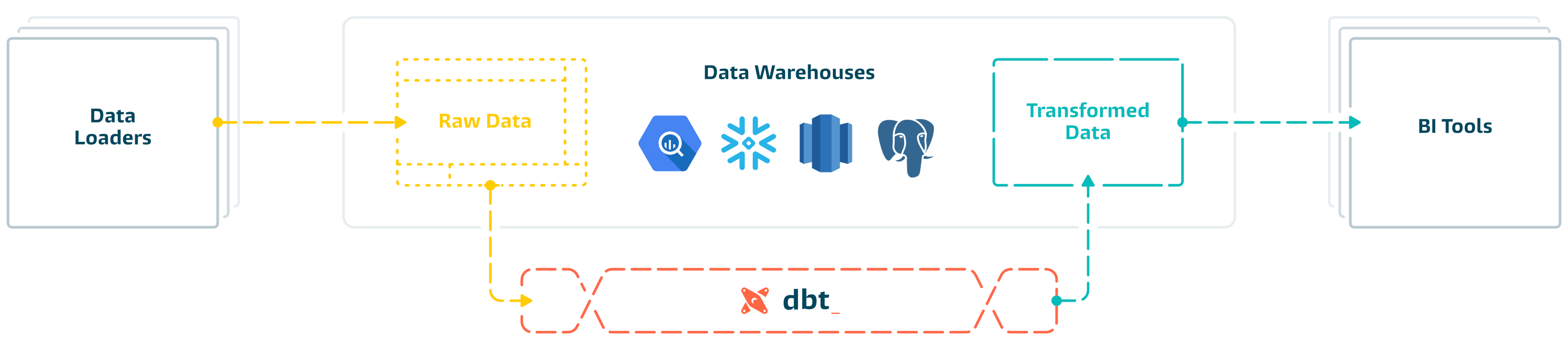
|
||||

|
||||
|
||||
## Understanding dbt
|
||||
|
||||
|
||||
@@ -3,10 +3,7 @@
|
||||
</p>
|
||||
<p align="center">
|
||||
<a href="https://github.com/dbt-labs/dbt-core/actions/workflows/main.yml">
|
||||
<img src="https://github.com/dbt-labs/dbt-core/actions/workflows/main.yml/badge.svg?event=push" alt="Unit Tests Badge"/>
|
||||
</a>
|
||||
<a href="https://github.com/dbt-labs/dbt-core/actions/workflows/integration.yml">
|
||||
<img src="https://github.com/dbt-labs/dbt-core/actions/workflows/integration.yml/badge.svg?event=push" alt="Integration Tests Badge"/>
|
||||
<img src="https://github.com/dbt-labs/dbt-core/actions/workflows/main.yml/badge.svg?event=push" alt="CI Badge"/>
|
||||
</a>
|
||||
</p>
|
||||
|
||||
|
||||
7
core/dbt/__init__.py
Normal file
7
core/dbt/__init__.py
Normal file
@@ -0,0 +1,7 @@
|
||||
# N.B.
|
||||
# This will add to the package’s __path__ all subdirectories of directories on sys.path named after the package which effectively combines both modules into a single namespace (dbt.adapters)
|
||||
# The matching statement is in plugins/postgres/dbt/__init__.py
|
||||
|
||||
from pkgutil import extend_path
|
||||
|
||||
__path__ = extend_path(__path__, __name__)
|
||||
7
core/dbt/adapters/__init__.py
Normal file
7
core/dbt/adapters/__init__.py
Normal file
@@ -0,0 +1,7 @@
|
||||
# N.B.
|
||||
# This will add to the package’s __path__ all subdirectories of directories on sys.path named after the package which effectively combines both modules into a single namespace (dbt.adapters)
|
||||
# The matching statement is in plugins/postgres/dbt/adapters/__init__.py
|
||||
|
||||
from pkgutil import extend_path
|
||||
|
||||
__path__ = extend_path(__path__, __name__)
|
||||
@@ -4,7 +4,7 @@ import os
|
||||
# multiprocessing.RLock is a function returning this type
|
||||
from multiprocessing.synchronize import RLock
|
||||
from threading import get_ident
|
||||
from typing import Dict, Tuple, Hashable, Optional, ContextManager, List, Union
|
||||
from typing import Dict, Tuple, Hashable, Optional, ContextManager, List
|
||||
|
||||
import agate
|
||||
|
||||
@@ -281,15 +281,15 @@ class BaseConnectionManager(metaclass=abc.ABCMeta):
|
||||
@abc.abstractmethod
|
||||
def execute(
|
||||
self, sql: str, auto_begin: bool = False, fetch: bool = False
|
||||
) -> Tuple[Union[str, AdapterResponse], agate.Table]:
|
||||
) -> Tuple[AdapterResponse, agate.Table]:
|
||||
"""Execute the given SQL.
|
||||
|
||||
:param str sql: The sql to execute.
|
||||
:param bool auto_begin: If set, and dbt is not currently inside a
|
||||
transaction, automatically begin one.
|
||||
:param bool fetch: If set, fetch results.
|
||||
:return: A tuple of the status and the results (empty if fetch=False).
|
||||
:rtype: Tuple[Union[str, AdapterResponse], agate.Table]
|
||||
:return: A tuple of the query status and results (empty if fetch=False).
|
||||
:rtype: Tuple[AdapterResponse, agate.Table]
|
||||
"""
|
||||
raise dbt.exceptions.NotImplementedException(
|
||||
"`execute` is not implemented for this adapter!"
|
||||
|
||||
@@ -221,7 +221,7 @@ class BaseAdapter(metaclass=AdapterMeta):
|
||||
@available.parse(lambda *a, **k: ("", empty_table()))
|
||||
def execute(
|
||||
self, sql: str, auto_begin: bool = False, fetch: bool = False
|
||||
) -> Tuple[Union[str, AdapterResponse], agate.Table]:
|
||||
) -> Tuple[AdapterResponse, agate.Table]:
|
||||
"""Execute the given SQL. This is a thin wrapper around
|
||||
ConnectionManager.execute.
|
||||
|
||||
@@ -229,8 +229,8 @@ class BaseAdapter(metaclass=AdapterMeta):
|
||||
:param bool auto_begin: If set, and dbt is not currently inside a
|
||||
transaction, automatically begin one.
|
||||
:param bool fetch: If set, fetch results.
|
||||
:return: A tuple of the status and the results (empty if fetch=False).
|
||||
:rtype: Tuple[Union[str, AdapterResponse], agate.Table]
|
||||
:return: A tuple of the query status and results (empty if fetch=False).
|
||||
:rtype: Tuple[AdapterResponse, agate.Table]
|
||||
"""
|
||||
return self.connections.execute(sql=sql, auto_begin=auto_begin, fetch=fetch)
|
||||
|
||||
@@ -270,12 +270,15 @@ class BaseAdapter(metaclass=AdapterMeta):
|
||||
"""
|
||||
return self._macro_manifest_lazy
|
||||
|
||||
def load_macro_manifest(self) -> MacroManifest:
|
||||
def load_macro_manifest(self, base_macros_only=False) -> MacroManifest:
|
||||
# base_macros_only is for the test framework
|
||||
if self._macro_manifest_lazy is None:
|
||||
# avoid a circular import
|
||||
from dbt.parser.manifest import ManifestLoader
|
||||
|
||||
manifest = ManifestLoader.load_macros(self.config, self.connections.set_query_header)
|
||||
manifest = ManifestLoader.load_macros(
|
||||
self.config, self.connections.set_query_header, base_macros_only=base_macros_only
|
||||
)
|
||||
# TODO CT-211
|
||||
self._macro_manifest_lazy = manifest # type: ignore[assignment]
|
||||
# TODO CT-211
|
||||
@@ -337,11 +340,14 @@ class BaseAdapter(metaclass=AdapterMeta):
|
||||
# databases
|
||||
return info_schema_name_map
|
||||
|
||||
def _relations_cache_for_schemas(self, manifest: Manifest) -> None:
|
||||
def _relations_cache_for_schemas(
|
||||
self, manifest: Manifest, cache_schemas: Set[BaseRelation] = None
|
||||
) -> None:
|
||||
"""Populate the relations cache for the given schemas. Returns an
|
||||
iterable of the schemas populated, as strings.
|
||||
"""
|
||||
cache_schemas = self._get_cache_schemas(manifest)
|
||||
if not cache_schemas:
|
||||
cache_schemas = self._get_cache_schemas(manifest)
|
||||
with executor(self.config) as tpe:
|
||||
futures: List[Future[List[BaseRelation]]] = []
|
||||
for cache_schema in cache_schemas:
|
||||
@@ -367,14 +373,16 @@ class BaseAdapter(metaclass=AdapterMeta):
|
||||
cache_update.add((relation.database, relation.schema))
|
||||
self.cache.update_schemas(cache_update)
|
||||
|
||||
def set_relations_cache(self, manifest: Manifest, clear: bool = False) -> None:
|
||||
def set_relations_cache(
|
||||
self, manifest: Manifest, clear: bool = False, required_schemas: Set[BaseRelation] = None
|
||||
) -> None:
|
||||
"""Run a query that gets a populated cache of the relations in the
|
||||
database and set the cache on this adapter.
|
||||
"""
|
||||
with self.cache.lock:
|
||||
if clear:
|
||||
self.cache.clear()
|
||||
self._relations_cache_for_schemas(manifest)
|
||||
self._relations_cache_for_schemas(manifest, required_schemas)
|
||||
|
||||
@available
|
||||
def cache_added(self, relation: Optional[BaseRelation]) -> str:
|
||||
|
||||
@@ -140,8 +140,6 @@ class AdapterContainer:
|
||||
raise InternalException(f"No plugin found for {plugin_name}") from None
|
||||
plugins.append(plugin)
|
||||
seen.add(plugin_name)
|
||||
if plugin.dependencies is None:
|
||||
continue
|
||||
for dep in plugin.dependencies:
|
||||
if dep not in seen:
|
||||
plugin_names.append(dep)
|
||||
@@ -177,6 +175,10 @@ def get_adapter(config: AdapterRequiredConfig):
|
||||
return FACTORY.lookup_adapter(config.credentials.type)
|
||||
|
||||
|
||||
def get_adapter_by_type(adapter_type):
|
||||
return FACTORY.lookup_adapter(adapter_type)
|
||||
|
||||
|
||||
def reset_adapters():
|
||||
"""Clear the adapters. This is useful for tests, which change configs."""
|
||||
FACTORY.reset_adapters()
|
||||
|
||||
@@ -7,7 +7,6 @@ from typing import (
|
||||
List,
|
||||
Generic,
|
||||
TypeVar,
|
||||
ClassVar,
|
||||
Tuple,
|
||||
Union,
|
||||
Dict,
|
||||
@@ -88,10 +87,13 @@ class AdapterProtocol( # type: ignore[misc]
|
||||
Compiler_T,
|
||||
],
|
||||
):
|
||||
AdapterSpecificConfigs: ClassVar[Type[AdapterConfig_T]]
|
||||
Column: ClassVar[Type[Column_T]]
|
||||
Relation: ClassVar[Type[Relation_T]]
|
||||
ConnectionManager: ClassVar[Type[ConnectionManager_T]]
|
||||
# N.B. Technically these are ClassVars, but mypy doesn't support putting type vars in a
|
||||
# ClassVar due to the restirctiveness of PEP-526
|
||||
# See: https://github.com/python/mypy/issues/5144
|
||||
AdapterSpecificConfigs: Type[AdapterConfig_T]
|
||||
Column: Type[Column_T]
|
||||
Relation: Type[Relation_T]
|
||||
ConnectionManager: Type[ConnectionManager_T]
|
||||
connections: ConnectionManager_T
|
||||
|
||||
def __init__(self, config: AdapterRequiredConfig):
|
||||
@@ -155,7 +157,7 @@ class AdapterProtocol( # type: ignore[misc]
|
||||
|
||||
def execute(
|
||||
self, sql: str, auto_begin: bool = False, fetch: bool = False
|
||||
) -> Tuple[Union[str, AdapterResponse], agate.Table]:
|
||||
) -> Tuple[AdapterResponse, agate.Table]:
|
||||
...
|
||||
|
||||
def get_compiler(self) -> Compiler_T:
|
||||
|
||||
@@ -1,7 +1,7 @@
|
||||
# this module exists to resolve circular imports with the events module
|
||||
|
||||
from collections import namedtuple
|
||||
from typing import Optional
|
||||
from typing import Any, Optional
|
||||
|
||||
|
||||
_ReferenceKey = namedtuple("_ReferenceKey", "database schema identifier")
|
||||
@@ -14,7 +14,7 @@ def lowercase(value: Optional[str]) -> Optional[str]:
|
||||
return value.lower()
|
||||
|
||||
|
||||
def _make_key(relation) -> _ReferenceKey:
|
||||
def _make_key(relation: Any) -> _ReferenceKey:
|
||||
"""Make _ReferenceKeys with lowercase values for the cache so we don't have
|
||||
to keep track of quoting
|
||||
"""
|
||||
|
||||
@@ -1,6 +1,6 @@
|
||||
import abc
|
||||
import time
|
||||
from typing import List, Optional, Tuple, Any, Iterable, Dict, Union
|
||||
from typing import List, Optional, Tuple, Any, Iterable, Dict
|
||||
|
||||
import agate
|
||||
|
||||
@@ -78,7 +78,7 @@ class SQLConnectionManager(BaseConnectionManager):
|
||||
return connection, cursor
|
||||
|
||||
@abc.abstractclassmethod
|
||||
def get_response(cls, cursor: Any) -> Union[AdapterResponse, str]:
|
||||
def get_response(cls, cursor: Any) -> AdapterResponse:
|
||||
"""Get the status of the cursor."""
|
||||
raise dbt.exceptions.NotImplementedException(
|
||||
"`get_response` is not implemented for this adapter!"
|
||||
@@ -117,7 +117,7 @@ class SQLConnectionManager(BaseConnectionManager):
|
||||
|
||||
def execute(
|
||||
self, sql: str, auto_begin: bool = False, fetch: bool = False
|
||||
) -> Tuple[Union[AdapterResponse, str], agate.Table]:
|
||||
) -> Tuple[AdapterResponse, agate.Table]:
|
||||
sql = self._add_query_comment(sql)
|
||||
_, cursor = self.add_query(sql, auto_begin)
|
||||
response = self.get_response(cursor)
|
||||
|
||||
@@ -27,7 +27,7 @@ ALTER_COLUMN_TYPE_MACRO_NAME = "alter_column_type"
|
||||
|
||||
class SQLAdapter(BaseAdapter):
|
||||
"""The default adapter with the common agate conversions and some SQL
|
||||
methods implemented. This adapter has a different much shorter list of
|
||||
methods was implemented. This adapter has a different much shorter list of
|
||||
methods to implement, but some more macros that must be implemented.
|
||||
|
||||
To implement a macro, implement "${adapter_type}__${macro_name}". in the
|
||||
@@ -171,6 +171,7 @@ class SQLAdapter(BaseAdapter):
|
||||
"relation": relation,
|
||||
}
|
||||
self.execute_macro(DROP_SCHEMA_MACRO_NAME, kwargs=kwargs)
|
||||
self.commit_if_has_connection()
|
||||
# we can update the cache here
|
||||
self.cache.drop_schema(relation.database, relation.schema)
|
||||
|
||||
@@ -218,3 +219,25 @@ class SQLAdapter(BaseAdapter):
|
||||
kwargs = {"information_schema": information_schema, "schema": schema}
|
||||
results = self.execute_macro(CHECK_SCHEMA_EXISTS_MACRO_NAME, kwargs=kwargs)
|
||||
return results[0][0] > 0
|
||||
|
||||
# This is for use in the test suite
|
||||
def run_sql_for_tests(self, sql, fetch, conn):
|
||||
cursor = conn.handle.cursor()
|
||||
try:
|
||||
cursor.execute(sql)
|
||||
if hasattr(conn.handle, "commit"):
|
||||
conn.handle.commit()
|
||||
if fetch == "one":
|
||||
return cursor.fetchone()
|
||||
elif fetch == "all":
|
||||
return cursor.fetchall()
|
||||
else:
|
||||
return
|
||||
except BaseException as e:
|
||||
if conn.handle and not getattr(conn.handle, "closed", True):
|
||||
conn.handle.rollback()
|
||||
print(sql)
|
||||
print(e)
|
||||
raise
|
||||
finally:
|
||||
conn.transaction_open = False
|
||||
|
||||
@@ -80,7 +80,7 @@ def table_from_rows(
|
||||
|
||||
|
||||
def table_from_data(data, column_names: Iterable[str]) -> agate.Table:
|
||||
"Convert list of dictionaries into an Agate table"
|
||||
"Convert a list of dictionaries into an Agate table"
|
||||
|
||||
# The agate table is generated from a list of dicts, so the column order
|
||||
# from `data` is not preserved. We can use `select` to reorder the columns
|
||||
|
||||
@@ -28,7 +28,7 @@ def _is_commit(revision: str) -> bool:
|
||||
|
||||
|
||||
def _raise_git_cloning_error(repo, revision, error):
|
||||
stderr = error.stderr.decode("utf-8").strip()
|
||||
stderr = error.stderr.strip()
|
||||
if "usage: git" in stderr:
|
||||
stderr = stderr.split("\nusage: git")[0]
|
||||
if re.match("fatal: destination path '(.+)' already exists", stderr):
|
||||
@@ -115,8 +115,8 @@ def checkout(cwd, repo, revision=None):
|
||||
try:
|
||||
return _checkout(cwd, repo, revision)
|
||||
except CommandResultError as exc:
|
||||
stderr = exc.stderr.decode("utf-8").strip()
|
||||
bad_package_spec(repo, revision, stderr)
|
||||
stderr = exc.stderr.strip()
|
||||
bad_package_spec(repo, revision, stderr)
|
||||
|
||||
|
||||
def get_current_sha(cwd):
|
||||
@@ -142,7 +142,7 @@ def clone_and_checkout(
|
||||
subdirectory=subdirectory,
|
||||
)
|
||||
except CommandResultError as exc:
|
||||
err = exc.stderr.decode("utf-8")
|
||||
err = exc.stderr
|
||||
exists = re.match("fatal: destination path '(.+)' already exists", err)
|
||||
if not exists:
|
||||
raise_git_cloning_problem(repo)
|
||||
|
||||
@@ -103,7 +103,7 @@ class NativeSandboxEnvironment(MacroFuzzEnvironment):
|
||||
|
||||
|
||||
class TextMarker(str):
|
||||
"""A special native-env marker that indicates that a value is text and is
|
||||
"""A special native-env marker that indicates a value is text and is
|
||||
not to be evaluated. Use this to prevent your numbery-strings from becoming
|
||||
numbers!
|
||||
"""
|
||||
@@ -580,7 +580,7 @@ def extract_toplevel_blocks(
|
||||
allowed_blocks: Optional[Set[str]] = None,
|
||||
collect_raw_data: bool = True,
|
||||
) -> List[Union[BlockData, BlockTag]]:
|
||||
"""Extract the top level blocks with matching block types from a jinja
|
||||
"""Extract the top-level blocks with matching block types from a jinja
|
||||
file, with some special handling for block nesting.
|
||||
|
||||
:param data: The data to extract blocks from.
|
||||
|
||||
@@ -1,7 +1,17 @@
|
||||
import functools
|
||||
from typing import Any, Dict, List
|
||||
import requests
|
||||
from dbt.events.functions import fire_event
|
||||
from dbt.events.types import RegistryProgressMakingGETRequest, RegistryProgressGETResponse
|
||||
from dbt.events.types import (
|
||||
RegistryProgressMakingGETRequest,
|
||||
RegistryProgressGETResponse,
|
||||
RegistryIndexProgressMakingGETRequest,
|
||||
RegistryIndexProgressGETResponse,
|
||||
RegistryResponseUnexpectedType,
|
||||
RegistryResponseMissingTopKeys,
|
||||
RegistryResponseMissingNestedKeys,
|
||||
RegistryResponseExtraNestedKeys,
|
||||
)
|
||||
from dbt.utils import memoized, _connection_exception_retry as connection_exception_retry
|
||||
from dbt import deprecations
|
||||
import os
|
||||
@@ -12,55 +22,86 @@ else:
|
||||
DEFAULT_REGISTRY_BASE_URL = "https://hub.getdbt.com/"
|
||||
|
||||
|
||||
def _get_url(url, registry_base_url=None):
|
||||
def _get_url(name, registry_base_url=None):
|
||||
if registry_base_url is None:
|
||||
registry_base_url = DEFAULT_REGISTRY_BASE_URL
|
||||
url = "api/v1/{}.json".format(name)
|
||||
|
||||
return "{}{}".format(registry_base_url, url)
|
||||
|
||||
|
||||
def _get_with_retries(path, registry_base_url=None):
|
||||
get_fn = functools.partial(_get, path, registry_base_url)
|
||||
def _get_with_retries(package_name, registry_base_url=None):
|
||||
get_fn = functools.partial(_get, package_name, registry_base_url)
|
||||
return connection_exception_retry(get_fn, 5)
|
||||
|
||||
|
||||
def _get(path, registry_base_url=None):
|
||||
url = _get_url(path, registry_base_url)
|
||||
def _get(package_name, registry_base_url=None):
|
||||
url = _get_url(package_name, registry_base_url)
|
||||
fire_event(RegistryProgressMakingGETRequest(url=url))
|
||||
# all exceptions from requests get caught in the retry logic so no need to wrap this here
|
||||
resp = requests.get(url, timeout=30)
|
||||
fire_event(RegistryProgressGETResponse(url=url, resp_code=resp.status_code))
|
||||
resp.raise_for_status()
|
||||
|
||||
# It is unexpected for the content of the response to be None so if it is, raising this error
|
||||
# will cause this function to retry (if called within _get_with_retries) and hopefully get
|
||||
# a response. This seems to happen when there's an issue with the Hub.
|
||||
# The response should always be a dictionary. Anything else is unexpected, raise error.
|
||||
# Raising this error will cause this function to retry (if called within _get_with_retries)
|
||||
# and hopefully get a valid response. This seems to happen when there's an issue with the Hub.
|
||||
# Since we control what we expect the HUB to return, this is safe.
|
||||
# See https://github.com/dbt-labs/dbt-core/issues/4577
|
||||
if resp.json() is None:
|
||||
raise requests.exceptions.ContentDecodingError(
|
||||
"Request error: The response is None", response=resp
|
||||
# and https://github.com/dbt-labs/dbt-core/issues/4849
|
||||
response = resp.json()
|
||||
|
||||
if not isinstance(response, dict): # This will also catch Nonetype
|
||||
error_msg = (
|
||||
f"Request error: Expected a response type of <dict> but got {type(response)} instead"
|
||||
)
|
||||
return resp.json()
|
||||
fire_event(RegistryResponseUnexpectedType(response=response))
|
||||
raise requests.exceptions.ContentDecodingError(error_msg, response=resp)
|
||||
|
||||
# check for expected top level keys
|
||||
expected_keys = {"name", "versions"}
|
||||
if not expected_keys.issubset(response):
|
||||
error_msg = (
|
||||
f"Request error: Expected the response to contain keys {expected_keys} "
|
||||
f"but is missing {expected_keys.difference(set(response))}"
|
||||
)
|
||||
fire_event(RegistryResponseMissingTopKeys(response=response))
|
||||
raise requests.exceptions.ContentDecodingError(error_msg, response=resp)
|
||||
|
||||
# check for the keys we need nested under each version
|
||||
expected_version_keys = {"name", "packages", "downloads"}
|
||||
all_keys = set().union(*(response["versions"][d] for d in response["versions"]))
|
||||
if not expected_version_keys.issubset(all_keys):
|
||||
error_msg = (
|
||||
"Request error: Expected the response for the version to contain keys "
|
||||
f"{expected_version_keys} but is missing {expected_version_keys.difference(all_keys)}"
|
||||
)
|
||||
fire_event(RegistryResponseMissingNestedKeys(response=response))
|
||||
raise requests.exceptions.ContentDecodingError(error_msg, response=resp)
|
||||
|
||||
# all version responses should contain identical keys.
|
||||
has_extra_keys = set().difference(*(response["versions"][d] for d in response["versions"]))
|
||||
if has_extra_keys:
|
||||
error_msg = (
|
||||
"Request error: Keys for all versions do not match. Found extra key(s) "
|
||||
f"of {has_extra_keys}."
|
||||
)
|
||||
fire_event(RegistryResponseExtraNestedKeys(response=response))
|
||||
raise requests.exceptions.ContentDecodingError(error_msg, response=resp)
|
||||
|
||||
return response
|
||||
|
||||
|
||||
def index(registry_base_url=None):
|
||||
return _get_with_retries("api/v1/index.json", registry_base_url)
|
||||
_get_cached = memoized(_get_with_retries)
|
||||
|
||||
|
||||
index_cached = memoized(index)
|
||||
|
||||
|
||||
def packages(registry_base_url=None):
|
||||
return _get_with_retries("api/v1/packages.json", registry_base_url)
|
||||
|
||||
|
||||
def package(name, registry_base_url=None):
|
||||
response = _get_with_retries("api/v1/{}.json".format(name), registry_base_url)
|
||||
|
||||
def package(package_name, registry_base_url=None) -> Dict[str, Any]:
|
||||
# returns a dictionary of metadata for all versions of a package
|
||||
response = _get_cached(package_name, registry_base_url)
|
||||
# Either redirectnamespace or redirectname in the JSON response indicate a redirect
|
||||
# redirectnamespace redirects based on package ownership
|
||||
# redirectname redirects based on package name
|
||||
# Both can be present at the same time, or neither. Fails gracefully to old name
|
||||
|
||||
if ("redirectnamespace" in response) or ("redirectname" in response):
|
||||
|
||||
if ("redirectnamespace" in response) and response["redirectnamespace"] is not None:
|
||||
@@ -74,15 +115,49 @@ def package(name, registry_base_url=None):
|
||||
use_name = response["name"]
|
||||
|
||||
new_nwo = use_namespace + "/" + use_name
|
||||
deprecations.warn("package-redirect", old_name=name, new_name=new_nwo)
|
||||
deprecations.warn("package-redirect", old_name=package_name, new_name=new_nwo)
|
||||
return response["versions"]
|
||||
|
||||
|
||||
def package_version(package_name, version, registry_base_url=None) -> Dict[str, Any]:
|
||||
# returns the metadata of a specific version of a package
|
||||
response = package(package_name, registry_base_url)
|
||||
return response[version]
|
||||
|
||||
|
||||
def get_available_versions(package_name) -> List["str"]:
|
||||
# returns a list of all available versions of a package
|
||||
response = package(package_name)
|
||||
return list(response)
|
||||
|
||||
|
||||
def _get_index(registry_base_url=None):
|
||||
|
||||
url = _get_url("index", registry_base_url)
|
||||
fire_event(RegistryIndexProgressMakingGETRequest(url=url))
|
||||
# all exceptions from requests get caught in the retry logic so no need to wrap this here
|
||||
resp = requests.get(url, timeout=30)
|
||||
fire_event(RegistryIndexProgressGETResponse(url=url, resp_code=resp.status_code))
|
||||
resp.raise_for_status()
|
||||
|
||||
# The response should be a list. Anything else is unexpected, raise an error.
|
||||
# Raising this error will cause this function to retry and hopefully get a valid response.
|
||||
|
||||
response = resp.json()
|
||||
|
||||
if not isinstance(response, list): # This will also catch Nonetype
|
||||
error_msg = (
|
||||
f"Request error: The response type of {type(response)} is not valid: {resp.text}"
|
||||
)
|
||||
raise requests.exceptions.ContentDecodingError(error_msg, response=resp)
|
||||
|
||||
return response
|
||||
|
||||
|
||||
def package_version(name, version, registry_base_url=None):
|
||||
return _get_with_retries("api/v1/{}/{}.json".format(name, version), registry_base_url)
|
||||
def index(registry_base_url=None) -> List[str]:
|
||||
# this returns a list of all packages on the Hub
|
||||
get_index_fn = functools.partial(_get_index, registry_base_url)
|
||||
return connection_exception_retry(get_index_fn, 5)
|
||||
|
||||
|
||||
def get_available_versions(name):
|
||||
response = package(name)
|
||||
return list(response["versions"])
|
||||
index_cached = memoized(index)
|
||||
|
||||
@@ -246,16 +246,17 @@ def _supports_long_paths() -> bool:
|
||||
# https://stackoverflow.com/a/35097999/11262881
|
||||
# I don't know exaclty what he means, but I am inclined to believe him as
|
||||
# he's pretty active on Python windows bugs!
|
||||
try:
|
||||
dll = WinDLL("ntdll")
|
||||
except OSError: # I don't think this happens? you need ntdll to run python
|
||||
return False
|
||||
# not all windows versions have it at all
|
||||
if not hasattr(dll, "RtlAreLongPathsEnabled"):
|
||||
return False
|
||||
# tell windows we want to get back a single unsigned byte (a bool).
|
||||
dll.RtlAreLongPathsEnabled.restype = c_bool
|
||||
return dll.RtlAreLongPathsEnabled()
|
||||
else:
|
||||
try:
|
||||
dll = WinDLL("ntdll")
|
||||
except OSError: # I don't think this happens? you need ntdll to run python
|
||||
return False
|
||||
# not all windows versions have it at all
|
||||
if not hasattr(dll, "RtlAreLongPathsEnabled"):
|
||||
return False
|
||||
# tell windows we want to get back a single unsigned byte (a bool).
|
||||
dll.RtlAreLongPathsEnabled.restype = c_bool
|
||||
return dll.RtlAreLongPathsEnabled()
|
||||
|
||||
|
||||
def convert_path(path: str) -> str:
|
||||
@@ -335,7 +336,7 @@ def _handle_posix_cmd_error(exc: OSError, cwd: str, cmd: List[str]) -> NoReturn:
|
||||
|
||||
|
||||
def _handle_posix_error(exc: OSError, cwd: str, cmd: List[str]) -> NoReturn:
|
||||
"""OSError handling for posix systems.
|
||||
"""OSError handling for POSIX systems.
|
||||
|
||||
Some things that could happen to trigger an OSError:
|
||||
- cwd could not exist
|
||||
@@ -386,7 +387,7 @@ def _handle_windows_error(exc: OSError, cwd: str, cmd: List[str]) -> NoReturn:
|
||||
|
||||
|
||||
def _interpret_oserror(exc: OSError, cwd: str, cmd: List[str]) -> NoReturn:
|
||||
"""Interpret an OSError exc and raise the appropriate dbt exception."""
|
||||
"""Interpret an OSError exception and raise the appropriate dbt exception."""
|
||||
if len(cmd) == 0:
|
||||
raise dbt.exceptions.CommandError(cwd, cmd)
|
||||
|
||||
@@ -443,7 +444,11 @@ def download_with_retries(
|
||||
connection_exception_retry(download_fn, 5)
|
||||
|
||||
|
||||
def download(url: str, path: str, timeout: Optional[Union[float, tuple]] = None) -> None:
|
||||
def download(
|
||||
url: str,
|
||||
path: str,
|
||||
timeout: Optional[Union[float, Tuple[float, float], Tuple[float, None]]] = None,
|
||||
) -> None:
|
||||
path = convert_path(path)
|
||||
connection_timeout = timeout or float(os.getenv("DBT_HTTP_TIMEOUT", 10))
|
||||
response = requests.get(url, timeout=connection_timeout)
|
||||
@@ -501,7 +506,7 @@ def move(src, dst):
|
||||
directory on windows when it has read-only files in it and the move is
|
||||
between two drives.
|
||||
|
||||
This is almost identical to the real shutil.move, except it uses our rmtree
|
||||
This is almost identical to the real shutil.move, except it, uses our rmtree
|
||||
and skips handling non-windows OSes since the existing one works ok there.
|
||||
"""
|
||||
src = convert_path(src)
|
||||
@@ -536,7 +541,7 @@ def move(src, dst):
|
||||
|
||||
|
||||
def rmtree(path):
|
||||
"""Recursively remove path. On permissions errors on windows, try to remove
|
||||
"""Recursively remove the path. On permissions errors on windows, try to remove
|
||||
the read-only flag and try again.
|
||||
"""
|
||||
path = convert_path(path)
|
||||
|
||||
@@ -8,6 +8,7 @@ try:
|
||||
except ImportError:
|
||||
from yaml import Loader, SafeLoader, Dumper # type: ignore # noqa: F401
|
||||
|
||||
from dbt.ui import warning_tag
|
||||
|
||||
YAML_ERROR_MESSAGE = """
|
||||
Syntax error near line {line_number}
|
||||
@@ -20,6 +21,26 @@ Raw Error:
|
||||
""".strip()
|
||||
|
||||
|
||||
class UniqueKeyLoader(SafeLoader):
|
||||
"""A subclass that checks for unique yaml mapping nodes.
|
||||
|
||||
This class extends `SafeLoader` from the `yaml` library to check for
|
||||
unique top level keys (mapping nodes). See issue (https://github.com/yaml/pyyaml/issues/165)
|
||||
and solution (https://gist.github.com/pypt/94d747fe5180851196eb?permalink_comment_id=4015118).
|
||||
"""
|
||||
|
||||
def construct_mapping(self, node, deep=False):
|
||||
mapping = set()
|
||||
for key_node, value_node in node.value:
|
||||
key = self.construct_object(key_node, deep=deep)
|
||||
if key in mapping:
|
||||
raise dbt.exceptions.DuplicateYamlKeyException(
|
||||
f"Duplicate {key!r} key found in yaml file"
|
||||
)
|
||||
mapping.add(key)
|
||||
return super().construct_mapping(node, deep)
|
||||
|
||||
|
||||
def line_no(i, line, width=3):
|
||||
line_number = str(i).ljust(width)
|
||||
return "{}| {}".format(line_number, line)
|
||||
@@ -48,10 +69,10 @@ def contextualized_yaml_error(raw_contents, error):
|
||||
|
||||
|
||||
def safe_load(contents) -> Optional[Dict[str, Any]]:
|
||||
return yaml.load(contents, Loader=SafeLoader)
|
||||
return yaml.load(contents, Loader=UniqueKeyLoader)
|
||||
|
||||
|
||||
def load_yaml_text(contents):
|
||||
def load_yaml_text(contents, path=None):
|
||||
try:
|
||||
return safe_load(contents)
|
||||
except (yaml.scanner.ScannerError, yaml.YAMLError) as e:
|
||||
@@ -61,3 +82,7 @@ def load_yaml_text(contents):
|
||||
error = str(e)
|
||||
|
||||
raise dbt.exceptions.ValidationException(error)
|
||||
except dbt.exceptions.DuplicateYamlKeyException as e:
|
||||
# TODO: We may want to raise an exception instead of a warning in the future.
|
||||
e.msg = f"{e} {path.searched_path}/{path.relative_path}."
|
||||
dbt.exceptions.warn_or_raise(e, log_fmt=warning_tag("{}"))
|
||||
|
||||
@@ -397,6 +397,8 @@ class Compiler:
|
||||
linker.dependency(node.unique_id, (manifest.nodes[dependency].unique_id))
|
||||
elif dependency in manifest.sources:
|
||||
linker.dependency(node.unique_id, (manifest.sources[dependency].unique_id))
|
||||
elif dependency in manifest.metrics:
|
||||
linker.dependency(node.unique_id, (manifest.metrics[dependency].unique_id))
|
||||
else:
|
||||
dependency_not_found(node, dependency)
|
||||
|
||||
|
||||
@@ -132,7 +132,11 @@ def _all_source_paths(
|
||||
analysis_paths: List[str],
|
||||
macro_paths: List[str],
|
||||
) -> List[str]:
|
||||
return list(chain(model_paths, seed_paths, snapshot_paths, analysis_paths, macro_paths))
|
||||
# We need to turn a list of lists into just a list, then convert to a set to
|
||||
# get only unique elements, then back to a list
|
||||
return list(
|
||||
set(list(chain(model_paths, seed_paths, snapshot_paths, analysis_paths, macro_paths)))
|
||||
)
|
||||
|
||||
|
||||
T = TypeVar("T")
|
||||
|
||||
@@ -114,11 +114,9 @@ class DbtProjectYamlRenderer(BaseRenderer):
|
||||
def name(self):
|
||||
"Project config"
|
||||
|
||||
# Uses SecretRenderer
|
||||
def get_package_renderer(self) -> BaseRenderer:
|
||||
return PackageRenderer(self.context)
|
||||
|
||||
def get_selector_renderer(self) -> BaseRenderer:
|
||||
return SelectorRenderer(self.context)
|
||||
return PackageRenderer(self.ctx_obj.cli_vars)
|
||||
|
||||
def render_project(
|
||||
self,
|
||||
@@ -136,8 +134,7 @@ class DbtProjectYamlRenderer(BaseRenderer):
|
||||
return package_renderer.render_data(packages)
|
||||
|
||||
def render_selectors(self, selectors: Dict[str, Any]):
|
||||
selector_renderer = self.get_selector_renderer()
|
||||
return selector_renderer.render_data(selectors)
|
||||
return self.render_data(selectors)
|
||||
|
||||
def render_entry(self, value: Any, keypath: Keypath) -> Any:
|
||||
result = super().render_entry(value, keypath)
|
||||
@@ -165,18 +162,10 @@ class DbtProjectYamlRenderer(BaseRenderer):
|
||||
return True
|
||||
|
||||
|
||||
class SelectorRenderer(BaseRenderer):
|
||||
@property
|
||||
def name(self):
|
||||
return "Selector config"
|
||||
|
||||
|
||||
class SecretRenderer(BaseRenderer):
|
||||
def __init__(self, cli_vars: Optional[Dict[str, Any]] = None) -> None:
|
||||
def __init__(self, cli_vars: Dict[str, Any] = {}) -> None:
|
||||
# Generate contexts here because we want to save the context
|
||||
# object in order to retrieve the env_vars.
|
||||
if cli_vars is None:
|
||||
cli_vars = {}
|
||||
self.ctx_obj = SecretContext(cli_vars)
|
||||
context = self.ctx_obj.to_dict()
|
||||
super().__init__(context)
|
||||
|
||||
@@ -1,7 +1,7 @@
|
||||
import itertools
|
||||
import os
|
||||
from copy import deepcopy
|
||||
from dataclasses import dataclass
|
||||
from dataclasses import dataclass, field
|
||||
from pathlib import Path
|
||||
from typing import Dict, Any, Optional, Mapping, Iterator, Iterable, Tuple, List, MutableSet, Type
|
||||
|
||||
@@ -11,7 +11,7 @@ from .renderer import DbtProjectYamlRenderer, ProfileRenderer
|
||||
from .utils import parse_cli_vars
|
||||
from dbt import flags
|
||||
from dbt.adapters.factory import get_relation_class_by_name, get_include_paths
|
||||
from dbt.helper_types import FQNPath, PathSet
|
||||
from dbt.helper_types import FQNPath, PathSet, DictDefaultEmptyStr
|
||||
from dbt.config.profile import read_user_config
|
||||
from dbt.contracts.connection import AdapterRequiredConfig, Credentials
|
||||
from dbt.contracts.graph.manifest import ManifestMetadata
|
||||
@@ -312,22 +312,26 @@ class RuntimeConfig(Project, Profile, AdapterRequiredConfig):
|
||||
|
||||
warn_or_error(msg, log_fmt=warning_tag("{}"))
|
||||
|
||||
def load_dependencies(self) -> Mapping[str, "RuntimeConfig"]:
|
||||
def load_dependencies(self, base_only=False) -> Mapping[str, "RuntimeConfig"]:
|
||||
if self.dependencies is None:
|
||||
all_projects = {self.project_name: self}
|
||||
internal_packages = get_include_paths(self.credentials.type)
|
||||
# raise exception if fewer installed packages than in packages.yml
|
||||
count_packages_specified = len(self.packages.packages) # type: ignore
|
||||
count_packages_installed = len(tuple(self._get_project_directories()))
|
||||
if count_packages_specified > count_packages_installed:
|
||||
raise_compiler_error(
|
||||
f"dbt found {count_packages_specified} package(s) "
|
||||
f"specified in packages.yml, but only "
|
||||
f"{count_packages_installed} package(s) installed "
|
||||
f'in {self.packages_install_path}. Run "dbt deps" to '
|
||||
f"install package dependencies."
|
||||
)
|
||||
project_paths = itertools.chain(internal_packages, self._get_project_directories())
|
||||
if base_only:
|
||||
# Test setup -- we want to load macros without dependencies
|
||||
project_paths = itertools.chain(internal_packages)
|
||||
else:
|
||||
# raise exception if fewer installed packages than in packages.yml
|
||||
count_packages_specified = len(self.packages.packages) # type: ignore
|
||||
count_packages_installed = len(tuple(self._get_project_directories()))
|
||||
if count_packages_specified > count_packages_installed:
|
||||
raise_compiler_error(
|
||||
f"dbt found {count_packages_specified} package(s) "
|
||||
f"specified in packages.yml, but only "
|
||||
f"{count_packages_installed} package(s) installed "
|
||||
f'in {self.packages_install_path}. Run "dbt deps" to '
|
||||
f"install package dependencies."
|
||||
)
|
||||
project_paths = itertools.chain(internal_packages, self._get_project_directories())
|
||||
for project_name, project in self.load_projects(project_paths):
|
||||
if project_name in all_projects:
|
||||
raise_compiler_error(
|
||||
@@ -396,7 +400,7 @@ class UnsetProfile(Profile):
|
||||
self.threads = -1
|
||||
|
||||
def to_target_dict(self):
|
||||
return {}
|
||||
return DictDefaultEmptyStr({})
|
||||
|
||||
def __getattribute__(self, name):
|
||||
if name in {"profile_name", "target_name", "threads"}:
|
||||
@@ -413,6 +417,9 @@ class UnsetProfileConfig(RuntimeConfig):
|
||||
missing, any access to profile members results in an exception.
|
||||
"""
|
||||
|
||||
profile_name: str = field(repr=False)
|
||||
target_name: str = field(repr=False)
|
||||
|
||||
def __post_init__(self):
|
||||
# instead of futzing with InitVar overrides or rewriting __init__, just
|
||||
# `del` the attrs we don't want users touching.
|
||||
@@ -431,7 +438,57 @@ class UnsetProfileConfig(RuntimeConfig):
|
||||
|
||||
def to_target_dict(self):
|
||||
# re-override the poisoned profile behavior
|
||||
return {}
|
||||
return DictDefaultEmptyStr({})
|
||||
|
||||
def to_project_config(self, with_packages=False):
|
||||
"""Return a dict representation of the config that could be written to
|
||||
disk with `yaml.safe_dump` to get this configuration.
|
||||
|
||||
Overrides dbt.config.Project.to_project_config to omit undefined profile
|
||||
attributes.
|
||||
|
||||
:param with_packages bool: If True, include the serialized packages
|
||||
file in the root.
|
||||
:returns dict: The serialized profile.
|
||||
"""
|
||||
result = deepcopy(
|
||||
{
|
||||
"name": self.project_name,
|
||||
"version": self.version,
|
||||
"project-root": self.project_root,
|
||||
"profile": "",
|
||||
"model-paths": self.model_paths,
|
||||
"macro-paths": self.macro_paths,
|
||||
"seed-paths": self.seed_paths,
|
||||
"test-paths": self.test_paths,
|
||||
"analysis-paths": self.analysis_paths,
|
||||
"docs-paths": self.docs_paths,
|
||||
"asset-paths": self.asset_paths,
|
||||
"target-path": self.target_path,
|
||||
"snapshot-paths": self.snapshot_paths,
|
||||
"clean-targets": self.clean_targets,
|
||||
"log-path": self.log_path,
|
||||
"quoting": self.quoting,
|
||||
"models": self.models,
|
||||
"on-run-start": self.on_run_start,
|
||||
"on-run-end": self.on_run_end,
|
||||
"dispatch": self.dispatch,
|
||||
"seeds": self.seeds,
|
||||
"snapshots": self.snapshots,
|
||||
"sources": self.sources,
|
||||
"tests": self.tests,
|
||||
"vars": self.vars.to_dict(),
|
||||
"require-dbt-version": [v.to_version_string() for v in self.dbt_version],
|
||||
"config-version": self.config_version,
|
||||
}
|
||||
)
|
||||
if self.query_comment:
|
||||
result["query-comment"] = self.query_comment.to_dict(omit_none=True)
|
||||
|
||||
if with_packages:
|
||||
result.update(self.packages.to_dict(omit_none=True))
|
||||
|
||||
return result
|
||||
|
||||
@classmethod
|
||||
def from_parts(
|
||||
|
||||
@@ -1,9 +1,10 @@
|
||||
from pathlib import Path
|
||||
from copy import deepcopy
|
||||
from typing import Dict, Any, Union
|
||||
from dbt.clients.yaml_helper import yaml, Loader, Dumper, load_yaml_text # noqa: F401
|
||||
from dbt.dataclass_schema import ValidationError
|
||||
|
||||
from .renderer import SelectorRenderer
|
||||
from .renderer import BaseRenderer
|
||||
|
||||
from dbt.clients.system import (
|
||||
load_file_contents,
|
||||
@@ -57,7 +58,7 @@ class SelectorConfig(Dict[str, Dict[str, Union[SelectionSpec, bool]]]):
|
||||
def render_from_dict(
|
||||
cls,
|
||||
data: Dict[str, Any],
|
||||
renderer: SelectorRenderer,
|
||||
renderer: BaseRenderer,
|
||||
) -> "SelectorConfig":
|
||||
try:
|
||||
rendered = renderer.render_data(data)
|
||||
@@ -72,7 +73,7 @@ class SelectorConfig(Dict[str, Dict[str, Union[SelectionSpec, bool]]]):
|
||||
def from_path(
|
||||
cls,
|
||||
path: Path,
|
||||
renderer: SelectorRenderer,
|
||||
renderer: BaseRenderer,
|
||||
) -> "SelectorConfig":
|
||||
try:
|
||||
data = load_yaml_text(load_file_contents(str(path)))
|
||||
@@ -140,28 +141,33 @@ def validate_selector_default(selector_file: SelectorFile) -> None:
|
||||
# good to combine the two flows into one at some point.
|
||||
class SelectorDict:
|
||||
@classmethod
|
||||
def parse_dict_definition(cls, definition):
|
||||
def parse_dict_definition(cls, definition, selector_dict={}):
|
||||
key = list(definition)[0]
|
||||
value = definition[key]
|
||||
if isinstance(value, list):
|
||||
new_values = []
|
||||
for sel_def in value:
|
||||
new_value = cls.parse_from_definition(sel_def)
|
||||
new_value = cls.parse_from_definition(sel_def, selector_dict=selector_dict)
|
||||
new_values.append(new_value)
|
||||
value = new_values
|
||||
if key == "exclude":
|
||||
definition = {key: value}
|
||||
elif len(definition) == 1:
|
||||
definition = {"method": key, "value": value}
|
||||
elif key == "method" and value == "selector":
|
||||
sel_def = definition.get("value")
|
||||
if sel_def not in selector_dict:
|
||||
raise DbtSelectorsError(f"Existing selector definition for {sel_def} not found.")
|
||||
return selector_dict[definition["value"]]["definition"]
|
||||
return definition
|
||||
|
||||
@classmethod
|
||||
def parse_a_definition(cls, def_type, definition):
|
||||
def parse_a_definition(cls, def_type, definition, selector_dict={}):
|
||||
# this definition must be a list
|
||||
new_dict = {def_type: []}
|
||||
for sel_def in definition[def_type]:
|
||||
if isinstance(sel_def, dict):
|
||||
sel_def = cls.parse_from_definition(sel_def)
|
||||
sel_def = cls.parse_from_definition(sel_def, selector_dict=selector_dict)
|
||||
new_dict[def_type].append(sel_def)
|
||||
elif isinstance(sel_def, str):
|
||||
sel_def = SelectionCriteria.dict_from_single_spec(sel_def)
|
||||
@@ -171,15 +177,17 @@ class SelectorDict:
|
||||
return new_dict
|
||||
|
||||
@classmethod
|
||||
def parse_from_definition(cls, definition):
|
||||
def parse_from_definition(cls, definition, selector_dict={}):
|
||||
if isinstance(definition, str):
|
||||
definition = SelectionCriteria.dict_from_single_spec(definition)
|
||||
elif "union" in definition:
|
||||
definition = cls.parse_a_definition("union", definition)
|
||||
definition = cls.parse_a_definition("union", definition, selector_dict=selector_dict)
|
||||
elif "intersection" in definition:
|
||||
definition = cls.parse_a_definition("intersection", definition)
|
||||
definition = cls.parse_a_definition(
|
||||
"intersection", definition, selector_dict=selector_dict
|
||||
)
|
||||
elif isinstance(definition, dict):
|
||||
definition = cls.parse_dict_definition(definition)
|
||||
definition = cls.parse_dict_definition(definition, selector_dict=selector_dict)
|
||||
return definition
|
||||
|
||||
# This is the normal entrypoint of this code. Give it the
|
||||
@@ -190,6 +198,8 @@ class SelectorDict:
|
||||
for selector in selectors:
|
||||
sel_name = selector["name"]
|
||||
selector_dict[sel_name] = selector
|
||||
definition = cls.parse_from_definition(selector["definition"])
|
||||
definition = cls.parse_from_definition(
|
||||
selector["definition"], selector_dict=deepcopy(selector_dict)
|
||||
)
|
||||
selector_dict[sel_name]["definition"] = definition
|
||||
return selector_dict
|
||||
|
||||
@@ -1,9 +1,15 @@
|
||||
from typing import Dict, Any
|
||||
from argparse import Namespace
|
||||
from typing import Any, Dict, Optional, Union
|
||||
from xmlrpc.client import Boolean
|
||||
from dbt.contracts.project import UserConfig
|
||||
|
||||
import dbt.flags as flags
|
||||
from dbt.clients import yaml_helper
|
||||
from dbt.config import Profile, Project, read_user_config
|
||||
from dbt.config.renderer import DbtProjectYamlRenderer, ProfileRenderer
|
||||
from dbt.events.functions import fire_event
|
||||
from dbt.exceptions import raise_compiler_error, ValidationException
|
||||
from dbt.events.types import InvalidVarsYAML
|
||||
from dbt.exceptions import ValidationException, raise_compiler_error
|
||||
|
||||
|
||||
def parse_cli_vars(var_string: str) -> Dict[str, Any]:
|
||||
@@ -21,3 +27,49 @@ def parse_cli_vars(var_string: str) -> Dict[str, Any]:
|
||||
except ValidationException:
|
||||
fire_event(InvalidVarsYAML())
|
||||
raise
|
||||
|
||||
|
||||
def get_project_config(
|
||||
project_path: str,
|
||||
profile_name: str,
|
||||
args: Namespace = Namespace(),
|
||||
cli_vars: Optional[Dict[str, Any]] = None,
|
||||
profile: Optional[Profile] = None,
|
||||
user_config: Optional[UserConfig] = None,
|
||||
return_dict: Boolean = True,
|
||||
) -> Union[Project, Dict]:
|
||||
"""Returns a project config (dict or object) from a given project path and profile name.
|
||||
|
||||
Args:
|
||||
project_path: Path to project
|
||||
profile_name: Name of profile
|
||||
args: An argparse.Namespace that represents what would have been passed in on the
|
||||
command line (optional)
|
||||
cli_vars: A dict of any vars that would have been passed in on the command line (optional)
|
||||
(see parse_cli_vars above for formatting details)
|
||||
profile: A dbt.config.profile.Profile object (optional)
|
||||
user_config: A dbt.contracts.project.UserConfig object (optional)
|
||||
return_dict: Return a dict if true, return the full dbt.config.project.Project object if false
|
||||
|
||||
Returns:
|
||||
A full project config
|
||||
|
||||
"""
|
||||
# Generate a profile if not provided
|
||||
if profile is None:
|
||||
# Generate user_config if not provided
|
||||
if user_config is None:
|
||||
user_config = read_user_config(flags.PROFILES_DIR)
|
||||
# Update flags
|
||||
flags.set_from_args(args, user_config)
|
||||
if cli_vars is None:
|
||||
cli_vars = {}
|
||||
profile = Profile.render_from_args(args, ProfileRenderer(cli_vars), profile_name)
|
||||
# Generate a project
|
||||
project = Project.from_project_root(
|
||||
project_path,
|
||||
DbtProjectYamlRenderer(profile),
|
||||
verify_version=bool(flags.VERSION_CHECK),
|
||||
)
|
||||
# Return
|
||||
return project.to_project_config() if return_dict else project
|
||||
|
||||
@@ -1,6 +1,6 @@
|
||||
import json
|
||||
import os
|
||||
from typing import Any, Dict, NoReturn, Optional, Mapping
|
||||
from typing import Any, Dict, NoReturn, Optional, Mapping, Iterable, Set
|
||||
|
||||
from dbt import flags
|
||||
from dbt import tracking
|
||||
@@ -8,8 +8,9 @@ from dbt.clients.jinja import get_rendered
|
||||
from dbt.clients.yaml_helper import yaml, safe_load, SafeLoader, Loader, Dumper # noqa: F401
|
||||
from dbt.contracts.graph.compiled import CompiledResource
|
||||
from dbt.exceptions import (
|
||||
raise_compiler_error,
|
||||
CompilationException,
|
||||
MacroReturn,
|
||||
raise_compiler_error,
|
||||
raise_parsing_error,
|
||||
disallow_secret_env_var,
|
||||
)
|
||||
@@ -23,6 +24,7 @@ from dbt.version import __version__ as dbt_version
|
||||
import pytz
|
||||
import datetime
|
||||
import re
|
||||
import itertools
|
||||
|
||||
# Contexts in dbt Core
|
||||
# Contexts are used for Jinja rendering. They include context methods,
|
||||
@@ -77,11 +79,35 @@ def get_re_module_context() -> Dict[str, Any]:
|
||||
return {name: getattr(re, name) for name in context_exports}
|
||||
|
||||
|
||||
def get_itertools_module_context() -> Dict[str, Any]:
|
||||
# Excluded dropwhile, filterfalse, takewhile and groupby;
|
||||
# first 3 illogical for Jinja and last redundant.
|
||||
context_exports = [
|
||||
"count",
|
||||
"cycle",
|
||||
"repeat",
|
||||
"accumulate",
|
||||
"chain",
|
||||
"compress",
|
||||
"islice",
|
||||
"starmap",
|
||||
"tee",
|
||||
"zip_longest",
|
||||
"product",
|
||||
"permutations",
|
||||
"combinations",
|
||||
"combinations_with_replacement",
|
||||
]
|
||||
|
||||
return {name: getattr(itertools, name) for name in context_exports}
|
||||
|
||||
|
||||
def get_context_modules() -> Dict[str, Dict[str, Any]]:
|
||||
return {
|
||||
"pytz": get_pytz_module_context(),
|
||||
"datetime": get_datetime_module_context(),
|
||||
"re": get_re_module_context(),
|
||||
"itertools": get_itertools_module_context(),
|
||||
}
|
||||
|
||||
|
||||
@@ -457,6 +483,94 @@ class BaseContext(metaclass=ContextMeta):
|
||||
except (ValueError, yaml.YAMLError):
|
||||
return default
|
||||
|
||||
@contextmember("set")
|
||||
@staticmethod
|
||||
def _set(value: Iterable[Any], default: Any = None) -> Optional[Set[Any]]:
|
||||
"""The `set` context method can be used to convert any iterable
|
||||
to a sequence of iterable elements that are unique (a set).
|
||||
|
||||
:param value: The iterable
|
||||
:param default: A default value to return if the `value` argument
|
||||
is not an iterable
|
||||
|
||||
Usage:
|
||||
{% set my_list = [1, 2, 2, 3] %}
|
||||
{% set my_set = set(my_list) %}
|
||||
{% do log(my_set) %} {# {1, 2, 3} #}
|
||||
"""
|
||||
try:
|
||||
return set(value)
|
||||
except TypeError:
|
||||
return default
|
||||
|
||||
@contextmember
|
||||
@staticmethod
|
||||
def try_set(value: Iterable[Any]) -> Set[Any]:
|
||||
"""The `try_set` context method can be used to convert any iterable
|
||||
to a sequence of iterable elements that are unique (a set). The
|
||||
difference to the `set` context method is that the `try_set` method
|
||||
will raise an exception on a TypeError.
|
||||
|
||||
:param value: The iterable
|
||||
:param default: A default value to return if the `value` argument
|
||||
is not an iterable
|
||||
|
||||
Usage:
|
||||
{% set my_list = [1, 2, 2, 3] %}
|
||||
{% set my_set = try_set(my_list) %}
|
||||
{% do log(my_set) %} {# {1, 2, 3} #}
|
||||
"""
|
||||
try:
|
||||
return set(value)
|
||||
except TypeError as e:
|
||||
raise CompilationException(e)
|
||||
|
||||
@contextmember("zip")
|
||||
@staticmethod
|
||||
def _zip(*args: Iterable[Any], default: Any = None) -> Optional[Iterable[Any]]:
|
||||
"""The `try_zip` context method can be used to used to return
|
||||
an iterator of tuples, where the i-th tuple contains the i-th
|
||||
element from each of the argument iterables.
|
||||
|
||||
:param *args: Any number of iterables
|
||||
:param default: A default value to return if `*args` is not
|
||||
iterable
|
||||
|
||||
Usage:
|
||||
{% set my_list_a = [1, 2] %}
|
||||
{% set my_list_b = ['alice', 'bob'] %}
|
||||
{% set my_zip = zip(my_list_a, my_list_b) | list %}
|
||||
{% do log(my_set) %} {# [(1, 'alice'), (2, 'bob')] #}
|
||||
"""
|
||||
try:
|
||||
return zip(*args)
|
||||
except TypeError:
|
||||
return default
|
||||
|
||||
@contextmember
|
||||
@staticmethod
|
||||
def try_zip(*args: Iterable[Any]) -> Iterable[Any]:
|
||||
"""The `try_zip` context method can be used to used to return
|
||||
an iterator of tuples, where the i-th tuple contains the i-th
|
||||
element from each of the argument iterables. The difference to the
|
||||
`zip` context method is that the `try_zip` method will raise an
|
||||
exception on a TypeError.
|
||||
|
||||
:param *args: Any number of iterables
|
||||
:param default: A default value to return if `*args` is not
|
||||
iterable
|
||||
|
||||
Usage:
|
||||
{% set my_list_a = [1, 2] %}
|
||||
{% set my_list_b = ['alice', 'bob'] %}
|
||||
{% set my_zip = try_zip(my_list_a, my_list_b) | list %}
|
||||
{% do log(my_set) %} {# [(1, 'alice'), (2, 'bob')] #}
|
||||
"""
|
||||
try:
|
||||
return zip(*args)
|
||||
except TypeError as e:
|
||||
raise CompilationException(e)
|
||||
|
||||
@contextmember
|
||||
@staticmethod
|
||||
def log(msg: str, info: bool = False) -> str:
|
||||
@@ -569,7 +683,9 @@ class BaseContext(metaclass=ContextMeta):
|
||||
{{ print("Running some_macro: " ~ arg1 ~ ", " ~ arg2) }}
|
||||
{% endmacro %}"
|
||||
"""
|
||||
print(msg)
|
||||
|
||||
if not flags.NO_PRINT:
|
||||
print(msg)
|
||||
return ""
|
||||
|
||||
|
||||
|
||||
@@ -4,7 +4,7 @@ from dataclasses import dataclass
|
||||
from typing import List, Iterator, Dict, Any, TypeVar, Generic
|
||||
|
||||
from dbt.config import RuntimeConfig, Project, IsFQNResource
|
||||
from dbt.contracts.graph.model_config import BaseConfig, get_config_for
|
||||
from dbt.contracts.graph.model_config import BaseConfig, get_config_for, _listify
|
||||
from dbt.exceptions import InternalException
|
||||
from dbt.node_types import NodeType
|
||||
from dbt.utils import fqn_search
|
||||
@@ -264,18 +264,49 @@ class ContextConfig:
|
||||
|
||||
@classmethod
|
||||
def _add_config_call(cls, config_call_dict, opts: Dict[str, Any]) -> None:
|
||||
# config_call_dict is already encountered configs, opts is new
|
||||
# This mirrors code in _merge_field_value in model_config.py which is similar but
|
||||
# operates on config objects.
|
||||
for k, v in opts.items():
|
||||
# MergeBehavior for post-hook and pre-hook is to collect all
|
||||
# values, instead of overwriting
|
||||
if k in BaseConfig.mergebehavior["append"]:
|
||||
if not isinstance(v, list):
|
||||
v = [v]
|
||||
if k in BaseConfig.mergebehavior["update"] and not isinstance(v, dict):
|
||||
raise InternalException(f"expected dict, got {v}")
|
||||
if k in config_call_dict and isinstance(config_call_dict[k], list):
|
||||
config_call_dict[k].extend(v)
|
||||
elif k in config_call_dict and isinstance(config_call_dict[k], dict):
|
||||
config_call_dict[k].update(v)
|
||||
if k in config_call_dict: # should always be a list here
|
||||
config_call_dict[k].extend(v)
|
||||
else:
|
||||
config_call_dict[k] = v
|
||||
|
||||
elif k in BaseConfig.mergebehavior["update"]:
|
||||
if not isinstance(v, dict):
|
||||
raise InternalException(f"expected dict, got {v}")
|
||||
if k in config_call_dict and isinstance(config_call_dict[k], dict):
|
||||
config_call_dict[k].update(v)
|
||||
else:
|
||||
config_call_dict[k] = v
|
||||
elif k in BaseConfig.mergebehavior["dict_key_append"]:
|
||||
if not isinstance(v, dict):
|
||||
raise InternalException(f"expected dict, got {v}")
|
||||
if k in config_call_dict: # should always be a dict
|
||||
for key, value in v.items():
|
||||
extend = False
|
||||
# This might start with a +, to indicate we should extend the list
|
||||
# instead of just clobbering it
|
||||
if key.startswith("+"):
|
||||
extend = True
|
||||
if key in config_call_dict[k] and extend:
|
||||
# extend the list
|
||||
config_call_dict[k][key].extend(_listify(value))
|
||||
else:
|
||||
# clobber the list
|
||||
config_call_dict[k][key] = _listify(value)
|
||||
else:
|
||||
# This is always a dictionary
|
||||
config_call_dict[k] = v
|
||||
# listify everything
|
||||
for key, value in config_call_dict[k].items():
|
||||
config_call_dict[k][key] = _listify(value)
|
||||
else:
|
||||
config_call_dict[k] = v
|
||||
|
||||
|
||||
@@ -40,6 +40,7 @@ from dbt.contracts.graph.parsed import (
|
||||
ParsedSeedNode,
|
||||
ParsedSourceDefinition,
|
||||
)
|
||||
from dbt.contracts.graph.metrics import MetricReference, ResolvedMetricReference
|
||||
from dbt.exceptions import (
|
||||
CompilationException,
|
||||
ParsingException,
|
||||
@@ -50,7 +51,9 @@ from dbt.exceptions import (
|
||||
missing_config,
|
||||
raise_compiler_error,
|
||||
ref_invalid_args,
|
||||
metric_invalid_args,
|
||||
ref_target_not_found,
|
||||
metric_target_not_found,
|
||||
ref_bad_context,
|
||||
source_target_not_found,
|
||||
wrapped_exports,
|
||||
@@ -62,6 +65,8 @@ from dbt.node_types import NodeType
|
||||
|
||||
from dbt.utils import merge, AttrDict, MultiDict
|
||||
|
||||
from dbt import selected_resources
|
||||
|
||||
import agate
|
||||
|
||||
|
||||
@@ -197,7 +202,7 @@ class BaseResolver(metaclass=abc.ABCMeta):
|
||||
return self.db_wrapper.Relation
|
||||
|
||||
@abc.abstractmethod
|
||||
def __call__(self, *args: str) -> Union[str, RelationProxy]:
|
||||
def __call__(self, *args: str) -> Union[str, RelationProxy, MetricReference]:
|
||||
pass
|
||||
|
||||
|
||||
@@ -263,6 +268,42 @@ class BaseSourceResolver(BaseResolver):
|
||||
return self.resolve(args[0], args[1])
|
||||
|
||||
|
||||
class BaseMetricResolver(BaseResolver):
|
||||
def resolve(self, name: str, package: Optional[str] = None) -> MetricReference:
|
||||
...
|
||||
|
||||
def _repack_args(self, name: str, package: Optional[str]) -> List[str]:
|
||||
if package is None:
|
||||
return [name]
|
||||
else:
|
||||
return [package, name]
|
||||
|
||||
def validate_args(self, name: str, package: Optional[str]):
|
||||
if not isinstance(name, str):
|
||||
raise CompilationException(
|
||||
f"The name argument to metric() must be a string, got " f"{type(name)}"
|
||||
)
|
||||
|
||||
if package is not None and not isinstance(package, str):
|
||||
raise CompilationException(
|
||||
f"The package argument to metric() must be a string or None, got "
|
||||
f"{type(package)}"
|
||||
)
|
||||
|
||||
def __call__(self, *args: str) -> MetricReference:
|
||||
name: str
|
||||
package: Optional[str] = None
|
||||
|
||||
if len(args) == 1:
|
||||
name = args[0]
|
||||
elif len(args) == 2:
|
||||
package, name = args
|
||||
else:
|
||||
metric_invalid_args(self.model, args)
|
||||
self.validate_args(name, package)
|
||||
return self.resolve(name, package)
|
||||
|
||||
|
||||
class Config(Protocol):
|
||||
def __init__(self, model, context_config: Optional[ContextConfig]):
|
||||
...
|
||||
@@ -509,6 +550,35 @@ class RuntimeSourceResolver(BaseSourceResolver):
|
||||
return self.Relation.create_from_source(target_source)
|
||||
|
||||
|
||||
# metric` implementations
|
||||
class ParseMetricResolver(BaseMetricResolver):
|
||||
def resolve(self, name: str, package: Optional[str] = None) -> MetricReference:
|
||||
self.model.metrics.append(self._repack_args(name, package))
|
||||
|
||||
return MetricReference(name, package)
|
||||
|
||||
|
||||
class RuntimeMetricResolver(BaseMetricResolver):
|
||||
def resolve(self, target_name: str, target_package: Optional[str] = None) -> MetricReference:
|
||||
target_metric = self.manifest.resolve_metric(
|
||||
target_name,
|
||||
target_package,
|
||||
self.current_project,
|
||||
self.model.package_name,
|
||||
)
|
||||
|
||||
if target_metric is None or isinstance(target_metric, Disabled):
|
||||
# TODO : Use a different exception!!
|
||||
metric_target_not_found(
|
||||
self.model,
|
||||
target_name,
|
||||
target_package,
|
||||
disabled=isinstance(target_metric, Disabled),
|
||||
)
|
||||
|
||||
return ResolvedMetricReference(target_metric, self.manifest, self.Relation)
|
||||
|
||||
|
||||
# `var` implementations.
|
||||
class ModelConfiguredVar(Var):
|
||||
def __init__(
|
||||
@@ -566,6 +636,7 @@ class Provider(Protocol):
|
||||
Var: Type[ModelConfiguredVar]
|
||||
ref: Type[BaseRefResolver]
|
||||
source: Type[BaseSourceResolver]
|
||||
metric: Type[BaseMetricResolver]
|
||||
|
||||
|
||||
class ParseProvider(Provider):
|
||||
@@ -575,6 +646,7 @@ class ParseProvider(Provider):
|
||||
Var = ParseVar
|
||||
ref = ParseRefResolver
|
||||
source = ParseSourceResolver
|
||||
metric = ParseMetricResolver
|
||||
|
||||
|
||||
class GenerateNameProvider(Provider):
|
||||
@@ -584,6 +656,7 @@ class GenerateNameProvider(Provider):
|
||||
Var = RuntimeVar
|
||||
ref = ParseRefResolver
|
||||
source = ParseSourceResolver
|
||||
metric = ParseMetricResolver
|
||||
|
||||
|
||||
class RuntimeProvider(Provider):
|
||||
@@ -593,6 +666,7 @@ class RuntimeProvider(Provider):
|
||||
Var = RuntimeVar
|
||||
ref = RuntimeRefResolver
|
||||
source = RuntimeSourceResolver
|
||||
metric = RuntimeMetricResolver
|
||||
|
||||
|
||||
class OperationProvider(RuntimeProvider):
|
||||
@@ -776,6 +850,10 @@ class ProviderContext(ManifestContext):
|
||||
def source(self) -> Callable:
|
||||
return self.provider.source(self.db_wrapper, self.model, self.config, self.manifest)
|
||||
|
||||
@contextproperty
|
||||
def metric(self) -> Callable:
|
||||
return self.provider.metric(self.db_wrapper, self.model, self.config, self.manifest)
|
||||
|
||||
@contextproperty("config")
|
||||
def ctx_config(self) -> Config:
|
||||
"""The `config` variable exists to handle end-user configuration for
|
||||
@@ -1143,11 +1221,20 @@ class ProviderContext(ManifestContext):
|
||||
msg = f"Env var required but not provided: '{var}'"
|
||||
raise_parsing_error(msg)
|
||||
|
||||
@contextproperty
|
||||
def selected_resources(self) -> List[str]:
|
||||
"""The `selected_resources` variable contains a list of the resources
|
||||
selected based on the parameters provided to the dbt command.
|
||||
Currently, is not populated for the command `run-operation` that
|
||||
doesn't support `--select`.
|
||||
"""
|
||||
return selected_resources.SELECTED_RESOURCES
|
||||
|
||||
|
||||
class MacroContext(ProviderContext):
|
||||
"""Internally, macros can be executed like nodes, with some restrictions:
|
||||
|
||||
- they don't have have all values available that nodes do:
|
||||
- they don't have all values available that nodes do:
|
||||
- 'this', 'pre_hooks', 'post_hooks', and 'sql' are missing
|
||||
- 'schema' does not use any 'model' information
|
||||
- they can't be configured with config() directives
|
||||
@@ -1286,6 +1373,15 @@ def generate_runtime_macro_context(
|
||||
return ctx.to_dict()
|
||||
|
||||
|
||||
def generate_runtime_metric_context(
|
||||
metric: ParsedMetric,
|
||||
config: RuntimeConfig,
|
||||
manifest: Manifest,
|
||||
) -> Dict[str, Any]:
|
||||
ctx = ProviderContext(metric, config, manifest, RuntimeProvider(), None)
|
||||
return ctx.to_dict()
|
||||
|
||||
|
||||
class ExposureRefResolver(BaseResolver):
|
||||
def __call__(self, *args) -> str:
|
||||
if len(args) not in (1, 2):
|
||||
@@ -1362,6 +1458,12 @@ def generate_parse_metrics(
|
||||
project,
|
||||
manifest,
|
||||
),
|
||||
"metric": ParseMetricResolver(
|
||||
None,
|
||||
metric,
|
||||
project,
|
||||
manifest,
|
||||
),
|
||||
}
|
||||
|
||||
|
||||
|
||||
@@ -104,7 +104,7 @@ class Connection(ExtensibleDbtClassMixin, Replaceable):
|
||||
|
||||
|
||||
class LazyHandle:
|
||||
"""Opener must be a callable that takes a Connection object and opens the
|
||||
"""The opener must be a callable that takes a Connection object and opens the
|
||||
connection, updating the handle on the Connection.
|
||||
"""
|
||||
|
||||
|
||||
@@ -183,6 +183,39 @@ class RefableLookup(dbtClassMixin):
|
||||
return manifest.nodes[unique_id]
|
||||
|
||||
|
||||
class MetricLookup(dbtClassMixin):
|
||||
def __init__(self, manifest: "Manifest"):
|
||||
self.storage: Dict[str, Dict[PackageName, UniqueID]] = {}
|
||||
self.populate(manifest)
|
||||
|
||||
def get_unique_id(self, search_name, package: Optional[PackageName]):
|
||||
return find_unique_id_for_package(self.storage, search_name, package)
|
||||
|
||||
def find(self, search_name, package: Optional[PackageName], manifest: "Manifest"):
|
||||
unique_id = self.get_unique_id(search_name, package)
|
||||
if unique_id is not None:
|
||||
return self.perform_lookup(unique_id, manifest)
|
||||
return None
|
||||
|
||||
def add_metric(self, metric: ParsedMetric):
|
||||
if metric.search_name not in self.storage:
|
||||
self.storage[metric.search_name] = {}
|
||||
|
||||
self.storage[metric.search_name][metric.package_name] = metric.unique_id
|
||||
|
||||
def populate(self, manifest):
|
||||
for metric in manifest.metrics.values():
|
||||
if hasattr(metric, "name"):
|
||||
self.add_metric(metric)
|
||||
|
||||
def perform_lookup(self, unique_id: UniqueID, manifest: "Manifest") -> ParsedMetric:
|
||||
if unique_id not in manifest.metrics:
|
||||
raise dbt.exceptions.InternalException(
|
||||
f"Metric {unique_id} found in cache but not found in manifest"
|
||||
)
|
||||
return manifest.metrics[unique_id]
|
||||
|
||||
|
||||
# This handles both models/seeds/snapshots and sources
|
||||
class DisabledLookup(dbtClassMixin):
|
||||
def __init__(self, manifest: "Manifest"):
|
||||
@@ -434,6 +467,9 @@ class Disabled(Generic[D]):
|
||||
target: D
|
||||
|
||||
|
||||
MaybeMetricNode = Optional[Union[ParsedMetric, Disabled[ParsedMetric]]]
|
||||
|
||||
|
||||
MaybeDocumentation = Optional[ParsedDocumentation]
|
||||
|
||||
|
||||
@@ -453,7 +489,7 @@ T = TypeVar("T", bound=GraphMemberNode)
|
||||
|
||||
def _update_into(dest: MutableMapping[str, T], new_item: T):
|
||||
"""Update dest to overwrite whatever is at dest[new_item.unique_id] with
|
||||
new_itme. There must be an existing value to overwrite, and they two nodes
|
||||
new_itme. There must be an existing value to overwrite, and the two nodes
|
||||
must have the same original file path.
|
||||
"""
|
||||
unique_id = new_item.unique_id
|
||||
@@ -583,7 +619,9 @@ class Manifest(MacroMethods, DataClassMessagePackMixin, dbtClassMixin):
|
||||
flat_graph: Dict[str, Any] = field(default_factory=dict)
|
||||
state_check: ManifestStateCheck = field(default_factory=ManifestStateCheck)
|
||||
source_patches: MutableMapping[SourceKey, SourcePatch] = field(default_factory=dict)
|
||||
disabled: MutableMapping[str, List[CompileResultNode]] = field(default_factory=dict)
|
||||
disabled: MutableMapping[str, List[Union[CompileResultNode, ParsedMetric]]] = field(
|
||||
default_factory=dict
|
||||
)
|
||||
env_vars: MutableMapping[str, str] = field(default_factory=dict)
|
||||
|
||||
_doc_lookup: Optional[DocLookup] = field(
|
||||
@@ -595,6 +633,9 @@ class Manifest(MacroMethods, DataClassMessagePackMixin, dbtClassMixin):
|
||||
_ref_lookup: Optional[RefableLookup] = field(
|
||||
default=None, metadata={"serialize": lambda x: None, "deserialize": lambda x: None}
|
||||
)
|
||||
_metric_lookup: Optional[MetricLookup] = field(
|
||||
default=None, metadata={"serialize": lambda x: None, "deserialize": lambda x: None}
|
||||
)
|
||||
_disabled_lookup: Optional[DisabledLookup] = field(
|
||||
default=None, metadata={"serialize": lambda x: None, "deserialize": lambda x: None}
|
||||
)
|
||||
@@ -833,6 +874,12 @@ class Manifest(MacroMethods, DataClassMessagePackMixin, dbtClassMixin):
|
||||
self._ref_lookup = RefableLookup(self)
|
||||
return self._ref_lookup
|
||||
|
||||
@property
|
||||
def metric_lookup(self) -> MetricLookup:
|
||||
if self._metric_lookup is None:
|
||||
self._metric_lookup = MetricLookup(self)
|
||||
return self._metric_lookup
|
||||
|
||||
def rebuild_ref_lookup(self):
|
||||
self._ref_lookup = RefableLookup(self)
|
||||
|
||||
@@ -908,6 +955,30 @@ class Manifest(MacroMethods, DataClassMessagePackMixin, dbtClassMixin):
|
||||
return Disabled(disabled[0])
|
||||
return None
|
||||
|
||||
def resolve_metric(
|
||||
self,
|
||||
target_metric_name: str,
|
||||
target_metric_package: Optional[str],
|
||||
current_project: str,
|
||||
node_package: str,
|
||||
) -> MaybeMetricNode:
|
||||
metric: Optional[ParsedMetric] = None
|
||||
disabled: Optional[List[ParsedMetric]] = None
|
||||
|
||||
candidates = _search_packages(current_project, node_package, target_metric_package)
|
||||
for pkg in candidates:
|
||||
metric = self.metric_lookup.find(target_metric_name, pkg, self)
|
||||
if metric is not None:
|
||||
# TODO: Skip if the metric is disabled!
|
||||
return metric
|
||||
|
||||
if disabled is None:
|
||||
disabled = self.disabled_lookup.find(target_metric_name, target_metric_package)
|
||||
|
||||
if disabled:
|
||||
return Disabled(disabled[0])
|
||||
return None
|
||||
|
||||
# Called by DocsRuntimeContext.doc
|
||||
def resolve_doc(
|
||||
self,
|
||||
@@ -1020,11 +1091,14 @@ class Manifest(MacroMethods, DataClassMessagePackMixin, dbtClassMixin):
|
||||
source_file.exposures.append(exposure.unique_id)
|
||||
|
||||
def add_metric(self, source_file: SchemaSourceFile, metric: ParsedMetric):
|
||||
_check_duplicates(metric, self.metrics)
|
||||
self.metrics[metric.unique_id] = metric
|
||||
source_file.metrics.append(metric.unique_id)
|
||||
if not metric.config.enabled:
|
||||
self.add_disabled_nofile(metric)
|
||||
else:
|
||||
_check_duplicates(metric, self.metrics)
|
||||
self.metrics[metric.unique_id] = metric
|
||||
source_file.metrics.append(metric.unique_id)
|
||||
|
||||
def add_disabled_nofile(self, node: CompileResultNode):
|
||||
def add_disabled_nofile(self, node: Union[CompileResultNode, ParsedMetric]):
|
||||
# There can be multiple disabled nodes for the same unique_id
|
||||
if node.unique_id in self.disabled:
|
||||
self.disabled[node.unique_id].append(node)
|
||||
@@ -1072,6 +1146,7 @@ class Manifest(MacroMethods, DataClassMessagePackMixin, dbtClassMixin):
|
||||
self._doc_lookup,
|
||||
self._source_lookup,
|
||||
self._ref_lookup,
|
||||
self._metric_lookup,
|
||||
self._disabled_lookup,
|
||||
self._analysis_lookup,
|
||||
)
|
||||
@@ -1091,7 +1166,7 @@ AnyManifest = Union[Manifest, MacroManifest]
|
||||
|
||||
|
||||
@dataclass
|
||||
@schema_version("manifest", 4)
|
||||
@schema_version("manifest", 5)
|
||||
class WritableManifest(ArtifactMixin):
|
||||
nodes: Mapping[UniqueID, ManifestNode] = field(
|
||||
metadata=dict(description=("The nodes defined in the dbt project and its dependencies"))
|
||||
@@ -1135,6 +1210,12 @@ class WritableManifest(ArtifactMixin):
|
||||
)
|
||||
)
|
||||
|
||||
def __post_serialize__(self, dct):
|
||||
for unique_id, node in dct["nodes"].items():
|
||||
if "config_call_dict" in node:
|
||||
del node["config_call_dict"]
|
||||
return dct
|
||||
|
||||
|
||||
def _check_duplicates(value: HasUniqueID, src: Mapping[str, HasUniqueID]):
|
||||
if value.unique_id in src:
|
||||
|
||||
70
core/dbt/contracts/graph/metrics.py
Normal file
70
core/dbt/contracts/graph/metrics.py
Normal file
@@ -0,0 +1,70 @@
|
||||
from dbt.node_types import NodeType
|
||||
|
||||
|
||||
class MetricReference(object):
|
||||
def __init__(self, metric_name, package_name=None):
|
||||
self.metric_name = metric_name
|
||||
self.package_name = package_name
|
||||
|
||||
def __str__(self):
|
||||
return f"{self.metric_name}"
|
||||
|
||||
|
||||
class ResolvedMetricReference(MetricReference):
|
||||
"""
|
||||
Simple proxy over a ParsedMetric which delegates property
|
||||
lookups to the underlying node. Also adds helper functions
|
||||
for working with metrics (ie. __str__ and templating functions)
|
||||
"""
|
||||
|
||||
def __init__(self, node, manifest, Relation):
|
||||
super().__init__(node.name, node.package_name)
|
||||
self.node = node
|
||||
self.manifest = manifest
|
||||
self.Relation = Relation
|
||||
|
||||
def __getattr__(self, key):
|
||||
return getattr(self.node, key)
|
||||
|
||||
def __str__(self):
|
||||
return f"{self.node.name}"
|
||||
|
||||
@classmethod
|
||||
def parent_metrics(cls, metric_node, manifest):
|
||||
yield metric_node
|
||||
|
||||
for parent_unique_id in metric_node.depends_on.nodes:
|
||||
node = manifest.metrics.get(parent_unique_id)
|
||||
if node and node.resource_type == NodeType.Metric:
|
||||
yield from cls.parent_metrics(node, manifest)
|
||||
|
||||
def parent_models(self):
|
||||
in_scope_metrics = list(self.parent_metrics(self.node, self.manifest))
|
||||
|
||||
to_return = {
|
||||
"base": [],
|
||||
"derived": [],
|
||||
}
|
||||
for metric in in_scope_metrics:
|
||||
if metric.type == "expression":
|
||||
to_return["derived"].append(
|
||||
{"metric_source": None, "metric": metric, "is_derived": True}
|
||||
)
|
||||
else:
|
||||
for node_unique_id in metric.depends_on.nodes:
|
||||
node = self.manifest.nodes.get(node_unique_id)
|
||||
if node and node.resource_type in NodeType.refable():
|
||||
to_return["base"].append(
|
||||
{
|
||||
"metric_relation_node": node,
|
||||
"metric_relation": self.Relation.create(
|
||||
database=node.database,
|
||||
schema=node.schema,
|
||||
identifier=node.alias,
|
||||
),
|
||||
"metric": metric,
|
||||
"is_derived": False,
|
||||
}
|
||||
)
|
||||
|
||||
return to_return
|
||||
@@ -66,6 +66,7 @@ class MergeBehavior(Metadata):
|
||||
Append = 1
|
||||
Update = 2
|
||||
Clobber = 3
|
||||
DictKeyAppend = 4
|
||||
|
||||
@classmethod
|
||||
def default_field(cls) -> "MergeBehavior":
|
||||
@@ -124,6 +125,9 @@ def _listify(value: Any) -> List:
|
||||
return [value]
|
||||
|
||||
|
||||
# There are two versions of this code. The one here is for config
|
||||
# objects, the one in _add_config_call in context_config.py is for
|
||||
# config_call_dict dictionaries.
|
||||
def _merge_field_value(
|
||||
merge_behavior: MergeBehavior,
|
||||
self_value: Any,
|
||||
@@ -141,6 +145,31 @@ def _merge_field_value(
|
||||
value = self_value.copy()
|
||||
value.update(other_value)
|
||||
return value
|
||||
elif merge_behavior == MergeBehavior.DictKeyAppend:
|
||||
if not isinstance(self_value, dict):
|
||||
raise InternalException(f"expected dict, got {self_value}")
|
||||
if not isinstance(other_value, dict):
|
||||
raise InternalException(f"expected dict, got {other_value}")
|
||||
new_dict = {}
|
||||
for key in self_value.keys():
|
||||
new_dict[key] = _listify(self_value[key])
|
||||
for key in other_value.keys():
|
||||
extend = False
|
||||
new_key = key
|
||||
# This might start with a +, to indicate we should extend the list
|
||||
# instead of just clobbering it
|
||||
if new_key.startswith("+"):
|
||||
new_key = key.lstrip("+")
|
||||
extend = True
|
||||
if new_key in new_dict and extend:
|
||||
# extend the list
|
||||
value = other_value[key]
|
||||
new_dict[new_key].extend(_listify(value))
|
||||
else:
|
||||
# clobber the list
|
||||
new_dict[new_key] = _listify(other_value[key])
|
||||
return new_dict
|
||||
|
||||
else:
|
||||
raise InternalException(f"Got an invalid merge_behavior: {merge_behavior}")
|
||||
|
||||
@@ -257,6 +286,7 @@ class BaseConfig(AdditionalPropertiesAllowed, Replaceable):
|
||||
mergebehavior = {
|
||||
"append": ["pre-hook", "pre_hook", "post-hook", "post_hook", "tags"],
|
||||
"update": ["quoting", "column_types", "meta"],
|
||||
"dict_key_append": ["grants"],
|
||||
}
|
||||
|
||||
@classmethod
|
||||
@@ -335,6 +365,40 @@ class BaseConfig(AdditionalPropertiesAllowed, Replaceable):
|
||||
@dataclass
|
||||
class SourceConfig(BaseConfig):
|
||||
enabled: bool = True
|
||||
# to be implmented to complete CT-201
|
||||
# quoting: Dict[str, Any] = field(
|
||||
# default_factory=dict,
|
||||
# metadata=MergeBehavior.Update.meta(),
|
||||
# )
|
||||
# freshness: Optional[Dict[str, Any]] = field(
|
||||
# default=None,
|
||||
# metadata=CompareBehavior.Exclude.meta(),
|
||||
# )
|
||||
# loader: Optional[str] = field(
|
||||
# default=None,
|
||||
# metadata=CompareBehavior.Exclude.meta(),
|
||||
# )
|
||||
# # TODO what type is this? docs say: "<column_name_or_expression>"
|
||||
# loaded_at_field: Optional[str] = field(
|
||||
# default=None,
|
||||
# metadata=CompareBehavior.Exclude.meta(),
|
||||
# )
|
||||
# database: Optional[str] = field(
|
||||
# default=None,
|
||||
# metadata=CompareBehavior.Exclude.meta(),
|
||||
# )
|
||||
# schema: Optional[str] = field(
|
||||
# default=None,
|
||||
# metadata=CompareBehavior.Exclude.meta(),
|
||||
# )
|
||||
# meta: Dict[str, Any] = field(
|
||||
# default_factory=dict,
|
||||
# metadata=MergeBehavior.Update.meta(),
|
||||
# )
|
||||
# tags: Union[List[str], str] = field(
|
||||
# default_factory=list_str,
|
||||
# metadata=metas(ShowBehavior.Hide, MergeBehavior.Append, CompareBehavior.Exclude),
|
||||
# )
|
||||
|
||||
|
||||
@dataclass
|
||||
@@ -389,8 +453,13 @@ class NodeConfig(NodeAndTestConfig):
|
||||
metadata=MergeBehavior.Update.meta(),
|
||||
)
|
||||
full_refresh: Optional[bool] = None
|
||||
unique_key: Optional[Union[str, List[str]]] = None
|
||||
# 'unique_key' doesn't use 'Optional' because typing.get_type_hints was
|
||||
# sometimes getting the Union order wrong, causing serialization failures.
|
||||
unique_key: Union[str, List[str], None] = None
|
||||
on_schema_change: Optional[str] = "ignore"
|
||||
grants: Dict[str, Any] = field(
|
||||
default_factory=dict, metadata=MergeBehavior.DictKeyAppend.meta()
|
||||
)
|
||||
|
||||
@classmethod
|
||||
def __pre_deserialize__(cls, data):
|
||||
@@ -483,7 +552,8 @@ class SnapshotConfig(EmptySnapshotConfig):
|
||||
target_schema: Optional[str] = None
|
||||
target_database: Optional[str] = None
|
||||
updated_at: Optional[str] = None
|
||||
check_cols: Optional[Union[str, List[str]]] = None
|
||||
# Not using Optional because of serialization issues with a Union of str and List[str]
|
||||
check_cols: Union[str, List[str], None] = None
|
||||
|
||||
@classmethod
|
||||
def validate(cls, data):
|
||||
|
||||
@@ -198,6 +198,7 @@ class ParsedNodeDefaults(NodeInfoMixin, ParsedNodeMandatory):
|
||||
tags: List[str] = field(default_factory=list)
|
||||
refs: List[List[str]] = field(default_factory=list)
|
||||
sources: List[List[str]] = field(default_factory=list)
|
||||
metrics: List[List[str]] = field(default_factory=list)
|
||||
depends_on: DependsOn = field(default_factory=DependsOn)
|
||||
description: str = field(default="")
|
||||
columns: Dict[str, ColumnInfo] = field(default_factory=dict)
|
||||
@@ -233,8 +234,6 @@ class ParsedNode(ParsedNodeDefaults, ParsedNodeMixins, SerializableType):
|
||||
return self.to_dict()
|
||||
|
||||
def __post_serialize__(self, dct):
|
||||
if "config_call_dict" in dct:
|
||||
del dct["config_call_dict"]
|
||||
if "_event_status" in dct:
|
||||
del dct["_event_status"]
|
||||
return dct
|
||||
@@ -586,10 +585,7 @@ class UnpatchedSourceDefinition(UnparsedBaseNode, HasUniqueID, HasFqn):
|
||||
|
||||
@property
|
||||
def columns(self) -> Sequence[UnparsedColumn]:
|
||||
if self.table.columns is None:
|
||||
return []
|
||||
else:
|
||||
return self.table.columns
|
||||
return [] if self.table.columns is None else self.table.columns
|
||||
|
||||
def get_tests(self) -> Iterator[Tuple[Dict[str, Any], Optional[UnparsedColumn]]]:
|
||||
for test in self.tests:
|
||||
@@ -798,24 +794,33 @@ class ParsedExposure(UnparsedBaseNode, HasUniqueID, HasFqn):
|
||||
)
|
||||
|
||||
|
||||
@dataclass
|
||||
class MetricReference(dbtClassMixin, Replaceable):
|
||||
sql: Optional[Union[str, int]]
|
||||
unique_id: Optional[str]
|
||||
|
||||
|
||||
@dataclass
|
||||
class ParsedMetric(UnparsedBaseNode, HasUniqueID, HasFqn):
|
||||
model: str
|
||||
name: str
|
||||
description: str
|
||||
label: str
|
||||
type: str
|
||||
sql: Optional[str]
|
||||
sql: str
|
||||
timestamp: Optional[str]
|
||||
filters: List[MetricFilter]
|
||||
time_grains: List[str]
|
||||
dimensions: List[str]
|
||||
model: Optional[str] = None
|
||||
model_unique_id: Optional[str] = None
|
||||
resource_type: NodeType = NodeType.Metric
|
||||
meta: Dict[str, Any] = field(default_factory=dict)
|
||||
tags: List[str] = field(default_factory=list)
|
||||
sources: List[List[str]] = field(default_factory=list)
|
||||
depends_on: DependsOn = field(default_factory=DependsOn)
|
||||
refs: List[List[str]] = field(default_factory=list)
|
||||
metrics: List[List[str]] = field(default_factory=list)
|
||||
config: SourceConfig = field(default_factory=SourceConfig)
|
||||
created_at: float = field(default_factory=lambda: time.time())
|
||||
|
||||
@property
|
||||
@@ -853,6 +858,12 @@ class ParsedMetric(UnparsedBaseNode, HasUniqueID, HasFqn):
|
||||
def same_time_grains(self, old: "ParsedMetric") -> bool:
|
||||
return self.time_grains == old.time_grains
|
||||
|
||||
def same_config(self, old: "ParsedMetric") -> bool:
|
||||
return self.config.same_contents(
|
||||
self.config.to_dict(),
|
||||
old.config.to_dict(),
|
||||
)
|
||||
|
||||
def same_contents(self, old: Optional["ParsedMetric"]) -> bool:
|
||||
# existing when it didn't before is a change!
|
||||
# metadata/tags changes are not "changes"
|
||||
@@ -869,6 +880,7 @@ class ParsedMetric(UnparsedBaseNode, HasUniqueID, HasFqn):
|
||||
and self.same_sql(old)
|
||||
and self.same_timestamp(old)
|
||||
and self.same_time_grains(old)
|
||||
and self.same_config(old)
|
||||
and True
|
||||
)
|
||||
|
||||
|
||||
@@ -1,15 +1,11 @@
|
||||
from dbt.node_types import NodeType
|
||||
from dbt.contracts.util import (
|
||||
AdditionalPropertiesMixin,
|
||||
Mergeable,
|
||||
Replaceable,
|
||||
)
|
||||
from dbt.contracts.util import AdditionalPropertiesMixin, Mergeable, Replaceable, Identifier
|
||||
|
||||
# trigger the PathEncoder
|
||||
import dbt.helper_types # noqa:F401
|
||||
from dbt.exceptions import CompilationException
|
||||
|
||||
from dbt.dataclass_schema import dbtClassMixin, StrEnum, ExtensibleDbtClassMixin
|
||||
from dbt.dataclass_schema import dbtClassMixin, StrEnum, ExtensibleDbtClassMixin, ValidationError
|
||||
|
||||
from dataclasses import dataclass, field
|
||||
from datetime import timedelta
|
||||
@@ -242,6 +238,7 @@ class Quoting(dbtClassMixin, Mergeable):
|
||||
|
||||
@dataclass
|
||||
class UnparsedSourceTableDefinition(HasColumnTests, HasTests):
|
||||
config: Dict[str, Any] = field(default_factory=dict)
|
||||
loaded_at_field: Optional[str] = None
|
||||
identifier: Optional[str] = None
|
||||
quoting: Quoting = field(default_factory=Quoting)
|
||||
@@ -322,6 +319,7 @@ class SourcePatch(dbtClassMixin, Replaceable):
|
||||
path: Path = field(
|
||||
metadata=dict(description="The path to the patch-defining yml file"),
|
||||
)
|
||||
config: Dict[str, Any] = field(default_factory=dict)
|
||||
description: Optional[str] = None
|
||||
meta: Optional[Dict[str, Any]] = None
|
||||
database: Optional[str] = None
|
||||
@@ -446,15 +444,29 @@ class MetricFilter(dbtClassMixin, Replaceable):
|
||||
|
||||
@dataclass
|
||||
class UnparsedMetric(dbtClassMixin, Replaceable):
|
||||
model: str
|
||||
# TODO : verify that this disallows metric names with spaces
|
||||
# TODO: fix validation that you broke :p
|
||||
name: str
|
||||
label: str
|
||||
type: str
|
||||
model: Optional[str] = None
|
||||
description: str = ""
|
||||
sql: Optional[str] = None
|
||||
sql: Union[str, int] = None
|
||||
timestamp: Optional[str] = None
|
||||
time_grains: List[str] = field(default_factory=list)
|
||||
dimensions: List[str] = field(default_factory=list)
|
||||
filters: List[MetricFilter] = field(default_factory=list)
|
||||
meta: Dict[str, Any] = field(default_factory=dict)
|
||||
tags: List[str] = field(default_factory=list)
|
||||
config: Dict[str, Any] = field(default_factory=dict)
|
||||
|
||||
@classmethod
|
||||
def validate(cls, data):
|
||||
super().validate(data)
|
||||
|
||||
# TODO: Expressions _cannot_ have `model` properties
|
||||
if data.get("model") is None and data.get("type") != "expression":
|
||||
raise ValidationError("Non-expression metrics require a 'model' property")
|
||||
|
||||
if data.get("model") is not None and data.get("type") == "expression":
|
||||
raise ValidationError("Expression metrics cannot have a 'model' property")
|
||||
@@ -1,4 +1,4 @@
|
||||
from dbt.contracts.util import Replaceable, Mergeable, list_str
|
||||
from dbt.contracts.util import Replaceable, Mergeable, list_str, Identifier
|
||||
from dbt.contracts.connection import QueryComment, UserConfigContract
|
||||
from dbt.helper_types import NoValue
|
||||
from dbt.dataclass_schema import (
|
||||
@@ -7,7 +7,6 @@ from dbt.dataclass_schema import (
|
||||
HyphenatedDbtClassMixin,
|
||||
ExtensibleDbtClassMixin,
|
||||
register_pattern,
|
||||
ValidatedStringMixin,
|
||||
)
|
||||
from dataclasses import dataclass, field
|
||||
from typing import Optional, List, Dict, Union, Any
|
||||
@@ -19,25 +18,6 @@ PIN_PACKAGE_URL = (
|
||||
DEFAULT_SEND_ANONYMOUS_USAGE_STATS = True
|
||||
|
||||
|
||||
class Name(ValidatedStringMixin):
|
||||
ValidationRegex = r"^[^\d\W]\w*$"
|
||||
|
||||
@classmethod
|
||||
def is_valid(cls, value: Any) -> bool:
|
||||
if not isinstance(value, str):
|
||||
return False
|
||||
|
||||
try:
|
||||
cls.validate(value)
|
||||
except ValidationError:
|
||||
return False
|
||||
|
||||
return True
|
||||
|
||||
|
||||
register_pattern(Name, r"^[^\d\W]\w*$")
|
||||
|
||||
|
||||
class SemverString(str, SerializableType):
|
||||
def _serialize(self) -> str:
|
||||
return self
|
||||
@@ -182,7 +162,7 @@ BANNED_PROJECT_NAMES = {
|
||||
|
||||
@dataclass
|
||||
class Project(HyphenatedDbtClassMixin, Replaceable):
|
||||
name: Name
|
||||
name: Identifier
|
||||
version: Union[SemverString, float]
|
||||
config_version: int
|
||||
project_root: Optional[str] = None
|
||||
@@ -253,6 +233,7 @@ class UserConfig(ExtensibleDbtClassMixin, Replaceable, UserConfigContract):
|
||||
use_experimental_parser: Optional[bool] = None
|
||||
static_parser: Optional[bool] = None
|
||||
indirect_selection: Optional[str] = None
|
||||
cache_selected_only: Optional[bool] = None
|
||||
|
||||
|
||||
@dataclass
|
||||
|
||||
@@ -85,6 +85,7 @@ class RunStatus(StrEnum):
|
||||
|
||||
|
||||
class TestStatus(StrEnum):
|
||||
__test__ = False
|
||||
Pass = NodeStatus.Pass
|
||||
Error = NodeStatus.Error
|
||||
Fail = NodeStatus.Fail
|
||||
|
||||
@@ -1,20 +1,23 @@
|
||||
from pathlib import Path
|
||||
from .graph.manifest import WritableManifest
|
||||
from .results import RunResultsArtifact
|
||||
from .results import FreshnessExecutionResultArtifact
|
||||
from typing import Optional
|
||||
from dbt.exceptions import IncompatibleSchemaException
|
||||
|
||||
|
||||
class PreviousState:
|
||||
def __init__(self, path: Path):
|
||||
def __init__(self, path: Path, current_path: Path):
|
||||
self.path: Path = path
|
||||
self.current_path: Path = current_path
|
||||
self.manifest: Optional[WritableManifest] = None
|
||||
self.results: Optional[RunResultsArtifact] = None
|
||||
self.sources: Optional[FreshnessExecutionResultArtifact] = None
|
||||
self.sources_current: Optional[FreshnessExecutionResultArtifact] = None
|
||||
|
||||
manifest_path = self.path / "manifest.json"
|
||||
if manifest_path.exists() and manifest_path.is_file():
|
||||
try:
|
||||
# we want to bail with an error if schema versions don't match
|
||||
self.manifest = WritableManifest.read_and_check_versions(str(manifest_path))
|
||||
except IncompatibleSchemaException as exc:
|
||||
exc.add_filename(str(manifest_path))
|
||||
@@ -23,8 +26,27 @@ class PreviousState:
|
||||
results_path = self.path / "run_results.json"
|
||||
if results_path.exists() and results_path.is_file():
|
||||
try:
|
||||
# we want to bail with an error if schema versions don't match
|
||||
self.results = RunResultsArtifact.read_and_check_versions(str(results_path))
|
||||
except IncompatibleSchemaException as exc:
|
||||
exc.add_filename(str(results_path))
|
||||
raise
|
||||
|
||||
sources_path = self.path / "sources.json"
|
||||
if sources_path.exists() and sources_path.is_file():
|
||||
try:
|
||||
self.sources = FreshnessExecutionResultArtifact.read_and_check_versions(
|
||||
str(sources_path)
|
||||
)
|
||||
except IncompatibleSchemaException as exc:
|
||||
exc.add_filename(str(sources_path))
|
||||
raise
|
||||
|
||||
sources_current_path = self.current_path / "sources.json"
|
||||
if sources_current_path.exists() and sources_current_path.is_file():
|
||||
try:
|
||||
self.sources_current = FreshnessExecutionResultArtifact.read_and_check_versions(
|
||||
str(sources_current_path)
|
||||
)
|
||||
except IncompatibleSchemaException as exc:
|
||||
exc.add_filename(str(sources_current_path))
|
||||
raise
|
||||
|
||||
@@ -9,6 +9,13 @@ from dbt.version import __version__
|
||||
from dbt.events.functions import get_invocation_id
|
||||
from dbt.dataclass_schema import dbtClassMixin
|
||||
|
||||
from dbt.dataclass_schema import (
|
||||
ValidatedStringMixin,
|
||||
ValidationError,
|
||||
register_pattern,
|
||||
)
|
||||
|
||||
|
||||
SourceKey = Tuple[str, str]
|
||||
|
||||
|
||||
@@ -242,3 +249,22 @@ class ArtifactMixin(VersionedSchema, Writable, Readable):
|
||||
super().validate(data)
|
||||
if cls.dbt_schema_version is None:
|
||||
raise InternalException("Cannot call from_dict with no schema version!")
|
||||
|
||||
|
||||
class Identifier(ValidatedStringMixin):
|
||||
ValidationRegex = r"^[^\d\W]\w*$"
|
||||
|
||||
@classmethod
|
||||
def is_valid(cls, value: Any) -> bool:
|
||||
if not isinstance(value, str):
|
||||
return False
|
||||
|
||||
try:
|
||||
cls.validate(value)
|
||||
except ValidationError:
|
||||
return False
|
||||
|
||||
return True
|
||||
|
||||
|
||||
register_pattern(Identifier, r"^[^\d\W]\w*$")
|
||||
|
||||
@@ -35,7 +35,7 @@ class DateTimeSerialization(SerializationStrategy):
|
||||
# jsonschemas for every class and the 'validate' method
|
||||
# come from Hologram.
|
||||
class dbtClassMixin(DataClassDictMixin, JsonSchemaMixin):
|
||||
"""Mixin which adds methods to generate a JSON schema and
|
||||
"""The Mixin adds methods to generate a JSON schema and
|
||||
convert to and from JSON encodable dicts with validation
|
||||
against the schema
|
||||
"""
|
||||
|
||||
@@ -64,7 +64,7 @@ class Event(metaclass=ABCMeta):
|
||||
|
||||
# in theory threads can change so we don't cache them.
|
||||
def get_thread_name(self) -> str:
|
||||
return threading.current_thread().getName()
|
||||
return threading.current_thread().name
|
||||
|
||||
@classmethod
|
||||
def get_invocation_id(cls) -> str:
|
||||
|
||||
@@ -15,7 +15,7 @@ def format_fancy_output_line(
|
||||
progress = ""
|
||||
else:
|
||||
progress = "{} of {} ".format(index, total)
|
||||
prefix = "{progress}{message}".format(progress=progress, message=msg)
|
||||
prefix = "{progress}{message} ".format(progress=progress, message=msg)
|
||||
|
||||
truncate_width = ui.printer_width() - 3
|
||||
justified = prefix.ljust(ui.printer_width(), ".")
|
||||
|
||||
@@ -55,19 +55,8 @@ invocation_id: Optional[str] = None
|
||||
# then we should override the logging stream to use the colorama
|
||||
# converter. If the TERM var is set (as with Git Bash), then it's safe
|
||||
# to send escape characters and no log handler injection is needed.
|
||||
colorama_stdout = sys.stdout
|
||||
colorama_wrap = True
|
||||
|
||||
colorama.init(wrap=colorama_wrap)
|
||||
|
||||
if sys.platform == "win32" and not os.getenv("TERM"):
|
||||
colorama_wrap = False
|
||||
colorama_stdout = colorama.AnsiToWin32(sys.stdout).stream
|
||||
|
||||
elif sys.platform == "win32":
|
||||
colorama_wrap = False
|
||||
|
||||
colorama.init(wrap=colorama_wrap)
|
||||
if sys.platform == "win32":
|
||||
colorama.init(wrap=False)
|
||||
|
||||
|
||||
def setup_event_logger(log_path, level_override=None):
|
||||
@@ -205,8 +194,8 @@ def create_debug_text_log_line(e: T_Event) -> str:
|
||||
scrubbed_msg: str = scrub_secrets(e.message(), env_secrets())
|
||||
level: str = e.level_tag() if len(e.level_tag()) == 5 else f"{e.level_tag()} "
|
||||
thread = ""
|
||||
if threading.current_thread().getName():
|
||||
thread_name = threading.current_thread().getName()
|
||||
if threading.current_thread().name:
|
||||
thread_name = threading.current_thread().name
|
||||
thread_name = thread_name[:10]
|
||||
thread_name = thread_name.ljust(10, " ")
|
||||
thread = f" [{thread_name}]:"
|
||||
|
||||
Some files were not shown because too many files have changed in this diff Show More
Reference in New Issue
Block a user