


**[dbt](https://www.getdbt.com/)** enables data analysts and engineers to transform their data using the same practices that software engineers use to build applications.

## Understanding dbt
Analysts using dbt can transform their data by simply writing select statements, while dbt handles turning these statements into tables and views in a data warehouse.
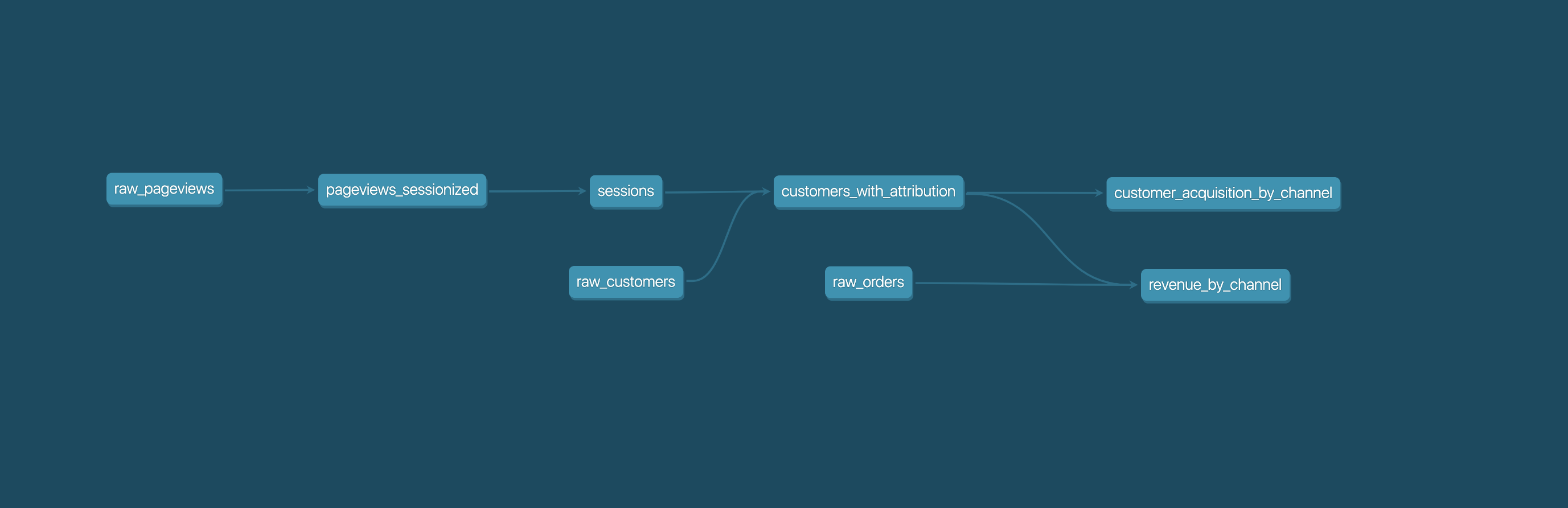
These select statements, or "models", form a dbt project. Models frequently build on top of one another – dbt makes it easy to [manage relationships](https://docs.getdbt.com/docs/ref) between models, and [visualize these relationships](https://docs.getdbt.com/docs/documentation), as well as assure the quality of your transformations through [testing](https://docs.getdbt.com/docs/testing).
## Getting started
- [Install dbt Core](https://docs.getdbt.com/docs/get-started/installation) or explore the [dbt Cloud CLI](https://docs.getdbt.com/docs/cloud/cloud-cli-installation), a command-line interface powered by [dbt Cloud](https://docs.getdbt.com/docs/cloud/about-cloud/dbt-cloud-features) that enhances collaboration.
- Read the [introduction](https://docs.getdbt.com/docs/introduction/) and [viewpoint](https://docs.getdbt.com/docs/about/viewpoint/)
## Join the dbt Community
- Be part of the conversation in the [dbt Community Slack](http://community.getdbt.com/)
- Read more on the [dbt Community Discourse](https://discourse.getdbt.com)
## Reporting bugs and contributing code
- Want to report a bug or request a feature? Let us know and open [an issue](https://github.com/dbt-labs/dbt-core/issues/new/choose)
- Want to help us build dbt? Check out the [Contributing Guide](https://github.com/dbt-labs/dbt-core/blob/HEAD/CONTRIBUTING.md)
## Code of Conduct
Everyone interacting in the dbt project's codebases, issue trackers, chat rooms, and mailing lists is expected to follow the [dbt Code of Conduct](https://community.getdbt.com/code-of-conduct).